Nova Scotia Duck Tolling Retriever vs Basset Fauve de Bretagne
Compare Nova Scotia Duck Tolling Retriever and Basset Fauve de Bretagne: size, life expectancy, temperament and care side by side.

Nova Scotia Duck Tolling Retriever
VS

Basset Fauve de Bretagne
Comparison table
Show differences only
Characteristic
Nova Scotia Duck Tolling Retriever
Basset Fauve de Bretagne
Breed type
Purebred
Purebred
Height
45 – 51 cm
32 – 38 cm
Weight
17 – 23 kg
15 kg
Life expectancy
10 – 14 years
11 – 14 years
Child friendly
3/5
4/5
Energy level
4/5
3/5
Intelligence
4/5
3/5
Trainability
4/5
3/5
Health
4/5
3/5
Grooming needs
2/5
3/5
Shedding
3/5
3/5
Barking level
2/5
3/5
Aggressiveness
3/5
3/5
The 1–5 scale shows the level of each trait. A higher value means more of that trait. Individual animals may vary.
Characteristics
Nova Scotia Duck Tolling Retriever
High energy
Super smart
Low grooming
Quiet
Easy to train
Medium
Basset Fauve de Bretagne
Great with kids
Medium
Summary
About Nova Scotia Duck Tolling Retriever
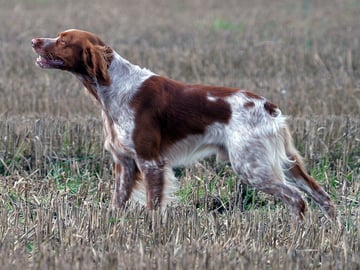
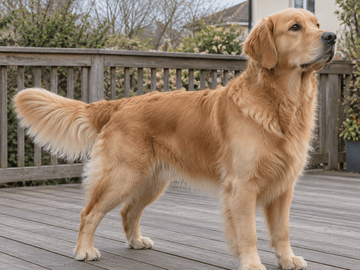
Medium, athletic retriever, the smallest of its group, bred in Nova Scotia to lure and retrieve waterfowl. Has a red, foxlike, water‑repellent coat, high intelligence, and emotional sensitivity. Needs substantial daily mental and physical activity and can excel in many dog sports.
About Basset Fauve de Bretagne
Cheerful, energetic French scent hound with a low, sturdy build and rough golden‑red coat. Friendly and affectionate, good with children and dogs but strong prey drive. Intelligent yet independent; needs patient training, ample exercise, and regular but simple grooming.
Similar breeds
More breeds