
¶Table of Contents
¶Quick Facts
- Males 62–68 cm and females 57–64 cm, according to the FCI.
- High. Needs daily exercise and regular work.
- A coarse, protective coat that needs brushing and checking after work.
- 12–15 years, according to the AKC.
- An owner who wants to train a versatile gundog.
¶Appearance & Coat
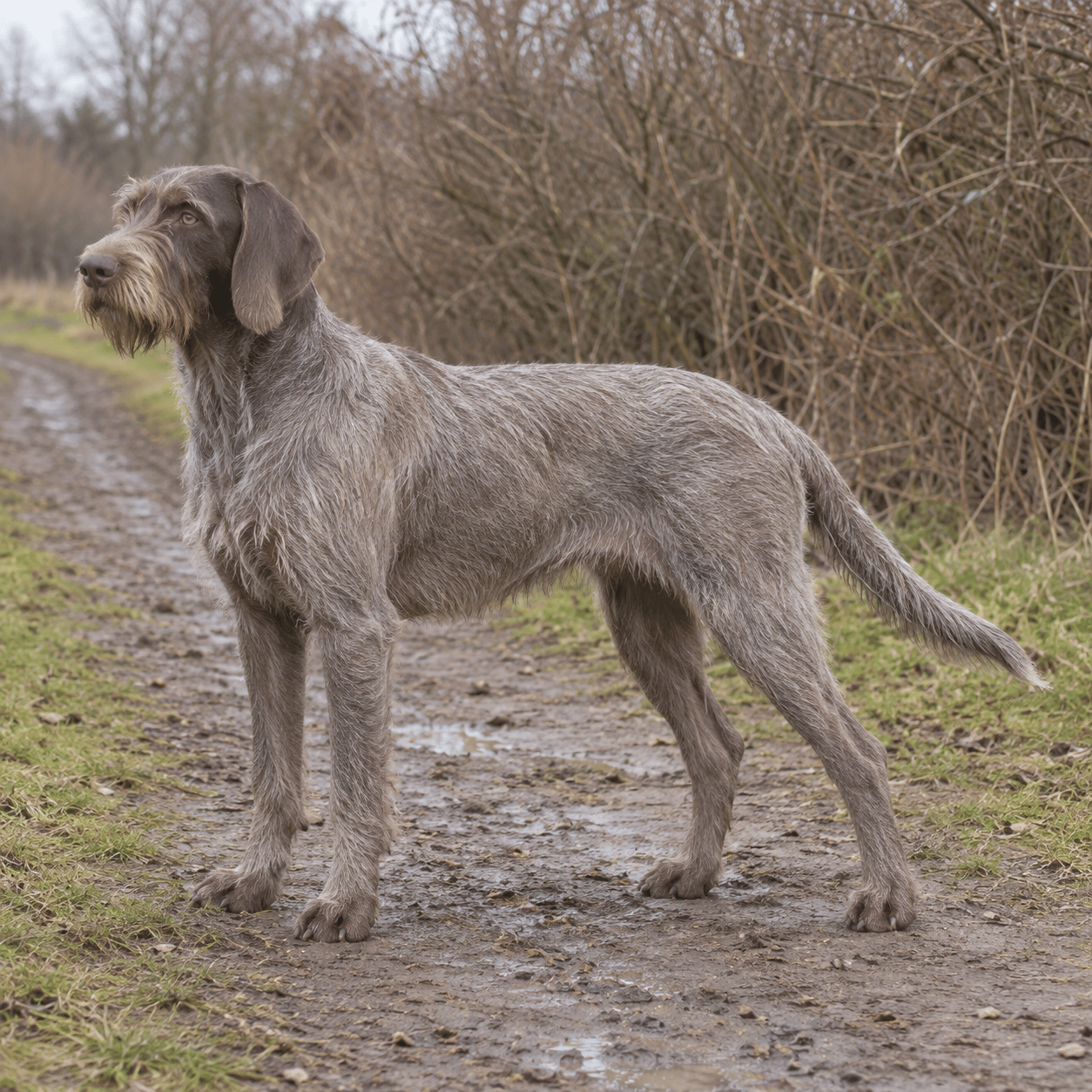
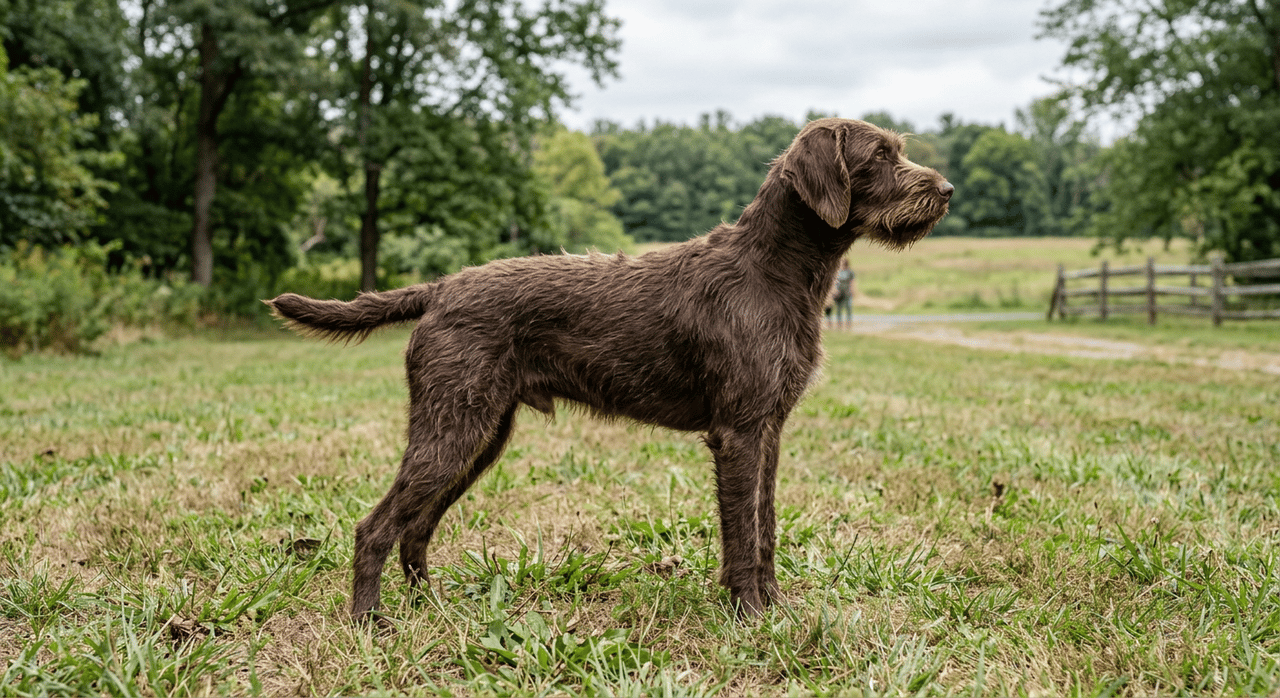
The Slovakian Wirehaired Pointer, also known as the ohar, was bred for versatile work. It should be able to search, retrieve and track across different types of terrain.
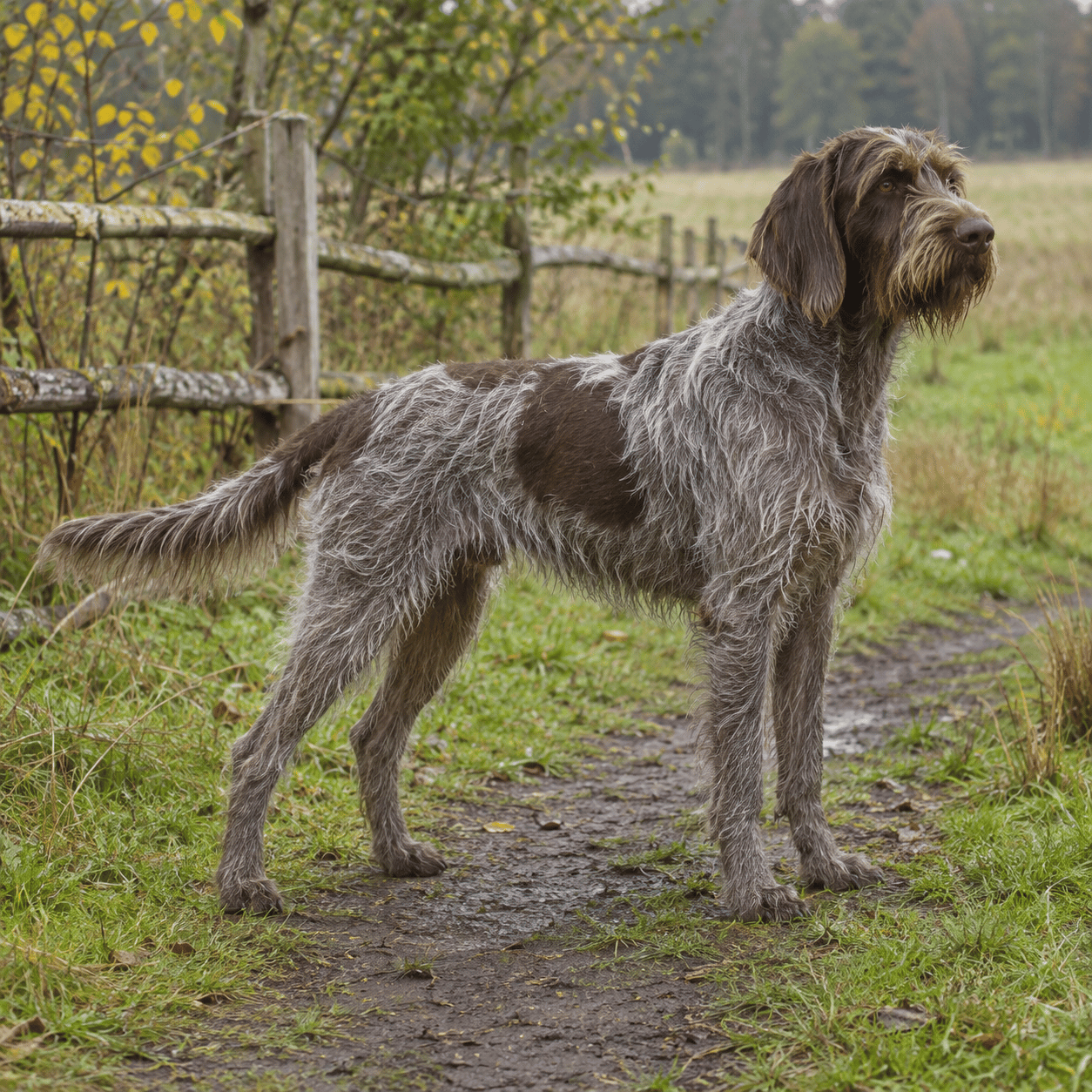
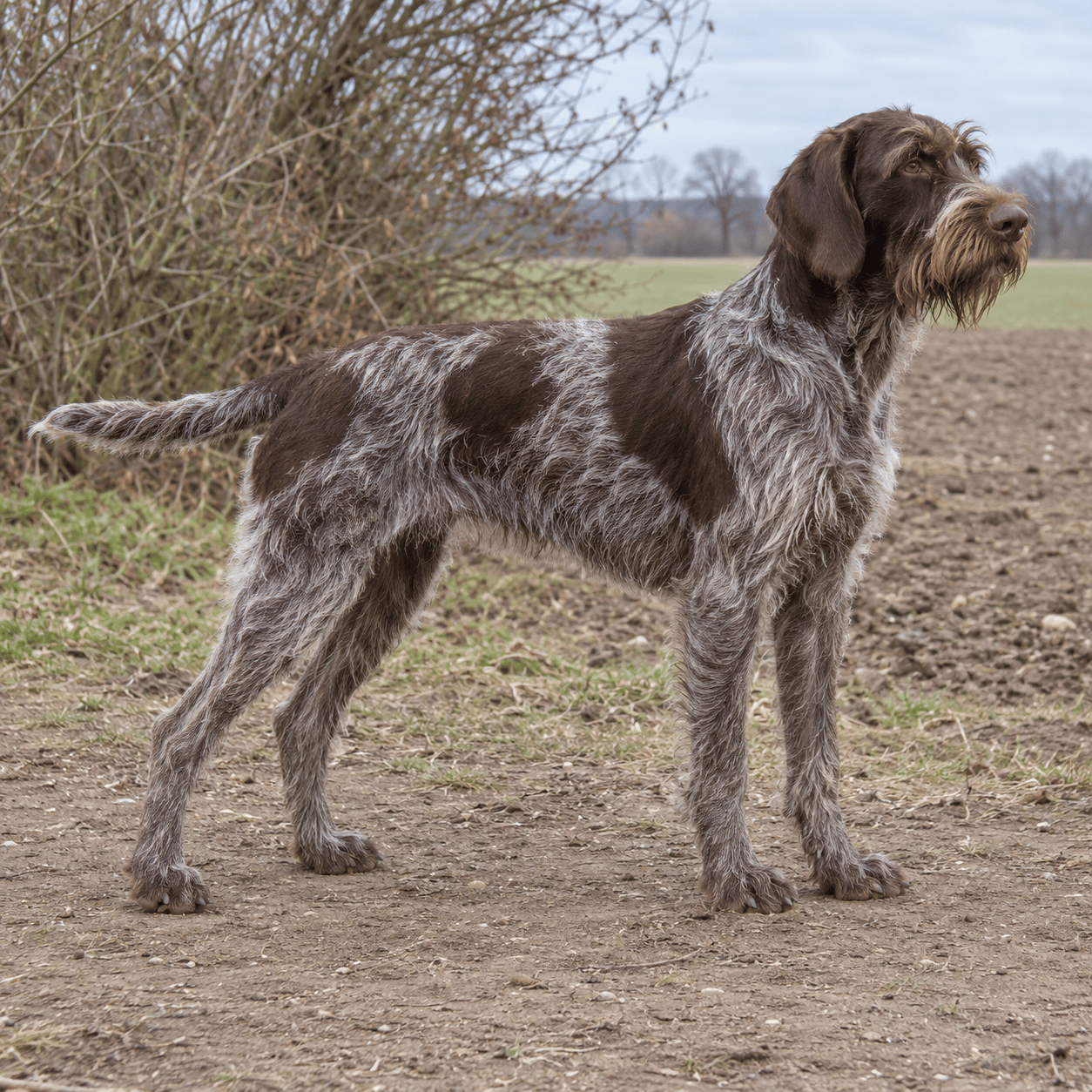
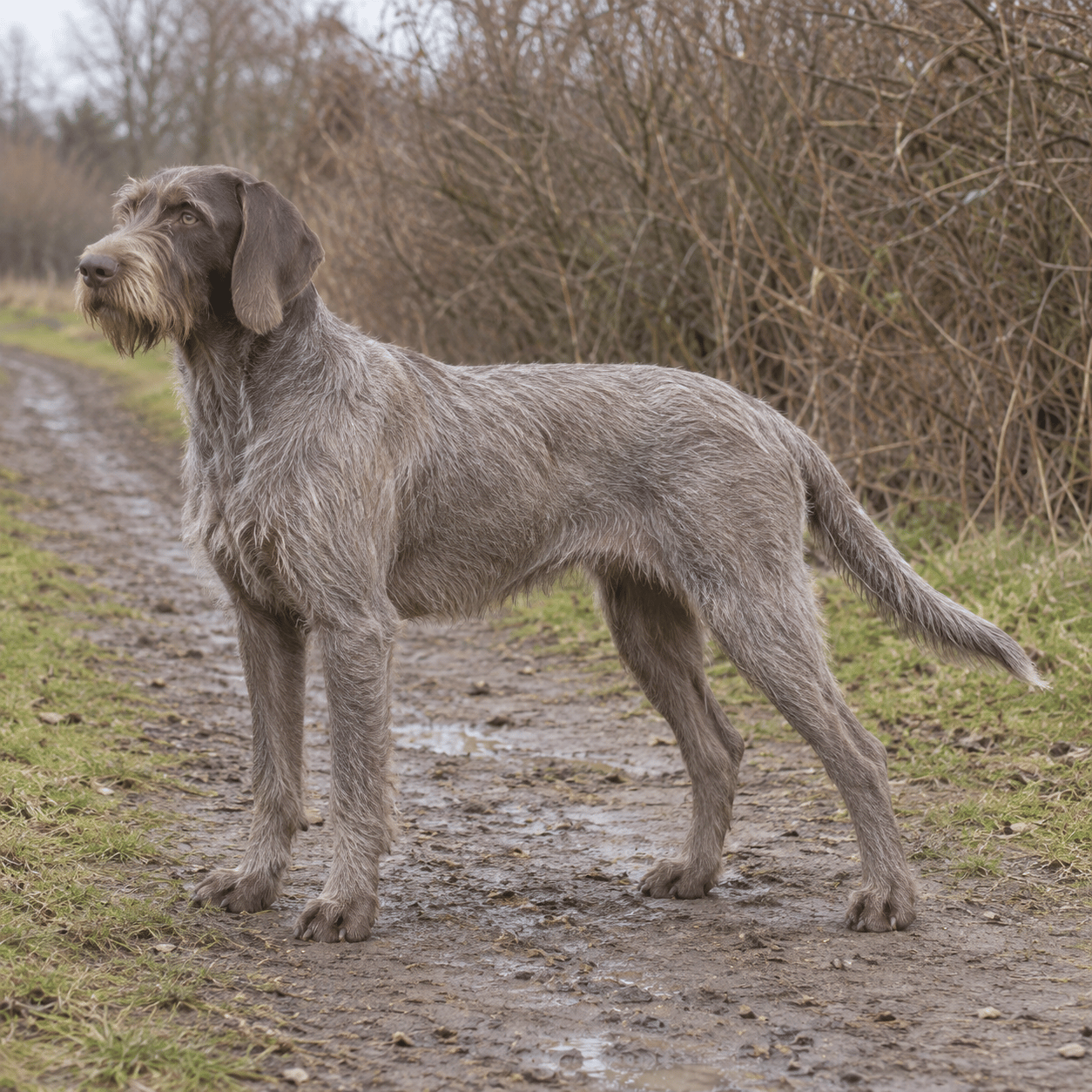
The breed has a strong yet agile body, a wiry coat and pronounced facial hair around the muzzle. The base colour is greyish-brown, ranging from solid colouring to varying degrees of roan. Remove seeds and check for tangles or minor wounds after work.
¶Temperament & Personality
These dogs tend to be willing to cooperate. Their drive to work often leads them to explore the terrain on their own initiative. Start building engagement early and tailor challenges to how your dog responds.
¶Training & Exercise
Pointing, retrieving, tracking and water work can be combined. Gradually build steadiness and a reliable recall. Allow time for recovery after longer periods of work, and use a long line where hunting instincts might take over.
¶Health
There are too few dogs in Sweden for the Swedish Kennel Club (SKK) to assess the breed’s health reliably. Ask for documented health screening results, particularly for joints, and ask how well the dogs maintain their working ability over time. Find out how older relatives cope with everyday life.
¶History & Origins
The breed was developed in the former Czechoslovakia during the 20th century. The ability to work before and after the shot in a variety of environments was a major priority in breeding selection.
¶Living with the Breed
Set aside time for practical tasks throughout the year. Meet adult dogs and ask how they behave while hunting, when visitors arrive and at home when they need to rest.
¶Characteristics
¶Frequently Asked Questions
¶Comparisons with Other Breeds
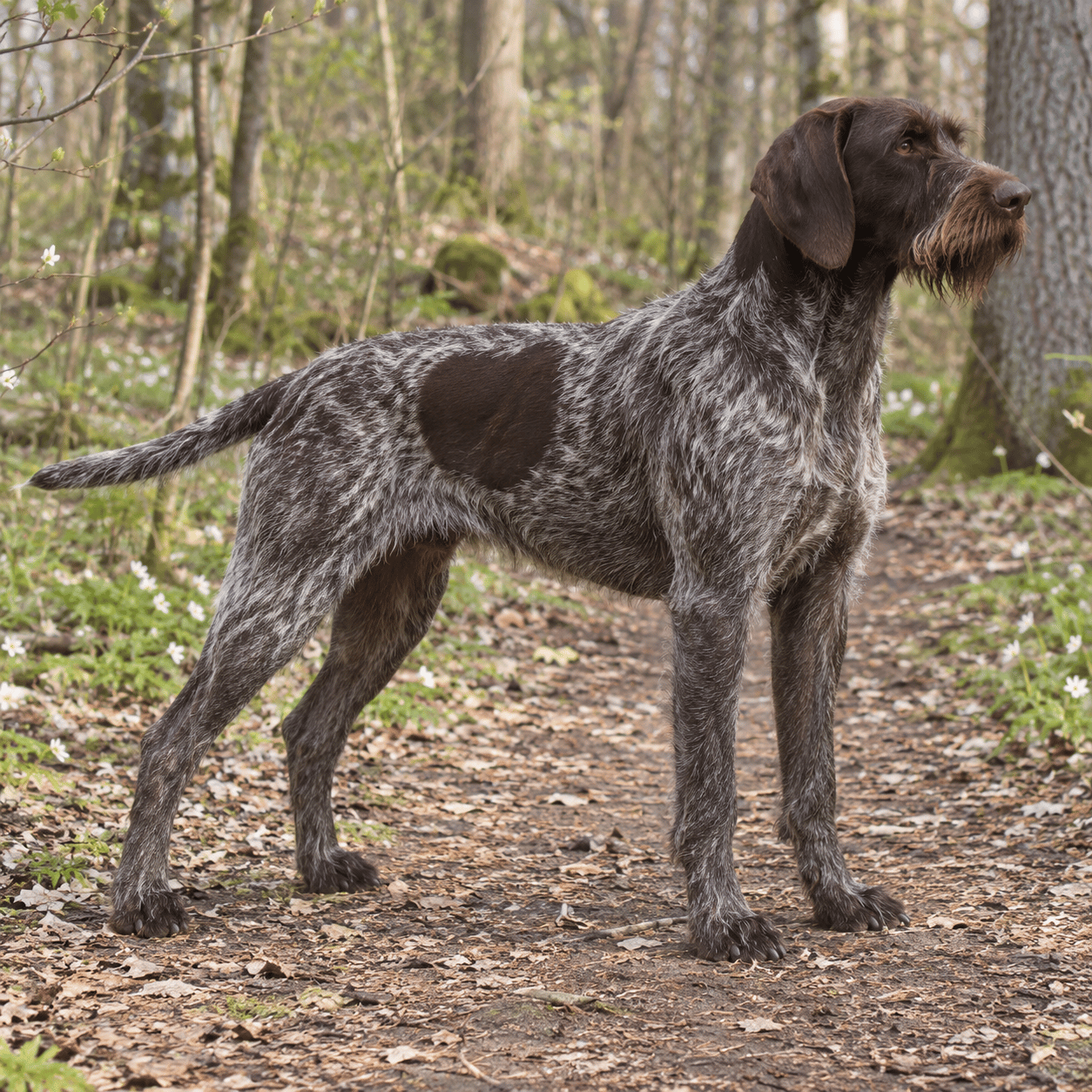
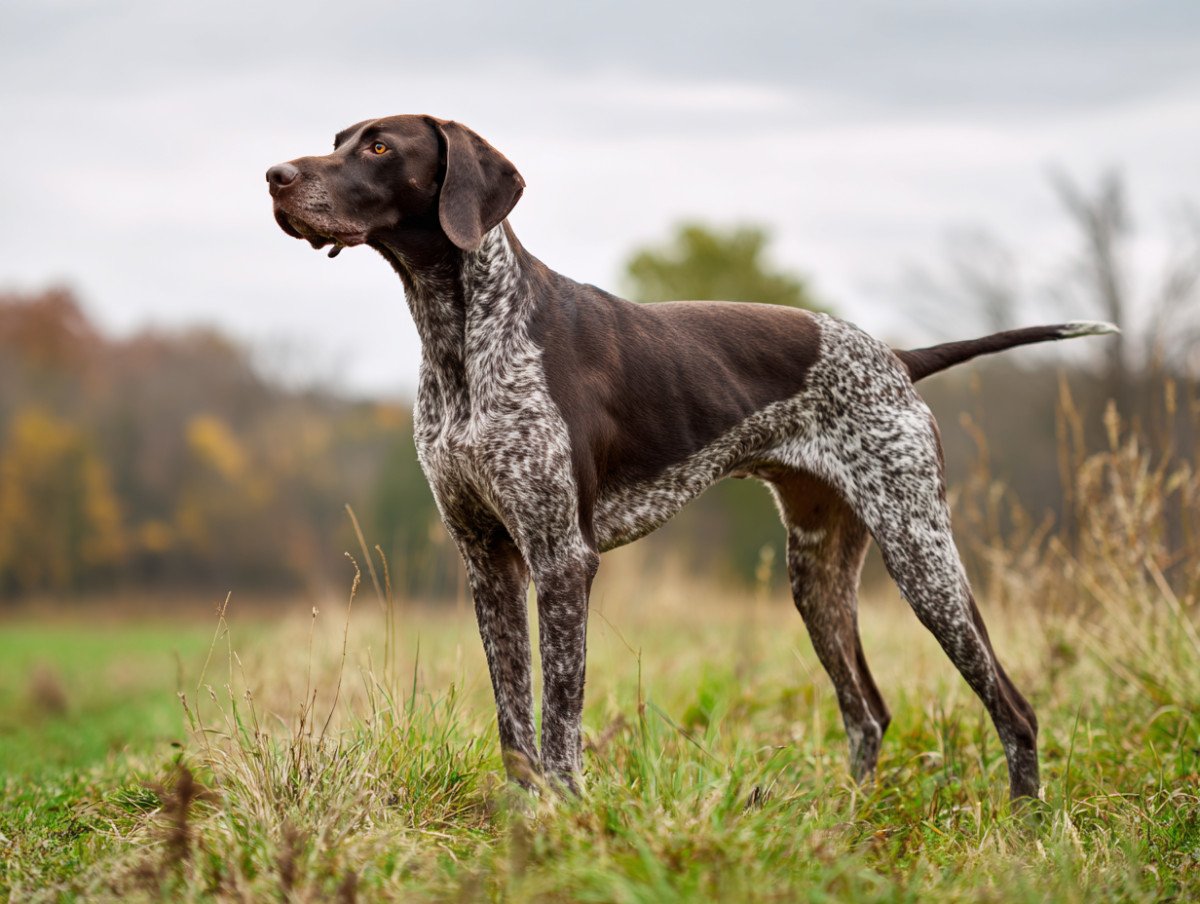
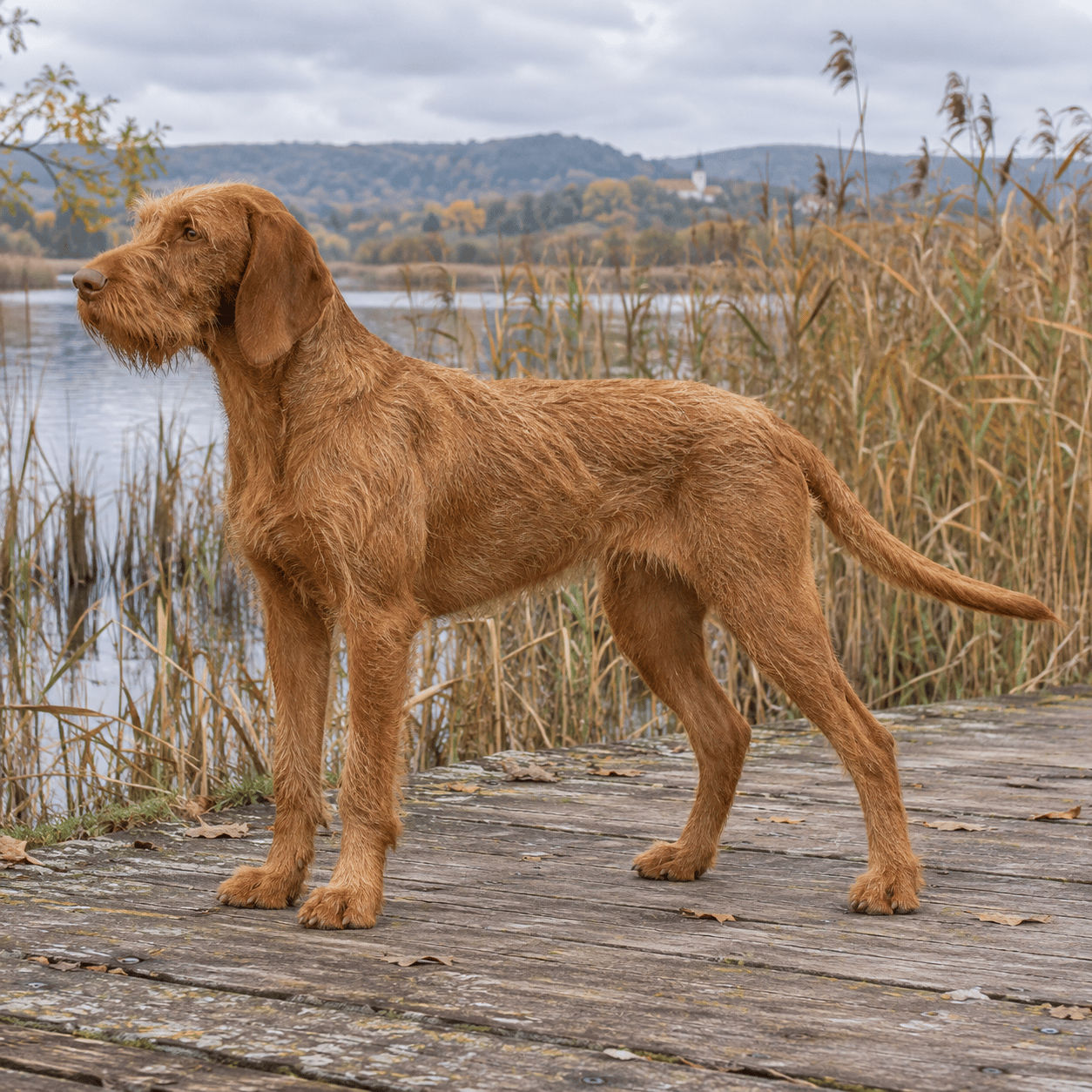
Compare Slovakian Wirehaired Pointer with other breeds and see the differences in temperament, activity level, and care to make a confident choice. Show All Comparisons