
¶Table of Contents
¶Quick Facts
- The FCI specifies 60–70 cm for males and 58–66 cm for females, with narrower ideal ranges.
- High. Needs daily time outdoors and tasks involving scent work and cooperation with its handler.
- A medium-length coat that needs regular brushing, with particular attention to the ears and paws.
- 12–14 years according to the AKC, as a general guide.
- An active owner with time for hunting training or other purposeful work.
¶Appearance & Coat
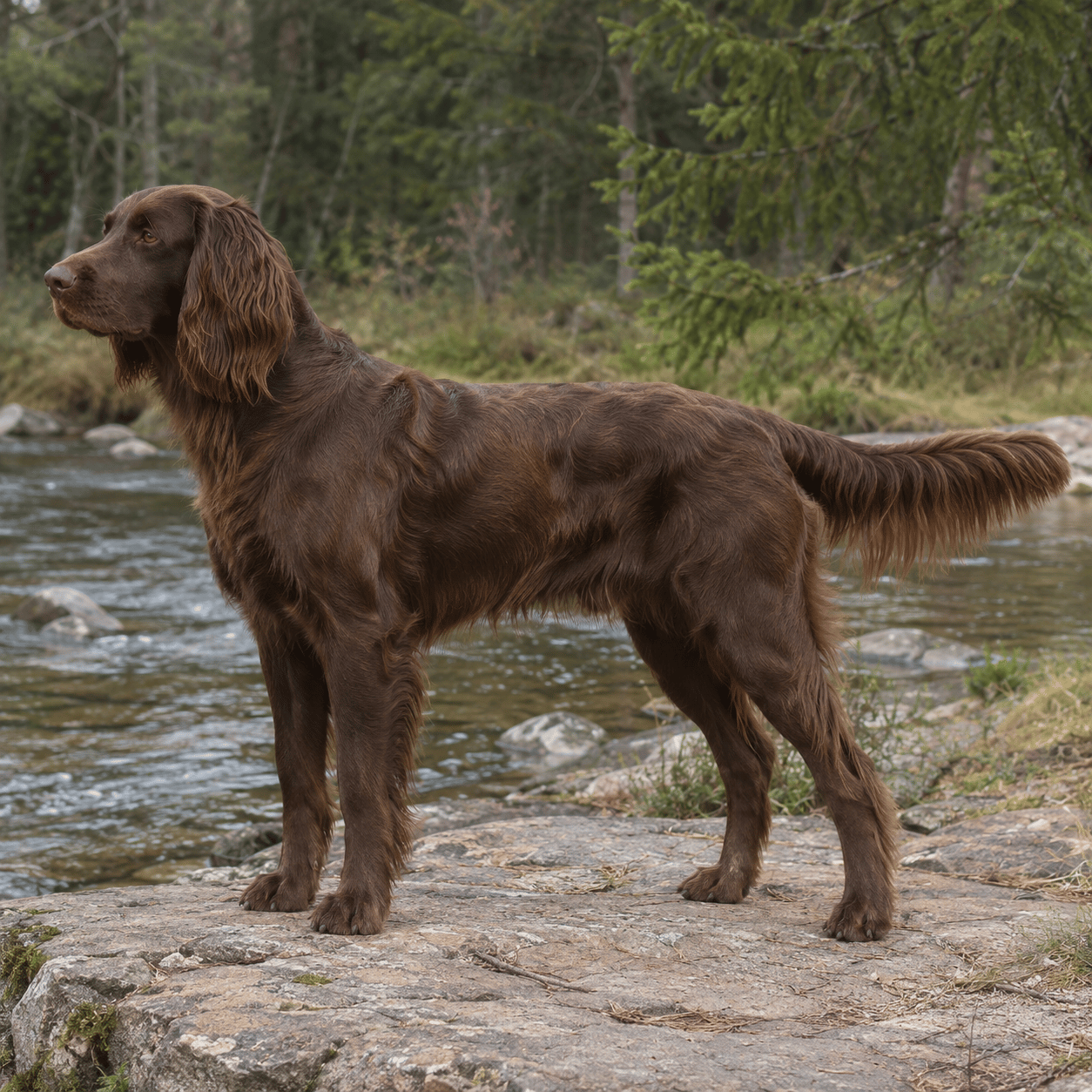
The German Longhaired Pointer is a German pointing breed developed to work on land and in water. A balanced disposition goes hand in hand with plenty of energy in the field. This breed therefore needs a daily routine that consistently includes training and time outdoors.
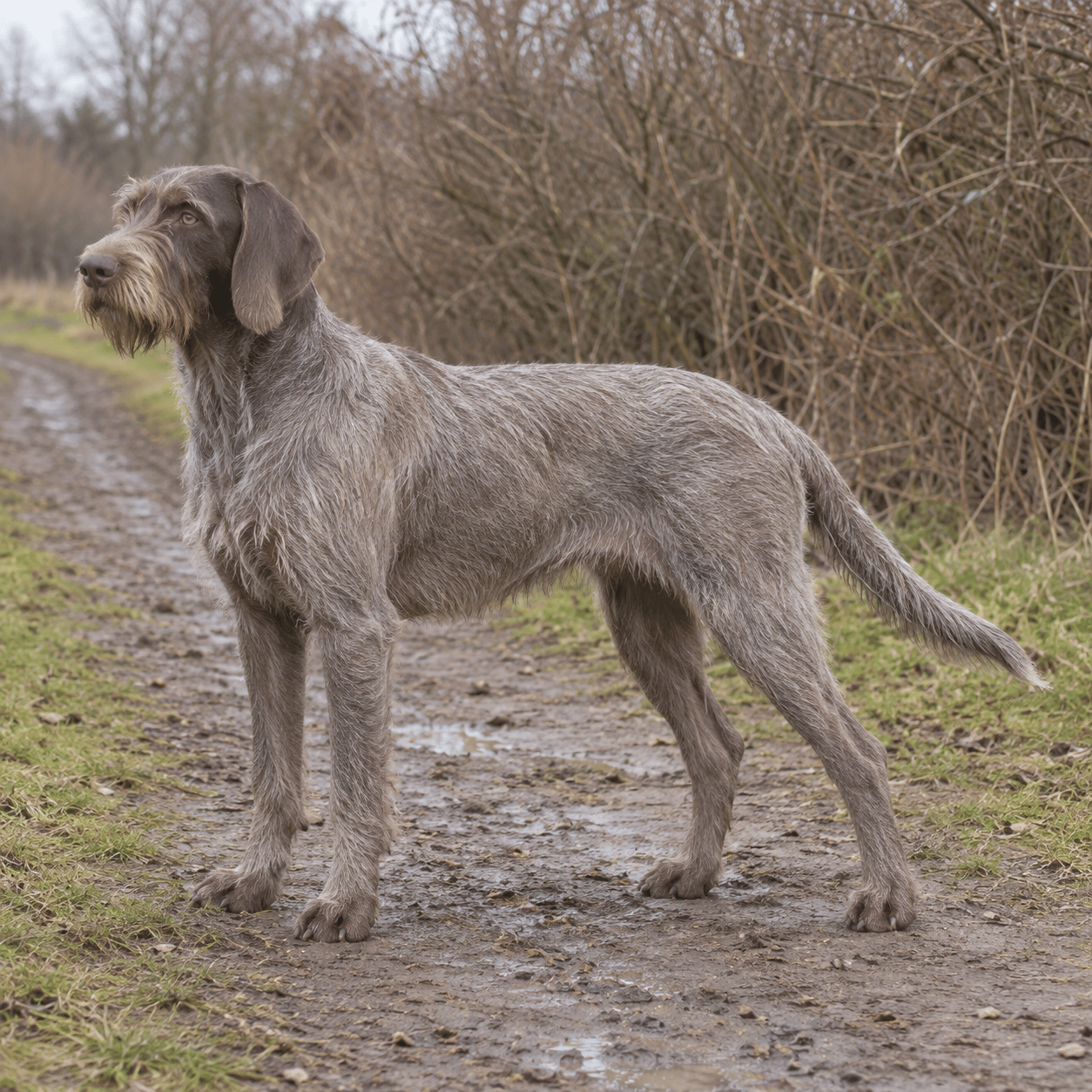
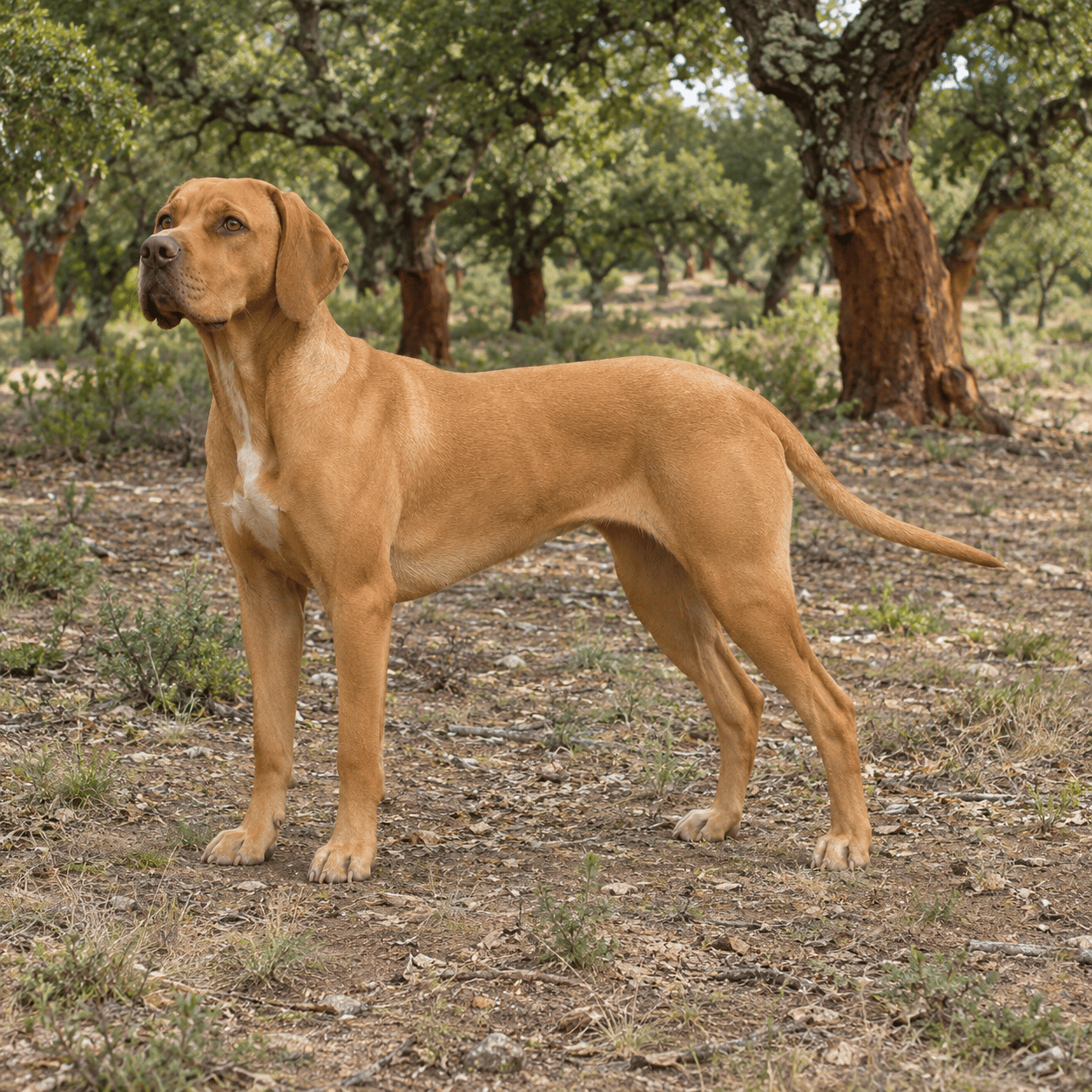
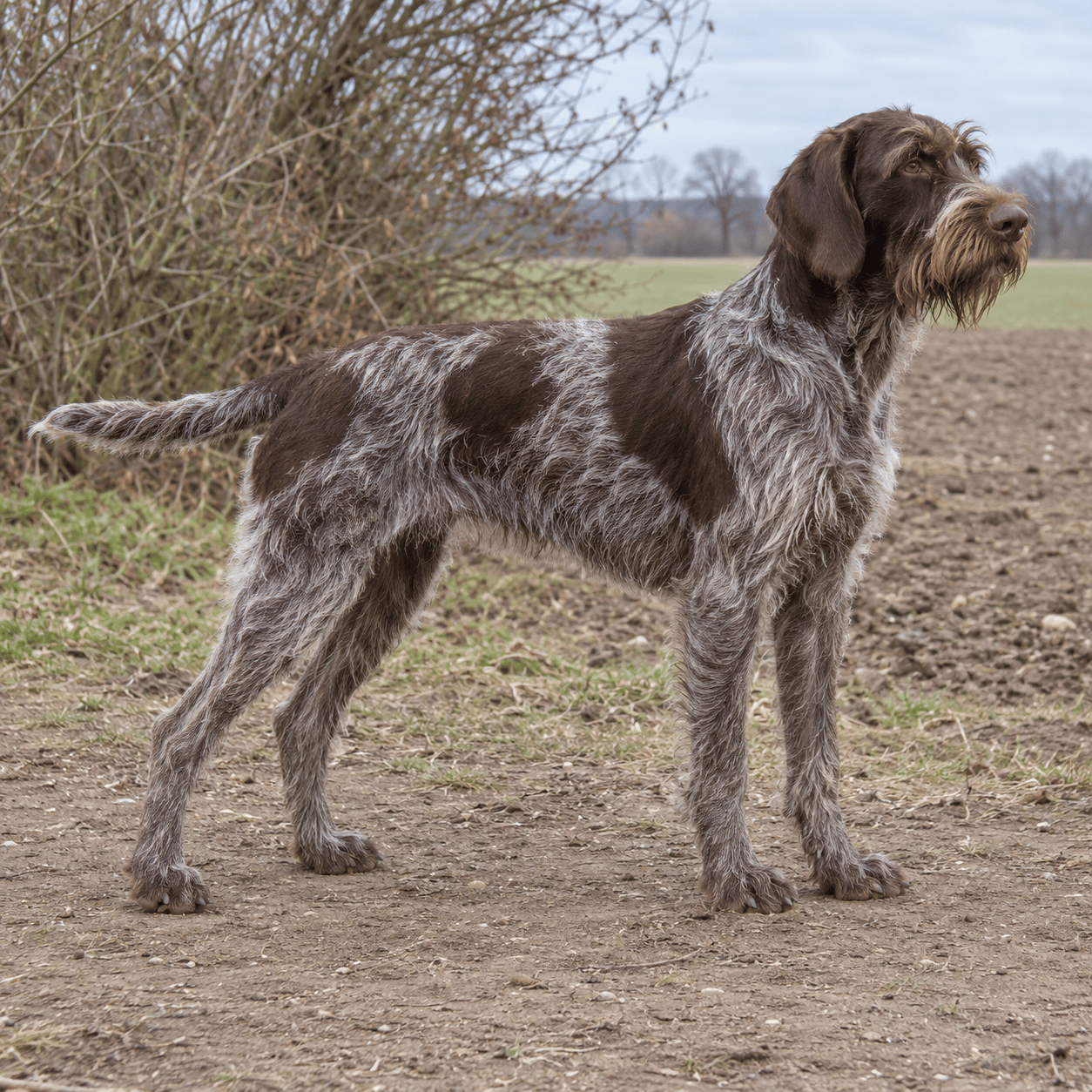
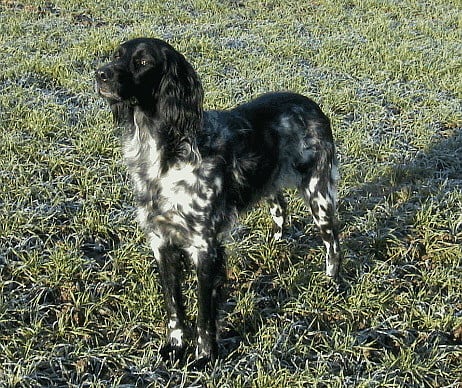
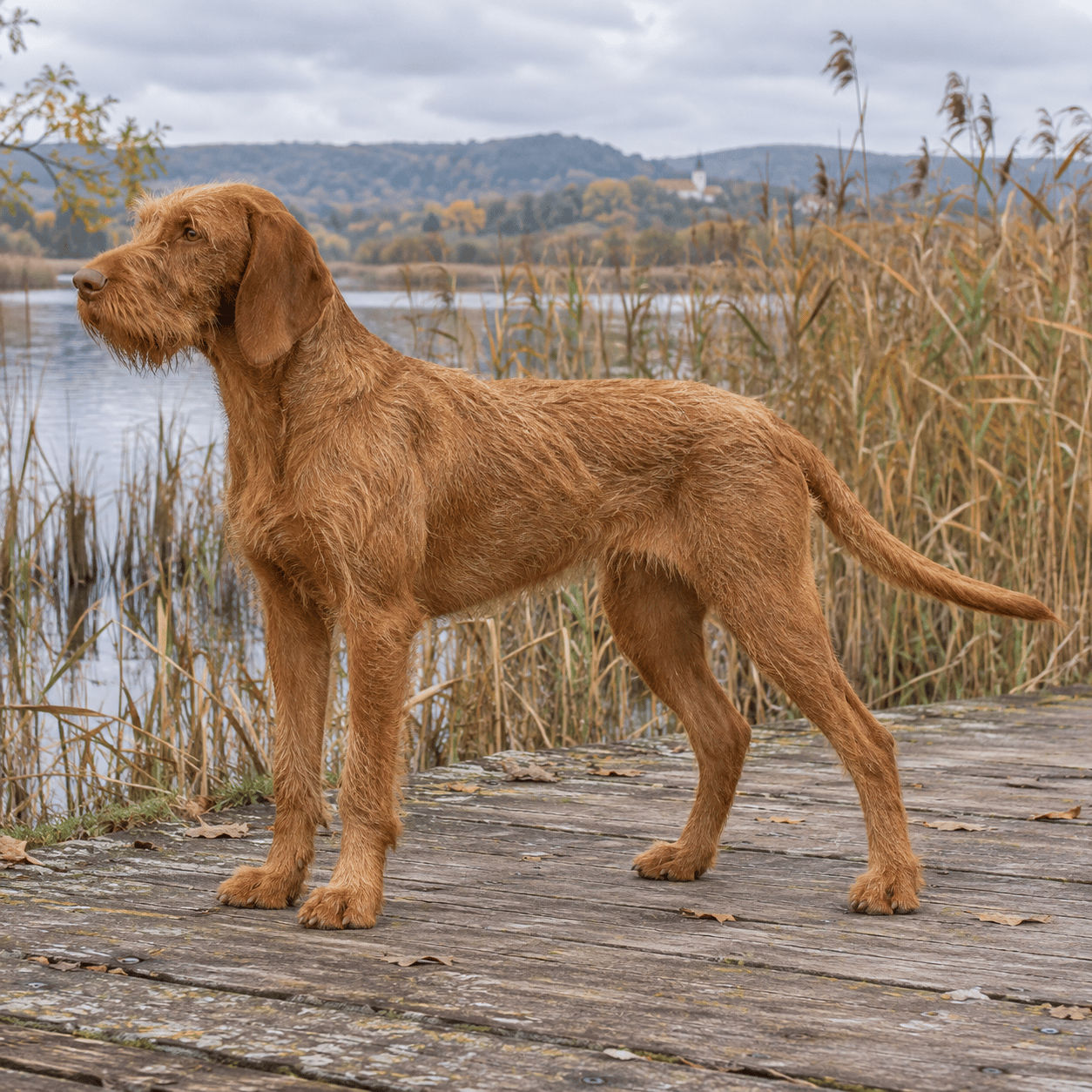
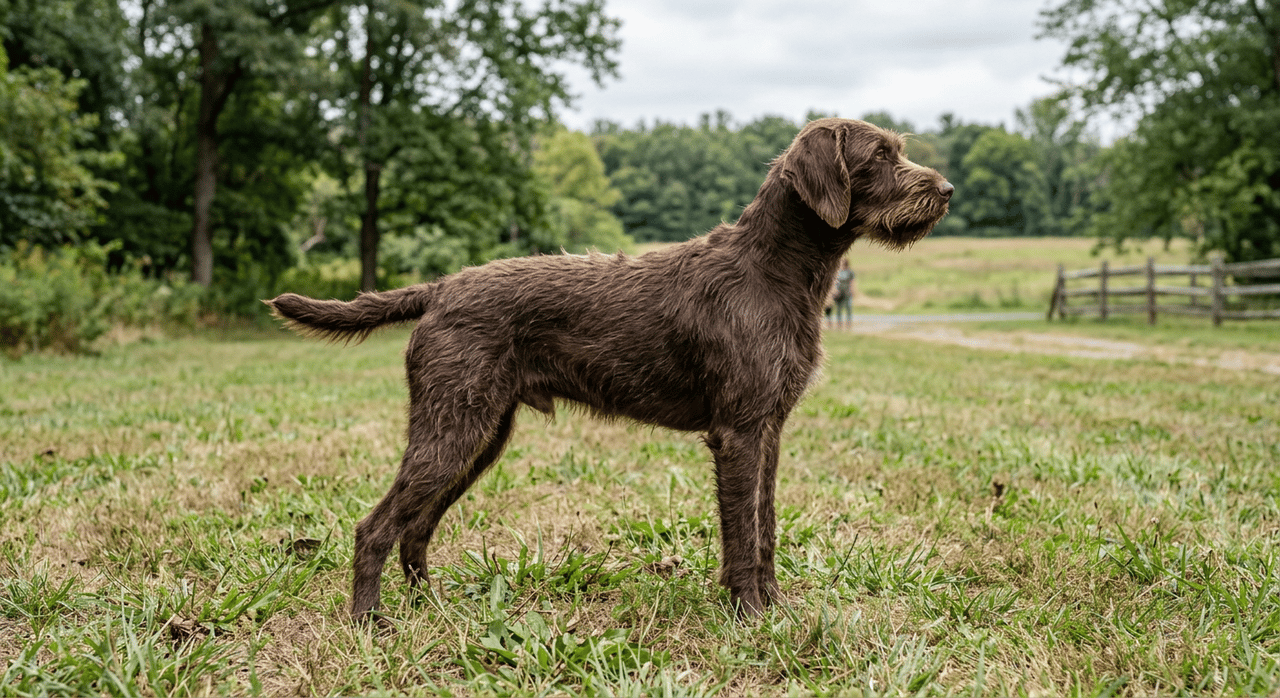
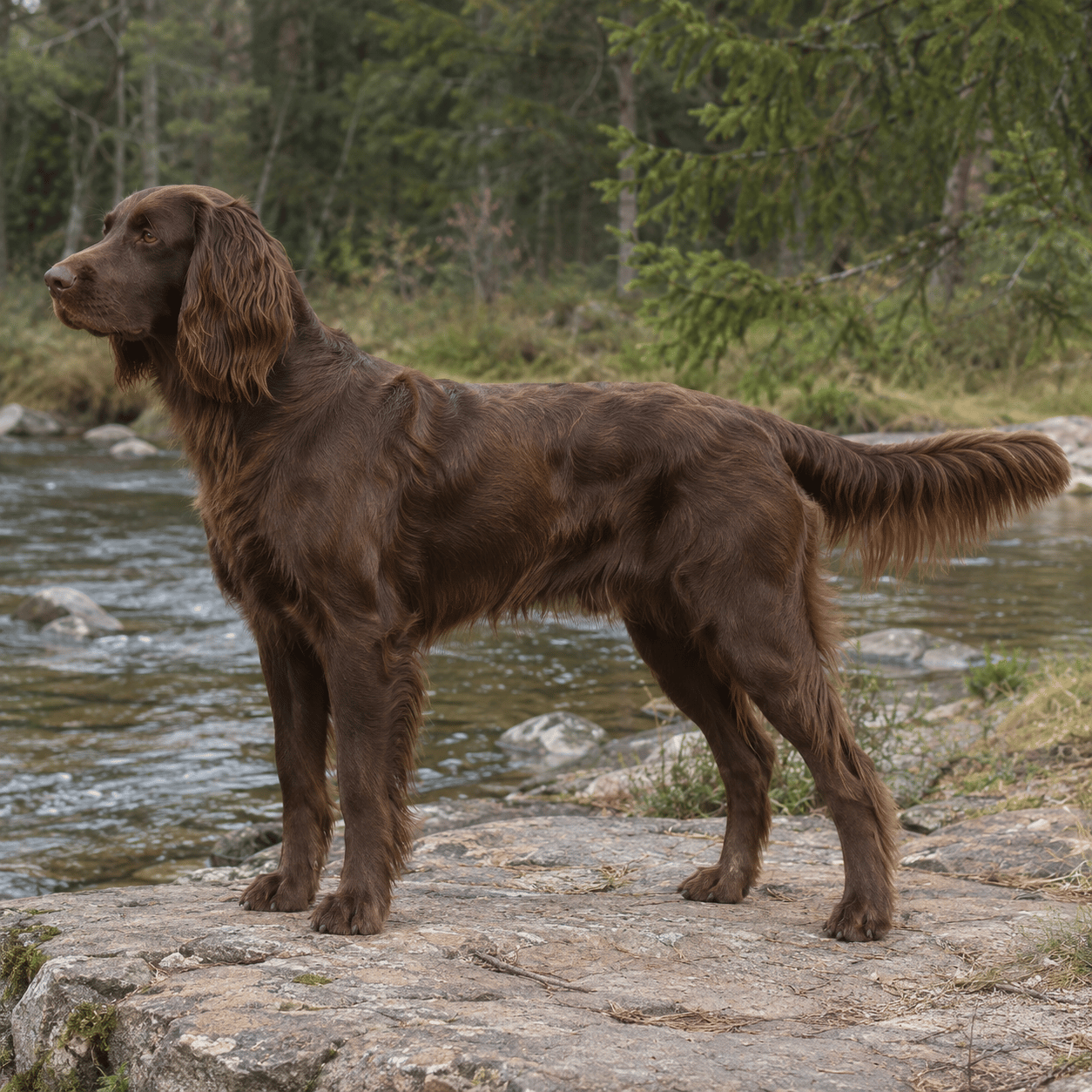
This is a muscular, powerful dog with drop ears and longer hair on the tail and legs. The medium-length hair on the back and sides lies close to the body. The coat may be solid brown, brown with white markings, or brown roan. Comb through the feathering after work in undergrowth and check the hair between the paw pads, especially when snow gets trapped there.
¶Temperament & Personality
The Swedish Kennel Club (SKK) describes the breed as good-natured, quick to learn, and well-balanced. When hunting, the dog needs to search with stamina and take initiative while staying in contact with its handler. Its calm side at home should be seen as the result of a daily routine that includes both activity and rest.
¶Training & Exercise
Searching, retrieving, and tracking can all form part of the same week's training. Break exercises into smaller steps and increase the difficulty gradually. Practise steadiness and recall with an instructor experienced in pointing breeds. Adapt water activities to the temperature, conditions underfoot, current, and the dog's experience.
¶Health
According to the SKK, hip dysplasia occurs in the breed. Ask to see official hip scores and find out how the breeder monitors relatives from previous litters. The Swedish breeding strategy covers the breed's health, temperament, and hunting abilities. Ask the breeder to explain how the particular pairing was chosen.
¶History & Origins
The German Longhaired Pointer's ancestry includes older types of bird dogs, water dogs, and scent hounds. Breed characteristics were established in 1879. Baron von Schorlemer wrote an early breed description in 1897. A group of dogs was imported into Sweden from West Germany in 1976.
¶Living with the Breed
Make time for regular work throughout the year and for care after wet outings. Meet adult dogs and ask how they behave while their owner is at work, when visitors arrive, and around other animals. Daily routines for rest, grooming, and calm walks need to be established early.
¶Characteristics
¶Frequently Asked Questions
¶Comparisons with Other Breeds
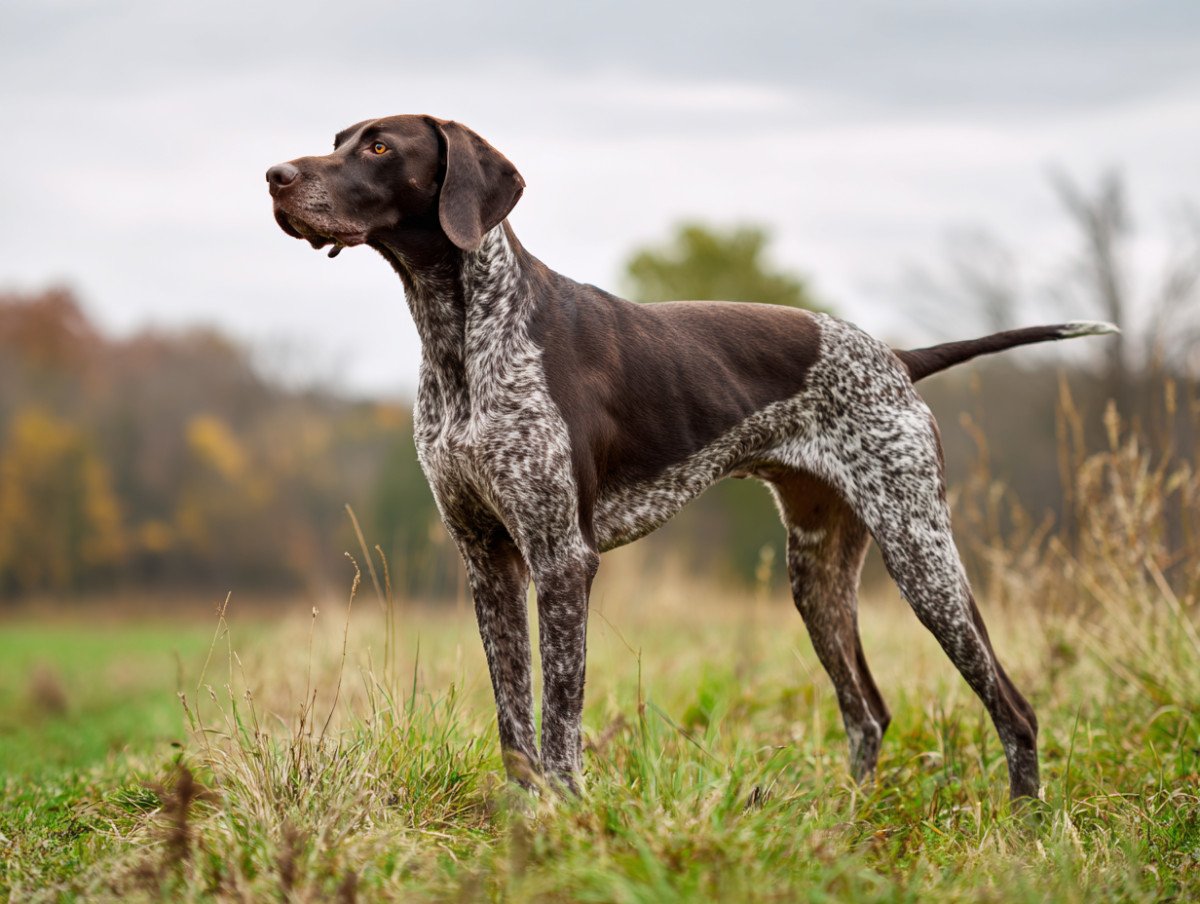
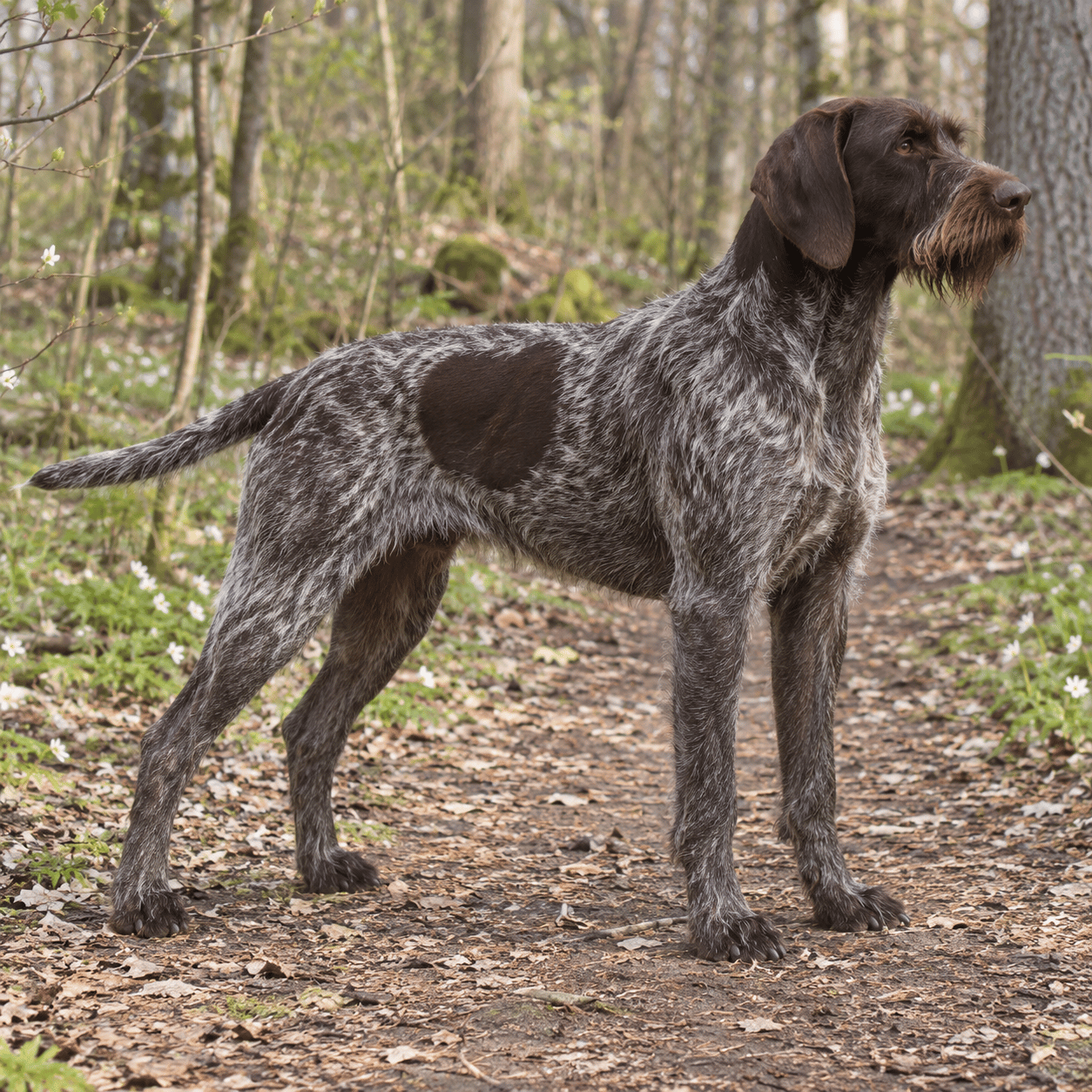
Compare German Longhaired Pointer with other breeds and see the differences in temperament, activity level, and care to make a confident choice. Show All Comparisons