
¶Table of Contents
¶Quick Facts
- Elegant French pointing dog known for its striking black and white “ink splash” coat and gentle expression
- Highly versatile hunter that excels in pointing, retrieving, and working in a wide range of terrains
- Affectionate, people orientated companion that usually bonds very closely with one person or family
- Energetic outdoor dog that still enjoys quiet evenings on the sofa when well exercised
- Still relatively rare outside France, which helps preserve its working abilities and natural, rustic charm
¶Appearance & Coat
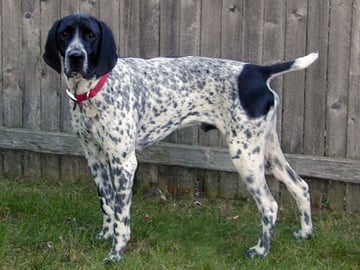
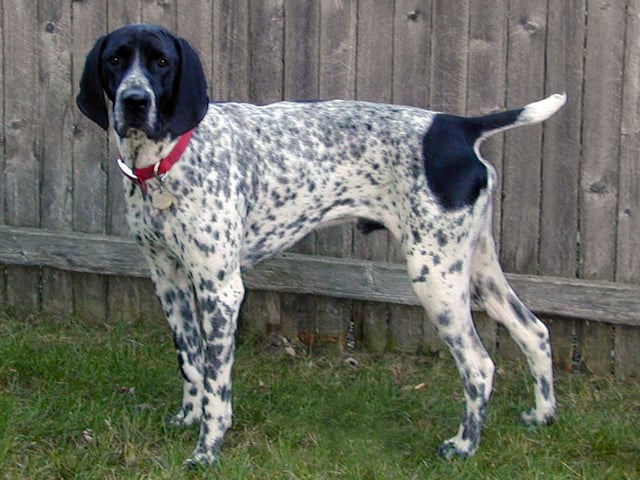
The Auvergne Pointer, or Braque d'Auvergne, is a medium sized pointing dog with a balanced, athletic outline. Nothing about this breed should look exaggerated. At first glance it often gives an impression of calm confidence and quiet strength, rather than hyper energy. Adult males typically stand around 57 to 63 centimeters at the shoulder, with females slightly smaller at 53 to 59 centimeters. Weight usually ranges from about 20 to 28 kilos depending on sex, build, and fitness level.
The body is slightly longer than it is tall, with a strong but not bulky frame. The chest is deep enough to support good lung capacity for long days in the field, and the back is firm and straight. The neck is fairly long and muscular, flowing smoothly into well laid back shoulders. The head is an important feature of the Auvergne Pointer. It has a noble, slightly rounded skull, a clear stop, and a straight or gently arched muzzle. The lips are slightly drooping but not overly heavy. Dark, oval eyes give a soft, thoughtful expression, often described as kind or soulful. Ears are set at eye level or slightly below, of medium length, thin and supple, falling close to the head with a slight inward twist.
The coat is short, close lying, and quite dense, which helps to protect the dog while hunting through scrub and wet grass. It should feel smooth rather than harsh. The classic coat pattern is black and white, often with ticking, roaning, or mottling that creates a marbled effect. Many Braques d'Auvergne have large black patches over the head and body with scattered black speckles in the white areas. A distinctive feature is the black head with a white blaze that may extend down the muzzle. Pure solid black or pure solid white coats are not typical for the breed standard.
Caring for the coat of an Auvergne Pointer is fairly straightforward, which many owners appreciate. A weekly brushing with a rubber grooming mitt, soft bristle brush, or grooming glove helps to remove dead hair and distribute natural skin oils. During shedding seasons in spring and autumn, more frequent brushing can keep loose hair under control and help keep your home cleaner. Regularly wiping the coat with a damp cloth after muddy walks can prevent dirt from building up, especially on the white areas that show stains more easily.
Although their coat is low maintenance, there are a few practical grooming routines to keep in mind. Ears should be checked and gently cleaned each week, especially for dogs that swim or hunt, because the folded, pendulous ears can trap moisture and debris. Nails should be trimmed or filed regularly, even for active dogs, to avoid cracks or discomfort. Teeth benefit from daily or at least frequent brushing to prevent tartar and gum disease. With this basic routine, the Auvergne Pointer usually remains clean, tidy, and comfortable without needing professional grooming, which makes it a practical companion for active households.
¶Temperament & Personality
The Auvergne Pointer is often described as gentle, affectionate, and devoted, particularly to its main handler. This is a breed that thrives on human companionship. While it has the drive and stamina of a serious hunting dog, at home it is often surprisingly soft natured and eager to please. Many owners notice that their Braque d'Auvergne wants to be wherever the family is, whether that is in the garden, on the sofa, or following someone from room to room.
With children, a well socialized Auvergne Pointer is usually patient and kind. Its medium size and athletic frame make it sturdy enough to handle the bumps and noise of family life, but adults should always supervise interactions. Teaching children how to respect a dog’s space, food, and rest areas is very important. When raised together and given clear boundaries, this breed often becomes a loyal playmate and guardian of family routines. It can be quite sensitive to the moods of the people it loves and may seek to comfort family members who seem stressed or sad.
Around other dogs, the Auvergne Pointer is generally sociable, particularly if introduced to a variety of canine companions from puppyhood. Its hunting background means it is used to working in teams and cooperating with humans, so it often reads social cues fairly well. However, intact males can sometimes be more assertive with unfamiliar males, and as with any breed, individual temperament varies. Calm, structured introductions and continued socialization throughout adulthood keep most potential issues under control.
With small pets, some caution is wise. The breed’s strong prey drive is directed primarily at game birds and sometimes small mammals. In some individuals this instinct can transfer to cats, rabbits, or other small animals. Many Braques d'Auvergne can live peacefully with a resident cat if introduced carefully and given clear rules, but they may still be unreliable around unknown small animals outdoors. Owners should assume that off leash recall around wildlife will require serious training and management.
One of the main personality traits to understand is the breed’s sensitivity. The Auvergne Pointer is usually not a hard, stubborn dog. Instead you often find a dog that responds deeply to tone of voice and atmosphere. Harsh corrections, shouting, or inconsistent rules can quickly undermine its confidence. On the other hand, fair, calm, and positive handling can reveal a very willing and cooperative partner. This sensitivity can be a blessing in experienced hands, since it supports strong bonds and fine tuned communication, but it may surprise people who expect a rough, tough hunting dog.
Common challenges with this breed usually revolve around its energy levels and need for company. A bored Auvergne Pointer that is left alone too long without mental or physical outlet can become restless, destructive, or vocal. Chewing furniture, digging in the garden, or trying to escape a yard are not uncommon signs of frustration. Some individuals may develop separation anxiety if they are too dependent on one person and not gradually taught to feel safe alone. New owners should be prepared to invest time in exercise, training, and companionship so that this sensitive, intelligent dog can show its best side in daily life.
¶Training & Exercise
The Auvergne Pointer is a working gundog and its training and exercise needs reflect that heritage. This is not a decorative breed that will be content with short daily strolls and occasional weekend outings. To stay balanced and content, most adults need at least 1.5 to 2 hours of mixed activity per day, ideally spread over several sessions. That might sound like a lot, but the kind of exercise this breed enjoys can easily fit into an active human lifestyle.
Physical exercise is essential, but it does not need to be frantic. Long, steady walks, hikes across varied terrain, and free running in safe, enclosed areas are ideal. Many owners report that their Braque d'Auvergne shows a natural tendency to quarter the ground, moving back and forth in front of them to search for scents, just as a pointer would in a hunting setting. This instinct can be used positively in organized field work or tracking games. Off leash exercise is usually the most satisfying for the dog, although it must be paired with solid recall training and good wildlife awareness from the owner.
Mentally, the breed is highly capable and tends to enjoy learning. Short, engaging training sessions work best. Focus on positive reinforcement with food rewards, toys, and enthusiastic praise. Punitive or confrontational methods risk shutting the dog down, since many Auvergne Pointers are quite sensitive. They respond better to handlers who are calm, consistent, and fair. Because they love to work in partnership, they often excel when they understand the goal of an exercise and feel that they are part of a team effort.
Early basic training should include:
- Reliable recall, even around mild distractions
- Loose leash walking, since an energetic pointer can pull strongly if not trained
- A solid “stay” and “settle” cue to help the dog relax in busy environments
- Handling exercises such as checking ears, paws, and mouth to prepare for grooming and vet visits
As the dog matures, more advanced activities can keep its mind sharp and body fit. The Auvergne Pointer can do well in many dog sports, for example:
- Field trials and practical hunting, where legal and ethical, using its natural pointing and retrieving skills
- Scent work and tracking, taking advantage of its excellent nose
- Canicross, jogging, or bikejoring at a moderate pace with proper conditioning
- Obedience, rally, or working trials, which deepen communication and self control
It is important to build fitness gradually, especially during the first 18 months while joints and growth plates are still developing. Avoid too much repetitive high impact exercise such as long distance running on hard surfaces or extensive jumping for young dogs. Instead, use varied surfaces like grass, forest trails, and soft ground, and focus more on short training games, controlled free play with suitable canine companions, and low impact strength building.
Another key aspect of training is impulse control. A hunting dog is naturally drawn to movement and scent, so exercises that build calm focus can be invaluable. Teaching the dog to look at you when it notices a bird, to wait before running through a doorway, or to sit politely before being released to play can all form part of a useful daily routine. When this kind of training is integrated into normal life, the Auvergne Pointer usually becomes a more manageable companion even in stimulating environments.
Overall, the breed tends to enjoy having a job. Whether that job is formal gundog training, regular participation in a sport, or being your daily hiking partner, the important point is consistency. Owners who can offer both structured training and free time to explore will most likely discover a dog that is not only athletic but also highly responsive and deeply bonded.
¶Health
The Auvergne Pointer is generally regarded as a robust, rustic breed, especially compared to some more popular and heavily modified breeds. Its working origins have helped maintain a strong, functional structure and relatively low incidence of some genetic problems. However, like all purebred dogs, it is not completely free from health concerns. Prospective owners and breeders should be informed and proactive about maintaining the health of this valuable hunting and family companion.
Commonly discussed health issues in pointing and gundog breeds, and which can also appear in the Braque d'Auvergne, include:
- Hip dysplasia, where the hip joint does not fit perfectly and can lead to arthritis and pain
- Elbow dysplasia, less frequent but still possible, especially in active working lines
- Ear infections caused by moisture, dirt, or poor ventilation in the drop ears
- Skin irritations or allergies, particularly in dogs that work in harsh vegetation or swim frequently
For responsible breeding, health screening is essential. Reputable breeders usually arrange:
- Hip scoring through official schemes to reduce the risk and severity of hip dysplasia in future generations
- Elbow scoring where recommended by local kennel clubs or breed clubs
- Eye examinations, as some lines in pointing breeds can be prone to hereditary eye conditions
- General veterinary checks to ensure good overall fitness, heart health, and soundness before breeding
When choosing a puppy, it is important to ask the breeder about test results for both parents and to discuss the health history of close relatives. Honest breeders welcome these questions and appreciate informed buyers who care about the long term welfare of the breed.
The typical lifespan of an Auvergne Pointer is often around 11 to 14 years when well cared for, with many individuals remaining active well into their senior years. Supporting long term health involves more than genetics alone. Diet, exercise, preventative care, and weight management all play a crucial part. A lean, fit dog usually has a lower risk of joint disease, diabetes, and other obesity related problems. Regular, moderate exercise also keeps the heart and muscles strong and the mind engaged.
Preventative veterinary care should include routine vaccinations as recommended in your region, annual or biannual health checks, and parasite control for fleas, ticks, and internal worms. Hunting or countryside dogs may be more exposed to ticks and waterborne parasites, so owners should be especially vigilant. After walks in long grass or forest areas, a quick check of the coat, ears, and between the toes for ticks or thorns can prevent small issues from becoming serious.
Gastrointestinal upsets can occur in active dogs that scavenge outdoors or drink from stagnant water. Clean, fresh drinking water should always be available, and food should be chosen for quality ingredients appropriate to the dog’s age and activity level. Some owners prefer a working dog formula for dogs that hunt or train intensively, while others use a high quality maintenance diet. Any change in food should be introduced gradually to avoid digestive problems.
As with other deep chested breeds, there may be a theoretical risk of gastric dilation volvulus, sometimes called bloat, although it is not reported as extremely common in this specific breed. Sensible precautions include avoiding large meals immediately before or after intense exercise, feeding two or three smaller meals rather than one huge portion, and watching for any signs of abdominal discomfort, restlessness, or unproductive retching, which require urgent veterinary attention.
With careful selection of a healthy puppy, responsible breeding, and consistent preventative care, most Auvergne Pointers enjoy long, active lives as both working dogs and beloved companions. Open communication with your veterinarian and breeder throughout the dog’s life provides the best foundation for catching and treating any issues early.
¶History & Origins
The Auvergne Pointer originates from the central region of France known as Auvergne, a land of volcanic plateaus, rolling hills, and varied terrain. This rugged landscape shaped the character and abilities of the breed. Hunters in this region needed dogs that could cover long distances in search of game birds such as partridge and quail, yet remain manageable and closely connected to their handler. Over time, local French pointing dogs were developed and selected to suit these demands, eventually forming what we now know as the Braque d'Auvergne.
The precise early history of the breed is not always perfectly documented, as is often the case with traditional working dogs. However, it is generally accepted that the Auvergne Pointer shares distant roots with older French braques, which themselves may have been influenced by early pointing dogs from Spain and other parts of Europe. What set the Auvergne type apart was its particular combination of elegance and robustness, along with its characteristic black and white coat. Local nobles and hunters appreciated not only its performance in the field, but also its courteous manners at home.
By the 19th century, the Braque d'Auvergne had gained recognition as a distinct regional variety. As hunting practices evolved with the spread of firearms, the need for reliable pointing dogs increased, and dedicated breeders in Auvergne and surrounding areas focused on preserving and refining their dogs. They selected for a close working style, keen nose, and easy trainability, while maintaining a moderate build suited to long days in often challenging weather.
The two World Wars were difficult periods for many European dog breeds, including the Auvergne Pointer. Numbers declined sharply due to loss of breeders, disruption of rural life, and reduced demand for sporting dogs. In the mid 20th century, a small but passionate group of French breeders worked to rebuild the population, using surviving lines and careful selection. Their efforts helped stabilise the breed and eventually led to its modern recognition and registration by national kennel clubs and international bodies.
Today the Braque d'Auvergne is fully recognized as a distinct pointing breed in France and by major international kennel organizations. Although still much less common worldwide than breeds like the German Shorthaired Pointer or English Pointer, it has begun to attract interest in other countries among hunters and enthusiasts who value its combination of versatility, calm temperament, and unique appearance. In its homeland it continues to be used primarily as a practical working gundog for feathered game, particularly in rough shooting situations where a cooperative, close working dog is preferred.
Outside the hunting world, the breed is gradually becoming more known as a family companion for active households who enjoy outdoor activities. Some individuals take part in dog sports, obedience, and tracking, which highlight the breed’s intelligence and willingness. However, many devotees emphasise that the Auvergne Pointer is first and foremost a working dog by heritage, and that preserving its natural hunting instincts and functional structure is important for its long term health and identity.
As interest slowly spreads, careful breeding practices and education of new owners will play a critical role. The story of the Auvergne Pointer is closely tied to the rural culture and landscapes of central France, and each modern representative carries that history into the present. Owning one can feel like participating in a living tradition of partnership between hunter and dog, adapted today to both field and family life.
¶Living with the Breed
Living with an Auvergne Pointer can be deeply rewarding for the right household, but it does come with specific responsibilities. This is not typically a city apartment dog for people who only enjoy occasional short walks. Instead, it suits individuals and families who appreciate an active lifestyle and are happy to include their dog in many daily activities. A house with a securely fenced garden is ideal, although some dogs can adapt to life without a garden if they receive generous outdoor time every day.
Daily life with a Braque d'Auvergne usually involves planning for exercise and mental stimulation. Morning and evening walks, combined with some training games, sniffing opportunities, or free running in safe areas, help keep the dog calm at home. Owners who enjoy hiking, jogging at a moderate pace, or cycling on quiet paths often find a natural companion in this breed. Hunters and field sport enthusiasts can of course use the dog in its original role, which remains one of the most satisfying ways for an Auvergne Pointer to express its instincts.
Indoors, the breed can be surprisingly relaxed once its needs are met. Many will curl up quietly near their people, enjoying gentle contact and affection. They usually dislike being isolated in a distant room or left in the garden while the family is inside. This is a companion dog that values closeness. For owners who work long hours away from home, arrangements such as dog sitters, daycare, or flexible working schedules are highly recommended. Long, frequent periods alone can lead to stress and behavioural issues.
In terms of annual costs, prospective owners should budget for:
- High quality food appropriate to a medium sized, active dog
- Regular veterinary checks, vaccinations, and parasite prevention
- Pet insurance or a savings plan to cover unexpected illnesses or injuries
- Basic grooming supplies such as brushes, ear cleaner, nail clippers, and dog shampoo
- Training classes, especially in the first 2 years, and potentially ongoing dog sports or working activities
Depending on your region, the overall yearly cost of ownership, excluding the initial purchase, can easily reach the equivalent of several hundred to over a thousand euros, especially when including insurance and quality food. This estimate may increase for highly active working dogs requiring specialised equipment or travel for field events.
Some useful equipment for living with an Auvergne Pointer includes:
- A well fitted, padded harness and sturdy leash for walks and training
- A long line for safe recall practice in open areas
- Comfortable bedding in a quiet corner where the dog can rest undisturbed
- Crate or secure resting area if crate training suits your lifestyle, especially helpful for travel or recovery after injury
- Durable toys for chewing and interactive play, along with puzzle feeders for mental stimulation
Because this is a hunting breed with a strong nose, safety is essential. Fencing should be secure and high enough to discourage jumping or climbing. Gate discipline and recall training must be practiced consistently. Microchipping and clear identification on a collar can greatly increase chances of quick reunion if the dog ever becomes lost while following an enticing scent.
Family routines and clear rules help the Auvergne Pointer feel settled. Consistency about where the dog is allowed to sleep, when meals are given, and what behaviour is rewarded makes life easier for everyone. This breed thrives on gentle guidance rather than chaotic or constantly changing expectations. Calm, confident leadership paired with plenty of love typically brings out its best qualities.
For those who can truly meet its needs, the Auvergne Pointer offers a rare combination of qualities. It is at once an energetic, capable hunting partner and a tender, loyal family dog with deep affection for its people. It enjoys adventure yet values quiet companionship. Living with this breed means sharing your life, home, and outdoor spaces with a dog that genuinely wants to be part of everything you do. For many owners, that close bond and shared activity becomes one of the most rewarding aspects of owning a Braque d'Auvergne.
¶Characteristics
| Characteristic | Value |
|---|---|
| Breed Type | Purebred |
| Aggressiveness | 1/5 |
| Child Friendly | 4/5 |
| Energy | 4/5 |
| Hair Shedding | 3/5 |
| Health | 3/5 |
| Intelligence | 3/5 |
| Grooming Needs | 2/5 |
| Learning Ability | 3/5 |
| Barking Level | 2/5 |
| Height | 53 – 63 cm |
| Weight | 22 – 28 kg |
| Life Expectancy | 12 – 15 years |
¶Frequently Asked Questions
What kind of temperament does the Auvergne Pointer (Braque d'Auvergne) typically have?
This breed is usually gentle, affectionate and strongly attached to its family, yet retains a very driven hunting instinct in the field. They are generally friendly with people and other dogs when well socialized, but can be sensitive to harsh handling and respond best to calm, consistent guidance.
Is the Auvergne Pointer a good family dog for homes with children?
Many do very well with respectful children because they are patient, people oriented and enjoy being involved in family life. However, they are energetic hunting dogs that may be too boisterous for very small children, so supervision and teaching kids how to interact appropriately are important.
How much exercise does an Auvergne Pointer need each day?
Most adults need at least 1.5 to 2 hours of daily activity that includes both vigorous exercise and mental work such as scent games or field training. A quick walk around the block is not enough for this athletic gundog and lack of outlet can lead to restlessness or nuisance behaviors.
Can an Auvergne Pointer live in an apartment, or does it need a house with a yard?
They can adapt to apartment living only if their exercise needs are met very reliably and they spend plenty of time outdoors in safe areas. A secure yard or easy access to open spaces is usually a better fit, since the breed was developed to work all day in the field.
What are the common health problems in the Auvergne Pointer?
Overall this is considered a relatively robust breed, but they can be prone to hip dysplasia, ear infections due to their hanging ears and occasional eye issues. Responsible breeders typically screen hips and eyes and owners should keep ears clean and monitor for lameness or changes in vision.
How easy is it to train an Auvergne Pointer, and are they suitable for first time dog owners?
They are intelligent and eager to please, especially when training is based on positive reinforcement and regular field work. Their high energy and strong hunting drive can be challenging for a first time owner who is not prepared to provide structure, but they can be manageable with guidance and commitment.
What kind of grooming does the Auvergne Pointer’s short coat require?
The short, dense coat is low maintenance and typically needs only weekly brushing to remove dead hair and keep the distinctive black and white pattern looking clean. Regular nail trims, ear checks and occasional baths after heavy work or muddy outings are usually sufficient.
How strong is the hunting and prey drive in the Auvergne Pointer?
This is a true pointing gundog with a naturally strong instinct to locate, point and retrieve game birds. Many individuals will try to chase wildlife if not trained and managed, so early recall training, controlled exposure and secure fencing are important for non hunting homes.
Is the Auvergne Pointer rare outside France and how hard is it to find a puppy?
The breed is still relatively uncommon outside its native France and a few European countries, so litters can be limited in other regions. Prospective owners should expect to join a waiting list, research breeders carefully and consider the possibility of importing from reputable kennels if local options are scarce.
How does the Auvergne Pointer compare to other pointing breeds in terms of energy and sensitivity?
In general they combine high working energy with a softer, more people focused nature than some harder driving continental pointers. They tend to be quite responsive to their handler’s mood, which makes them rewarding to train for patient owners but less suited to very forceful training methods.
¶Comparisons with other breeds
Compare Auvergne Pointer (Braque d'Auvergne) with other breeds and see the differences in temperament, activity level, and care to make a confident choice. Show all comparisons