
¶Table of Contents
¶Quick facts
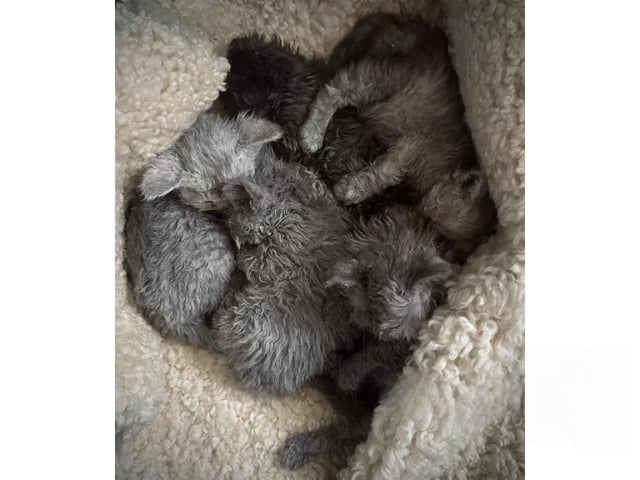
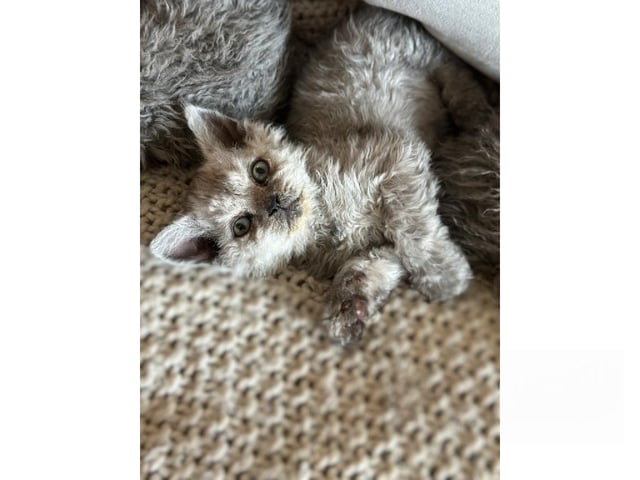
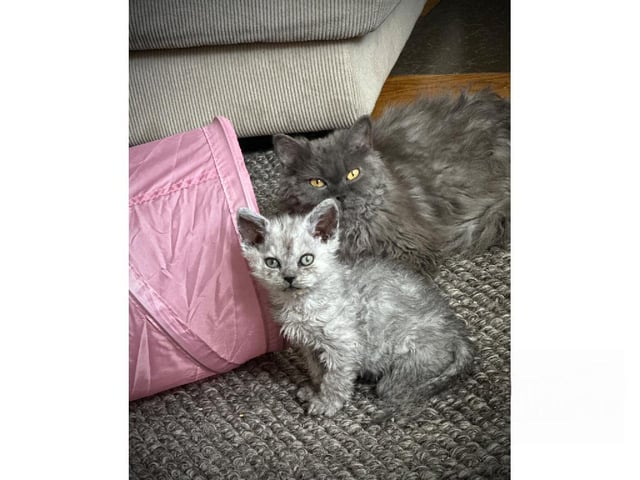
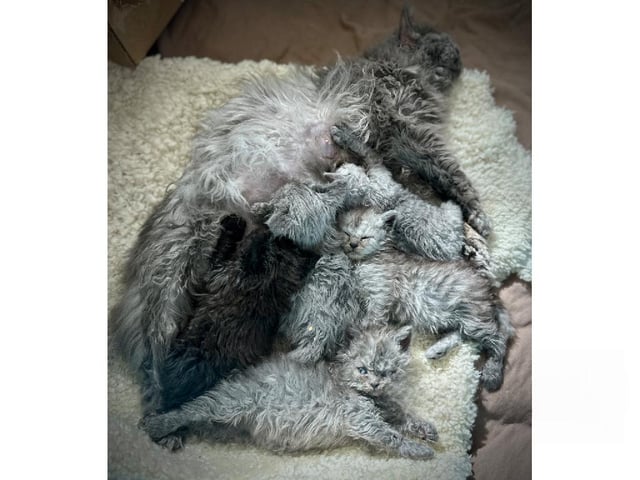
The Selkirk Rex Longhair is a sturdily built cat with soft, loose curls and an often calm, sociable nature. The longhaired variety has particularly noticeable fur around the neck and on the tail. Beneath that woolly appearance is a muscular cat that needs both activity and care. This breed suits someone who enjoys close companionship and is willing to learn how to care gently for a curly coat.
- Size: Medium to large, with substantial bone, a muscular body and large, round paws.
- Activity level: Moderate, with a need for daily play and exercise, even in quieter individuals.
- Grooming: Regular checks and gentle grooming of the long, curly coat. Adjust the routine to suit the coat’s needs.
- Life expectancy: The GCCF gives around 15 years as a general guide for the Selkirk Rex.
- Best suited to: An owner who can provide companionship, appropriate activities and attentive coat care.
The Selkirk Rex comes in both shorthaired and longhaired varieties. The longhaired variety is known as SRL within FIFe. Straight-coated cats are also part of the breed’s breeding programme, so always check the cat’s registration and description. Ask the breeder how the coat develops and what care that particular cat is used to, rather than relying on a photograph of another individual.
¶Appearance and coat
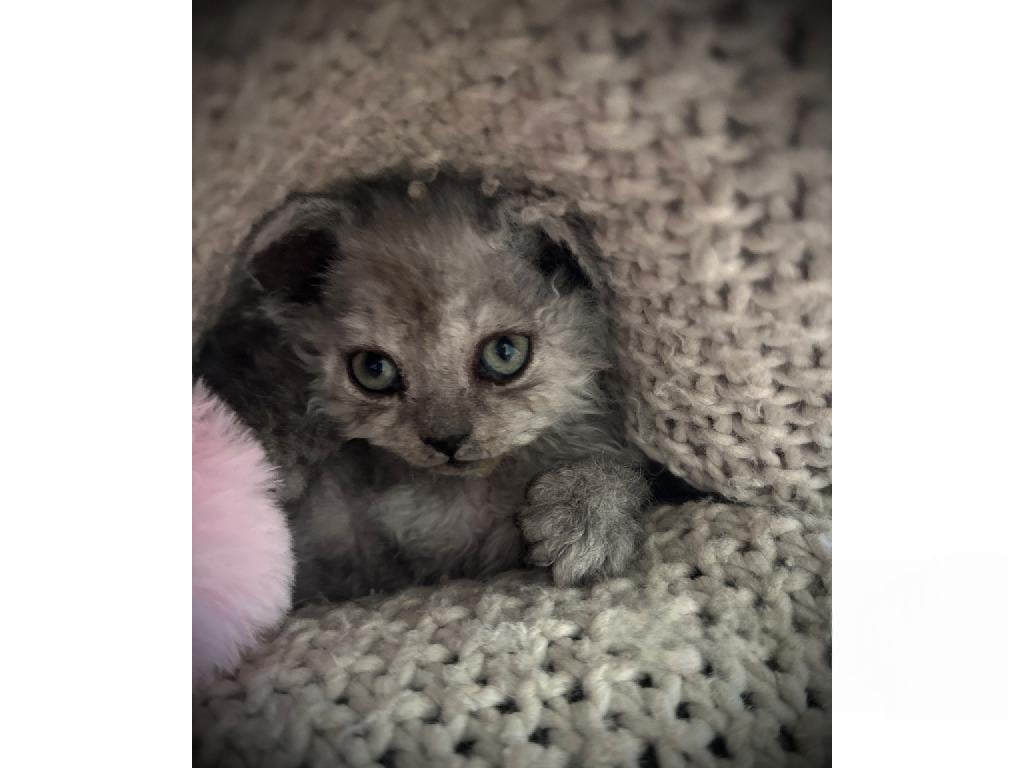
The Selkirk Rex should feel solid and well muscled. The body has a broad chest and substantial bone, with medium-length legs and round paws. The back is level, and the tail is medium in length and tapers towards the tip. Its compact, soft appearance should be balanced and allow free movement. The breed should not need to be overweight to look sturdy.
The head is broad and rounded, with full cheeks. Prominent whisker pads give the muzzle a somewhat square appearance, while the head itself is round. The eyes are large and open, and the ears are medium-sized and set wide apart. The muzzle should be clearly visible in profile; an extremely flat face is not what the standard describes.
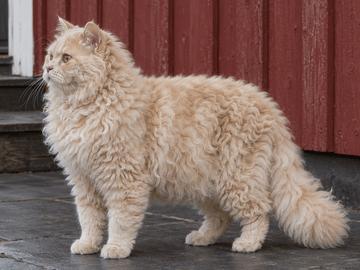
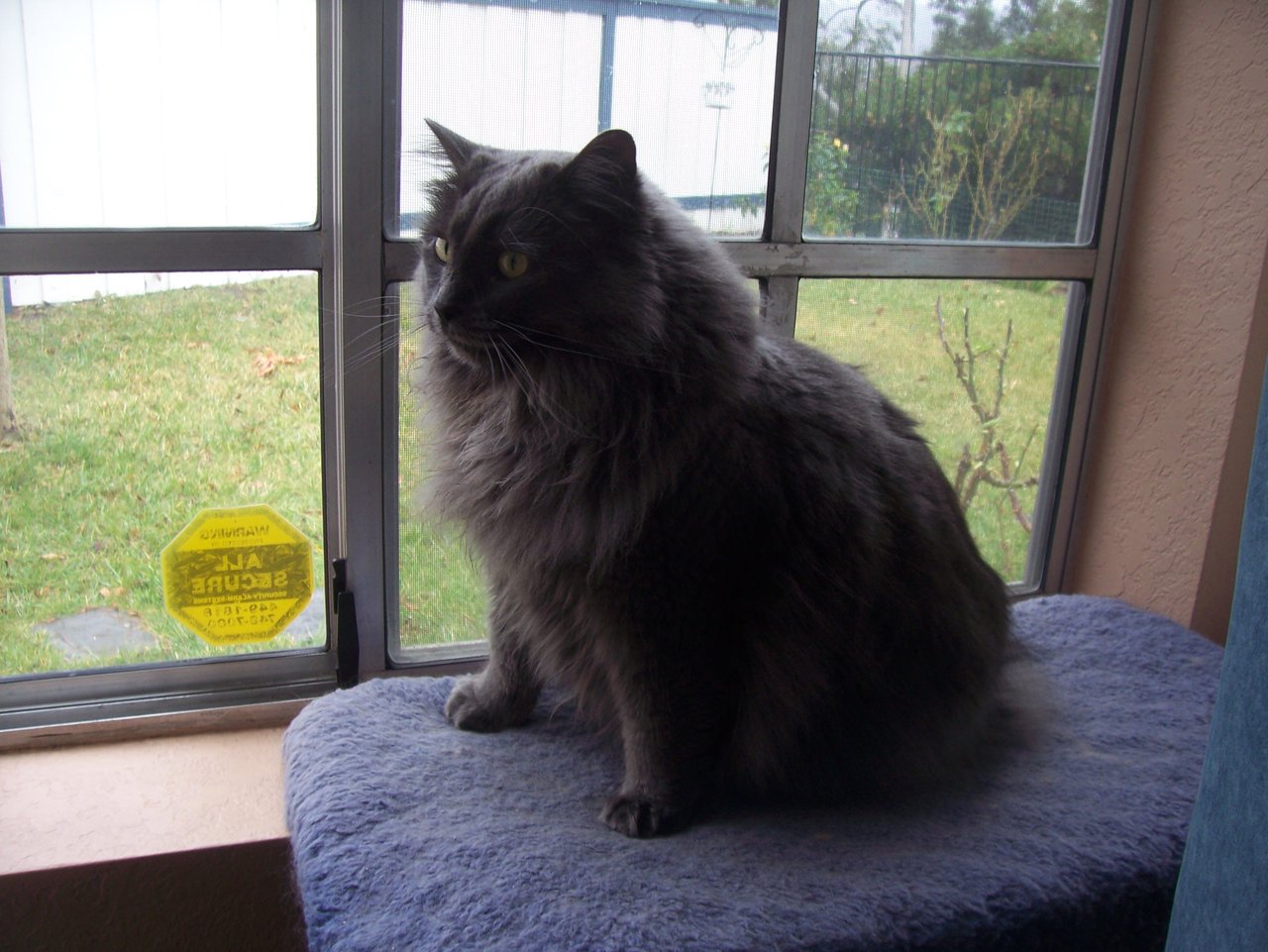
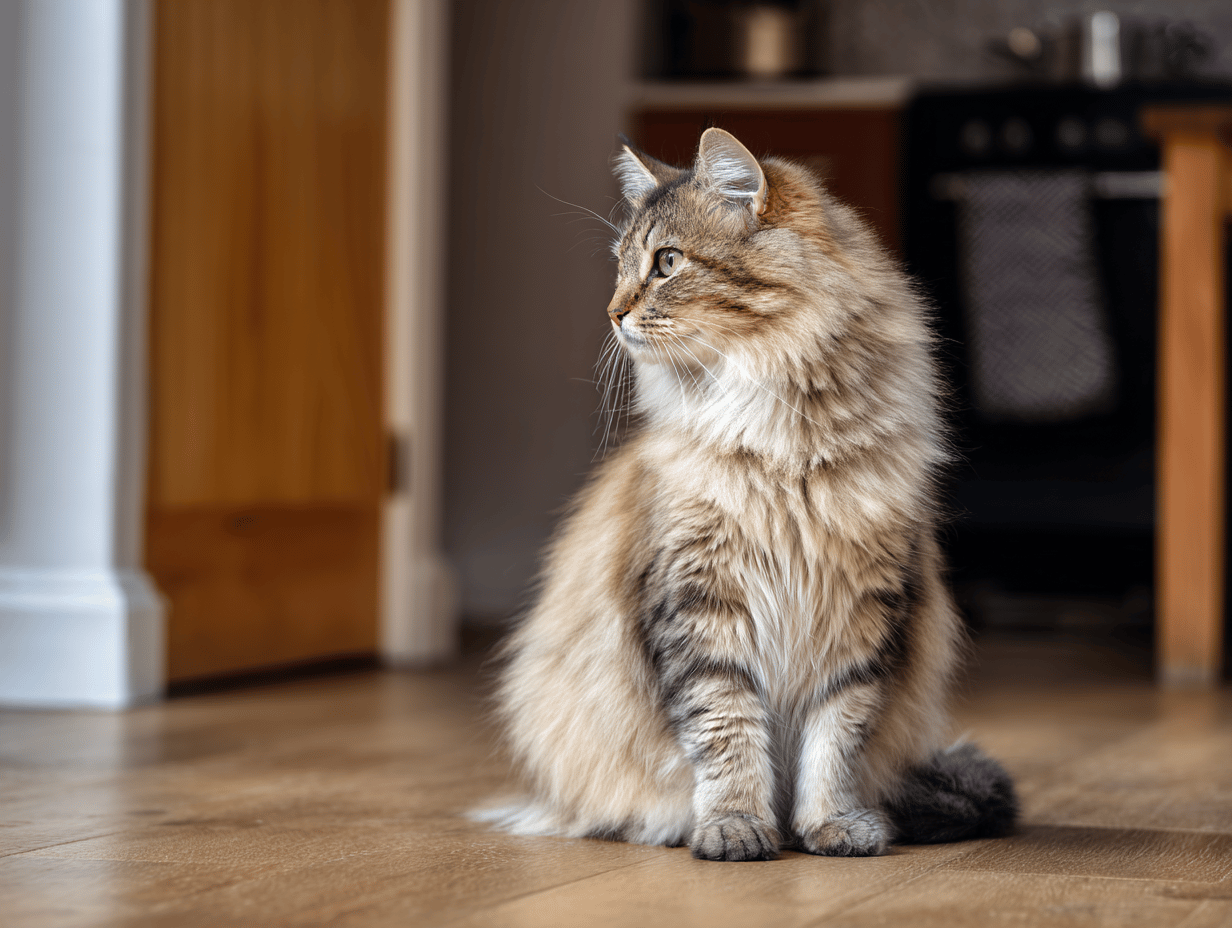
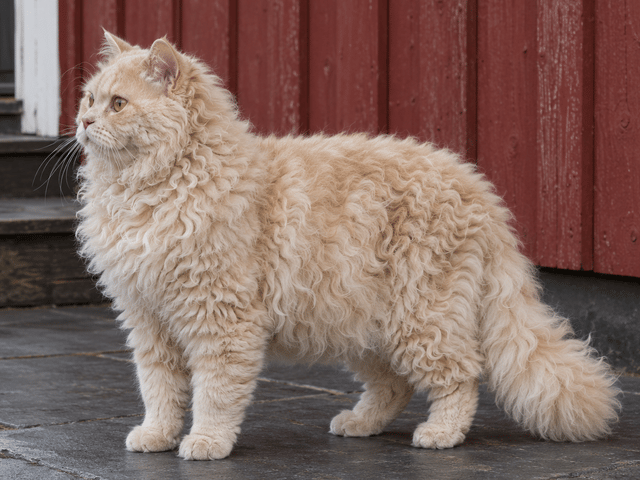
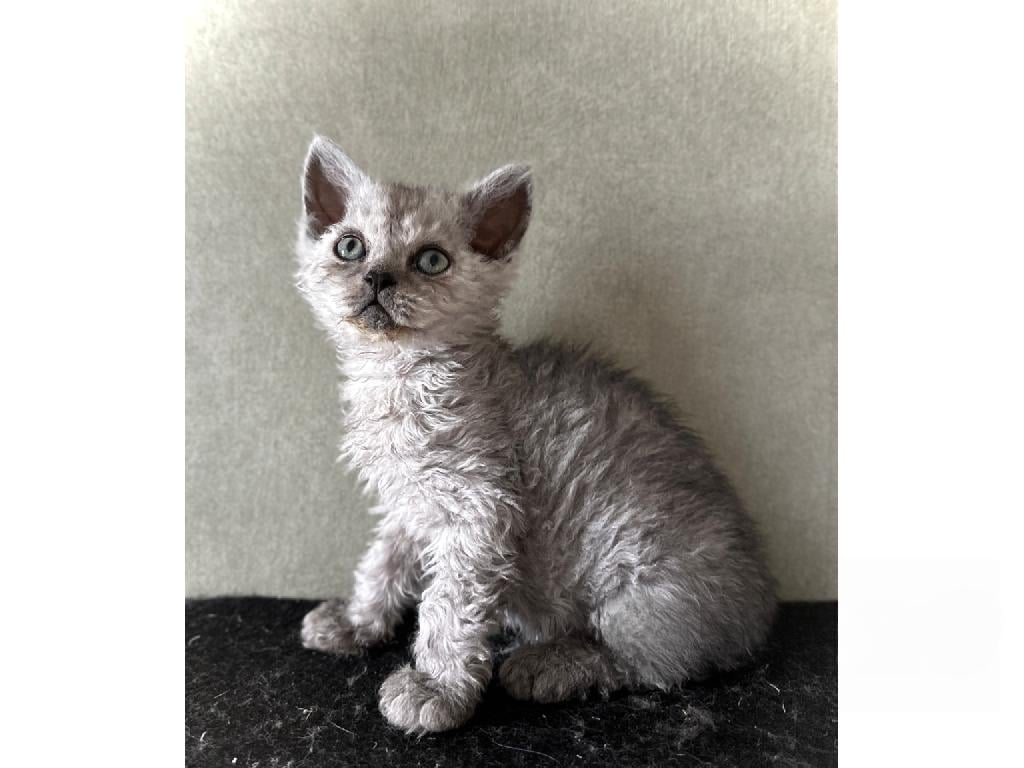
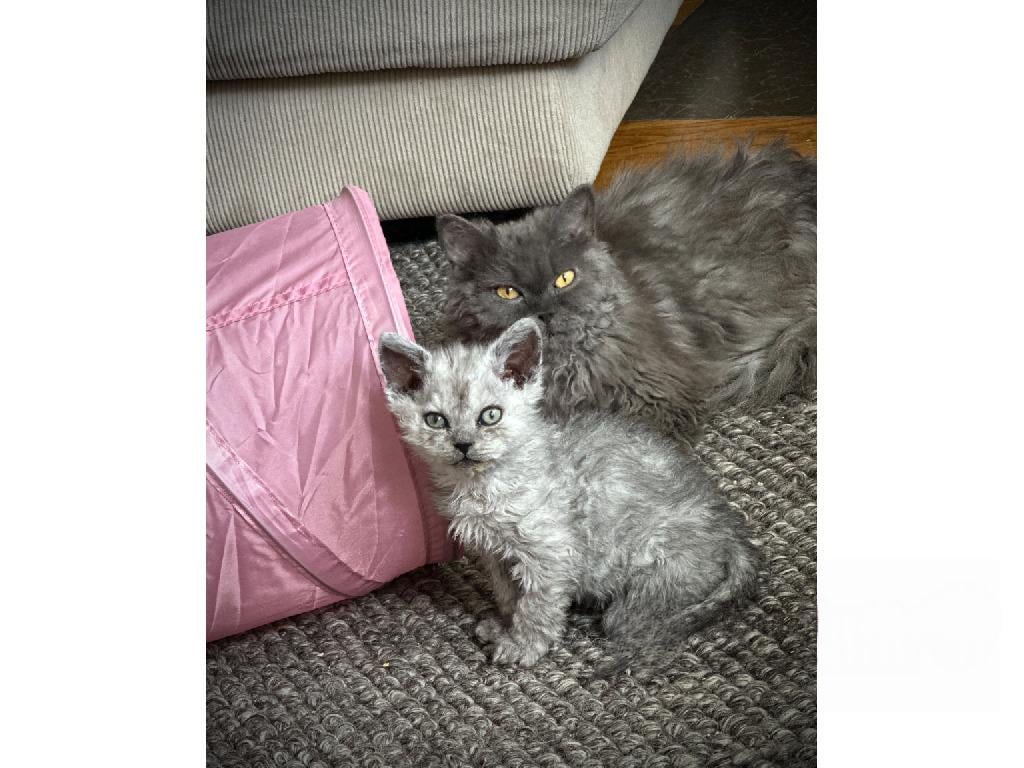
The coat is dense, soft and distinctly curly, with individual curls arranged irregularly. In the longhaired variety, it is medium in length, and the tail forms a plume. The curls may be particularly noticeable around the neck, on the belly and on the tail. The coat and curls can change with the seasons and as the cat matures. A young cat’s coat may therefore look different from its adult coat.
Work through the coat without tugging at the curls or pulling the skin. Watch for areas where the fur is becoming compacted, and ask the breeder to demonstrate suitable tools and techniques. A naturally tousled coat should not be confused with mats or dirt. If the coat becomes greasy, the skin becomes irritated or the cat stops grooming itself, its care routine and any underlying problems need to be assessed.
¶Temperament and personality
The Selkirk Rex is often described as friendly, calm and interested in human company. Many enjoy being close to their family without constantly being on the go. However, being calm does not mean a cat wants to be picked up or stroked at any time. Let it show you when it wants company and when it wants to rest.
The breed can also be playful and curious. A cat that enjoys sitting on your lap may still love chasing a toy or exploring a new box. Offer activities rather than letting a soft, quiet appearance become a reason for an inactive life. Pay attention to what your cat enjoys and introduce variety within those preferences.
A cat’s past experiences and home environment affect how well it settles in. Predictable routines, accessible resources and the freedom to choose how close to be are important for all cats. If your cat becomes less sociable, starts hiding or changes its habits, consider both its health and its environment. Such changes should not automatically be attributed to a calm temperament.
¶Training and exercise
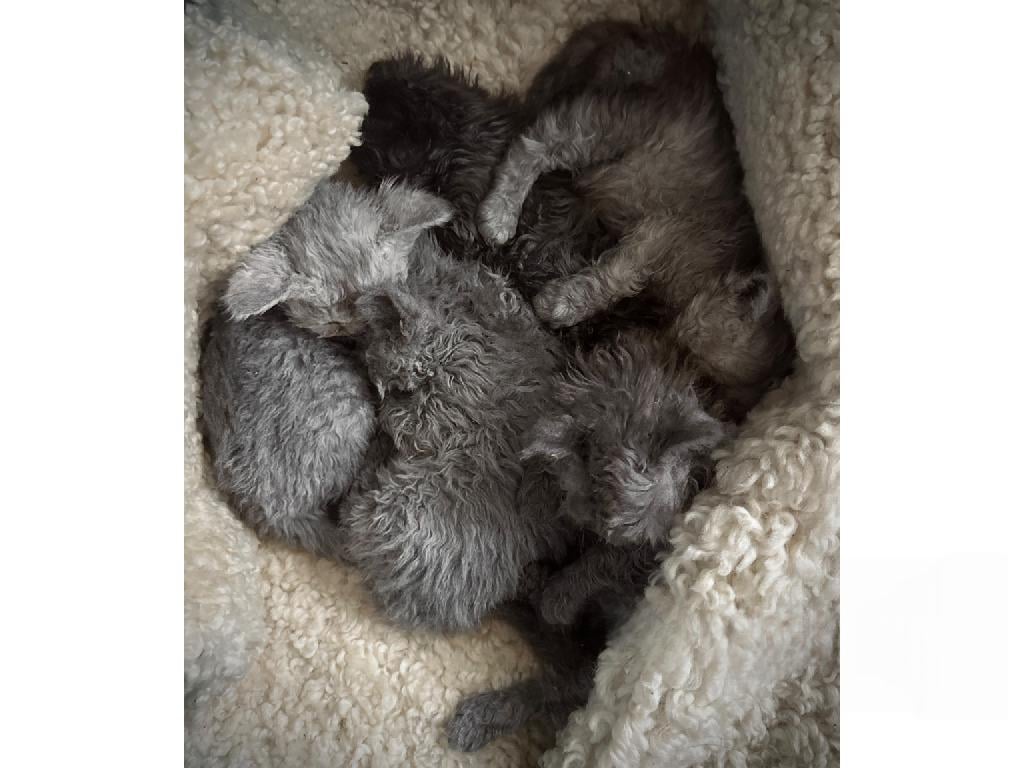
Provide daily opportunities for play tailored to your cat. Start with short sessions and let it stalk, follow and catch a toy. Some individuals enjoy plenty of movement, while others prefer gentler play with more breaks. The aim is to provide meaningful activity and keep the body moving without forcing a particular pace.
Sturdy scratching surfaces, easily accessible raised areas and safe routes between resting spots help your cat stay active even when you are not playing together. A food puzzle can be a useful addition if it is easy enough to use. Watch how your cat climbs up and down. Difficulty jumping or noticeable changes in movement should not be dismissed as simply part of being a heavy, laid-back breed.
Teaching your cat to feel comfortable with handling is particularly useful when its coat needs regular grooming. Reward small steps: looking at the comb, accepting a brief touch or allowing a paw to be handled. Practise going into the carrier before a vet visit is needed, too. Short, positive experiences make cooperation easier and help you recognise when something is genuinely painful.
¶Health
Ask about documented testing for polycystic kidney disease, or PKD. UC Davis describes PKD1 as an inherited disease involving kidney cysts, found in cats with Persian ancestry, among others. Persian ancestry is part of the Selkirk Rex’s breeding history. Ask to see the precise test result and the cat’s identity, and have the breeder explain how the parents’ results were assessed for the particular mating.
The heart condition hypertrophic cardiomyopathy, or HCM, is another topic to discuss. Breed organisations describe screening in light of the breed’s background. If the parents have been examined, ask to see the examination dates and reports. A normal ultrasound shows the situation at the time of the examination and should not be presented as lifelong proof that the cat can never develop heart disease.
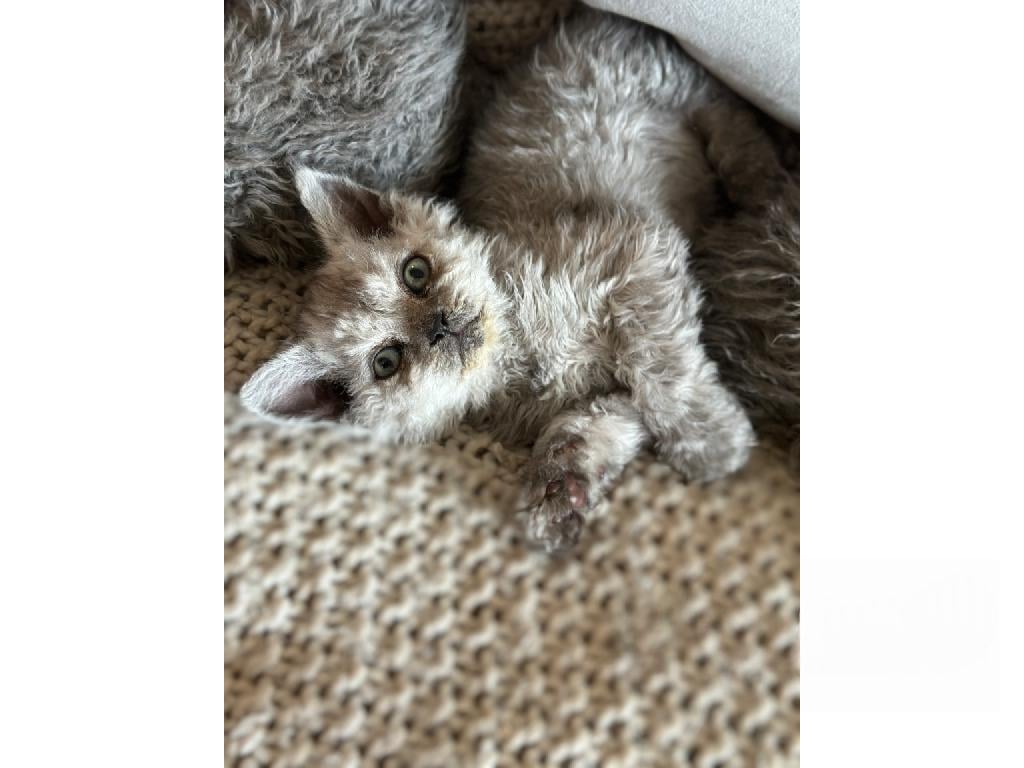
A curly coat does not make a cat free of allergens. The GCCF rejects the claim that the Selkirk Rex is hypoallergenic on this basis. If someone in the household has allergies, this needs to be investigated separately before buying a cat. Keep an eye on the skin and coat, too: natural curls should not mean that irritation, excessive greasiness or mats are accepted as normal.
Monitor body condition and choose a complete cat food suited to the cat’s age, activity level and health. The sturdy build can make it especially important to distinguish muscle from excess weight with a vet’s help. Dental health and preventive care also need to be part of everyday life. Respond to changes in appetite, thirst, weight or energy, regardless of how healthy the cat has seemed before.
¶History and origins
The Selkirk Rex originated in the United States in the late 1980s after a cat with a naturally occurring curly coat attracted attention in Montana. She became the foundation of a breeding programme through which the curls could be passed on. The breed was later developed in both shorthaired and longhaired forms. The curls are therefore an inherited trait, not the result of special styling.
Other breeds, including the Persian and British Shorthair, played a role in its development. This is one reason why it is relevant to ask about health information relating to its breeding background. Different registries have recognised the breed at different times and have their own registration requirements. The Selkirk Rex should also be distinguished from other Rex breeds with different builds and different types of curly coats.
¶Living with the breed
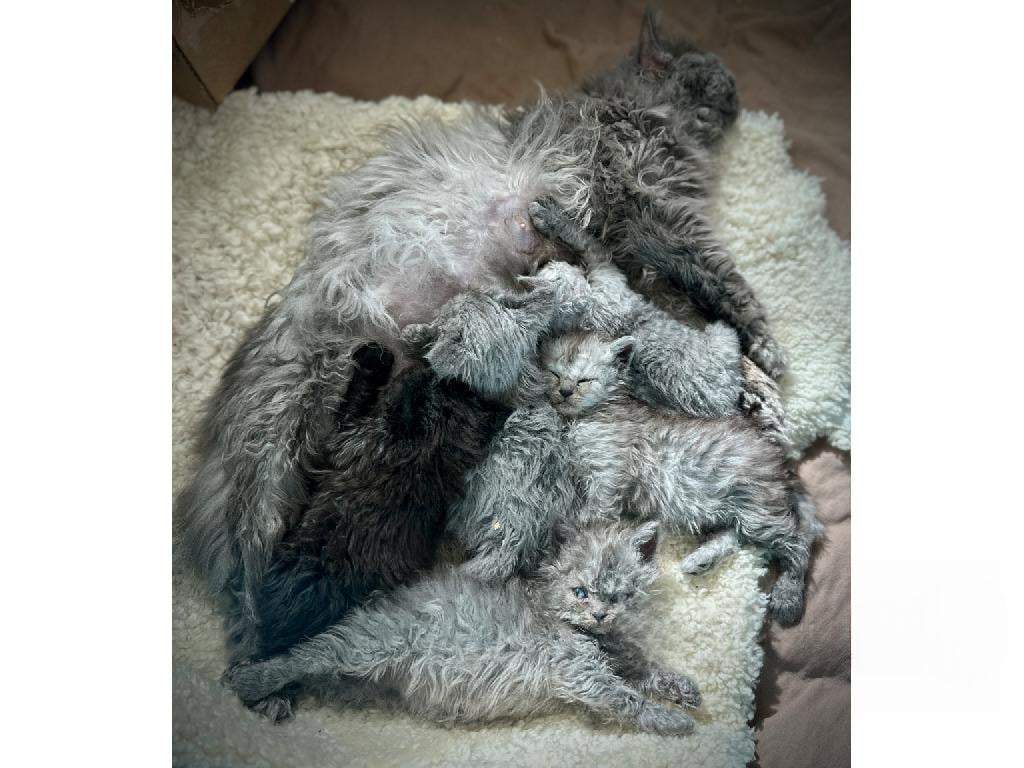
A Selkirk Rex Longhair needs a home where there is room for both companionship and coat care. Set up a comfortable place for short grooming sessions and learn which tools your cat accepts. Also provide resting places where it can be left completely undisturbed. Grooming is easier when handling feels safe and predictable, rather than only happening once a mat needs to be removed.
In a family with children, the children need help understanding the cat’s signals. Its soft appearance is no reason to treat it like a toy or cuddle it against its will. Let the cat choose contact and walk away when it needs to. An adult needs to take responsibility for both interactions and regular care.
Introductions to other cats should be gradual, with enough resources for everyone. Give each cat the chance to eat, rest and use the litter tray without having to pass close to another cat. Even a usually calm animal can feel cornered. When living with a dog, the cat must be able to get away and have places the dog cannot reach.
The breed can live indoors when the environment provides opportunities for play, scratching, exploration and rest. Adapt furniture arrangements and raised areas to the individual cat’s mobility. Access to a protected outdoor space can add variety, but it is no substitute for daily care. Notice what your cat actually uses and enjoys, and adjust the environment as it gets older.
Travel and long working days require a plan for care and coat checks. Give clear routines to anyone helping out, and explain any special needs or things to watch for. Providing food and water alone is not a sufficient plan. Someone also needs to check the cat’s wellbeing and be able to respond if it behaves differently.
Before buying, consider the cat’s family health history, its registration and how coat care will fit into your home. Ask about both curly-coated and straight-coated relatives when the breeder explains the breeding programme. If you appreciate the breed’s calm companionship and are willing to take responsibility for its distinctive coat, a Selkirk Rex Longhair can become a close and distinctive member of the family.
¶Characteristics
¶Frequently Asked Questions
¶Comparisons with Other Breeds
Compare Selkirk Rex Longhair with other breeds and see the differences in temperament, activity level, and care to make a confident choice. Show All Comparisons