
¶Table of Contents
¶Quick facts
The European, also known as the European Shorthair, is a shorthaired pedigree cat with roots in Europe’s naturally occurring cat population. The breed is sturdy and agile, with a balanced appearance and no extreme proportions. It is described as intelligent, playful and adaptable, but needs the same care as any other cat when it comes to security, activity and private resting places. How sociable and active an individual cat becomes also depends on its experiences and home environment.
- Size: Medium to large according to the FIFe breed standard, with a strong, muscular body. The standard does not specify a weight range.
- Activity level: Moderate but playful. Daily play sessions and opportunities to climb, scratch and explore are all part of a good routine.
- Grooming: Minimal. The short coat usually needs only a light brush about once a week, with extra help during shedding.
- Life expectancy: The Finnish breed club describes the breed as long-lived and states that cats often reach 15–20 years. This is not a guarantee for any individual cat.
- Best suited to: An owner who wants an inquisitive companion and can offer daily interaction, play and a safe, stimulating environment.
A European should have documented ancestry and a pedigree. A short coat and the appearance of a typical Swedish cat are not enough to establish that a cat belongs to the breed. Ask the breeder to show you the registration and explain the parents’ backgrounds. This distinction matters when you are looking for a specific pedigree breed, although a non-pedigree cat can, of course, be just as cherished a family member.
¶Appearance and coat
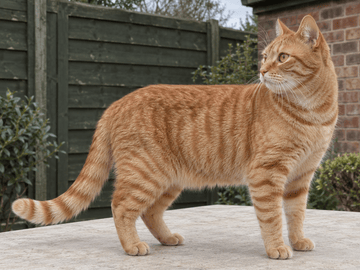
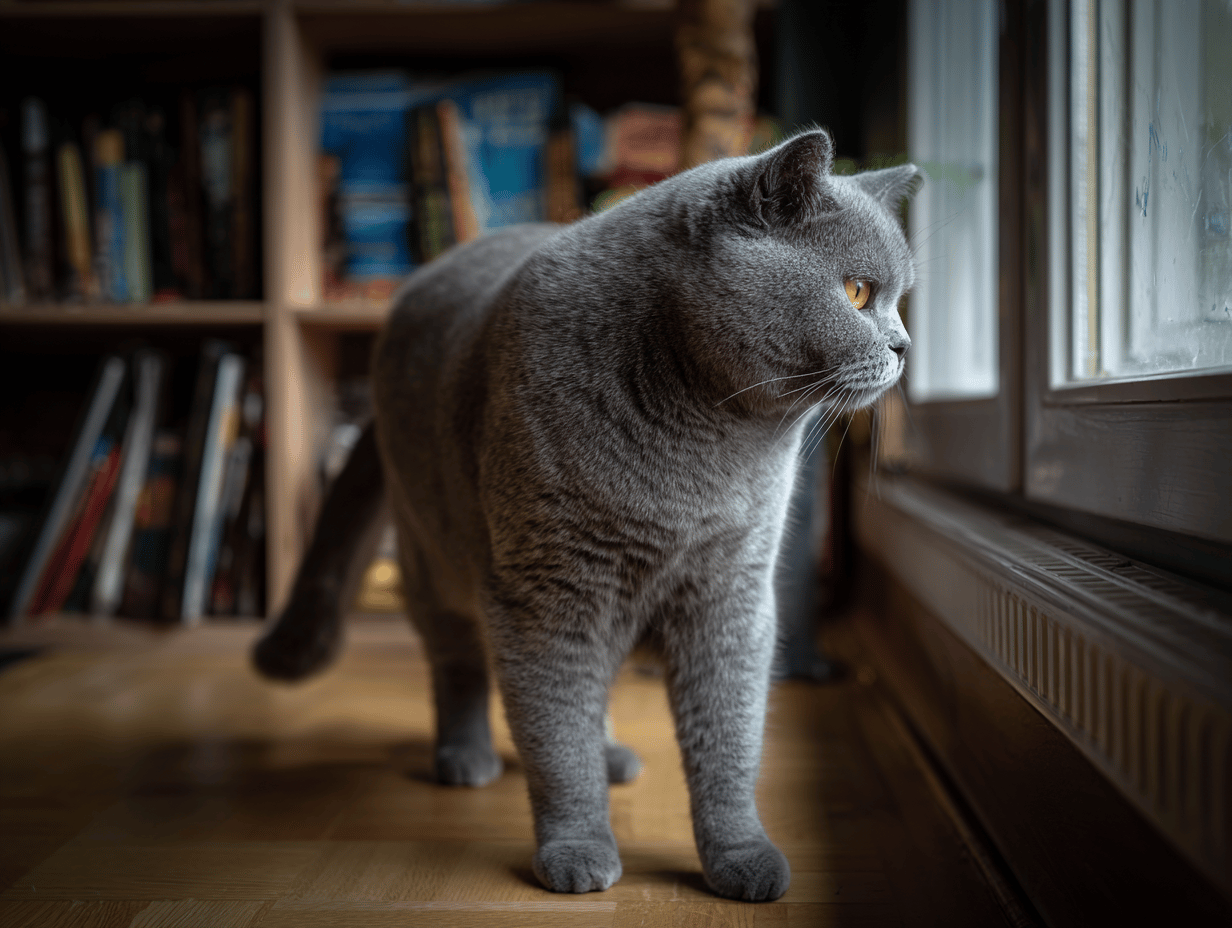
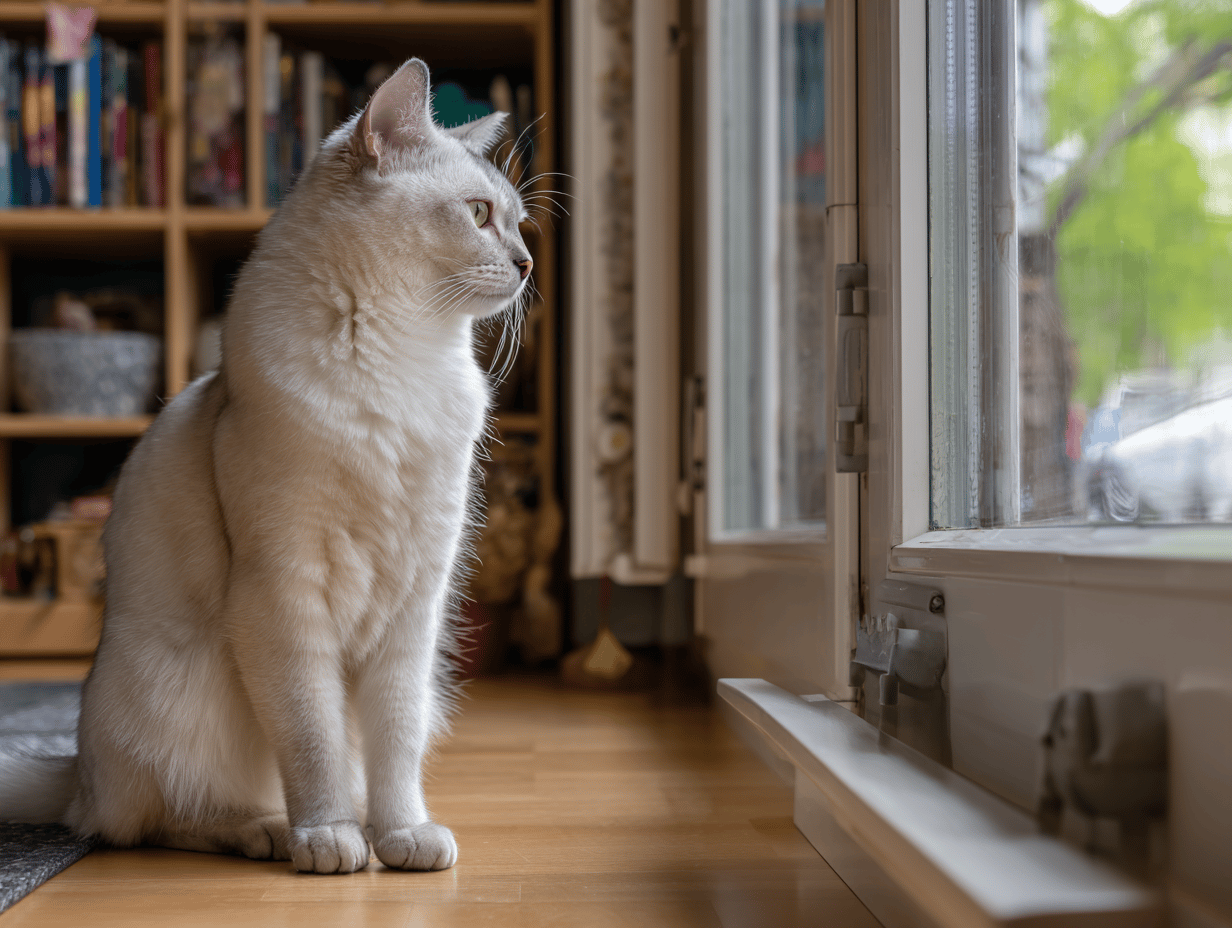
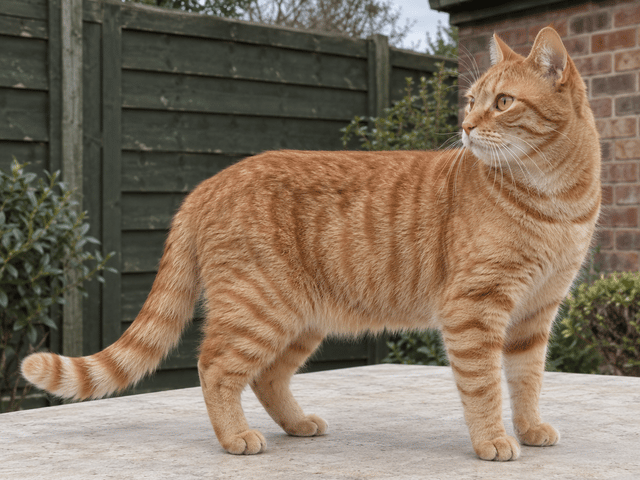
The European should have a natural, well-balanced appearance. Its body is strong and muscular, with a well-developed chest, yet remains agile. The legs are medium in length and sturdy, with firm, round paws. The tail is medium in length, fairly broad at the base and tapers to a rounded tip. The overall appearance should preserve the functional build of the European shorthaired cat rather than emphasise any single feature.
The head is fairly large and looks rounded, although it is slightly longer than it is wide. The cheeks are well developed, the chin is firm and the nose is medium in length and straight. The ears are medium-sized, set wide apart and slightly rounded at the tips. The eyes are open, rounded and set at a slight angle. These proportions work together to create the breed’s expression, and a photograph cannot replace documentation of a cat’s ancestry.
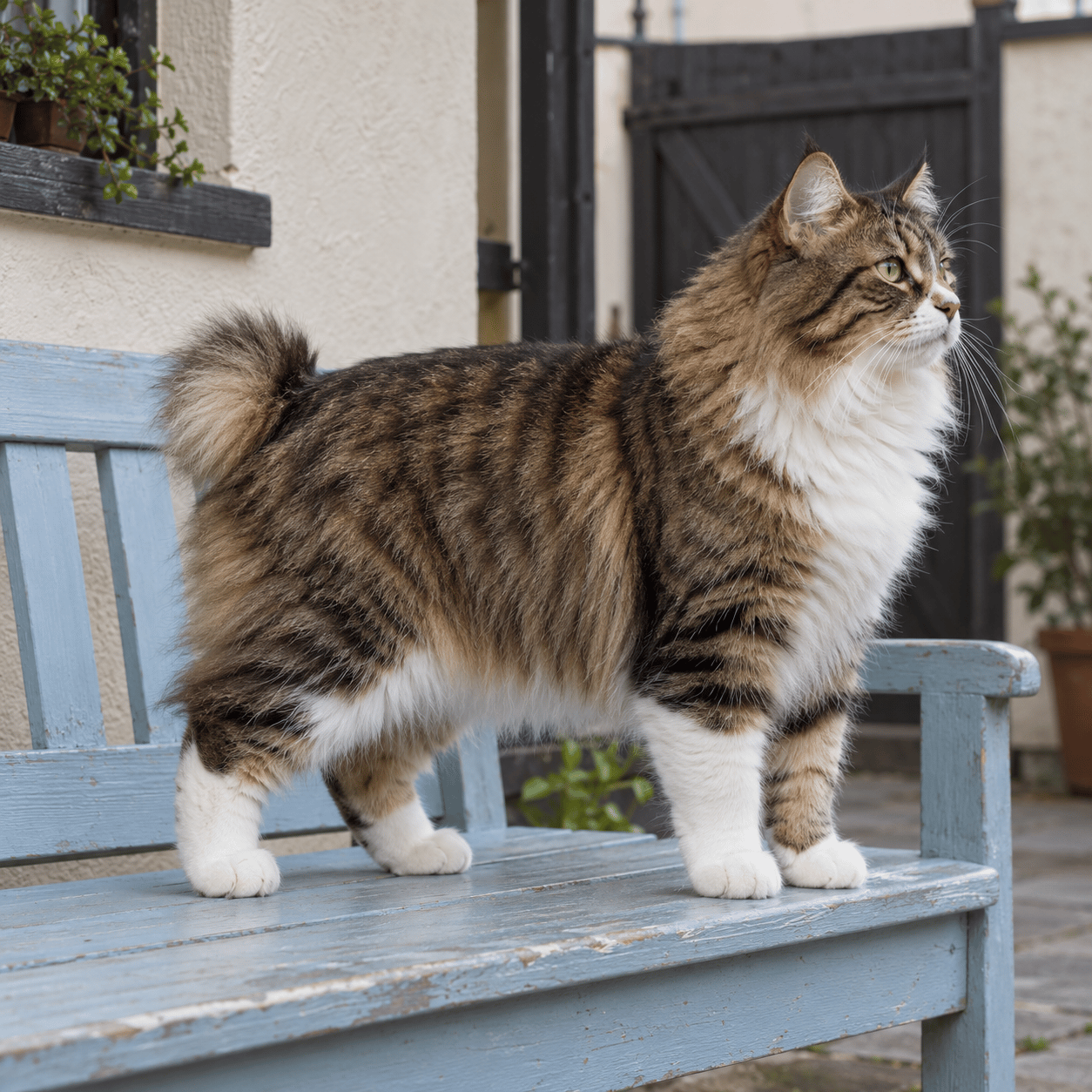
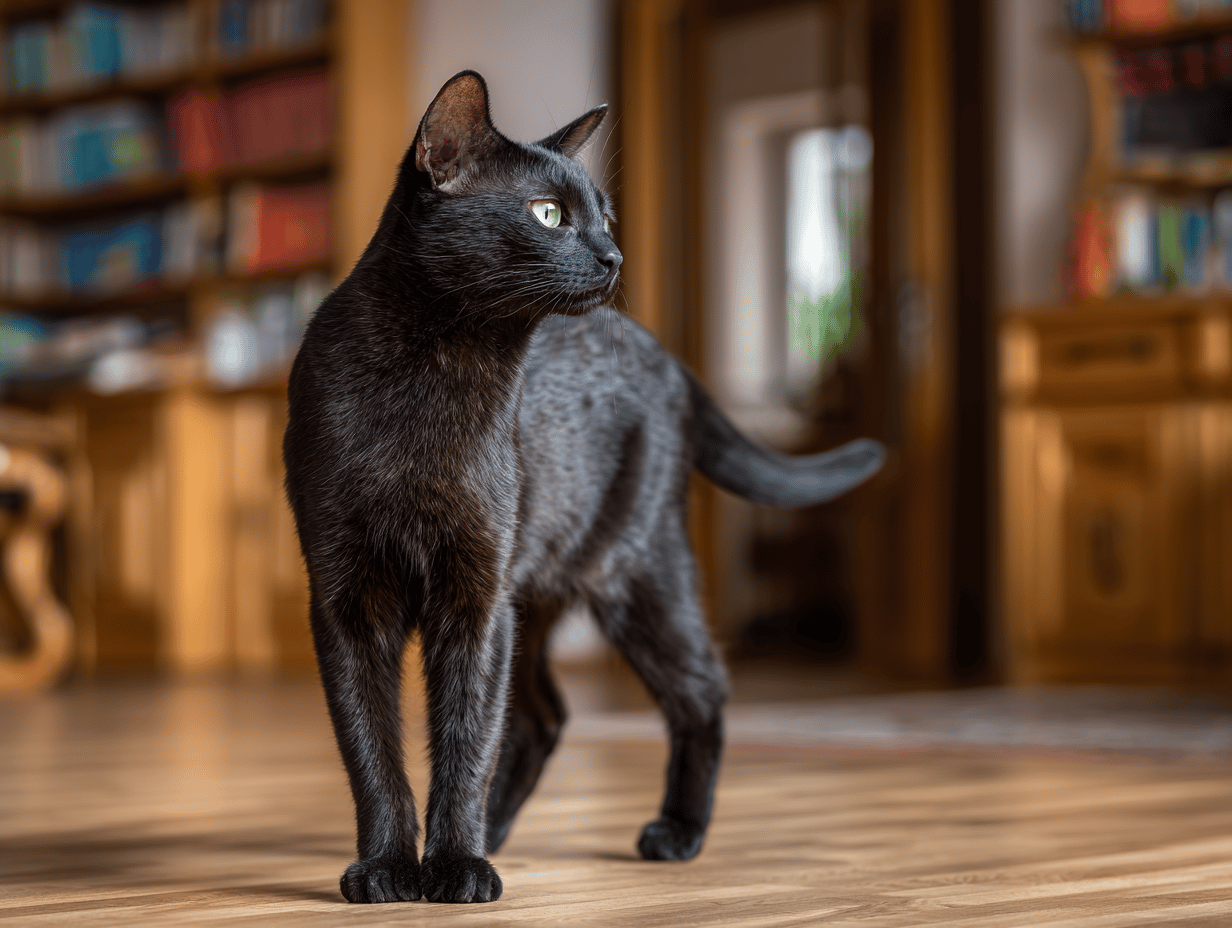
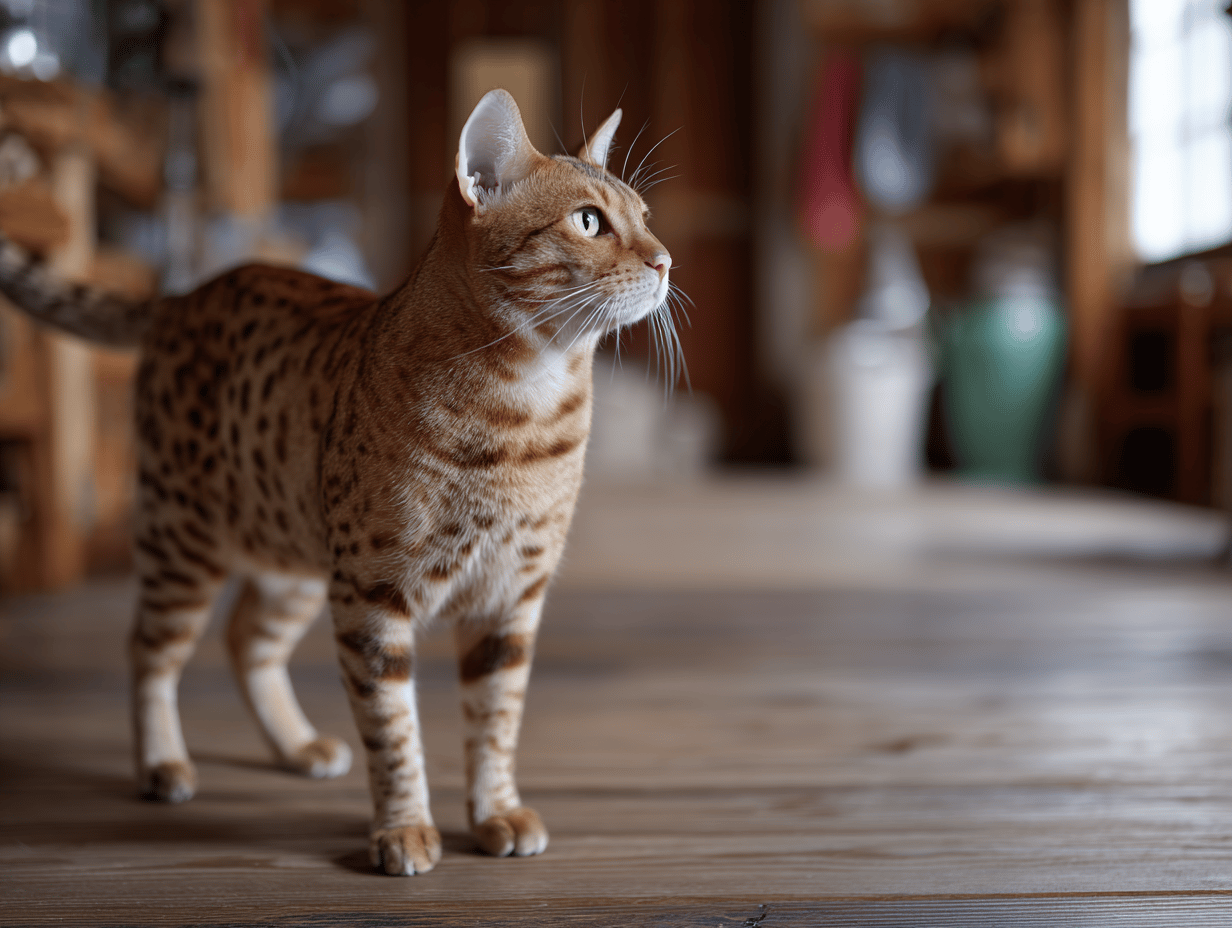
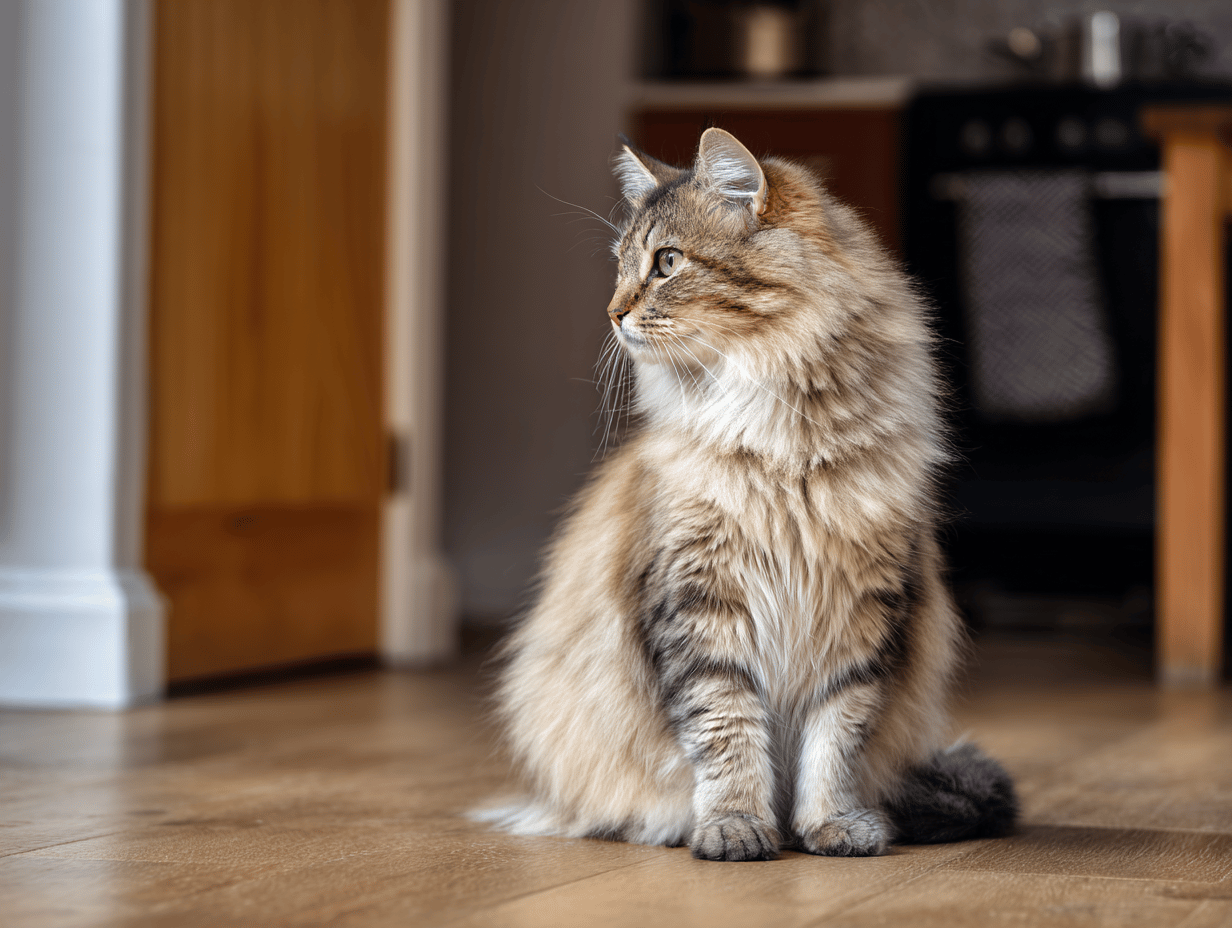
The coat is short, dense, glossy and springy. The breed comes in solid colours, tortoiseshell and various tabby patterns, as well as silver and smoke. White is permitted in certain colour combinations under the standard. Recognised colours and combinations are specifically defined, so describing the breed as coming in “all colours” is misleading. A long or woolly coat is not part of the breed type described in the FIFe standard.
Light brushing can help remove loose hair and provides an opportunity to spot changes in the skin. Introduce the brush in short sessions and stop before your cat becomes irritated. Check the claws, ears and mouth regularly too. If your cat suddenly stops grooming, develops bald patches or shows pain when touched, the cause needs to be investigated, even if its coat is normally easy to care for.
¶Temperament and personality
FIFe describes the European as intelligent, playful, even-tempered and adaptable. Many enjoy being wherever their family is, alternating between activity and quieter companionship. This does not mean that every European wants to be carried or sit on a lap. Learn how your own cat seeks contact and allow it to end an interaction whenever it chooses. An affectionate bond can look different from one cat to another.
Cats need opportunities to satisfy their curiosity every day. A box to investigate, a safe lookout spot or a toy that moves like prey can offer something to explore. Vary what is available to suit your cat’s interests. The Finnish breed club highlights the breed’s playfulness and involvement in family life, but it is wise to observe the individual rather than expect a particular behaviour.
Feeling secure also depends on being able to choose how close to be, rest undisturbed and access resources without competition. Food, water, litter trays, scratching surfaces and resting places should be positioned with the cat’s needs in mind. These are general feline needs, not traits specific to the European. If your cat starts hiding more, avoiding contact or changing its habits, consider both its health and its environment rather than attributing the change to the breed’s personality.
¶Training and exercise
Give your European opportunities for several short play sessions throughout the day, adjusting the pace to its age, health and interests. There is no set number of minutes that suits every cat. Some like to stalk for a long time before pouncing, while others quickly switch from resting to hunting games. Climbing areas, stable scratching surfaces and clear routes between favourite spots make it easier to stay active between shared play sessions.
Toys that imitate small prey allow cats to stalk, chase, jump and catch. Move a wand toy away from your cat or behind an object, and let it catch the toy from time to time. Use toys rather than hands and feet. A simple food puzzle can provide another activity, but adjust the difficulty so your cat can succeed. Put away strings and other toys that could pose a risk once playtime is over.
Reward-based training can also make everyday life easier. Learning to enter a carrier willingly is a particularly useful goal. Leave the carrier out in a quiet place with a familiar blanket and reward your cat for exploring it. Once your cat feels comfortable, gradually practise short periods with the door closed. Return to an easier step if it becomes anxious. The same gentle approach can be used to introduce brushing and other handling.
¶Health
The Finnish breed club describes the breed’s overall health as good and reports that it is not aware of any breed-specific hereditary health problems. This reflects the information available to the club; it is not a promise that European cats have no inherited risks or never become ill. Ask the breeder about the parents, older relatives and any recurring problems. Also ask which examinations have been carried out and why.
Before buying, review the pedigree, veterinary examination report, vaccination records and any additional health results. A test must always be linked to the correct cat and understood in terms of what it actually tests for. The Finnish club’s breeding programme emphasises monitoring health and genetic diversity, but its guidelines should not be confused with Swedish registration requirements. Ask the breeder and the relevant cat organisation to explain which rules and recommendations apply.
Oral health needs attention even in a cat that appears healthy. Gingivitis, periodontal disease and tooth resorption occur in cats generally and should not be described as diseases specific to the European. Introduce dental care gently and ask your vet to show you what is appropriate. Bad breath, drooling, changes in chewing or reluctance to eat can indicate problems that need examination. Toothbrushing does not replace a veterinary assessment when symptoms occur.
Choose a complete cat food suited to your cat’s life stage and health, and monitor its body condition over time. A muscular breed description is no reason to allow a cat to become overweight. Adjust portions to the individual and include treats and food used in training when calculating its intake. Make sure fresh water is always available and plan preventive care, including vaccination, with your vet. Seek advice if there are noticeable changes in appetite, weight, energy or everyday behaviour.
¶History and origins
The European descends from Europe’s naturally developed shorthaired cats. Organised breeding gained an important foundation in Sweden during the 1940s, with the aim of preserving their sturdy, balanced type. The breed is among the early breeds within FIFe, which was founded in 1949. Breeding efforts have had strong roots in the Nordic countries, particularly Sweden and Finland, and focus on preserving the cat’s natural overall form.
Historically, the European and the British Shorthair were judged under shared standards despite differences in type. In the early 1980s, their standards became more clearly separated. Today’s European should retain its own build and expression and should not be confused with the British Shorthair, the European Burmese or European domestic cats in general. Nor do the breed’s ancient roots mean that all shorthaired cats in Europe belong to it.
¶Living with the breed
A good home for a European offers opportunities both to join in and to retreat. Provide comfortable resting places, hiding spots and elevated areas where your cat can survey its surroundings. Let it choose when it wants to be close. Predictable routines and calm, positive interactions help make daily life feel understandable. An active household can work well as long as the cat also has time to rest and control over its own space.
In families with children, adults need to help children read the cat’s signals and respect its choice to move away. Let the cat initiate close contact and avoid holding it still because someone wants to stroke it. An undisturbed resting place should be available even when children have friends visiting. Playing together with a suitable toy can be a lovely way to interact, with an adult guiding younger children.
Living with other animals can work, but the breed name does not determine whether individuals will get along. Introduce a new cat gradually, giving it a separate space at first and an opportunity to become familiar with the other animal’s scent before meeting. Provide several separate resources so that neither cat has to pass the other to reach food or a litter tray. When meeting a dog, the cat needs safe escape routes. Adjust the pace to both animals’ reactions.
The European can live as an indoor cat when the home offers enough stimulation and opportunities for natural behaviour. Consider how your cat can use vertical space and enjoy a variety of activities. An escape-proof outdoor enclosure can provide additional experiences, but outdoor access does not replace interaction and care. Take the individual cat’s experiences into account when planning its living arrangements, especially if it previously had a different lifestyle.
Also plan how your cat will be cared for while you are at work or away travelling. Daily play and interaction need to fit alongside feeding, providing water, cleaning litter trays and monitoring your cat’s wellbeing. Spending some time playing independently does not mean a cat can be left without regular care. Arrange reliable care that takes account of your cat’s routines and its response to change.
Before buying, it is worth discussing three things thoroughly: the cat’s documented background, health within its family and the daily life the breeder believes would suit that individual. Explain your circumstances, including children, other animals and your home environment, from the outset. When the cat’s temperament and needs are a good match for your household, you have the best opportunity to enjoy the European’s combination of natural feline character, playful curiosity and close companionship.
¶Characteristics
¶Frequently Asked Questions
¶Comparisons with Other Breeds
Compare European with other breeds and see the differences in temperament, activity level, and care to make a confident choice. Show All Comparisons