
¶Table of Contents
¶Quick facts
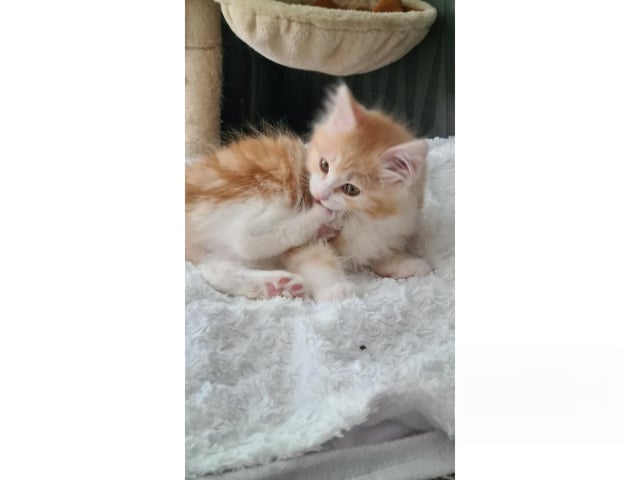
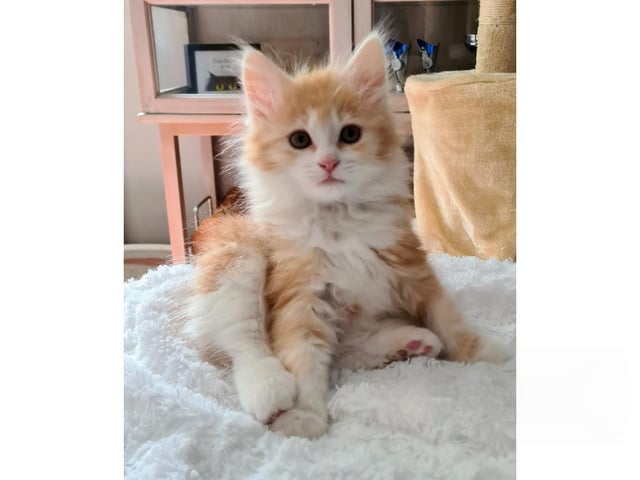
The Kurilean Bobtail Longhair is a strong, agile cat with a naturally short tail that often resembles a small pom-pom. The breed comes from island regions in eastern Russia and is described as intelligent, friendly and curious. Its long coat and compact body give it a rugged appearance, but everyday care should reflect the needs of a companion cat that wants to play, explore and rest in safety.
- Size: Medium to large, with strong bone structure, a compact body and well-developed muscles.
- Activity level: Moderate but playful, needing daily exercise and access to safe elevated spaces.
- Grooming: Regular brushing, often around once a week as a starting point, adjusted to suit the coat and shedding.
- Life expectancy: TICA lists 15–20 years as a general breed guideline, not a guarantee for an individual cat.
- Best suited to: Someone who enjoys a curious cat and can provide companionship, play and gentle care.
The breed comes in both shorthaired and longhaired varieties. FIFe uses the spelling Kurilean Bobtail and the code KBL for the longhaired variety, while TICA uses Kurilian. Check the registration details when choosing a cat. A short tail does not make the cat a Manx or a Japanese Bobtail; these are separate breeds with their own standards.
¶Appearance and coat
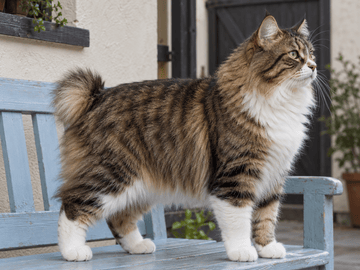
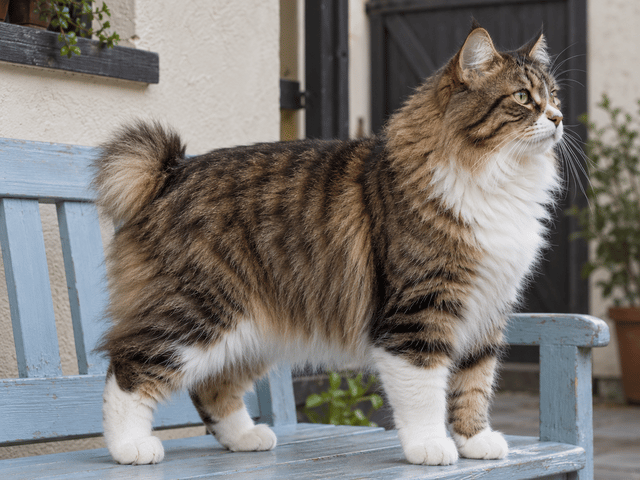
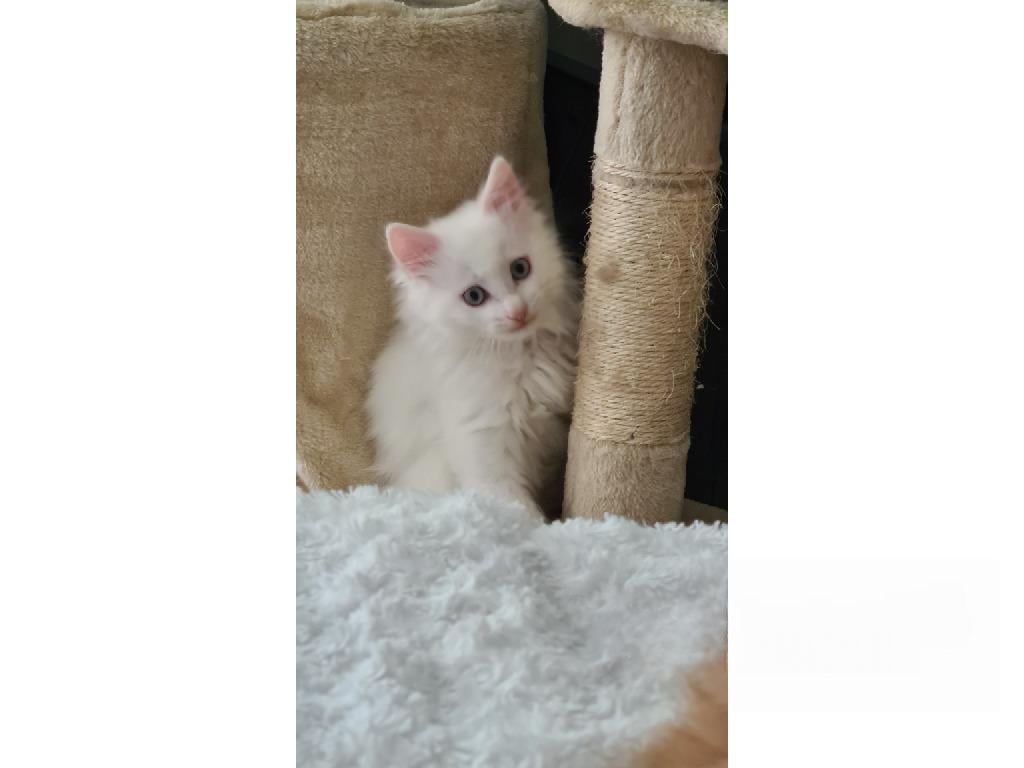
The Kurilean Bobtail Longhair has a compact, well-muscled body and a broad chest. The hind legs are slightly longer than the front legs, giving the hindquarters a slightly raised appearance. The legs are sturdy and the paws round. The overall build should combine strength and agility, with balanced proportions. Neither excess weight nor a very thick coat is a reliable indication of how powerfully built the cat actually is.
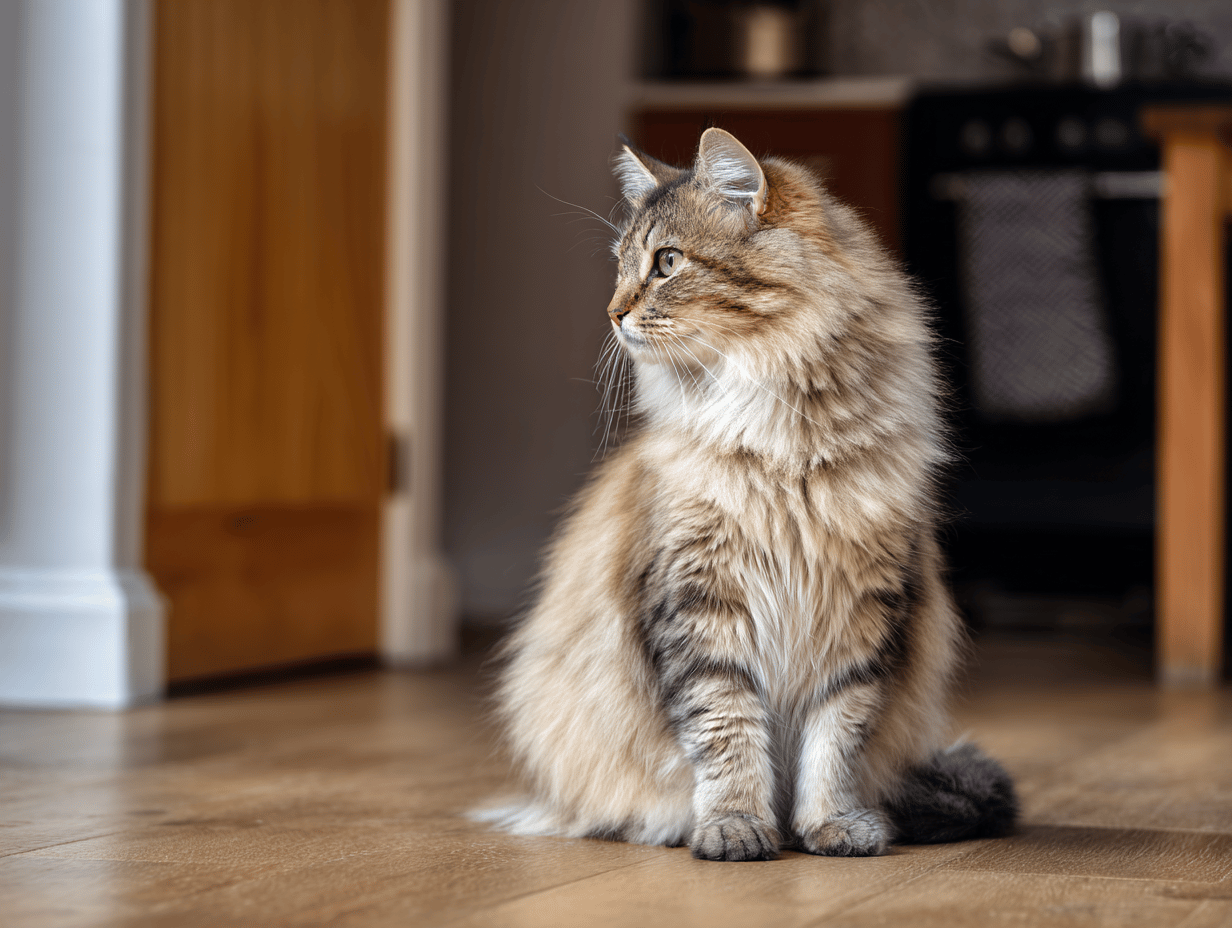
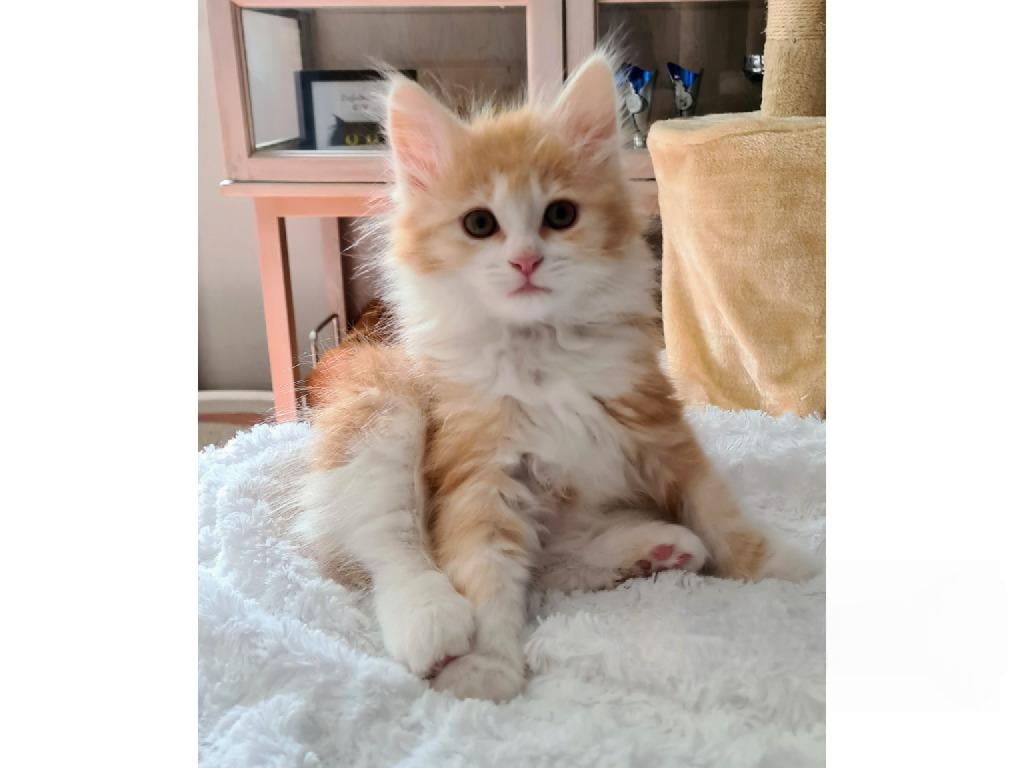
The head is large and broad across the cheekbones, with rounded contours and a well-defined muzzle. The ears are medium-sized, set wide apart and tilted slightly forwards. The longhaired variety may have longer hair inside the ears and tufts at the tips. The rounded eyes are set wide apart at a slight angle. The overall impression should be balanced rather than exaggerated.
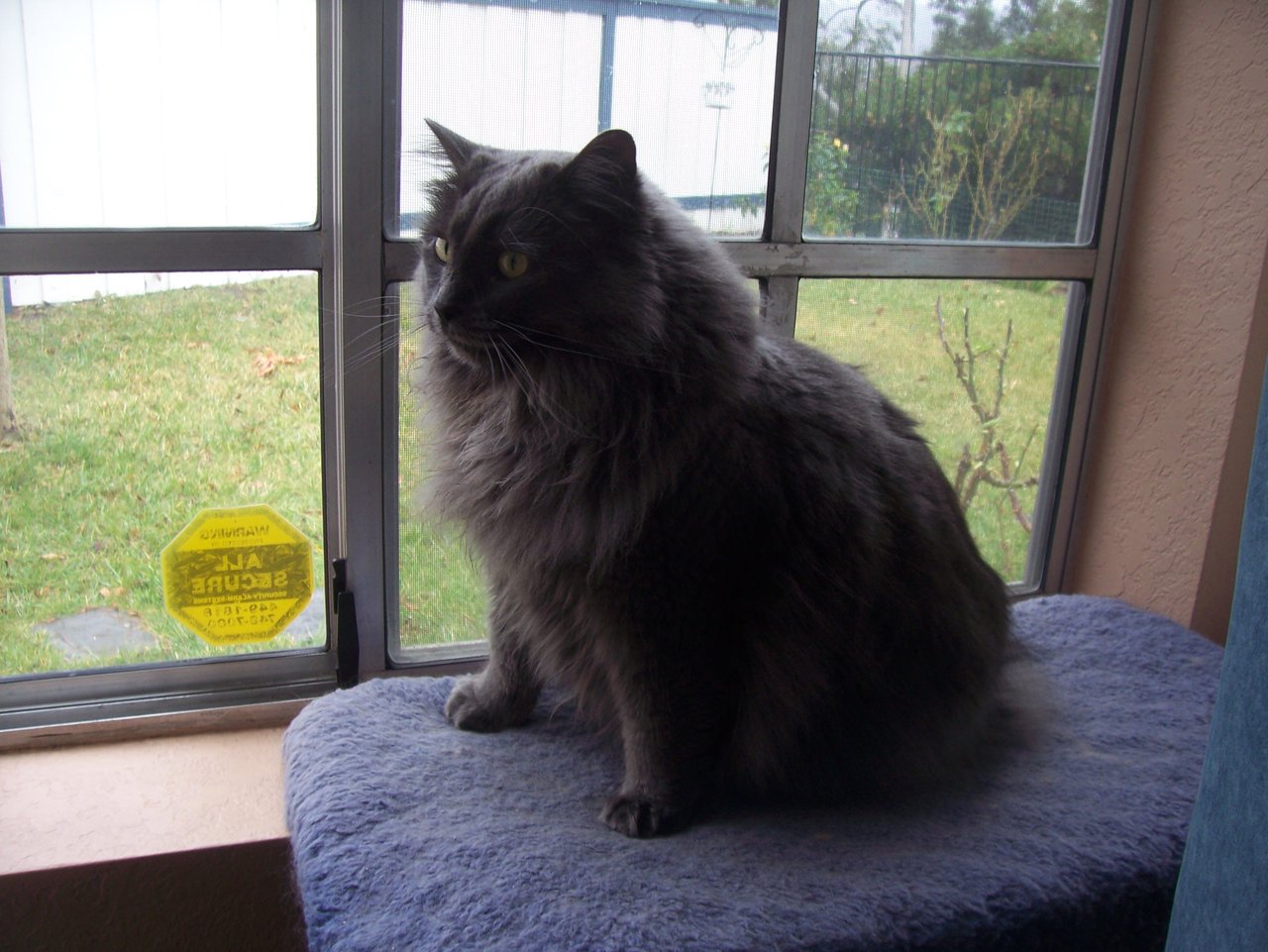
The tail is the breed’s most distinctive feature. According to FIFe, its visible length, excluding the coat, is 3–8 cm, and it can have various combinations of angles and bends. The coat makes it look fuller than the tail itself. The longhaired variety has a medium-length coat, including a ruff and longer hair on the hind legs. Tail shape and coat length therefore need to be assessed separately.
Brush gently and check for areas where the coat is becoming denser or starting to mat. Pay attention to places the cat finds harder to groom, without pulling on the tail or long hairs. Ask the breeder to demonstrate the usual grooming routine. Skin irritation or a sudden change in grooming habits needs attention and should not be overlooked because of the breed’s naturally tousled appearance.
¶Temperament and personality
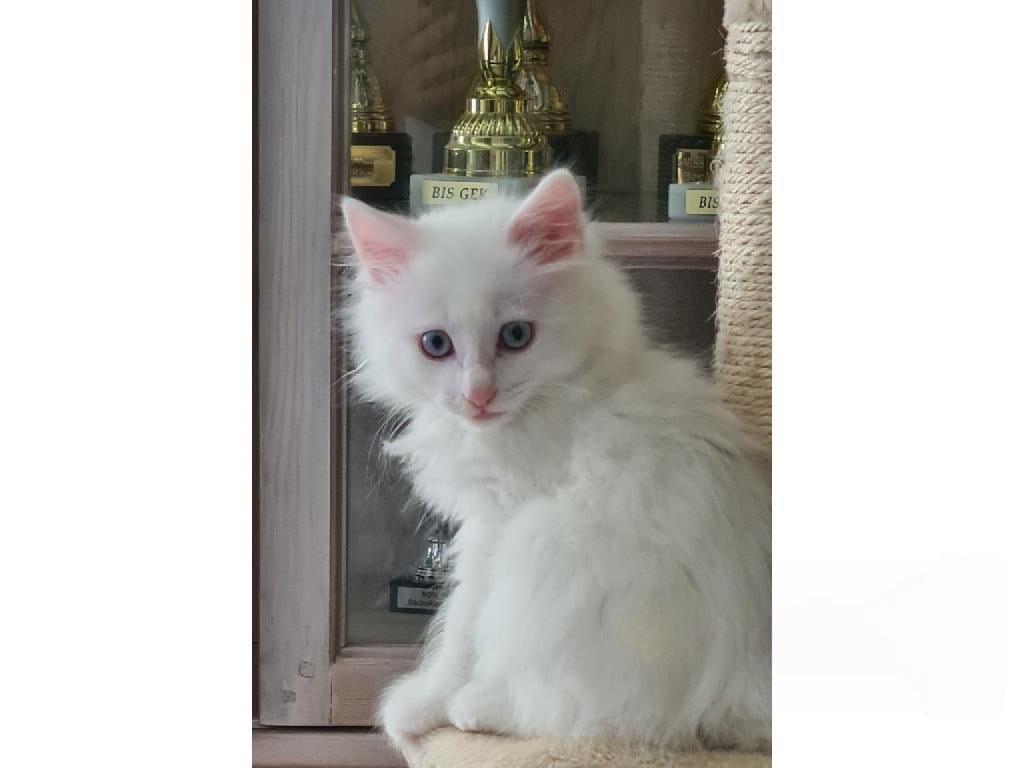
The breed is described as friendly and intelligent, and many enjoy seeking out their family’s company. These cats may be curious about what is happening around them and enjoy watching everyday life from a good vantage point. How much an individual cat wants to be stroked, carried or sit close to someone varies. Let contact develop in response to the cat’s own signals.
Play and exploration need to be part of daily life, even if the cat is calm between activities. Offer something to investigate, a toy to catch or a safe place to climb. Notice which opportunities the cat uses. Describing a breed as intelligent does not mean that every cat will always do what a person wants or understand a new routine straight away.
A sense of security depends on both the environment and interactions. Give the cat choices and make food, water, litter trays and resting places easy to reach. If there are other animals in the home, each should be able to use these resources without feeling cornered. A friendly temperament is no reason to overlook competition, fear or conflicts when they arise.
¶Training and exercise
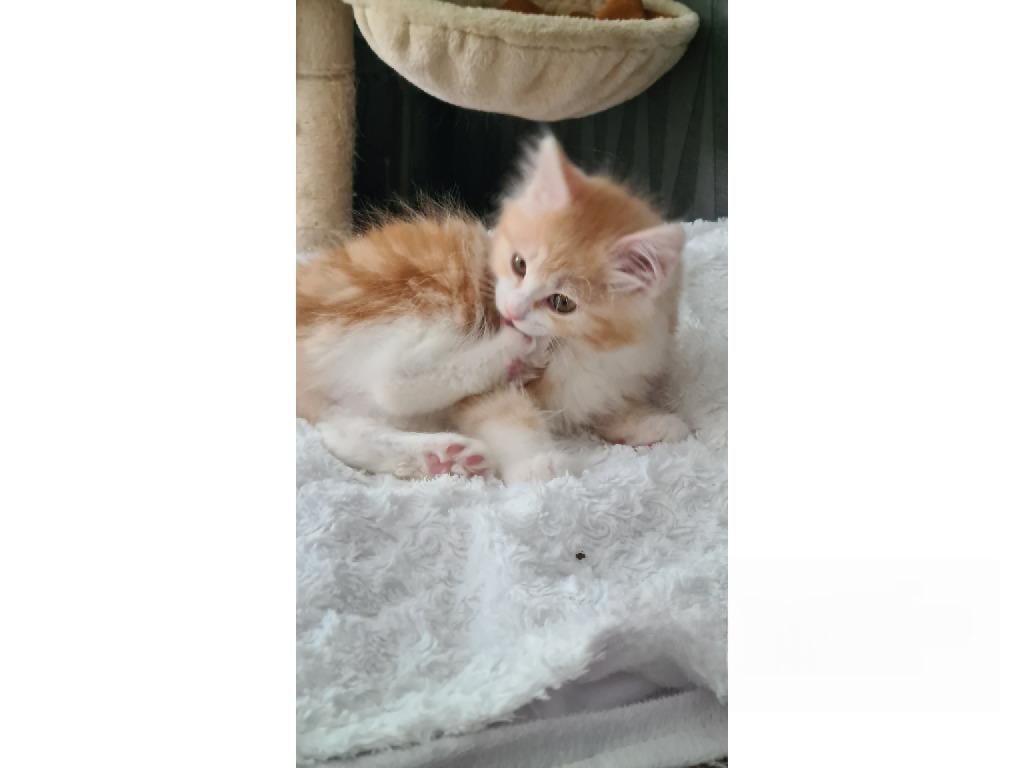
Daily activity can include short hunting games, climbing and simple food puzzles. Adapt activities to the cat’s age, health and interests rather than aiming for a fixed number of minutes. Allow for breaks and give the cat opportunities to catch a toy successfully. A cat does not need to be constantly on the move to have a varied and stimulating day.
Provide stable elevated spots where the cat can survey the home, with safe routes up and down. Variety can be as simple as moving a box or changing a toy, rather than rearranging the entire environment at once. Use toys instead of hands and feet. Pay particular attention to toys with strings or small parts, and put potentially hazardous toys away after play.
Reward-based training can make handling and travel easier. Let the cat explore an open carrier and reward it for choosing to step inside before practising short periods with the door closed. Practise gentle brushing and touching the paws as well. Keep sessions short and finish while the cat still feels comfortable.
¶Health
TICA describes the breed as generally robust, with few known health problems. This does not mean that comprehensive statistics are available for every family line or that an individual cat has no risk of illness. Ask the breeder about the health of the parents and older relatives, and whether any problems recur in their breeding lines. Request documentation whenever examinations or test results are mentioned.
The naturally short, curved tail is part of the breed’s characteristic appearance, but a typical tail is not, in itself, a clean bill of health. Have a vet assess the cat’s movement and any signs of discomfort. Pain, reluctance to be touched or a noticeable change in mobility should be investigated as individual symptoms, not dismissed on the grounds that the breed has a short tail.
Before buying, review the veterinary examination, vaccinations and any additional tests or examinations. Ask what each check actually shows and which cat the result belongs to. Ask the breeder to explain the requirements and recommendations of the organisation with which the cat is registered, as well as any extra checks chosen because of the family line’s health history.
Monitor body condition, dental health and everyday habits throughout the cat’s life. Provide a nutritionally complete cat food suited to the individual, and seek veterinary advice if weight or appetite changes. Regular check-ups should be tailored to the cat and its lifestyle. A breed’s reputation for robustness does not replace preventive care or the need for help when the cat shows that something has changed.
¶History and origins
The breed has its origins in the Kuril Islands and nearby areas such as Sakhalin in eastern Russia. Short-tailed cats have lived there for a long time. During the 20th century, they spread beyond the region and became the foundation for organised breeding. There are several accounts of how the population arose, and no precise origin story should be treated as genetically established solely on the basis of breed tradition.
FIFe recognised the breed in 2004. It comes in both shorthaired and longhaired varieties and has its own standard, separate from those of other bobtail breeds. Names and spellings vary between organisations, but a cat with a short tail is not automatically a registered member of the breed. Documented ancestry matters even for a breed descended from a naturally occurring population.
¶Living with the breed
A suitable home gives the cat opportunities to join in, climb and retreat. Provide at least one safe elevated spot and a hiding place that the cat can use freely. Let a new cat get to know the home at its own pace. This creates a better foundation for confidence than expecting a sociable breed to feel at home immediately.
Children need adult guidance to understand when the cat wants contact and when it wants to be left alone. The short tail should be treated with the same respect as any other part of the body. Avoid lifting or restraining the cat simply because someone wants to stroke it. Playing together with a suitable toy can be a relaxed way to build a bond.
If other animals live in the household, introductions need to be planned. Let cats become familiar with each other’s scent first, and give the newcomer a space of its own. Move forward when they seem comfortable, and take a step back if tension increases. When sharing a home with a dog, the cat should be able to reach elevated places and its own resources without being followed.
The breed can enjoy an active indoor life when its environment offers variety and daily interaction. A secure outdoor enclosure or other safe outdoor access can be an addition if the cat enjoys it. Old accounts of hunting and fishing in the breed’s native region do not mean that every individual needs to roam freely or likes water.
Care arrangements need to work even when you are busy or away. Plan who will look after the cat, clean the litter trays and notice changes in appetite or behaviour. The coat also needs to be checked by someone who knows how it normally feels. A cat that seems independent still needs human care and regular contact.
Before buying, it is wise to discuss registration, the family line’s health records and how the individual cat interacts with people and other animals. Ask for grooming advice and explain how you plan to set up your home. When the cat’s needs and the household’s circumstances are a good match, the curiosity and friendly companionship of the Kurilean Bobtail Longhair can become a lovely part of everyday life.
¶Characteristics
¶Frequently Asked Questions
¶Comparisons with Other Breeds
Compare Kurilean Bobtail Longhair with other breeds and see the differences in temperament, activity level, and care to make a confident choice. Show All Comparisons