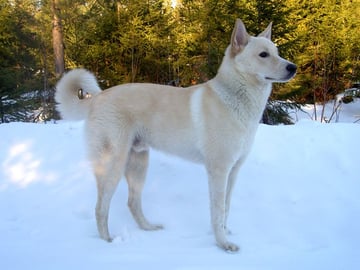
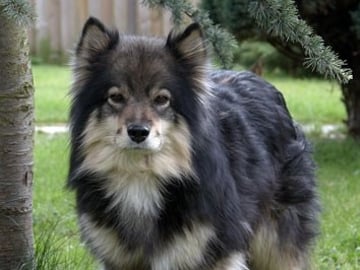
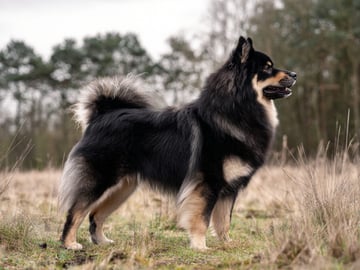
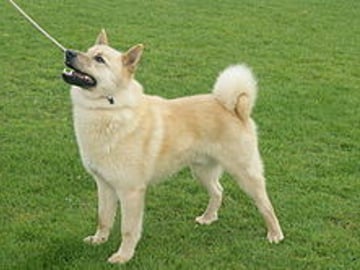
Samoyed vs Hokkaido
Compare Samoyed and Hokkaido: size, life expectancy, temperament and care side by side.
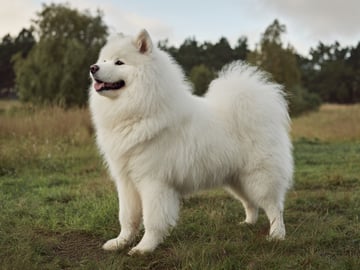
Samoyed
VS
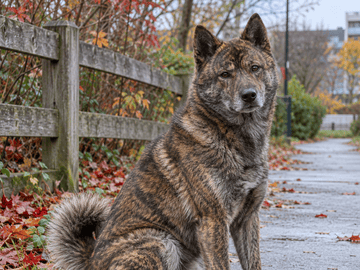
Hokkaido
Comparison Table
Show Differences Only
Characteristic
Samoyed
Hokkaido
Breed Type
Purebred
Purebred
FCI Group
5 – Spitz and Primitive Types
5 – Spitz and Primitive Types
Height
52 – 57 cm
46 – 52 cm
Weight
16 – 25 kg
20 – 30 kg
Life Expectancy
11 – 15 years
12 – 15 years
Child-Friendly
5/5
3/5
Energy Level
5/5
3/5
Intelligence
4/5
3/5
Trainability
4/5
3/5
Health
3/5
3/5
Grooming Needs
5/5
3/5
Shedding
4/5
3/5
Barking Level
4/5
3/5
Aggressiveness
2/5
3/5
The 1–5 scale shows the level of each trait. A higher value means more of that trait. Individual animals may vary.
Characteristics
Samoyed
Great with Kids
High Energy
Very Smart
Easy to Train
Medium
Hokkaido
Large
Summary
About Samoyed
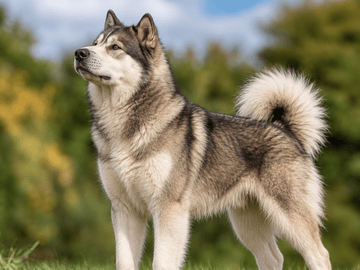
Medium, strong Arctic spitz bred by the Samoyede people to herd reindeer, pull sleds, and share family tents. Noted for its “Samoyed smile” and heavy, low‑odor double coat. Social, energetic, vocal, and intelligent, it needs close companionship, firm positive training, and ample exercise.
About Hokkaido
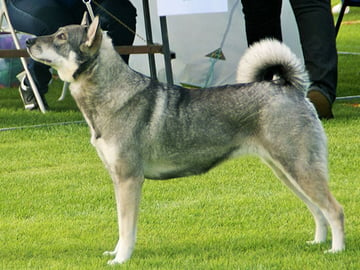
A sturdy, medium-sized Japanese spitz with small, erect ears, a curled tail, and a dense double coat. Its heritage as a hunting dog for the Ainu people is reflected in its stamina, courage, and strong prey drive. The Hokkaido is loyal and eager to learn, but also independent. It needs an active, experienced owner who can provide exercise, mental stimulation, and positive socialization, with extra grooming during shedding season.
Similar Breeds
More Breeds