
¶Table of Contents
¶Quick facts
The Hokkaido is a Japanese spitz with a sturdy build, great stamina and a strong hunting instinct. The breed has its roots among the Ainu people on the island of Hokkaido, where it was used to hunt bears and other game. Today, it is kept as both a hunting dog and a companion. It is a quick learner and loyal to its family, but its independent nature calls for an experienced, committed owner.
- Size: males stand 48.5–51.5 cm at the withers, and females 45.5–48.5 cm. The dog should be well balanced, muscular and powerfully built for its size.
- Activity level: high. The Hokkaido needs daily exercise, mental stimulation and tasks that involve working alongside its owner.
- Coat care: an easy-care double coat that needs regular brushing, with more frequent grooming when the undercoat sheds, usually twice a year. Bathe as needed.
- Life expectancy: the AKC gives around 12–15 years as a general guide for the breed. Lifespan varies between individuals.
- Best suited to: an active, experienced dog owner who enjoys training, spending time outdoors and building a close working relationship with an independent dog with a strong interest in hunting.
Ask the breeder to describe how their adult dogs behave around visitors and other dogs, how they respond to handling, and how they cope with time alone. Also ask how their hunting drive shows up in everyday life and which health screening results are documented. The Swedish breeding strategy stresses the need for knowledgeable homes, so consider seeking advice from the breed club and the relevant specialist club to help assess whether this type of dog is right for you.
¶Appearance and coat
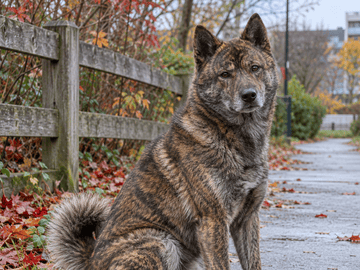
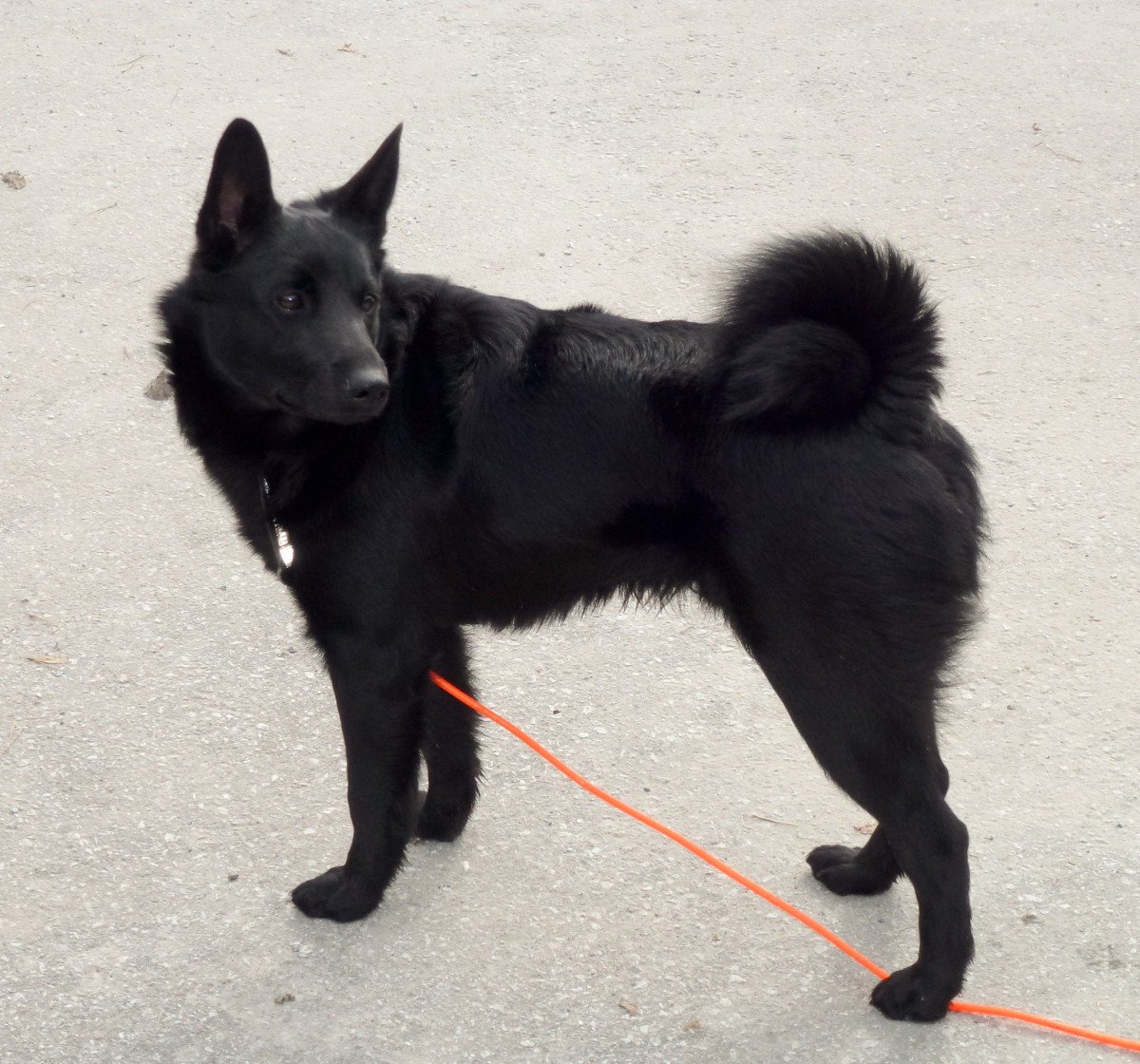
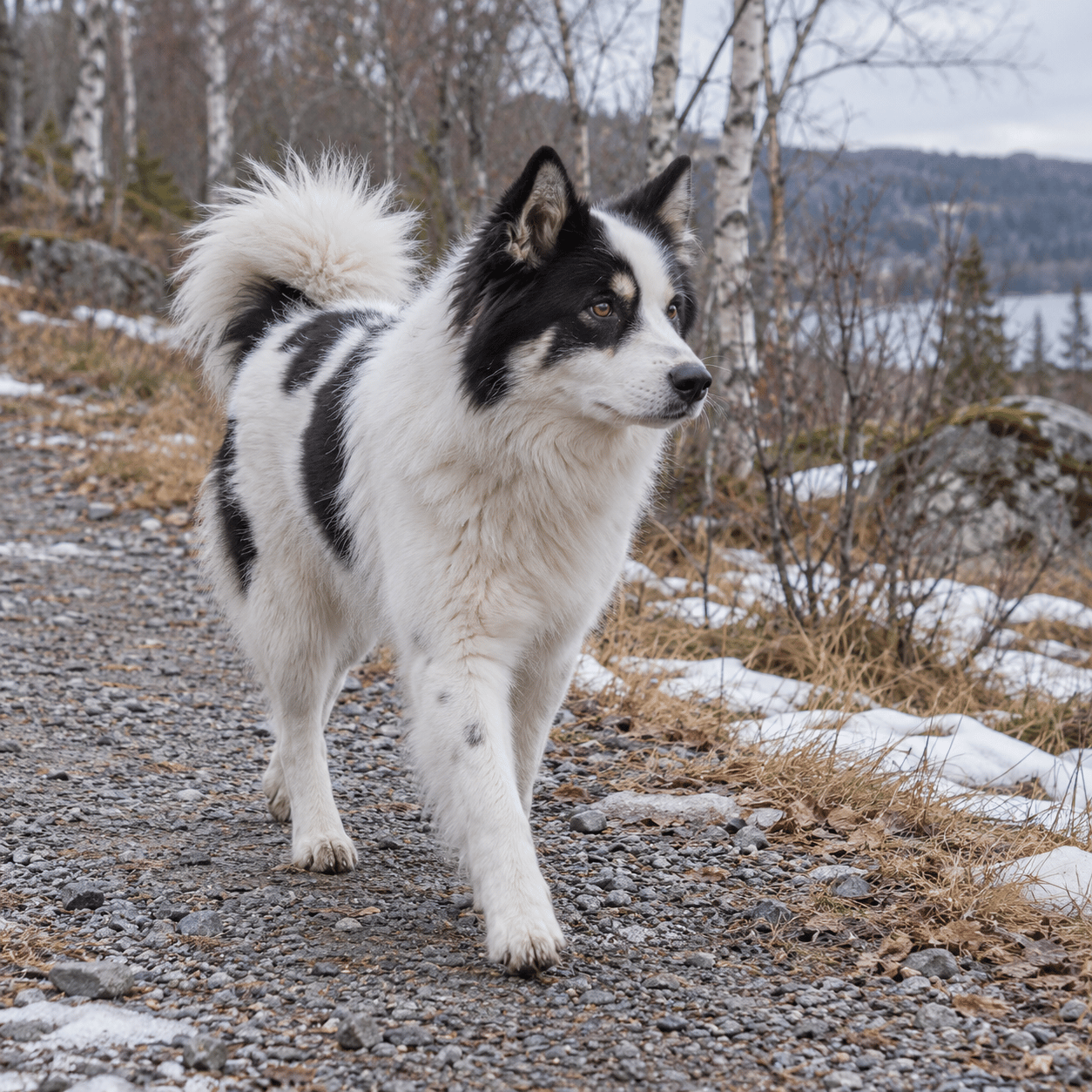
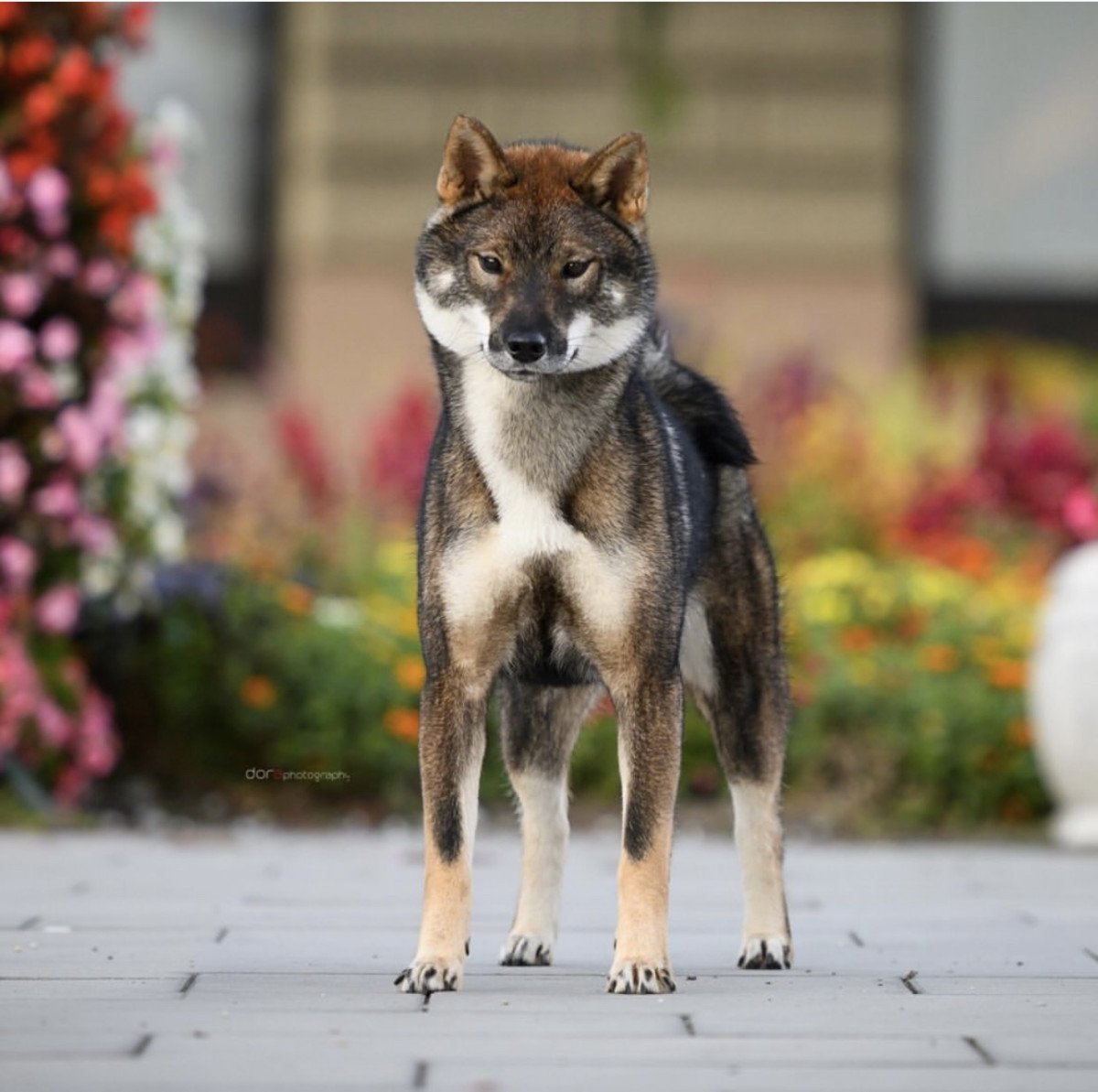
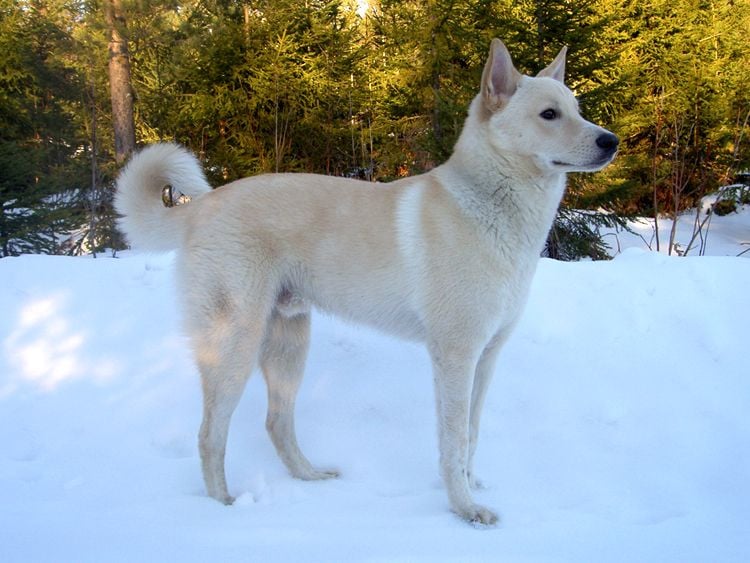
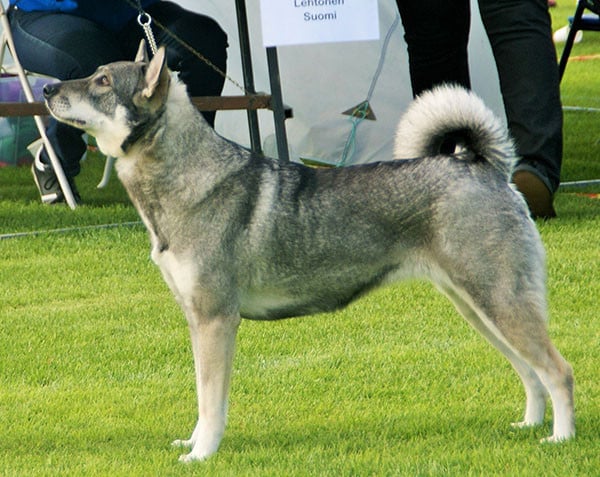
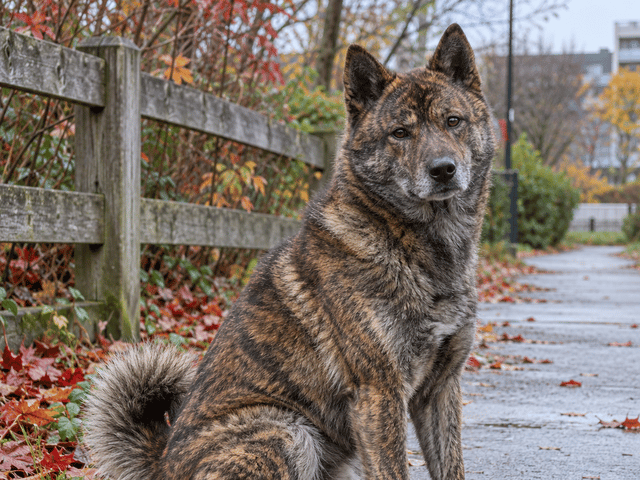
The Hokkaido is a medium-sized, sturdy dog with substantial bone and well-defined muscles. Its body is slightly longer than it is tall, with a strong back and a deep, moderately broad chest. The head has a broad skull, well-developed cheeks and a wedge-shaped muzzle. The small, triangular ears stand erect and tilt slightly forward. The eyes are dark brown and almost triangular in shape.
Males stand 48.5–51.5 cm at the withers, and females 45.5–48.5 cm. Accepted colours are sesame, brindle, red, black, black and tan, and white. Sesame is a mixture of black, red and white hairs. The thick tail is set high and carried tightly curled or in a sickle shape over the back. Colour and markings, however, tell you nothing about a dog's future activity level or personality.
The coat consists of harsh, straight outer hairs over a soft, dense undercoat. The hair on the tail is longer and stands out more. Brush out loose hair regularly and expect more work during shedding periods. The coat does not normally need clipping or trimming to keep it tidy. Ask the breeder to show you how to work through the undercoat with suitable tools without pulling on the skin.
Make handling a calm routine from puppyhood. Get your dog used to having its body felt over, its ears checked, its mouth examined and its paws lifted. Keep nails and teeth in good condition, and check the skin and paw pads after outings. With such a dense coat, checking by touch is particularly useful so that small wounds, ticks or other changes do not go unnoticed.
¶Temperament and personality
The breed standard describes a faithful, trainable, alert and courageous dog with great stamina. The Hokkaido can form strong bonds with its family and enjoy joining in everyday activities. At the same time, owners need to understand that a desire for companionship and an independent nature can coexist in the same dog. How an individual behaves is shaped not only by its breed characteristics, but also by experience, training and the situation at hand.
A Hokkaido may be reserved with strangers. The North American breed club, HANA, emphasises early, positive socialisation and notes that relationships with other dogs may need careful management, particularly between males. Ask how the breeder's adult dogs behave in different social settings. Give your puppy opportunities to become familiar with new people and environments without forcing greetings or play.
Hunting drive is a central part of the breed and can make it difficult to provide safe off-lead time outdoors. A dog that is responsive at home may make its own decisions when wildlife catches its interest. Start training engagement and recall early, but also plan to use a lead and secure enclosures. The breed's ability to solve problems independently does not mean it will automatically make the choices its owner wants.
¶Training and exercise
The Hokkaido needs to use both its body and its mind. Walks over varied terrain, hiking, scent work and structured training can together provide a fulfilling daily routine. The AKC lists agility and rally among the activities worth considering. Choose activities that suit the individual dog and your own interests, and build on them as your dog's skills and fitness develop.
Begin with engagement, lead walking, recall and handling in quiet surroundings. Use clear cues and rewards your dog values, and introduce distractions gradually. The breed's problem-solving ability can make training rewarding, but it also requires you to be consistent and easy to understand. Several short exercises in which the dog understands the task are better than long sessions where you both lose focus.
Adjust physical demands to your dog's age, health and training experience. A puppy needs different types of movement and rest breaks from a fit adult dog. Also take care with equipment and fencing when your dog is outdoors; the AKC notes that the breed can be a good jumper. Traits that help a hunting dog negotiate rough terrain do not automatically make a particular garden secure, and time in the garden is no substitute for shared activity.
¶Health
There are very few Hokkaido in Sweden, and the Swedish Kennel Club (SKK) considers the available information insufficient to give a reliable picture of the breed's health there. The Swedish breeding strategy from 2020 highlights the same limitation. Before buying a puppy, you therefore need information about that particular family: its parents, siblings and previous offspring, along with the results of documented health examinations.
Collie eye anomaly, or CEA, is an inherited eye condition documented in the Hokkaido in a scientific case study. HANA recommends both DNA testing for CEA and clinical eye examinations for breeding dogs. Ask to see both types of records and find out what the results mean for the proposed mating. A genetic result is not the same as a dog's actual visual function, and a CEA test does not rule out other eye problems.
HANA's health programme also includes hip and heart examinations. This is the North American club's programme and should be distinguished from Swedish registration requirements. Ask which examinations have been carried out, how the dog's identity was verified and how the breeder takes the results into account. A list of test names tells you less than clear certificates showing dates and actual findings.
The AKC also notes that some dogs chew or swallow unsuitable objects. Check toys and anything your dog is allowed to carry or chew, and remove broken pieces. If your dog repeatedly eats non-food items, work with a vet to investigate the cause. Appropriate exercise and enrichment are important, but a new or persistent behaviour should not automatically be attributed to a lack of stimulation.
¶History and origins
The Hokkaido comes from Japan's northernmost main island and is closely associated with the Ainu people's dog-keeping and hunting traditions. The breed is believed to have developed from medium-sized Japanese dogs that accompanied people north from Honshu. The dogs were used for hunting bears, among other game, and needed the stamina to work in challenging terrain and a cold climate. The alternative name Ainu dog reflects this background.
In 1937, the breed was designated a Japanese Natural Monument and named after the island of Hokkaido. It remains rare outside Japan. According to the Swedish breeding strategy from 2020, the first imported individuals were registered in Sweden in 2009, and the first Swedish litter was born in 2010. The small Swedish population makes international exchanges of experience and careful monitoring of health and temperament particularly valuable.
¶Living with a Hokkaido
The Hokkaido suits an owner who wants to be active with their dog and has the patience to build a successful relationship. Plan for exercise, training and quiet periods throughout the day. Discuss with the breeder what everyday life looks like for their dogs between major activities and what tends to be most demanding during adolescence. A medium-sized body does not mean the breed is easy to care for or a small commitment.
Within the family, the Hokkaido can be a close and devoted companion, but children and dogs need to get to know one another under adult supervision. A responsible adult should always be present when young children interact with the dog. Give the dog a quiet place to rest, and teach children to respect its food, sleep and signals that it wants space. An adult must also be able to take responsibility for walks and handling when something unexpected happens.
Canine companions need to be chosen carefully. Ask how the parents and adult relatives get along with other dogs, both at home and when out and about. Introduce new dogs in calm, controlled circumstances, and make sure you can separate them when necessary. With cats and smaller animals, the breed's hunting background calls for extra care; do not assume that loyalty to the family means the dog is safe around all other animals.
The home needs to offer space to rest and practical opportunities to get outdoors and work. Nearby walking areas and secure fencing can help, but they do not replace training and interaction with the owner. Ask how the dogs react to sounds, visitors and movement outside the home. Practise calm everyday routines while also allowing your dog to develop its physical abilities.
Time alone needs to be introduced gradually. Start with brief periods when your dog feels secure, and let its reactions guide how quickly you progress. HANA describes strong bonds with owners and reports of separation-related difficulties, so plan your working days and care arrangements before bringing your puppy home. Independence in other situations does not tell you how a dog will cope with being home alone.
Before buying, seek clear answers about the breeder's approach to temperament, how hunting drive should be managed, and which eye examinations and other health checks have been carried out in the family. If possible, meet several adult dogs and choose a breeder who describes both the breed's strengths and its demands. When your experience, the dog's activity needs and your home circumstances align, the Hokkaido can be a loyal, tireless companion for an active life together.
¶Characteristics
¶Frequently Asked Questions
¶Comparisons with Other Breeds
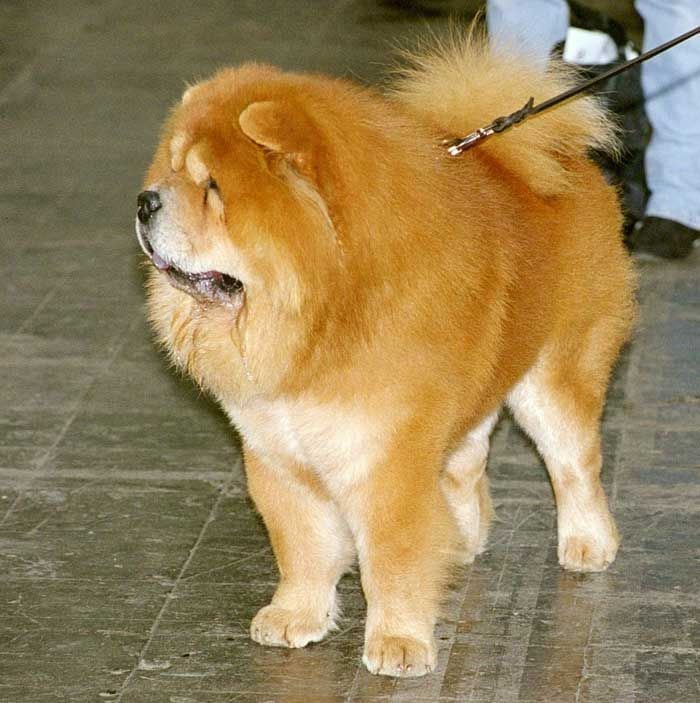
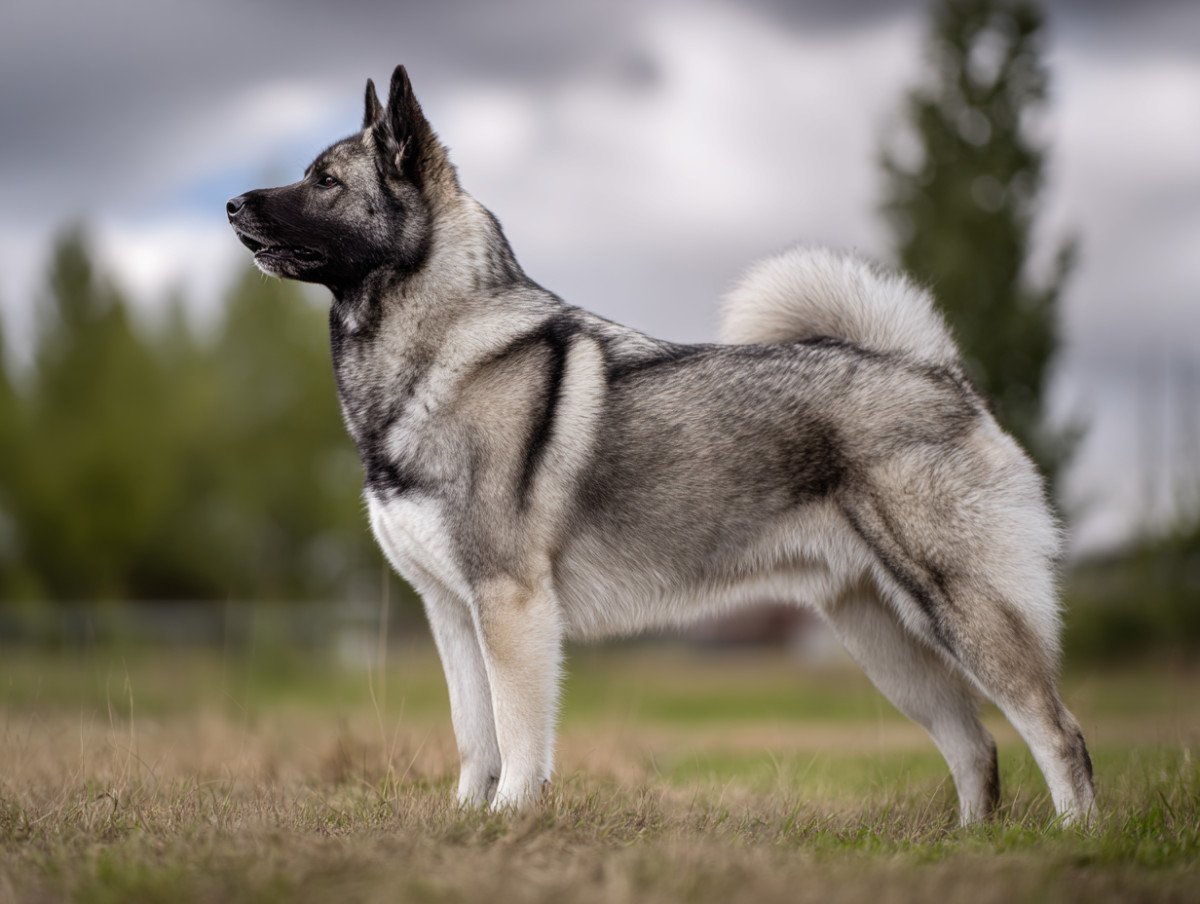
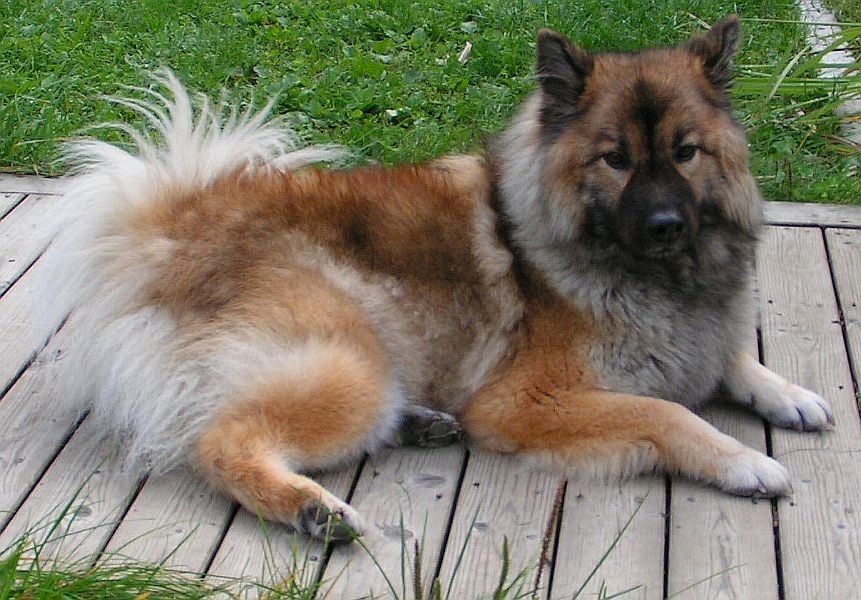
Compare Hokkaido with other breeds and see the differences in temperament, activity level, and care to make a confident choice. Show All Comparisons