
¶Table of Contents
¶Quick Facts
- Ancient Scandinavian hunting dog developed specifically for tracking and holding large game such as moose and bear
- Medium sized, powerful spitz type with a dense, weatherproof black coat and curly tail
- Highly alert, vocal and watchful, yet deeply loyal and attached to their own family
- Needs substantial daily exercise and mental stimulation to stay balanced and content
- A relatively rare breed outside Scandinavia, appealing to experienced and active dog owners who enjoy outdoor life
¶Appearance & Coat
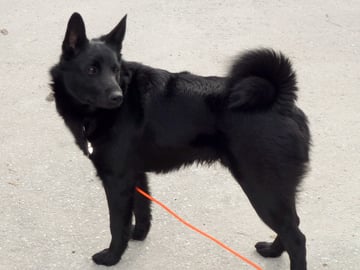
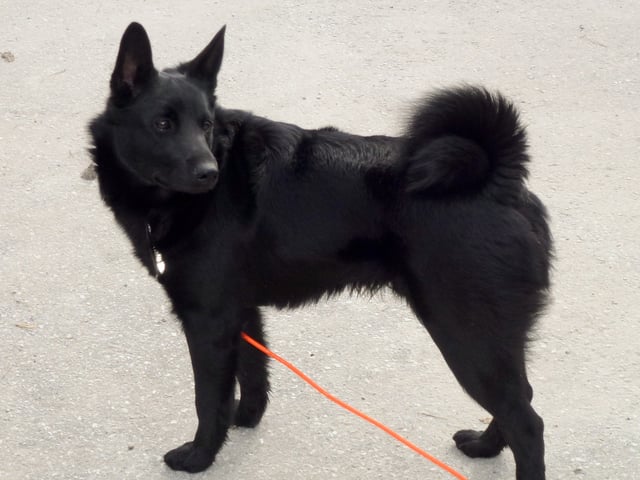
The Norwegian Elkhound, Black is a compact, powerful and athletic spitz type, instantly recognisable by its dark coat and curled tail. Compared with its more widely known grey cousin, the Black Norwegian Elkhound is usually a little lighter in build and more clearly defined in outline. Males typically stand around 47 to 52 centimeters at the shoulder, while females are slightly smaller. Weight often ranges from 18 to 25 kilograms, depending on sex, bone structure and individual condition. The overall impression should be one of strength, agility and readiness for work in harsh northern terrain.
The body is slightly longer than it is tall, with a deep chest and well sprung ribs that allow plenty of lung capacity for long days in the forest. The back is strong and level, leading to a high set tail that curls tightly over the back when the dog is alert or moving. The head is wedge shaped without being coarse, with a clear stop, strong muzzle and dark, expressive eyes that give a keen, intelligent expression. Ears are erect, mobile and fairly small in proportion to the head, which adds to the alert, fox like look that many elkhound owners love.
The coat is one of the breed’s most distinctive features. As the name suggests, the Norwegian Elkhound, Black is always black in colour. Some dogs may have lighter hairs mixed into the coat as they age, but the ideal is a solid, rich black that emphasizes the dog’s outline. The coat is double layered and highly weather resistant. The outer coat is harsh, straight and lies relatively close to the body, while the undercoat is soft, dense and insulating. This structure allows the breed to work comfortably in snow, rain and wind.
Coat care is straightforward but regular. Although the hair does not mat easily, the thick undercoat sheds heavily, usually once or twice a year. During these shedding periods, daily brushing with a firm slicker brush or a metal comb helps remove loose hair and keeps it from spreading all over the house. Outside of shedding season, a thorough brushing once or twice a week is often enough to keep the coat healthy and glossy. Bathing should be occasional rather than frequent, since too many baths can strip the natural oils that protect the skin and coat.
Pay particular attention to the areas where dead hair tends to collect, such as behind the ears, under the tail and along the trousers on the back of the legs. Nails should be trimmed regularly, especially for dogs that spend more time on soft ground than on rough surfaces. Clean the ears weekly and check that they remain dry and free from redness or bad smell. With these simple routines, the Norwegian Elkhound, Black is a relatively low maintenance dog in terms of grooming, despite its thick northern coat.
¶Temperament & Personality
Living with a Norwegian Elkhound, Black means sharing your home with a lively, intelligent and independent minded companion. This is a dog bred to work at a distance from the hunter, make decisions on its own and keep game at bay through persistence and courage. As a result, many Black Norwegian Elkhounds combine strong loyalty to their humans with a certain stubborn streak and a good measure of self confidence.
With their family, these dogs are generally affectionate, devoted and playful. They often form a particularly close bond with one person, but still enjoy interacting with all members of the household. Many owners describe them as watchful yet friendly, not over the top with strangers but polite and curious once they have had a moment to assess the situation. Their natural alertness and tendency to bark makes them excellent watchdogs. They will let you know about anything unusual outside the house, whether it is a passing car, a fox in the garden or a visitor at the gate.
Around children, a well socialised Norwegian Elkhound, Black is usually kind and patient, especially if raised with kids from a young age. They tend to enjoy being part of family activities and will happily join in games, walks and outdoor adventures. Because they are robust and energetic, they are often better suited to families with slightly older children who can respect a dog’s boundaries and handle an active, sometimes boisterous playmate. As with any breed, interactions with small children should always be supervised, and kids should be taught not to climb on or tease the dog.
With other dogs, temperament can vary from individual to individual. Many are sociable and enjoy canine company, especially if they have been well socialised. Others may be more reserved or selective, particularly with dogs of the same sex. Early, positive experiences with different dogs are important to encourage relaxed behaviour. When it comes to smaller pets, their hunting background must be taken into account. A Norwegian Elkhound, Black may see cats, rabbits or other small animals as something to chase, especially outdoors. Some individuals learn to live peacefully with a resident cat, but it is not guaranteed, and introductions should be done carefully.
A common challenge for owners is the combination of intelligence and independence. This breed learns quickly, but it may not always choose to obey instantly. They like to think for themselves and may question commands they find pointless. Barking can also be an issue for some households, especially in more urban environments. In the forest, a clear voice is desirable, but in an apartment building it can cause problems. Teaching a “quiet” command early and providing enough stimulation helps keep barking within reasonable limits.
Despite these challenges, people who understand the temperament of the Norwegian Elkhound, Black often become devoted to the breed. They appreciate the dog’s honesty, courage and sense of humour. This is not a breed that blindly follows orders, but rather a partner with its own opinions, strong loyalties and a sincere desire to be part of its human pack.
¶Training & Exercise
The Norwegian Elkhound, Black is an active working dog that thrives when given both physical exercise and mental challenges. A quick walk around the block will not be enough for most individuals. Owners should expect to provide at least one to two hours of activity every day, ideally split between brisk walks, off leash running in safe areas and focused training or games that engage the dog’s mind.
Because of their hunting heritage, many Black Norwegian Elkhounds love to explore new scents, follow trails and investigate the environment. This can be both a joy and a challenge. On one hand, it means they are enthusiastic about outdoor adventures, hiking in the forest or joining you on long countryside walks. On the other hand, a strong hunting instinct can make recall more difficult, especially when the dog has picked up a fresh scent. Investing time in reliable recall training, and using long lines where necessary, is essential for safety.
When it comes to training, the breed responds best to patient, consistent and positive methods. Harsh corrections or heavy handed handling can damage trust and make the dog more stubborn. Instead, use rewards such as food treats, praise and play. Short, varied training sessions keep their interest better than long repetitions of the same exercise. Try to mix obedience exercises with practical tasks. For example, you might practice recall and sits during a walk, ask the dog to wait politely before crossing the road or use obedience cues in daily routines such as mealtimes.
Owners who want to tap into the breed’s natural abilities can explore activities like:
- Nose work and scent games at home or in the garden
- Tracking or mantrailing, which mirror elements of hunting work
- Hiking or canicross, where the dog can run on a harness and help pull
- Agility or rally obedience, if the dog enjoys structured sports
While the Norwegian Elkhound, Black may not always be as instantly biddable as some herding breeds, many individuals perform very well in various dog sports when handlers understand how to motivate them. They enjoy tasks that have a clear purpose and allow them to use their natural strengths such as endurance, problem solving and using their nose.
Mental stimulation is as important as physical exercise. A bored elkhound is more likely to bark, dig or become inventive in ways that owners may not appreciate. Puzzle toys, chew items, scent searches in the house or garden and trick training sessions can all help keep their minds engaged. Even simple games like hiding a favourite toy for the dog to find can be very satisfying for them.
Young dogs need particular care. A Norwegian Elkhound, Black puppy is full of energy, but its joints and bones are still developing. Long runs or hard exercise on asphalt should be avoided until the dog is fully grown. Focus on shorter, frequent outings, gentle play and early training in good manners, such as walking on a loose lead, coming when called and settling calmly indoors.
For the right owner, training and exercising a Norwegian Elkhound, Black is not a chore but a shared way of life. They are happiest when they can join you in outdoor activities and when they feel that they have a role to play in your daily routine.
¶Health
The Norwegian Elkhound, Black is generally a robust and hardy breed, shaped by generations of work in demanding Scandinavian conditions. Most individuals are healthy, energetic dogs with a lifespan typically around 12 to 14 years, sometimes longer with good care. However, like all breeds, they can be predisposed to certain health issues that responsible breeders and owners should be aware of.
Orthopaedic problems such as hip dysplasia and elbow dysplasia can occur. These conditions affect the joints and may cause pain, lameness or reduced mobility, especially in older dogs. Reputable breeders usually screen their breeding dogs with official hip and elbow scoring schemes and select only those with acceptable results. For puppy buyers, asking about these test results is an important part of choosing a responsible breeder.
Eye conditions can also be seen in some lines. Examples include hereditary cataracts and other issues that may affect vision. Many kennel clubs and national breed clubs recommend regular eye examinations by a veterinary ophthalmologist for breeding animals. A puppy from eye tested parents has a better chance of good eye health, although no test can give an absolute guarantee.
Some elkhounds are prone to being overweight, especially when they live a more sedentary life than their working ancestors. Extra kilos place strain on joints and can contribute to other health problems such as diabetes or reduced endurance. Keeping the dog at an ideal weight through appropriate feeding and regular exercise is one of the simplest and most effective ways to support long term health.
The dense double coat usually protects the skin well, but a few individuals may experience skin irritations, hot spots or allergies. Regular grooming helps you notice any issues early, such as redness, excessive scratching or flaky skin. Because the breed is often very stoic, they may not show obvious discomfort, so a quick health check during grooming can be helpful.
Responsible breeders often follow recommended health testing programs which can include:
- Hip and elbow evaluations
- Eye examinations
- In some countries, additional DNA tests if relevant for the line
When you are considering a Norwegian Elkhound, Black puppy, ask the breeder about the health history of the parents and close relatives. A good breeder will be open about both strengths and weaknesses in their lines and can explain what they are doing to maintain or improve health.
Routine veterinary care is important throughout the dog’s life. Regular check ups, vaccinations according to local guidelines, deworming and parasite prevention all contribute to overall wellbeing. Dental care is sometimes overlooked in medium sized working breeds, but tartar and gum disease can still become a problem. Daily or frequent tooth brushing can greatly reduce the risk of dental issues later on.
With thoughtful breeding, appropriate exercise, balanced nutrition and regular veterinary care, the Norwegian Elkhound, Black can enjoy many active and healthy years, remaining lively and engaged well into old age.
¶History & Origins
The Norwegian Elkhound, Black shares much of its background with the broader family of Nordic hunting spitzes. These dogs have a long history in Scandinavia, where people needed reliable hunting companions capable of working in dense forests and harsh climates. Archaeological findings suggest that spitz type dogs similar to elkhounds have been present in the region for thousands of years, accompanying hunters and settlers as they followed game and adapted to changing landscapes.
The term “elkhound” comes from the tradition of using these dogs to hunt large game, particularly moose, which is often called “elk” in Scandinavian languages. The dogs were expected to search silently for game, then hold it at bay by barking once they found it. The steady, rhythmic barking helped the hunter locate the dog and the animal in the deep forest. This style of hunting required a dog that was independent, courageous and persistent, with great stamina and a strong voice.
Within this broader group, a darker type of hunting spitz existed alongside the better known grey elkhound. The black variety was valued for its visibility in snowy landscapes and its clear outline in the forest. While the grey Norwegian Elkhound was recognised earlier by kennel clubs and became more widespread internationally, the black variety remained more local and less common. Over time, dedicated breeders in Norway worked to preserve and stabilise the characteristics of the black elkhound as a distinct breed.
Eventually, kennel clubs in Scandinavia and international organisations recognised the Norwegian Elkhound, Black as a separate breed with its own standard. Compared with the grey elkhound, the black version is often described as slightly lighter and more agile, with a sharper outline and, of course, a solid black coat. Despite these differences, both share many traits, including strong hunting instincts, loyalty to their handler and the ability to work independently in demanding terrain.
Today, the Norwegian Elkhound, Black is still used as a hunting dog in its homeland, particularly for moose and sometimes for other large game. In modern Scandinavia, many owners follow long traditions of hunting in autumn, where dog and handler work as a close team. The breed’s excellent nose, persistence and clear barking remain highly valued qualities.
Outside of hunting circles, the black elkhound has slowly gained admirers as a companion and versatile all round dog. It can take part in various dog sports, such as tracking, nose work, agility or obedience, although its independent nature can present a unique training challenge. Some individuals also work in roles that make use of their keen senses and endurance, such as search and rescue or long distance trekking companions.
Although still relatively rare compared to many more popular breeds, the Norwegian Elkhound, Black attracts people who appreciate its connection to Nordic history and traditional hunting culture. For many owners, living with this breed is a way to keep a small piece of Scandinavian heritage alive, while enjoying the company of a proud, capable and deeply loyal dog.
¶Living with the Breed
Choosing to live with a Norwegian Elkhound, Black is a commitment to an active, outdoor oriented lifestyle. This is not a dog that is content to lie on the sofa all day, although they do enjoy relaxing with their family after a good amount of exercise. Prospective owners should realistically assess their time, energy and living situation before bringing one home.
In terms of space, the breed adapts reasonably well as long as exercise needs are met. A house with a secure garden is ideal, since it allows for free movement and sniffing between walks. However, a highly dedicated owner in an apartment can also succeed if they provide several substantial walks and mental activities every day. The key factor is not square meters indoors, but structured daily activity and meaningful interaction.
Barking is worth considering in shared living spaces. The Norwegian Elkhound, Black has a natural tendency to use its voice. With training and careful management, you can reduce excessive barking, but completely silent behaviour is unrealistic. If you live in a very noise sensitive environment, think carefully about whether this breed fits your circumstances.
The level of commitment is medium to high. Daily life with this breed typically includes:
- At least one long walk or hike, plus additional shorter outings
- Regular training sessions for manners and mental stimulation
- Weekly grooming outside of shedding seasons, daily when shedding heavily
- Ongoing socialisation to maintain polite behaviour around people and other dogs
Financially, costs are in the same range as for many medium sized, active breeds. The main expenses include high quality food, routine veterinary care, pet insurance where available, grooming tools, training classes and suitable outdoor equipment. An approximate annual budget might include:
- Food and treats, especially if you choose a quality diet suited for active dogs
- Regular vaccinations, parasite prevention and annual health checks
- Insurance premiums, which help cover costs for accidents or illness
- Replacement of harnesses, leads, beds and toys over time
Because the Norwegian Elkhound, Black is particularly fond of outdoor work, some specific pieces of equipment can be very useful. A well fitting harness is essential for activities like hiking or canicross. A long line allows the dog to explore more freely while you maintain control in areas where off leash running is not safe. Reflective gear or a bright collar can help make a dark coated dog more visible during evening walks or in dense forest.
At home, this breed appreciates a comfortable bed in a quiet corner where it can rest, but it also wants to be near its people. Most do not enjoy being isolated for long hours every day. If you work full time away from home, consider arrangements such as a dog walker, dog day care or a trusted friend who can visit during the day. A bored elkhound with too much time alone may develop unwanted behaviours such as excessive barking or destructive chewing.
Families who enjoy hiking, camping, forest walks or cross country skiing often find the Norwegian Elkhound, Black to be a perfect match. The dog can trot along for hours, happily carrying a small backpack once fully grown, or helping to pull in a harness. In more urban settings, they can still thrive if their owners are committed to regular trips to nature areas and provide enough mental challenges through training and games.
Ultimately, living with a Norwegian Elkhound, Black is about partnership. This is a dog that wants to be included in your daily life, not left in the background. In return for your time, patience and care, you gain a loyal, entertaining and capable companion with strong roots in Nordic tradition and a big personality packed into a medium sized body.
¶Characteristics
| Characteristic | Value |
|---|---|
| Breed Type | Purebred |
| Aggressiveness | 3/5 |
| Child Friendly | 3/5 |
| Energy | 3/5 |
| Hair Shedding | 3/5 |
| Health | 4/5 |
| Intelligence | 4/5 |
| Grooming Needs | 3/5 |
| Learning Ability | 4/5 |
| Barking Level | 3/5 |
| Height | 43 – 49 cm |
| Weight | 18 – 27 kg |
| Life Expectancy | 12 – 16 years |
¶Frequently Asked Questions
What is a Black Norwegian Elkhound and how is it different from the grey variety?
The black variety is a separate color type of the Norwegian Elkhound that was developed mainly in Norway as a working hunting dog. It is usually slightly smaller, more agile, and always solid black, without the silver or wolf-gray coat and lighter markings seen in the traditional grey dogs. The black type has often been favored for its visibility in snow and dense forest, as well as its strong hunting drive.
What is the typical temperament of a Black Norwegian Elkhound with family and strangers?
These dogs are loyal, alert, and often quite independent, reflecting their background as big game hunters. With family they are usually affectionate and playful, but they may be reserved or cautious with strangers. Good socialization is important, as their natural guarding instinct can make them vocal and watchful around new people and situations.
How much exercise does a Black Norwegian Elkhound need each day?
This is a high energy working breed that generally needs at least 60 to 90 minutes of active exercise every day. Long walks, hiking, jogging on cooler days, or structured games like tracking and nosework suit them well. If their exercise needs are not met, they can become noisy, restless, or destructive.
Are Black Norwegian Elkhounds good apartment dogs?
They are adaptable, but they are not ideal for small apartments unless the owner is very committed to daily outdoor activity. Their energy level and tendency to bark at sounds or movement can cause problems in close quarters. A home with access to a secure yard or frequent trips to open spaces usually suits them better.
How much do Black Norwegian Elkhounds shed and what grooming do they need?
They have a dense double coat that sheds moderately all year and heavily during seasonal coat blows. Weekly brushing is usually enough most of the time, but daily brushing is helpful when they are shedding heavily. Bathing is needed only occasionally, since their coat is naturally weather resistant and tends to repel dirt.
What health problems are Black Norwegian Elkhounds prone to?
They are generally robust, but can be at risk for hip dysplasia, elbow dysplasia, eye conditions such as PRA, and hypothyroidism. Some dogs may also develop cysts or skin problems under the thick coat. Responsible breeders screen their dogs for joint and eye issues to reduce the risk of these problems.
Is the Black Norwegian Elkhound a good choice for first time dog owners?
They can be challenging for first time owners because they are independent thinkers with a strong prey drive and a tendency to bark. A committed beginner who is prepared to invest in training, socialization, and plenty of exercise can succeed, but those wanting a very easy, highly biddable dog may find this breed demanding. Support from an experienced trainer is often helpful.
How strong is the hunting and prey drive in Black Norwegian Elkhounds?
This breed was developed to track and hold large game, so a strong hunting and prey instinct is typical. Many individuals will chase wildlife, cats, or small animals if not carefully managed. Reliable recall training, secure fencing, and supervised off leash activity in safe areas are important considerations.
Do Black Norwegian Elkhounds get along well with other dogs and pets?
With thoughtful socialization, they usually live well with other dogs, especially if raised together, but some can be pushy or dominant toward unfamiliar dogs. Their prey drive can make living with small pets such as rabbits or rodents risky, even if they seem calm around them at times. Early introductions and clear supervision are important in multi pet homes.
What kind of training works best for a Black Norwegian Elkhound?
They respond best to consistent, positive training that respects their independence and gives them clear structure. Short, varied sessions that include problem solving, nosework, or practical tasks tend to hold their attention. Harsh methods usually backfire and can make them stubborn, while rewards based approaches build a cooperative working relationship.
¶Comparisons with other breeds
Compare Norwegian Elkhound, Black with other breeds and see the differences in temperament, activity level, and care to make a confident choice. Show all comparisons