
¶Why Chestnuts Can Be Dangerous for Dogs – What You Need to Know
As a dog owner, it’s important to be aware of the hidden dangers in nature. One common but often overlooked risk in autumn is chestnuts. Many dogs are drawn to them on walks, but what many people don’t realize is that chestnuts can pose a serious threat to your four-legged friend.
¶Why Are Chestnuts Dangerous?
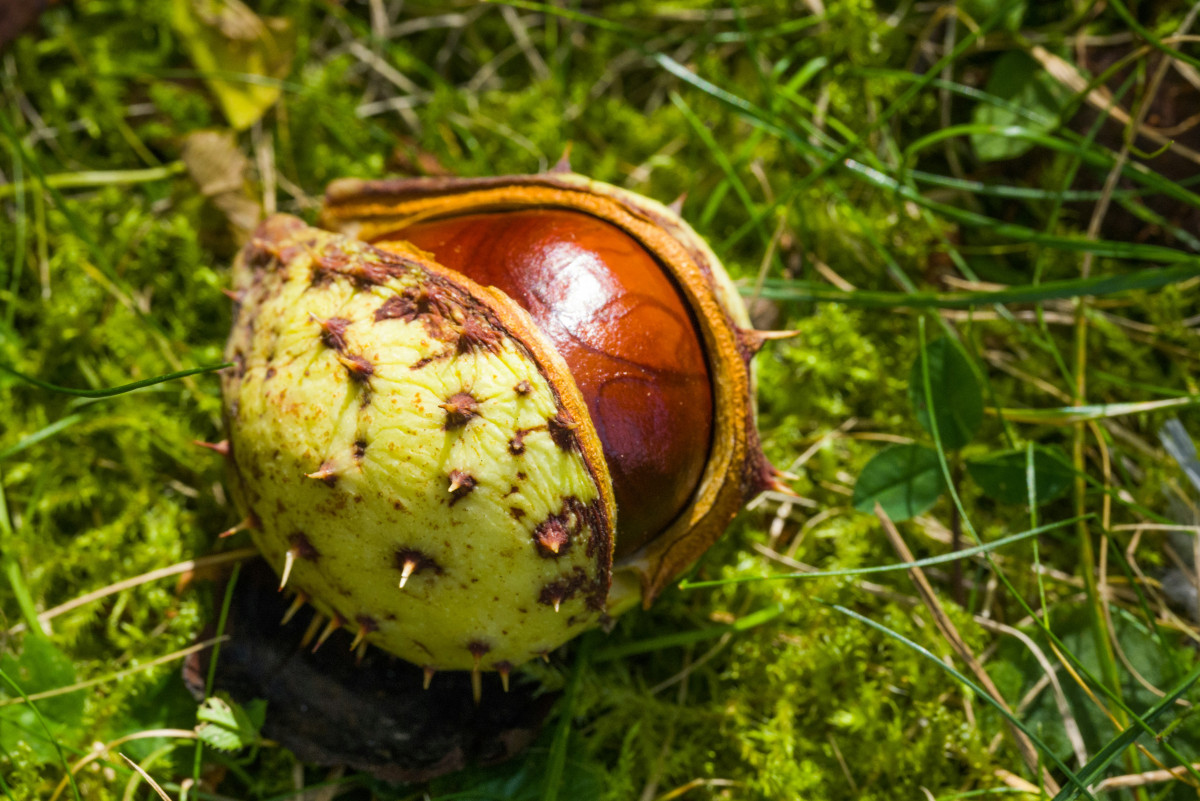
Chestnuts, especially those from the horse chestnut tree, contain a substance called aesculin. This compound is toxic to both humans and animals, but it can be particularly dangerous for dogs. While some dogs may show no reaction after chewing on or swallowing chestnuts, others can become seriously ill depending on how many they eat and how sensitive they are.
In addition to their toxicity, chestnuts can also be a choking hazard or cause intestinal blockages, especially in smaller dog breeds.
¶Symptoms of Chestnut Poisoning in Dogs
If your dog has eaten chestnuts, the symptoms can vary, but some common signs to watch for include:
-
Vomiting and diarrhea – These are often the first signs that something is wrong. If your dog starts vomiting or has loose stools, it may be a sign of poisoning.
-
Loss of appetite – Your dog may refuse food or seem uninterested in eating, which can be due to stomach pain or nausea.
-
Lethargy and weakness – Chestnut poisoning can make your dog sluggish, tired, and less active than usual.
-
Abdominal pain – Your dog may show signs of discomfort or pain in the belly, which can lead to hunching, whining, or avoiding being touched.
-
Seizures – In more severe cases of poisoning, dogs may experience seizures. This is a very serious sign and requires immediate veterinary care.
¶What Should You Do if Your Dog Has Eaten Chestnuts?
If you suspect that your dog has eaten chestnuts, it’s best to contact a veterinarian right away, even if no symptoms have appeared yet. The vet can determine whether treatment is necessary based on how many chestnuts were eaten and your dog’s size. In some cases, vomiting may be induced to prevent the toxins from being absorbed, while in other cases medical treatment may be needed to stabilize your dog.
¶Preventive Measures
To keep your dog safe, be extra vigilant on autumn walks, especially in areas where there are chestnut trees. Keep an eye on what your dog picks up, and consider using a muzzle if your dog tends to eat things off the ground. By being aware of the risks and acting quickly, you can help your dog avoid the dangerous consequences of chestnuts.
At SkaffaHund.se, we want every dog owner to be as well prepared as possible. By knowing the dangers that exist in nature, you can create a safe and secure environment for your four-legged family member.


