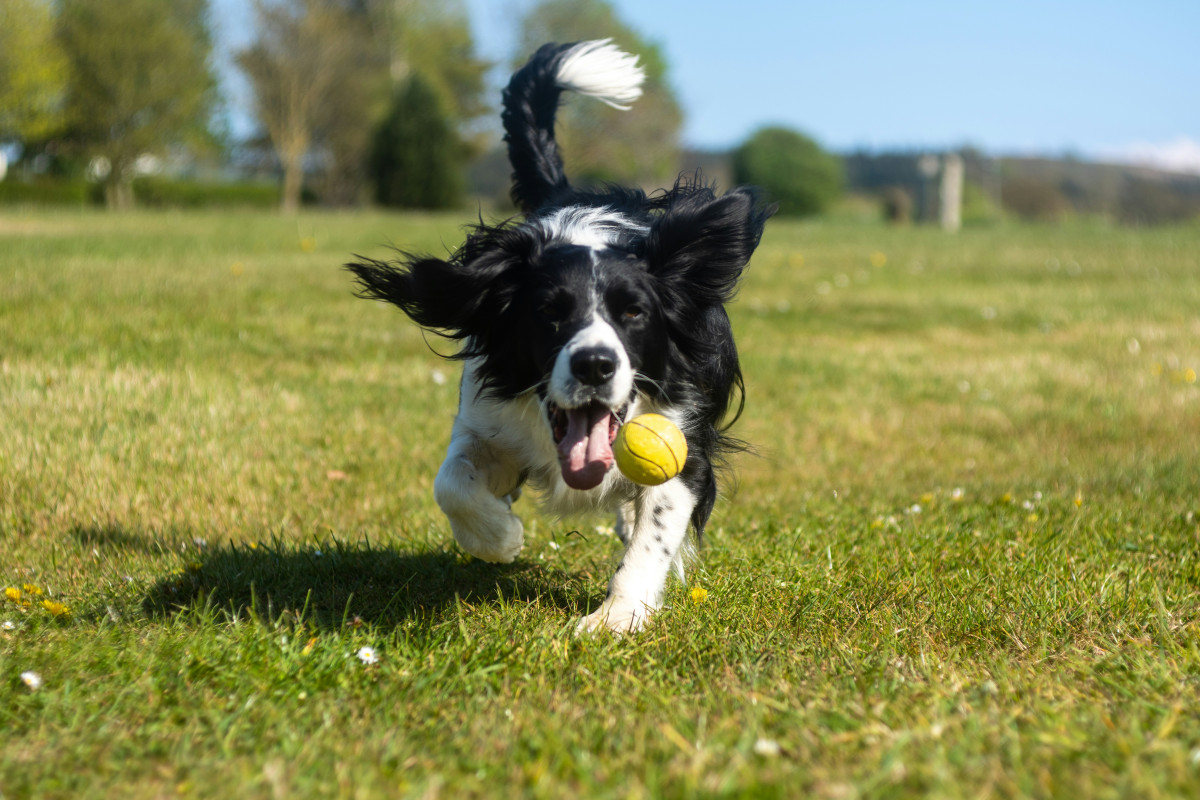
¶10 signs your dog is mentally understimulated
Many everyday problems with dogs aren’t about disobedience or “bad behavior.” In many cases, the issues are caused by the dog being mentally understimulated.
Dogs need more than physical exercise to feel good. Mental stimulation is at least as important as physical activity. A dog can be tired in its body but still restless in its mind, and that’s often when problems begin to show.
A dog that doesn’t get enough mental stimulation can develop stress-related behaviors, something veterinarians are also increasingly noting.
1. Restless even after a walk
The dog wanders around the home, changes spots frequently, and never really seems to relax. It lies down but gets up again shortly after.
This is a common sign of mental understimulation. The body may be tired after walks, but without mental activity the brain keeps going.
Common signs
- changes places often
- finds it hard to stay lying down
- never really seems content
2. More noise than usual in everyday life
The dog starts barking at sounds, people, or movements that never used to be a problem. Some dogs instead whine softly but persistently.
Barking and whining can be expressions of stress or frustration. When the dog has no outlet for its mental energy, vocalizing can become a way to release tension.
3. Things get destroyed when you’re not home
Shoes, blankets, pillows, or furniture end up chewed or torn apart.
This is often interpreted as defiance, but in most cases it’s about needing something to do. An understimulated dog tries to create its own activities when it doesn’t have any tasks.

Activation isn’t just about physical exercise. Mental stimulation and enrichment are crucial for a dog’s well-being and can help prevent stress and behavior problems.
— Catarina Eliasson, licensed veterinarian and specialist in canine and feline diseases
4. Licking or biting its paws
If a veterinarian has ruled out allergies or injuries, this behavior may be linked to stress or understimulation.
Excessive licking is often used by the dog as a way to calm itself when it has nothing else meaningful to do.
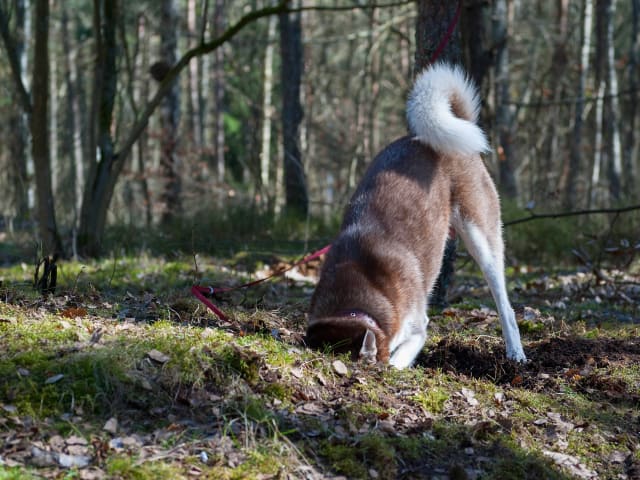
5. Digging often and intensely
The dog digs in the garden, flowerbeds, or sometimes even indoors.
Digging is a natural behavior, but when it happens frequently and with great intensity, it can be a sign that the dog isn’t getting enough other forms of stimulation.
What this means in practice
The dog needs more tasks where it can use its nose and brain, not just move its body.
6. Constantly demands contact and activity
The dog nudges you, whines, carries toys around, or interrupts you all the time.
This is rarely about the dog being spoiled. More often, it’s missing meaningful contact and cooperation in everyday life and is trying to create activity on its own.
Stress in dogs can lead to behavior changes such as increased vocalization, excessive licking, and difficulty relaxing. It’s important to identify the cause together with a veterinarian.
— Catarina Eliasson, licensed veterinarian and specialist in canine and feline diseases
7. Walks turn into a tug-of-war instead of teamwork
Walks feel stressful, and the dog struggles to walk calmly.
When walks always look the same and are done at the same pace, the dog has little chance to use its nose and make its own choices. Pulling on the leash then becomes a way to create stimulation.
8. Excessive licking of people and objects
Hands, clothes, floors, or furniture become targets for intense licking.
This can be a way for the dog to cope with inner stress or restlessness when mental stimulation is lacking.
9. Light sleeper and wakes often
The dog wakes frequently, changes places, or reacts to minor sounds.
A dog that has worked its brain during the day usually sleeps more deeply. When it’s understimulated, the mind can stay active despite physical tiredness.

10. Invents its own projects despite lots of exercise
Many dog owners feel their dog gets plenty of exercise but is still restless or troublesome at home.
The difference is that exercise tires out the body, while mental stimulation tires out the brain. Without mental activity, the dog will keep looking for its own projects.
Does this sound familiar?
Many dogs show several of these signs at the same time, even if they get long daily walks.
¶Mental stimulation matters
Dogs are built to use their noses, solve problems, and work together with humans. When these needs aren’t met, frustration can build up and affect both behavior and overall well-being.
The right kind of mental stimulation often makes the dog calmer indoors, improves sleep, and makes everyday life run more smoothly.
¶What can you do?
Mental stimulation doesn’t have to be complicated or time-consuming.
It can, for example, mean letting the dog work for its food, allowing more time for sniffing on walks, doing short, simple training sessions, varying environments, or using toys that require focus.
Small changes can make a big difference for both dog and human.