¶What it means to choose the right dog breed for a family with children
Choosing a dog breed for a family with children is about finding a dog that fits your everyday life. The most important thing isn’t the cutest puppy, but a breed whose temperament, energy level and needs match your day‑to‑day routine.
A good breed choice for a family with children rarely comes down to a single trait, but to how several factors work together in everyday life.
Many families underestimate how much time and attention different breeds require. When the children are small, time is often limited, and there needs to be room both for the dog’s needs and for the family’s daily life. A breed that suits a family with children can handle a bit of everyday chaos, doesn’t need extreme amounts of activity, and has a resilient, stable temperament.
It’s also important to think about the future. Children grow, routines change, and your family’s situation may look different in a few years. A breed that works well for a family with children is therefore often adaptable and able to handle change without becoming stressed or anxious.
¶Important traits in a child‑friendly dog breed
When you’re looking for a breed for a family with children, a few things tend to make a real difference. It’s not just about the dog’s size or how much exercise it needs, but about how the dog interacts with children.
Key traits of child‑friendly dog breeds:
- Even temperament that can handle noise, bustle and unexpected situations
- Social and enjoys being around people
- Activity level that matches the family’s everyday life
- Easy to train and eager to cooperate
- Sturdy build that can cope with playtime with children
These traits help you choose a dog that will fit smoothly into your daily life.
¶The dog’s size and what it means in practice
Small dogs
- Take up little space, suitable for smaller homes
- More delicate, require careful handling from children
- Higher risk of injury if someone steps on them or falls over them
- Easier to handle practically at vet visits and when lifting
Medium‑sized dogs
- A practical middle ground between small and large
- Sturdy enough for everyday hustle and bustle
- Not difficult to manage indoors
- Don’t take up too much space in the car or in public places
Large dogs
- Need more space and larger resources
- Higher costs for food, equipment and veterinary care
- Need plenty of room both indoors and outdoors
- Can be very tolerant and steady with children when calm and well trained
Considering size early on makes it easier to choose a breed that is practical for your daily life.
¶10 of the most child-friendly dog breeds for families
Below are ten breeds that are often highlighted as particularly suitable for families with children. They typically share a calm and tolerant temperament that tends to work well with kids.
Golden Retriever

The Golden Retriever is perhaps the classic family dog. With its gentle, affectionate nature and strong desire to please its family, it’s an excellent choice for homes with children. The breed is intelligent, easy to train and has a natural calm that helps it cope with everyday commotion.
Golden Retrievers need regular exercise and mental stimulation but are also adaptable and enjoy being involved in a variety of family activities. Their coat needs regular brushing.
View current listings for Golden Retriever
Labrador Retriever

The Labrador is one of the world’s most popular dog breeds, and for good reason. It’s known for its cheerful, friendly personality and its ability to get along with both children and adults. An adult Labrador is often calm and steady, even if the puppies can be quite intense.
Labradors love activity and need daily exercise. They are easy to train and keen to cooperate, which usually makes basic training and everyday obedience relatively straightforward. Their coat is low-maintenance and easier to care for than that of many other breeds.
View current listings for Labrador Retriever
Cavalier King Charles Spaniel

The Cavalier King Charles Spaniel is a small breed with a soft, affectionate temperament. Cavaliers love being close to people and are often very good with children. With their handy size and adaptable nature, they suit many different types of homes.
They need a moderate amount of exercise and enjoy regular walks but do not require extreme levels of activity. Their silky coat needs regular brushing to stay neat and tangle-free.
View current listings for Cavalier King Charles Spaniel
Beagle

The Beagle is a medium-sized breed with a cheerful, outgoing temperament. They are social and enjoy the company of both children and adults. Beagles are sturdy and resilient, which makes them suitable even for families with younger children.
Originally bred as hunting dogs, Beagles have a strong sense of smell and some hunting instinct. They need regular exercise and mental stimulation. Their coat is easy to care for and requires minimal upkeep.
View current listings for Beagle
Bichon Frisé

The Bichon Frisé is a small, charming breed with a happy, playful temperament. These dogs are known for their friendly nature and are well suited to families with children. Their white, fluffy coat sheds very little, which can be an advantage for allergy sufferers.
Bichon Frisés are adaptable and thrive in many different living environments. They need moderate exercise and enjoy both walks and playtime. Their coat requires regular care and professional grooming to stay in good condition.
View current listings for Bichon Frisé
Cocker Spaniel

The Cocker Spaniel is a medium-sized breed with an affectionate and easily trained temperament. They are known for forming close bonds with their family and are often especially popular with children. Cockers are intelligent and cooperative.
They need regular exercise and enjoy varied activities. Their long, silky coat requires consistent brushing and some grooming to stay neat and free from tangles.
View current listings for Cocker Spaniel
Bichon Havanais

The Bichon Havanais is a small companion dog with a loving temperament. They enjoy being close to their people and are well suited to families with children. Havanais dogs are often social with both strangers and other dogs.
They need a moderate amount of exercise and enjoy daily walks and play. Their coat requires regular care to prevent tangles. Bichon Havanais shed very little, which can be helpful for families with allergies.
View current listings for Bichon Havanais
Staffordshire Bull Terrier

The Staffordshire Bull Terrier is a medium-sized, muscular breed with a surprisingly gentle and affectionate temperament towards its family. They are known for their loyalty and patience with children. A well-socialised and well-trained Staffie can make a wonderful family companion.
They need regular exercise and mental stimulation. Their short coat is very easy to maintain. Early socialisation and consistent training are crucial for developing a confident, well-balanced dog.
View current listings for Staffordshire Bull Terrier
Bernese Mountain Dog

The Bernese Mountain Dog is a large, impressive breed with a calm, friendly temperament. Despite their size, they are known for being gentle and tolerant, especially with children. Berners are loyal and enjoy staying close to their family.
They need regular exercise but are not extremely high-energy. Their long, dense coat needs regular brushing, especially during shedding periods. Because of their size, they require plenty of space both indoors and outdoors.
View current listings for Bernese Mountain Dog
Newfoundland

The Newfoundland is a giant breed with an exceptionally gentle and patient temperament. They are sometimes called “nanny dogs” because of their caring nature with children. Newfoundlands are calm, loyal and very affectionate.
They need a moderate amount of exercise and enjoy walks and swimming, as they love water. Their thick, long coat needs regular care, and they do drool. Due to their size, they require plenty of space and significant resources.
View current listings for Newfoundland
¶What to think about before getting a dog
Getting a dog is a long‑term commitment that affects the whole family. Before you decide, there are some practical things to consider.
In practice, your family needs to think about:
- time and commitment for daily exercise, training and social contact, on both weekdays and weekends
- type of housing and space; an apartment in the city places different demands than a house in the countryside
- access to nearby green areas and walking routes
- financial resources for food, insurance, veterinary care and more, which vary with the dog’s size and health
- upcoming changes in your life situation, such as moving, more children, or new routines when kids start school
A dog that is left alone too much will not thrive, regardless of breed. It’s important to have both the time and the financial means to care for the dog even if unexpected costs or changes arise.
¶Talk to breeders and other experts
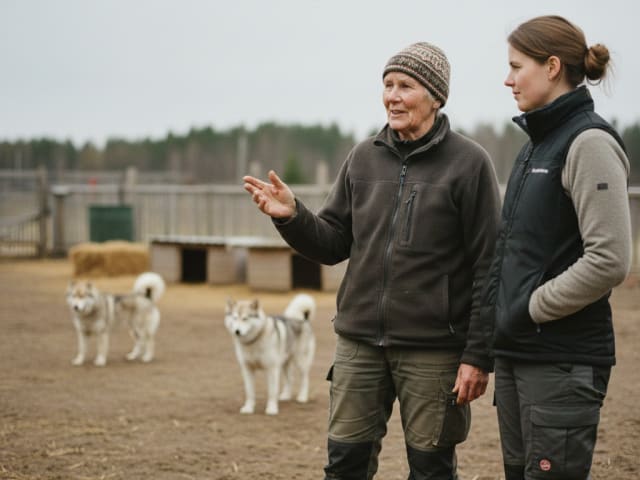
Reading up is an important first step, but you’ll often gain deeper insight by talking to experienced breeders. Those who have worked with a breed for a long time know how their dogs function in everyday life, common traits, and what challenges may arise.
If you want to get in touch with breeders, you can find them using our breeder map, where you can search by breed and access basic information.
It can also be valuable to talk to other dog owners, trainers or advisors with solid knowledge of different breeds. Hearing several perspectives often leads to a better‑informed decision, especially when you’re choosing between several options.