¶How should you choose your dog’s sex?
Bitches normally come into heat 2–3 times a year (for about 3 weeks at a time). This means some extra work – for example, you can’t just let her run loose whenever you like. An accidental mating can happen very quickly if you’re unlucky.
Some bitches experience false pregnancy after their heat, which can be a difficult period for both dog and owner.
A common argument for choosing a male is that you avoid these heat periods. Sometimes a male dog may feel the need to climb the social ladder, which can lead to dominance issues and cause tension with other male dogs and even with people.
Some males become very frustrated when there are bitches in heat nearby and may then show unwanted behaviours, such as trying to escape, refusing food, or howling. And not all bitches come into heat at the same time.
¶Choosing the right breed
You should choose a breed carefully, as you will hopefully be spending 10–15 years together (though some large breeds have a shorter average lifespan). It’s important that you are a good match.
Sit down – you and any other family members – each with a pen and paper, and ask yourselves a few questions: How do I want the dog to look as an adult? Perhaps you want a large dog – in that case, is there enough space for the dog without it constantly being in the way? Coat type is also an important question, as long‑haired dogs bring in much more dirt and, in cases where the dog has an undercoat, they usually also have a much stronger smell.
You can try our Breed Guide to get some suggestions for breeds that might suit your lifestyle.
¶Adult or puppy?
Puppies need time. Many people feel short of time, but a puppy doesn’t care about that. It won’t wait until next week when you have time to take it to training. Compared with an older dog, there is a lot a puppy has to learn. It is also difficult to choose a puppy if you’ve never had a dog before. What should you look for? What should you teach it? An adult dog already has more training.
An adult dog usually needs 3 to 4 weeks to adjust to a new environment. Make sure the dog hasn’t just been kept in a kennel run up until you collect it, but has received the socialisation training it really needs. If you see that the dog is already showing signs of anxiety or aggression after a week, you should carefully consider what that would mean in terms of the time and commitment required from you to care for a dog with problems.
¶Cost
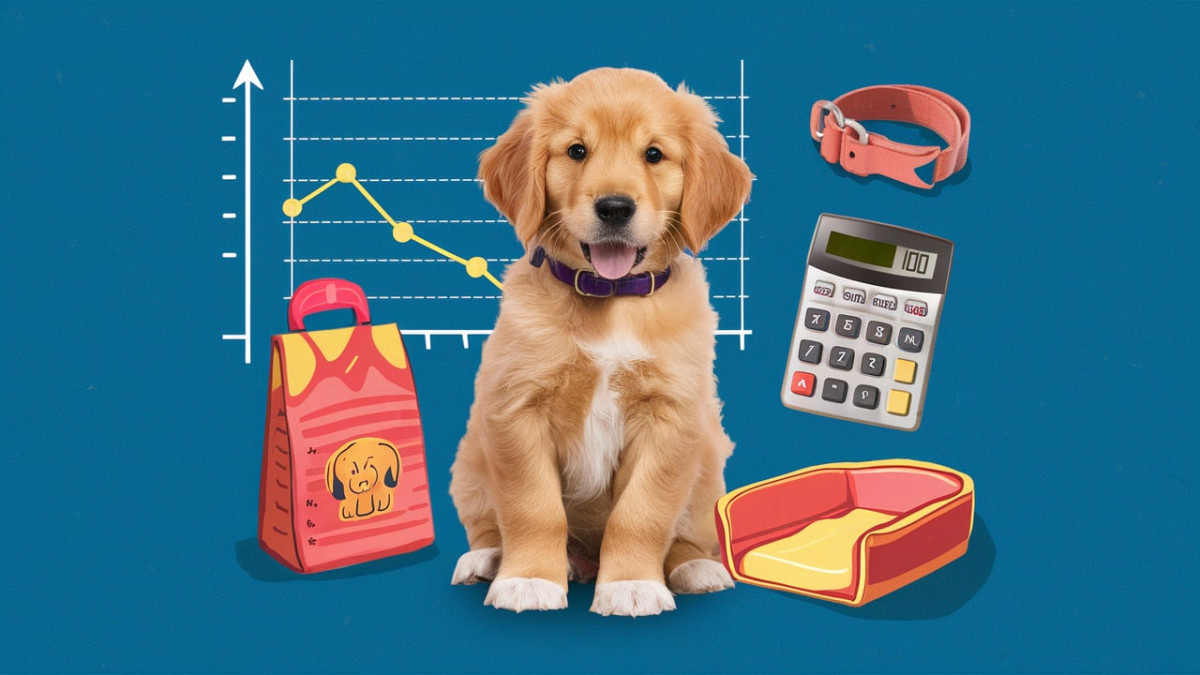
A medium‑sized pedigree dog costs around 13,000 SEK to buy. On top of that you’ll have expenses for vaccination, insurance, training classes, food, poop bags, and accessories. You should therefore expect to spend about 3,000–7,000 SEK per year. (In general, a small dog costs less than a large one.)
Some breeds need grooming more often than others, which also increases the yearly cost.
Nine out of ten dogs in Sweden are insured. All dogs should be insured from a very early age to avoid large veterinary bills if an accident or illness occurs. To make things easier for our dog owners, we cooperate with Trygg Hansa. At Trygg Hansa you can compare coverage and prices and choose an insurance that suits your needs.
¶Don’t be fooled – don’t buy a smuggled dog!
People who smuggle dogs know exactly how to trick you. Someone buying a dog for the first time can easily fall for their lies and trust what they say without question. If you get a bad feeling or suspect that the dog might be smuggled, it’s better to back out than go through with the purchase.
All ads on our site go through several checks and processes before we approve them. That’s why it’s safer to buy a dog through us than on many other sites.
If you want to see active ads, you can find them here.
¶14 questions to ask yourself before buying a dog
In this article you can read through 14 questions you should ask yourself before getting a dog. You’re welcome to read the article.
Want an overview of the next steps? Read about buying a dog on Get a Pet, from comparing your options to contacting the seller.