¶What it Means to Choose the Right Dog Breed
Choosing the right dog breed is first and foremost about how the dog’s traits work in everyday life. Every breed has been developed in a specific context, usually for a clear purpose, and those traits still affect how the dog moves, cooperates, and handles its surroundings. Even in a modern companion setting, these basic characteristics remain and shape the relationship between dog and owner.
A sustainable breed choice is rarely based on single traits, but on how several factors work together in everyday life.
A well‑considered breed choice should be based on practical circumstances rather than idealized images. Housing, working hours, previous dog experience, and the ability to provide regular activity are all crucial for meeting a dog’s needs. When these factors aren’t accounted for, day‑to‑day life is more likely to become more demanding than expected, both for the dog and for the owner.
In practice, the differences between breeds often become clearer only after the dog has grown out of the puppy stage and everyday routines are established.
At the same time, it’s important to distinguish between a breed’s general traits and the individual dog. Breed descriptions provide an overall picture of common behaviours and needs, but they can never fully predict how one specific dog will behave in all situations. There is always variation, even within breeds that are considered relatively uniform.
Choosing the right breed is therefore not about finding a perfect match on paper, but about making a choice that works over time. When the breed’s basic characteristics align with the demands of everyday life, it creates better conditions for stable, long‑term dog ownership.
¶Common Mistakes When Choosing a Dog Breed
One of the most common mistakes when choosing a breed is basing the decision on appearance or on an imagined picture of life with a dog, rather than on how day‑to‑day life actually works. Many breeds are associated with a certain look or lifestyle, but behind the surface there are often needs that only become obvious once normal routines are in place.
Another recurring mistake is underestimating how much time and commitment different breeds require. Activity level, need for mental stimulation, and training demands vary greatly between breeds, and the differences often become more apparent once the dog is fully grown. When these needs aren’t met, both the dog’s wellbeing and the relationship with the owner can be negatively affected.
It’s also common to overlook future changes. Moving, new working hours, or starting a family can quickly change the conditions for owning a dog. A breed that works well in one phase of life won’t necessarily be as easy to adapt to new circumstances.
Finally, many choices are made based on other people’s experiences instead of one’s own situation. Just because a certain breed works well for friends, family, or someone on social media doesn’t mean it will automatically fit in another household. A sustainable breed choice therefore requires that the decision is based on your own circumstances.
¶Dog Size and What It Means in Practice
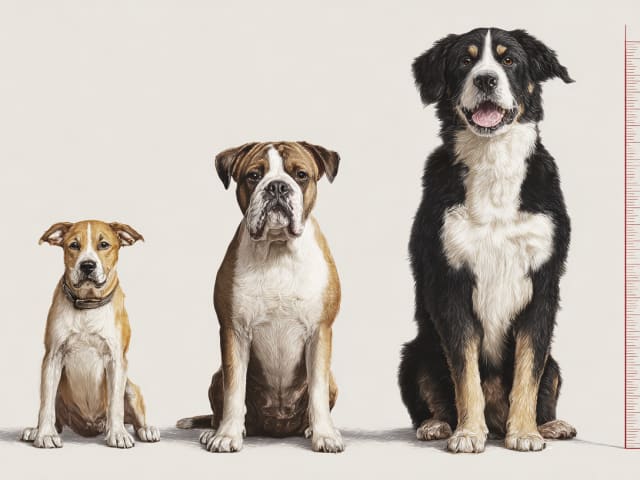
A dog’s size affects many aspects of everyday life, often more than you might think. It’s not just about how much space the dog takes up, but about exercise needs, strain on the body, costs, and how easily the dog adapts to different environments. Size therefore acts as a basic framework for the dog’s needs and conditions.
In organized dog breeding, size is described as a functional trait rather than an aesthetic one. Height at the withers and weight are given in relation to the breed’s original purpose, such as hunting, herding, or companionship. These measurements indicate how the dog is built to work and move, which in turn affects how it functions in modern everyday life.
Small dogs are often associated with lower activity needs, but in practice this varies widely between breeds. Many smaller dogs were bred for tasks that require both endurance and independence. At the same time, there are larger breeds that were developed for calmer work and that are comfortable with a more relaxed pace, despite their size.
Size also matters for the long‑term responsibility. Larger dogs often mean higher costs for food, equipment, and veterinary care, and the strain on joints and skeleton can vary depending on body type and growth pattern. These factors become especially important over time, as the dog grows older.
If you want to look into this more closely, it can be helpful to compare breeds by size:
Factoring in size early in the decision‑making process often makes it easier to narrow down which breeds are realistic options and which are likely to place demands that are hard to meet in everyday life.
¶Activity Level and Breed Origins
A dog’s activity level is often closely linked to the breed’s original purpose. Many breeds were developed to perform specific tasks, such as hunting, herding, or guarding, and those traits still influence how the dog functions in daily life. Even if the dog now lives as a companion, its work drive, stamina, and need for stimulation often remain to varying degrees.
Breeds that have been used for independent work often have a greater need for mental activation and problem‑solving. Other breeds, developed for close cooperation with humans, may be more responsive but still require regular training and clear structure. Understanding a breed’s background therefore gives a better idea of what needs you can reasonably expect in everyday life.
It’s also important to distinguish between physical exercise and mental stimulation. A dog with a strong work drive can be at least as demanding mentally as physically. Long walks are not always enough to meet the need for tasks, variety, and interaction, especially in breeds bred to work for long periods.
At the same time, there are large individual differences. Not all dogs within a breed have the same drive or intensity, and upbringing, experiences, and training play a big role in how traits are expressed. The breed’s origins should therefore be viewed as guidance rather than an exact template for how any one dog will behave.
Taking activity level and origins into account early in the process makes it easier to choose a breed that matches the time and commitment actually available in your day‑to‑day life, both now and in the long term.
¶Temperament and Personality in Everyday Life
Temperament describes how a dog typically reacts to its surroundings and to the people around it. It includes things like how independent the dog is, how social it is, how quickly it becomes aroused or excited, and how it handles new situations. These traits affect everyday life at least as much as size and activity level.
Some breeds are generally more independent and able to make their own decisions, while others have been bred for close cooperation with humans and often look to people for guidance. The differences show up in many everyday situations, for example in how the dog:
- reacts to new environments and impressions
- relates to unfamiliar people and dogs
- handles waiting, frustration, and changes
- seeks contact and cooperation with its owner
Temperament also affects how the dog handles stress. Breeds with high alertness or strong instincts may react more quickly to sounds, movement, and changes in the environment, while others are more stable and less easily affected. In practice, this can make a big difference to how the dog copes in, for example, city environments, families with children, or households with multiple animals.
At the same time, temperament is never entirely predetermined. Upbringing, socialization, and life experiences play a major role in how traits develop over time. General breed tendencies provide a starting point, but it is the interaction between genetics and environment that shapes the dog’s personality.
Choosing a breed with the right temperament therefore means reflecting on what your own daily life looks like. A dog that needs clear structure, high presence, or a lot of engagement can thrive in the right setting but be demanding in another.
¶Home, Family, and Life Situation
Your home and life situation have a major impact on how well a breed works in everyday life. It’s not just about available space, but also about the kind of environment you live in, what routines you have, and how much flexibility your everyday life allows. A dog that fits well in one setting may do much worse in another, even though the breed’s basic traits are the same.
In practice, a dog’s daily life is influenced by factors such as:
- living in an apartment or a house
- access to green areas and good walking routes
- whether there are children or other animals in the household
- how much time is spent at home versus away
- what daily life looks like on weekdays, weekends, and holidays
Family situation also matters. Some breeds are generally more tolerant of noise and activity, while others do better in calmer homes with predictable routines. This is especially important in households with small children, where noise levels, pace, and unexpected situations may be part of daily life.
Life circumstances also tend to change over time. Moving, changing work hours, or new family members can quickly alter the conditions for dog ownership. A breed that suits you well now should ideally also work reasonably well in the longer term.
Considering housing, family, and life situation early on makes it easier to choose a breed that works not only in theory, but in the life you actually live.
¶Time, Care, and Long‑Term Responsibility
Choosing a dog breed means taking responsibility for far more than the puppy period. Different breeds place different demands on care, training, and daily routines, and these demands often change over time. What feels manageable at first can become more demanding as the dog grows, becomes stronger, or develops clearer needs.
Dog ownership is rarely at its most demanding at the beginning, but once everyday routines are in place and the dog’s needs become clearer.
Care is not just about grooming, but also about how much time needs to be spent on activity, training, and social interaction. Some breeds require regular coat care or professional grooming, while others are easier to maintain but may have greater needs for physical or mental stimulation. These differences affect how much time and planning dog ownership requires day to day.
Long‑term responsibility also includes finances and practical conditions. Food, equipment, and veterinary care are recurring costs that often vary with the dog’s size, health, and activity level. Over time, factors like ageing, reduced mobility, or special care needs may arise, affecting both time and cost.
Taking time, care, and long‑term responsibility into account when choosing a breed makes it easier to make a decision that will hold up over the years. A breed that fits into your life even when circumstances change gives you a better chance of stable, long‑term dog ownership.
¶Talking to Breeders and Other Experts
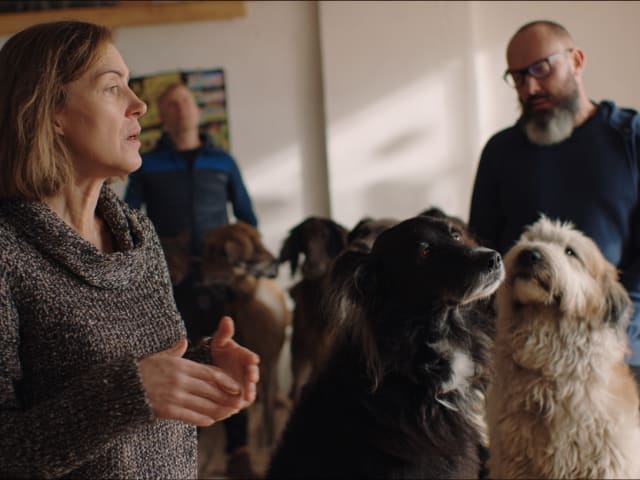
Reading descriptions and doing your own research is an important first step in understanding different breeds, but many people find that talking to knowledgeable people gives a deeper insight. Breeders who work long‑term with a breed often have a good feel for how their dogs function in everyday life, which traits are most common, and which challenges can arise over time.
By talking to breeders, you can often get a more nuanced picture than short breed summaries provide. These conversations might cover anything from temperament and activity level to how the dogs develop from puppy to adult, as well as what expectations are reasonable for a future dog owner.
If you’d like to get in touch, you can find breeders through our breeder overview, where you can search by breed and access basic information.
It can also be valuable to hear from other dog owners, instructors, or advisors with solid knowledge of different breeds. Multiple perspectives often contribute to a more well‑grounded decision, especially when you’re choosing between several options.
¶When Support and Guidance Can Make a Difference
Even with careful research, choosing a breed can feel difficult. Many breeds share similar traits on paper, and it’s not always obvious how the differences show up in daily life. In such cases, personal guidance can be a valuable complement to your own research.
Being able to ask questions and talk through your own situation often helps clarify what matters most in your choice. It might be about weighing size against activity level, or understanding how temperament and everyday demands fit together in practice. Often, just a few targeted questions are enough to rule out options that aren’t realistic.
For those who want support, our expert help is available for buyers. There you can get assistance with questions about breed choice, everyday conditions, and how different options might work in practice.
Getting help at the right stage can reduce the risk of a poor match and support a more thoughtful decision, especially when several factors need to be balanced at once.
¶When You Want to Test Your Own Conditions
When you’re weighing several factors at once, it can be hard to know which traits you should actually prioritise. A structured test can then be a helpful way to clarify how your everyday life, experience, and expectations line up with different types of breeds.
The test is based on practical circumstances rather than ideal images. Questions about housing, time, activity level, and previous experience are used to narrow down which breeds are more or less realistic choices. The result shouldn’t be seen as a definitive answer, but as a basis for further reflection.
For many people, the test becomes a complement to their own research and conversations with breeders or knowledgeable advisers. It can help rule out breeds that don’t match your everyday life and make it easier to focus on those with better chances of working well in the long term.
Once you have narrowed down which dogs suit your daily life, read more about buying a dog and comparing current listings.