
¶Table of Contents
¶Quick Facts
- Males 52–58 cm, females 48–54 cm. Eukanuba lists a weight of around 20–25 kg.
- Regular exercise on varied terrain and opportunities to use its nose.
- A double coat with coarse guard hairs and a dense undercoat.
- Around 12–14 years, according to Eukanuba’s breed guide.
- An active owner interested in hunting, tracking or other regular work in woodland.
¶Appearance & Coat
The Russian-European Laika was bred to hunt in wooded terrain. For owners, this means daily life needs to include tasks that draw on the dog’s searching ability, teamwork and stamina.
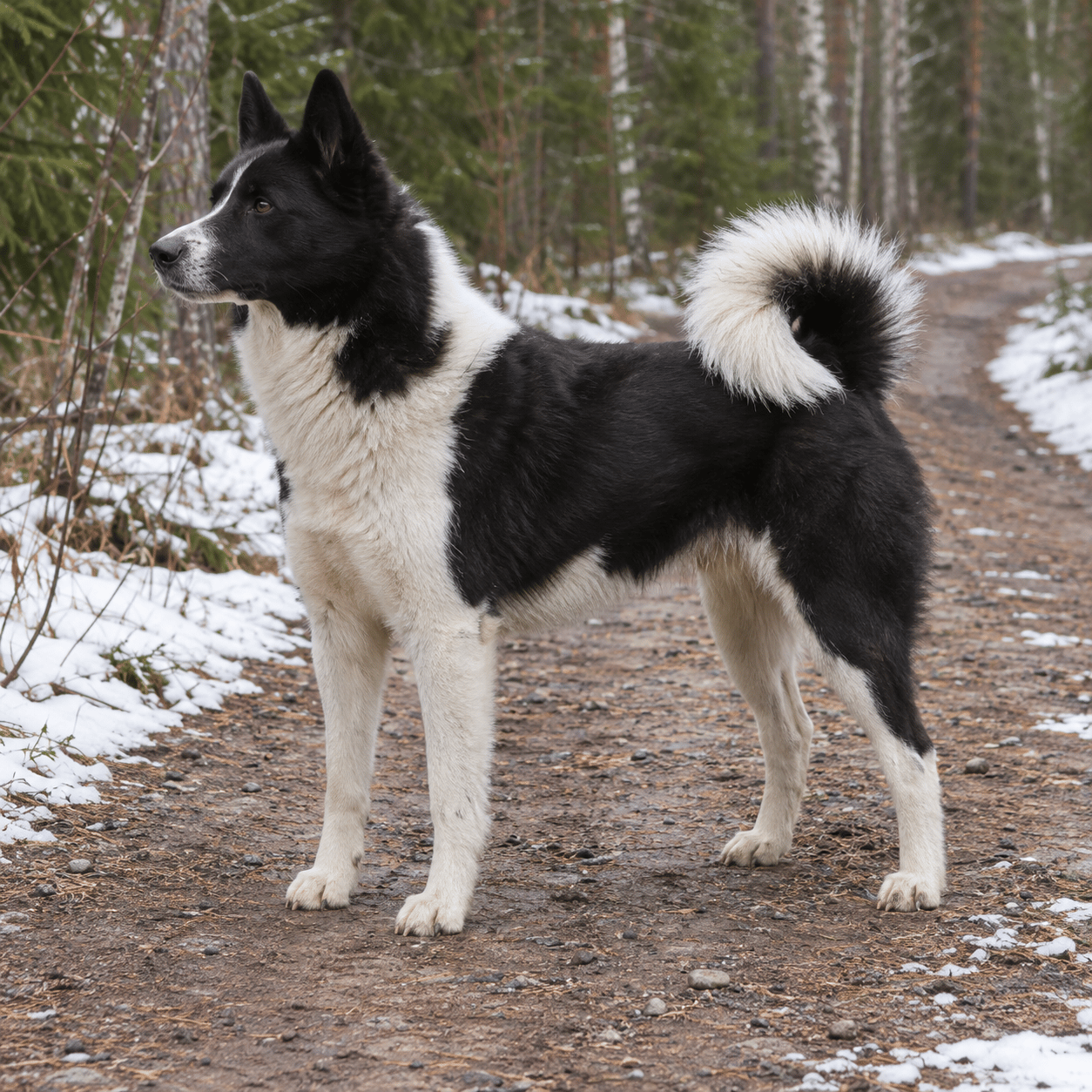
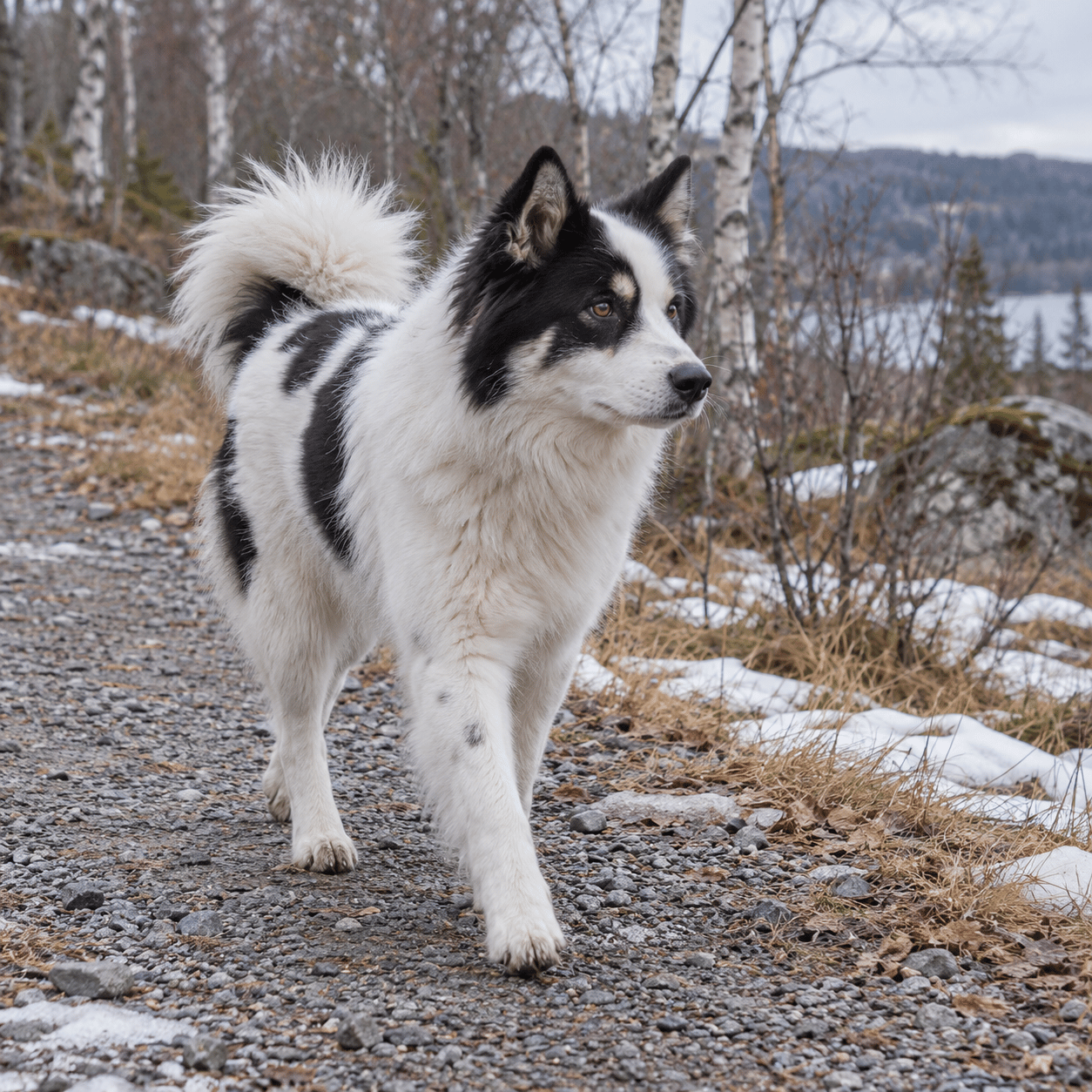
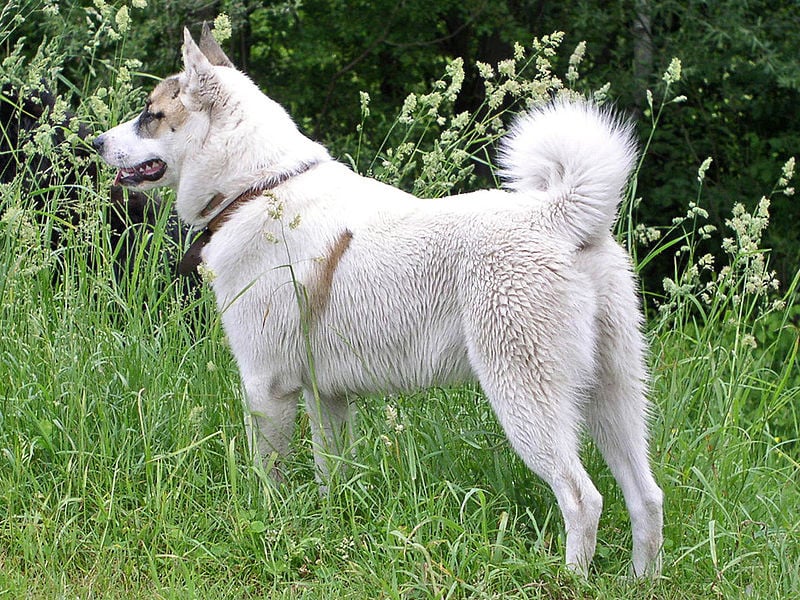
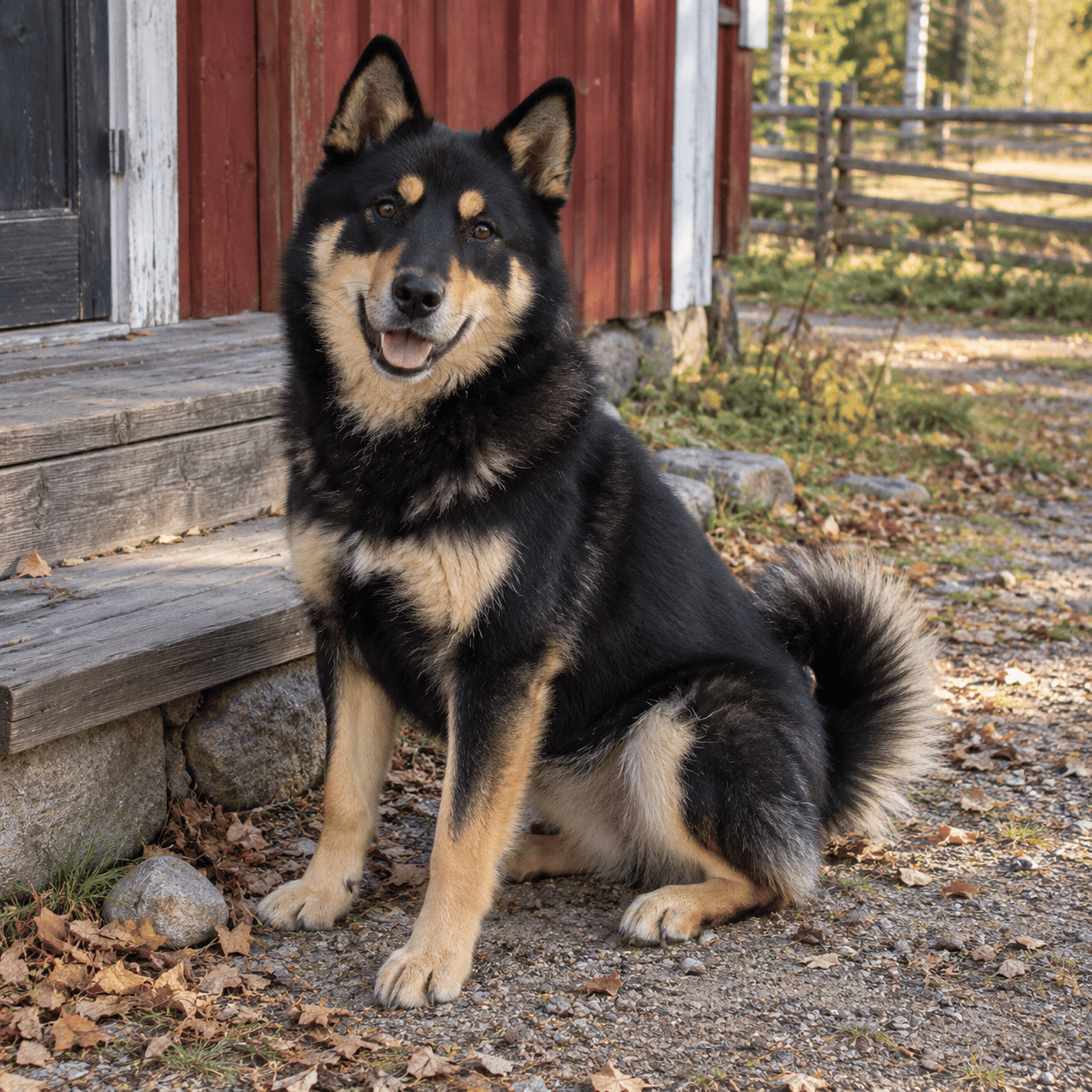
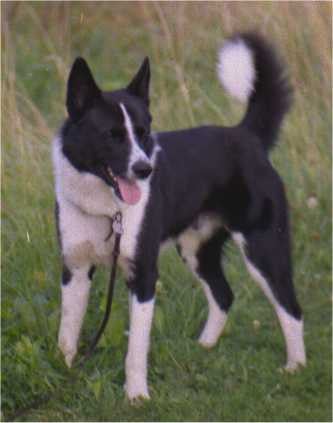
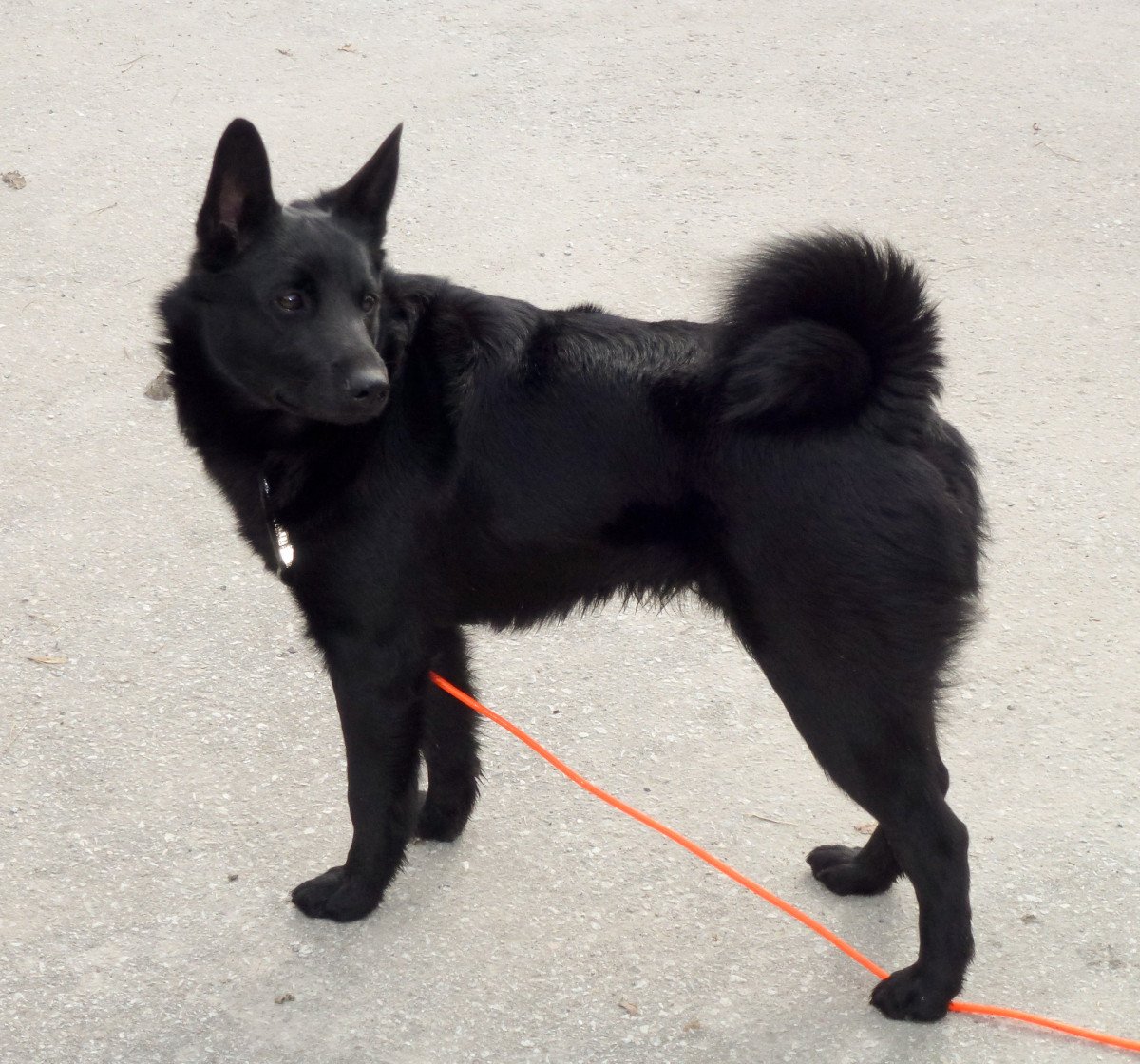
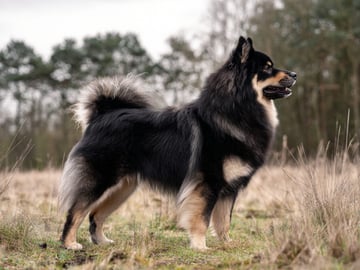
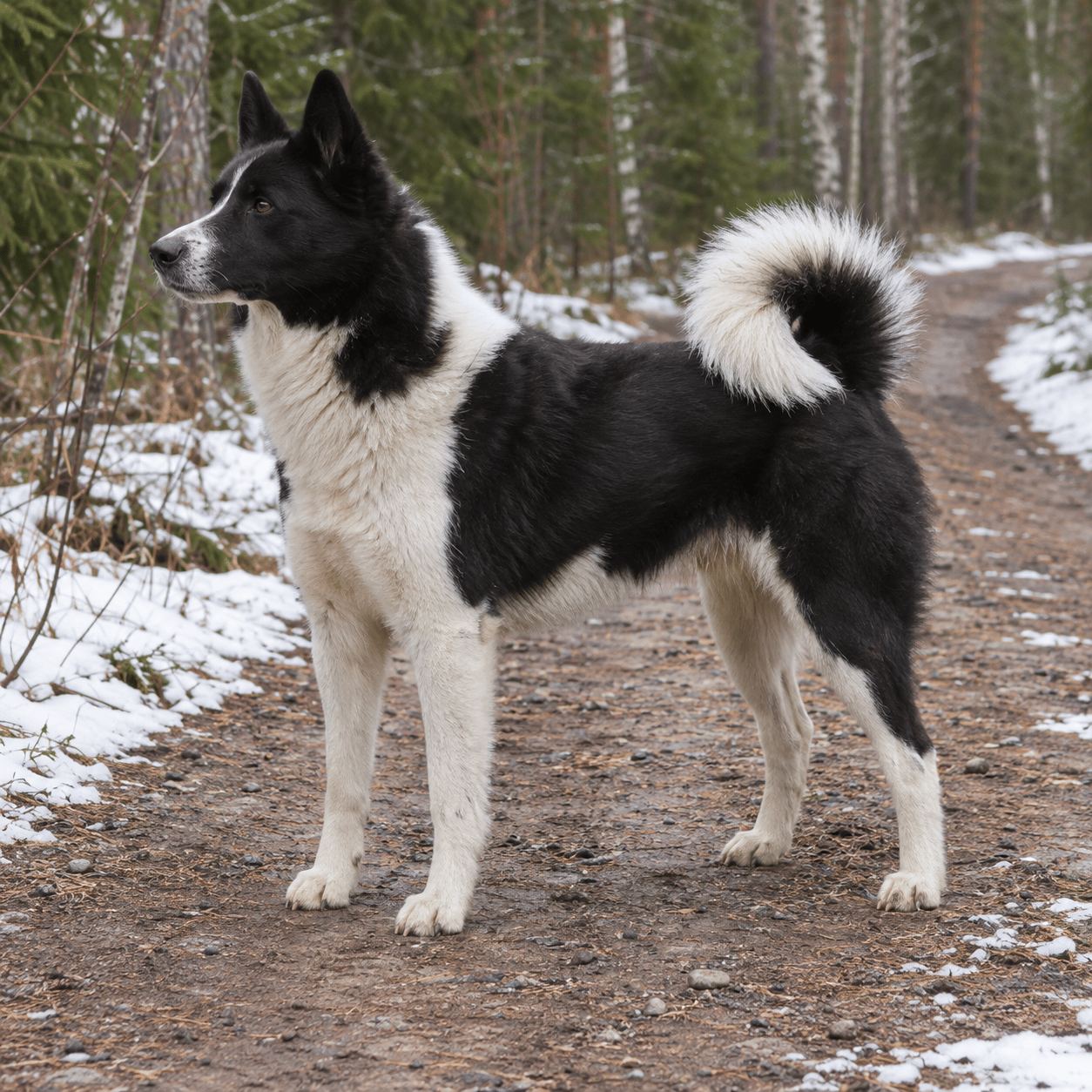
Upright ears and a curled tail give the breed a distinctive spitz silhouette. Black and white is a familiar coat pattern.
¶Temperament & Personality
The breed is alert and can work independently in the woods. Barking is part of its working style. Teach your dog from an early age to settle between activities.
¶Training & Exercise
Work on engagement and recall, and use a long line when the dog’s interest in wildlife makes it difficult to call back. Gradually increase the length and difficulty of search tasks.
¶Health
Review the current breeding strategy and ask the breeder for the parents’ health documentation and information about health in the wider family.
¶History & Origins
The breed was developed from local dog types in European Russia and has been used to hunt various kinds of game.
¶Living with the Breed
Comb out the undercoat during shedding seasons. Make room for work and choose an environment where barking will not cause unnecessary friction in daily life.
¶Characteristics
¶Frequently Asked Questions
¶Comparisons with Other Breeds
Compare Russian-European Laika with other breeds and see the differences in temperament, activity level, and care to make a confident choice. Show All Comparisons