
¶Table of Contents
¶Quick Facts
- Medium sized French scent hound with long ears, tousled coat, and a famously cheerful, outgoing character
- Bred to hunt in packs, so usually sociable with other dogs and enjoys living in a group or active family
- Strong nose and independent mind mean they love to follow scents and need secure fencing and good recall training
- Coat is rough, weather resistant, and relatively low maintenance but needs regular brushing and occasional trimming
- Best suited to owners who enjoy long walks, outdoor activities, and can offer patient, consistent training
¶Appearance & Coat
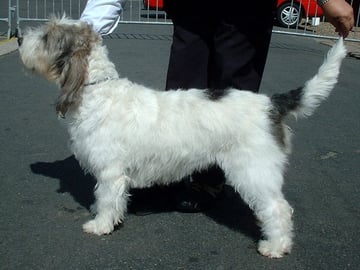
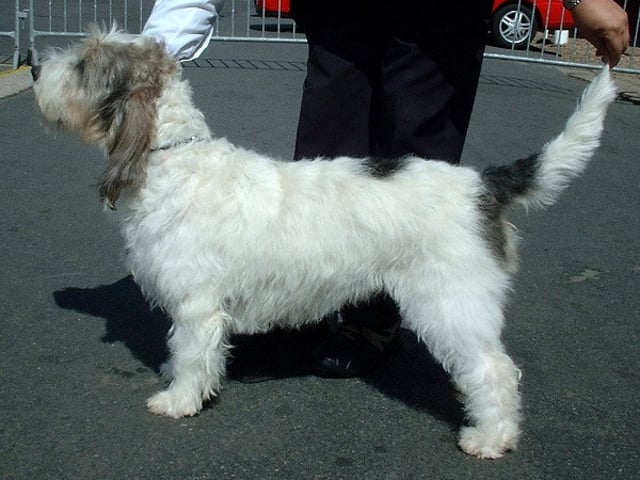
The Grand Basset Griffon Vendéen, often shortened to GBGV, is a medium sized, sturdy hound with an unmistakable rustic charm. At first glance you notice the long, low outline, the rough and shaggy coat, and the friendly, expressive eyes framed by long eyebrows and beard. While they share some similarities with the Petit Basset Griffon Vendéen, the Grand Basset is taller, longer in body, and generally more substantial. This is a dog built for long hours of work in varied terrain, not for the show ring alone.
Adults typically stand around 40 to 44 centimeters at the shoulder and have a rectangular outline, being clearly longer than they are tall. The body is solid without looking heavy. The chest is deep enough to allow plenty of lung capacity, which supports their stamina during long hunts or long hikes. Their legs are straight and strong, giving an efficient ground covering stride, although the breed still has a slightly low set appearance compared to many other hounds.
The head of the Grand Basset Griffon Vendéen is one of its most endearing features. The skull is slightly domed, the muzzle is fairly long and strong, and the nose is large with open nostrils, which reflects the breed’s excellent scenting ability. Long, supple ears set low and covered in silky hair frame the face and help direct scents toward the nose. Thick eyebrows and a distinct moustache and beard give the dog a wise, slightly mischievous look that many owners find irresistible.
The coat of the GBGV is rough, harsh, and weatherproof, never soft or woolly. It forms a protective layer that allows the dog to hunt through brambles and undergrowth without too much trouble. Under the harsh topcoat there is usually a bit of undercoat, although not as dense as in some northern breeds. Typical colors include various combinations of white with black, fawn, or orange markings, as well as tricolor patterns. Black and white with tan accents, or white and fawn, are quite common. The color patterns may change slightly as the dog matures, with some lightening or blending of shades.
From a practical standpoint, coat care for the Grand Basset Griffon Vendéen is reasonable but should not be neglected. The rough coat does not mat as quickly as a long silky coat, but it can trap dirt, seeds, and small twigs. A thorough brushing once or twice a week is usually enough for a pet dog. A simple slicker brush or a firm bristle brush works well to remove loose hair and debris. You should pay special attention to the beard, feathering on the legs, and the area behind the ears, as these areas tend to collect the most dirt and tangles.
Many owners find that occasional hand stripping or careful thinning performed a few times a year helps keep the coat in good condition, especially for dogs that take part in shows. Pet owners who do not show often opt for light trimming of the feet, beard, and around the rear for hygiene. It is better to avoid heavy clipping, as this can change the texture of the coat and reduce its natural protective qualities.
The long ears require regular checks and gentle cleaning to prevent wax build up and reduce the risk of ear infections, especially if the dog swims frequently. After muddy walks or hunts, a quick rinse of the legs and belly keeps the coat in good condition and helps maintain a clean home. Overall, the appearance of the Grand Basset Griffon Vendéen is both practical and charming, combining robust working structure with a friendly, rustic look that stands out wherever they go.
¶Temperament & Personality
Living with a Grand Basset Griffon Vendéen means sharing your home with a lively, affectionate, and often quite humorous companion. This is a dog that generally wakes up happy, greets the world with enthusiasm, and expects to be involved in whatever the family is doing. Bred for pack hunting, the GBGV is naturally sociable and tends to enjoy the company of people and other dogs alike.
In daily life, most Grand Basset Griffon Vendéens are cheerful and playful without being hyperactive indoors. Once their exercise needs are met, they usually settle well at home, often choosing a spot where they can still keep an eye on the family. They are known for their affectionate nature and often seek out physical contact, whether it is leaning gently against your legs, resting a head on your knee, or curling up close on the sofa if allowed.
With families, the breed can be a wonderful companion when raised and managed correctly. They are usually kind and patient with children, particularly when the children are taught to respect the dog’s space and handle it gently. Because this is a sturdy, medium sized hound, they can tolerate a bit of noise and activity, which suits many busy households. That said, close supervision is always important when any dog and young children are together. Good habits such as not disturbing the dog while it eats or sleeps help build a safe, trusting relationship.
With other dogs, the Grand Basset Griffon Vendéen often shines. Their background as a pack hunter means that most individuals enjoy canine company and communicate well with other dogs. They can play energetically, sometimes using their voice enthusiastically, which may surprise dogs that are less vocal. Early socialization remains important to ensure they grow into polite canine citizens who understand how to behave appropriately in different situations, such as dog parks, group training classes, or busy walking routes.
Small pets can be more of a challenge. The GBGV has a well developed hunting instinct and a strong interest in scent, especially that of rabbits, hare, and other small mammals. Some individuals can learn to live peacefully with cats, particularly if raised with them from an early age, but this is not guaranteed. Very small pets such as rodents or birds should be carefully protected, and interactions should be controlled to prevent accidental harm.
A characteristic trait of many Grand Basset Griffon Vendéens is their voice. Like many scent hounds, they may bark or bay when excited, when they pick up an interesting trail, or when they want to alert their family. In a rural setting this trait may be less of an issue, but in urban or apartment living it must be managed with training, routine, and appropriate outlets for their energy and instincts. Teaching a useful cue such as “quiet” and rewarding calm behavior can help reduce excessive noise.
One of the main challenges with the breed is its independence. These dogs were developed to follow a scent trail with determination and to think for themselves in the field, which means they may not always respond instantly to commands, especially if something smells fascinating. Owners who expect a highly obedient, people pleasing dog might find the GBGV a little stubborn. However, what appears as stubbornness is usually a strong instinct and natural focus on scent. With patient guidance and consistent boundaries, they learn to cooperate while still keeping their spirited personality.
Grand Basset Griffon Vendéens tend to be emotionally robust but sensitive in their own way. They respond poorly to harsh handling or shouting and do best with owners who can provide calm, clear leadership and positive reinforcement. When treated fairly and kindly, they form strong bonds and reward their families with loyalty, laughter, and a deep sense of companionship. For those who appreciate an outgoing, slightly comical hound with a strong character, the GBGV’s temperament is deeply rewarding.
¶Training & Exercise
The Grand Basset Griffon Vendéen is an active working breed that thrives on a combination of physical exercise and mental stimulation. While they are not as intense as some herding or working breeds, they are far from couch potatoes. Owners should plan for at least one to two hours of activity each day, divided into walks, play sessions, and mentally engaging games.
Long, steady walks are a good foundation. Many GBGVs enjoy hiking, exploring forest trails, and joining their humans on outdoor adventures. Their stamina is impressive for their size, and most adults can easily handle longer weekend walks if conditioned properly. Off lead exercise is highly beneficial, but it comes with one big condition. Because of their strong scenting instinct, recall training must be solid, and off lead time should only be allowed in safe areas away from roads and wildlife. Many owners choose secure fields or enclosed dog parks where the dog can run without risk.
In addition to general exercise, this breed benefits greatly from activities that allow them to use their nose. Scent games and tracking exercises are ideal. For example, you can hide treats or favorite toys around your garden or home and encourage your dog to “find it.” More structured nose work or man trailing classes can be an excellent outlet for their natural abilities and can deepen your bond through shared activity.
When it comes to training, the Grand Basset Griffon Vendéen responds best to positive, reward based methods. Food rewards, toys, and enthusiastic praise work better than pressure or corrections. Short, varied training sessions keep them engaged. They can become bored if asked to repeat the same exercise too often, so mixing obedience, tricks, and scent games into one session can help maintain focus.
Basic obedience training is important for safety and good manners. Key cues include:
- Reliable recall
- Loose lead walking
- Sit, down, and stay
- “Leave it” and “drop”
- A strong “come away” from interesting scents or wildlife
Housetraining and crate training are usually straightforward if started early and managed consistently. Because the breed is intelligent but independent, patience and a sense of humor are helpful. Some dogs may test boundaries during adolescence, when hormones and confidence increase. Keeping up with training, maintaining clear rules, and ensuring enough exercise during this stage can prevent unwanted behaviors such as excessive barking, digging, or escape attempts.
The GBGV can also enjoy various dog sports. While not as common as some breeds in competitive circuits, they can do well in:
- Man trailing or tracking
- Nose work or scent detection games
- Agility at a moderate level
- Rally obedience for mental focus and teamwork
These activities should always be adapted to the dog’s physical condition and build. The long back means it is wise to avoid frequent high impact jumps, especially while the dog is still growing.
One aspect to keep in mind is that Grand Basset Griffon Vendéens often enjoy following their own agenda outdoors. Rather than fighting this, integrate their interests into training. Allow sniffing breaks during walks as a reward, or turn recall into a game where returning to you briefly earns permission to go explore again. This approach acknowledges the dog’s natural instincts and creates cooperation instead of conflict.
With understanding and commitment, training a GBGV can be deeply satisfying. They may never be robotic in their obedience, and that is part of their charm. Instead, you gain a partner who thinks, decides, and works with you. Owners who treat training as a shared journey rather than a strict command and control system usually discover how eager this friendly hound is to learn.
¶Health
The Grand Basset Griffon Vendéen is generally a robust and hardy breed, shaped by practical working needs in the French countryside. However, like all purebred dogs, there are certain health issues that potential owners and breeders should be aware of. Responsible breeding, appropriate health testing, and sensible care throughout life help many GBGVs enjoy a long and active life.
Average lifespan is often around 12 to 14 years, with some individuals living beyond that when well cared for. To support this, it is important to choose a puppy from parents that have been health screened and that come from lines with a good record of soundness and longevity.
Common or noteworthy health considerations for the breed can include:
- Ear problems. The long, pendulous ears and hairy ear canals create a warm, dark environment that can encourage wax build up and, in some cases, ear infections. Regular ear checks and gentle cleaning help reduce risk. Dogs that swim often or live in humid climates may need even more careful monitoring.
- Musculoskeletal issues. Like many medium sized breeds with a longer back, there can be a risk of back strain or, more rarely, spinal problems. Avoid excessive jumping, especially from furniture or high obstacles, and keep the dog at a healthy weight. Some lines may have a predisposition to hip dysplasia, so screening breeding stock is important.
- Eye conditions. Some scent hounds are prone to certain eye issues, so regular veterinary checkups and, where available, eye testing of breeding dogs can be helpful.
- Obesity. The GBGV often has a healthy appetite and can put on weight if food intake is not matched to activity level. Excess weight increases strain on the back and joints and can worsen other conditions such as arthritis or heart disease later in life.
Responsible breeders typically screen for hip dysplasia and may carry out eye examinations or other tests recommended by their national or regional kennel club. When speaking with a breeder, it is reasonable to ask:
- Which health tests have been performed on the parents
- Whether there is any history of serious illness in the lines
- How long close relatives typically live
Good breeders should be open and honest about the health picture of their kennel and of the breed generally.
Routine preventive care makes a big difference. Regular vaccinations, parasite control, dental care, and weight management are all part of keeping a Grand Basset Griffon Vendéen in good condition. Because the breed is active, small injuries such as cuts and thorn pricks can occur during outdoor adventures. A simple home first aid kit and the habit of checking your dog after walks, especially in rough terrain, will help you spot problems early.
Another important part of health is mental welfare. A bored, under exercised GBGV can develop stress related behaviors, which in turn may affect physical health. Ensuring enough daily movement, play, and interaction supports emotional wellbeing and can even lower the risk of some behavior related issues.
As your Grand Basset Griffon Vendéen ages, you may notice changes in energy level, weight distribution, and mobility. Regular veterinary checkups, including blood work for senior dogs, may pick up early signs of age related conditions such as kidney changes, arthritis, or heart disease. Simple adaptations such as softer bedding, ramps instead of stairs, shorter but more frequent walks, and joint support supplements on veterinary advice can make the senior years comfortable and enjoyable.
By combining informed puppy selection, ongoing preventive care, and an active, balanced lifestyle, most owners find that their GBGV remains a healthy, happy companion for many years. The goal is not only to add years to the dog’s life, but also life to the dog’s years.
¶History & Origins
The Grand Basset Griffon Vendéen belongs to a rich tradition of French scent hounds that were developed over centuries to meet very specific hunting needs. Originating from the Vendée region on the western coast of France, these dogs were bred to work in challenging terrain that included dense undergrowth, rocky areas, and coastal scrub. Hunters needed a dog that was tough, enduring, and determined, yet still small and agile enough to move easily through thickets and tight spaces.
The term “Griffon” refers to the rough, wiry coat that protects the dog from brambles and harsh weather. “Basset” describes the lower stature compared to larger hounds, and “Vendéen” points to the geographical origin. Historically, there were various sizes and types of rough coated hounds in the region. Over time, hunters and breeders refined these dogs into different varieties to suit different types of game and hunting styles.
The Grand Basset Griffon Vendéen was developed as a medium sized hound suitable for hunting quarry such as hare, deer, and wild boar. Their job was to follow a scent trail steadily and accurately, often in packs, and to stay on the track for long periods. This required a very persistent character and an exceptional nose. Unlike sighthounds, which hunt primarily by speed and vision, the GBGV relies on scent, voice, and teamwork.
For many years, the breeding lines of Basset Griffon Vendéen dogs were not as clearly separated by size and type as they are today. Different sizes sometimes appeared in the same litters. Over the nineteenth and early twentieth centuries, French breeders gradually drew clearer distinctions between the Petit Basset Griffon Vendéen, the Grand Basset Griffon Vendéen, and larger Griffon Vendéen types. Breed clubs and standards were eventually established to describe and preserve these varieties more precisely.
The Grand Basset Griffon Vendéen was officially recognized by major kennel clubs and international canine organizations during the twentieth century. As international interest in French hunting breeds grew, the GBGV began to appear beyond France’s borders, first as a rare hound known among hunting enthusiasts, and later as a companion dog with a distinctive look and temperament.
Today, in its country of origin, the GBGV is still used as a hunting dog in some regions. Many hunters value the breed for its voice, which helps them follow the progress of the hunt, and for its tenacious scenting work. Outside of France, the breed is more commonly kept as a companion and show dog, although its hunting instincts remain very much alive.
In the show ring, the Grand Basset Griffon Vendéen has gained recognition for its unique appearance and lively character. Breed enthusiasts work to preserve not only its external features but also the strong working qualities that make it a true scent hound. This balance between form and function is important to maintain the original character and abilities of the breed.
Despite its long history, the GBGV is still relatively uncommon in many countries, which adds to its appeal for those who appreciate rare breeds. Breed clubs and dedicated breeders are usually keen to share knowledge and support new owners. Whether in the field, the forest, or the family home, the Grand Basset Griffon Vendéen carries with it centuries of history as a practical, courageous, and sociable hunting companion that has adapted well to modern life.
¶Living with the Breed
Choosing to live with a Grand Basset Griffon Vendéen is a rewarding experience, but it comes with responsibilities that potential owners should consider carefully. This is not a decorative or low effort dog. It is a working hound with real needs for movement, mental activity, and companionship. When those needs are met, the GBGV usually becomes a joyful member of the household.
First, think about time and lifestyle. Most GBGVs do best in homes where someone is present for a good part of the day. They appreciate human company and can become lonely if left alone for long hours every day. While some individuals learn to cope with moderate periods alone, regular isolation can lead to unwanted behaviors such as barking, howling, or destructive chewing. Families who work away from home may want to plan for dog walkers, daycare, or help from friends and relatives to break up the dog’s day.
Space is another consideration. The Grand Basset Griffon Vendéen does not need a huge house, but they benefit from easy access to safe outdoor areas. A securely fenced garden is ideal. Fences should be high and solid enough to discourage climbing or squeezing through gaps, as many hounds will attempt to follow interesting scents beyond their boundaries. Secure gates and careful monitoring help keep them safe. Apartment living is possible if the owner is dedicated to daily outdoor exercise and mental enrichment, and if the building is accepting of a sometimes vocal breed.
Financially, owning a GBGV involves normal dog related expenses such as quality food, routine veterinary care, vaccinations, parasite prevention, grooming tools, and insurance where available. You should also factor in occasional costs such as professional grooming if you prefer not to manage coat care alone, training classes during puppyhood and adolescence, and possible travel expenses if you join breed events or holidays with your dog. Over a year, many owners find that costs for a medium sized dog like the GBGV can be significant but manageable with proper planning, especially if unexpected veterinary bills are covered by insurance or savings.
Useful equipment for living comfortably with a Grand Basset Griffon Vendéen includes:
- A comfortable, well fitting harness that allows free shoulder movement
- A sturdy lead and a long line for controlled exploration during recall training
- A crate or secure sleeping area for rest and safe travel
- Strong, washable bedding that supports joints and can be easily cleaned
- Brushes and combs suitable for rough coats, along with ear cleaning solution
- Puzzle toys, food dispensing toys, and chews for mental stimulation
- Reflective gear or lights for safe walks in low light conditions
Planning travel with a GBGV is quite feasible, as many adapt well to car journeys when introduced gradually. A secure crate or well designed car harness increases safety. When staying in rented accommodation or hotels, remember that this breed can be vocal, so good management and pre exercise before settling inside are helpful.
Daily routine matters a lot. Many owners find success with a predictable schedule. For example:
- Morning walk with some training and sniffing time
- Midday short walk or play session, if possible
- Evening longer walk or more active training or games
- Calm time indoors with family, followed by a regular bedtime
This type of structure helps the dog understand when to be active and when to relax.
Living with a Grand Basset Griffon Vendéen also means accepting their quirks. Muddy paws and a damp beard after walks are common. You will likely learn to keep towels by the door and to clean ears regularly. You might also adjust to a bit of hound music when visitors arrive or when your dog feels particularly enthusiastic about a smell outside the window. Many owners grow to love these traits, as they are part of what makes a GBGV so distinctive.
In return for your care and commitment, the Grand Basset Griffon Vendéen offers a wide range of joys. They often bring a sense of fun to everyday life, turning a routine walk into an adventure. They form close emotional bonds and often show empathy when family members are sad or unwell. Their sociable nature can help you meet other dog lovers in parks, at training clubs, or at breed events.
For people who enjoy being outdoors, appreciate an independent but affectionate character, and are willing to invest time in training and companionship, living with a Grand Basset Griffon Vendéen can be a deeply satisfying experience. With thoughtful preparation and ongoing care, this friendly French hound can become a beloved member of the family and a loyal partner for many years.
¶Characteristics
| Characteristic | Value |
|---|---|
| Breed Type | Purebred |
| Aggressiveness | 2/5 |
| Child Friendly | 5/5 |
| Energy | 5/5 |
| Hair Shedding | 2/5 |
| Health | 4/5 |
| Intelligence | 3/5 |
| Grooming Needs | 2/5 |
| Learning Ability | 3/5 |
| Barking Level | 4/5 |
| Height | 39 – 44 cm |
| Weight | 16 – 20 kg |
| Life Expectancy | 11 – 15 years |
¶Frequently Asked Questions
What kind of temperament does the Grand Basset Griffon Vendéen have with families and children?
This breed is generally cheerful, friendly, and affectionate, with a strong tendency to bond closely to the family. They are usually good with children, especially when raised with them, but their stamina and enthusiasm mean supervision is important with very young kids. They can be vocal and independent, so early training and clear boundaries help them fit better into family life.
How much exercise does a Grand Basset Griffon Vendéen really need each day?
They were bred as tireless scent hounds and typically need at least 60 to 90 minutes of physical activity daily. Long walks, secure off‑lead running, and scent games are especially valuable. Without enough exercise and mental stimulation, they can become noisy, destructive, or prone to roaming.
Are Grand Basset Griffon Vendéens difficult to train because of their hunting background?
They are intelligent but quite independent, with a strong nose that can distract them from their handler. Training usually goes best with patient, consistent work and high‑value rewards rather than harsh corrections. Reliable recall can be challenging, so many owners keep them on a long line in open areas.
How much grooming does that rough, shaggy coat of a Grand Basset Griffon Vendéen need?
The harsh, wiry coat is relatively low shedding but needs weekly brushing to prevent tangles and to remove debris. Occasional hand‑stripping or professional tidying helps maintain the correct texture and outline. Their long ears and facial furnishings also need regular cleaning to reduce the risk of infections and staining.
What health problems are most common in Grand Basset Griffon Vendéens?
They are generally robust but can be prone to ear infections, some eye disorders, and musculoskeletal issues such as hip dysplasia. Their deep chest means a risk of bloat, so feeding in measured meals and avoiding heavy exercise right after eating is recommended. Ethical breeders usually screen breeding dogs for hips, eyes, and sometimes thyroid or cardiac issues.
Is a Grand Basset Griffon Vendéen suitable for apartment living?
It is possible but not ideal for most individuals, because they are active, vocal, and bred to cover ground. Apartment living requires strict commitment to multiple daily walks, structured exercise, and good training to manage baying. Access to a secure outdoor area and tolerant neighbors makes urban life more realistic for this breed.
How strong is the prey drive in a Grand Basset Griffon Vendéen and can they live with cats or small pets?
Prey drive is typically strong due to their history as pack hunting hounds. Many can live peacefully with resident cats if carefully socialized from a young age, but they may still chase unfamiliar animals. Small pets such as rabbits or rodents are usually best kept securely separated.
What is the difference between the Grand Basset Griffon Vendéen and the Petit Basset Griffon Vendéen?
The Grand is taller and longer in body, built to work at a somewhat faster pace and cover more ground than the Petit. Temperament is broadly similar, but the Grand may be a bit steadier and less clownish, with the same independent hound mindset. Both share the rough coat and long ears, so many differences are in size, outline, and working style.
Why are Grand Basset Griffon Vendéens known for being so vocal, and can this be managed?
They were bred to hunt in packs and use their voices to communicate with other dogs and hunters, so baying and barking are natural behaviors. While you cannot remove this tendency, good exercise, mental enrichment, and consistent training can reduce nuisance noise. Teaching a quiet cue and managing triggers such as boredom or unattended yard time is important.
What type of home and owner is best suited to a Grand Basset Griffon Vendéen?
They do best with active owners who enjoy long walks, hiking, or scent‑based activities and who appreciate a hound’s independent streak. A securely fenced garden and a household that can tolerate some noise and stubbornness are ideal. First‑time owners can succeed if they are committed to training, socialization, and meeting the breed’s exercise needs.
¶Comparisons with other breeds
Compare Grand Basset Griffon Vendéen with other breeds and see the differences in temperament, activity level, and care to make a confident choice. Show all comparisons