
¶Table of Contents
¶Quick Facts
- The FCI’s ideal height is 52 cm for males and 49 cm for females.
- Daily outdoor exercise and stimulating scent work.
- A dense double coat that needs brushing during shedding.
- 12–15 years, according to the AKC.
- An experienced dog owner who appreciates an independent hunting spitz.
¶Appearance & Coat
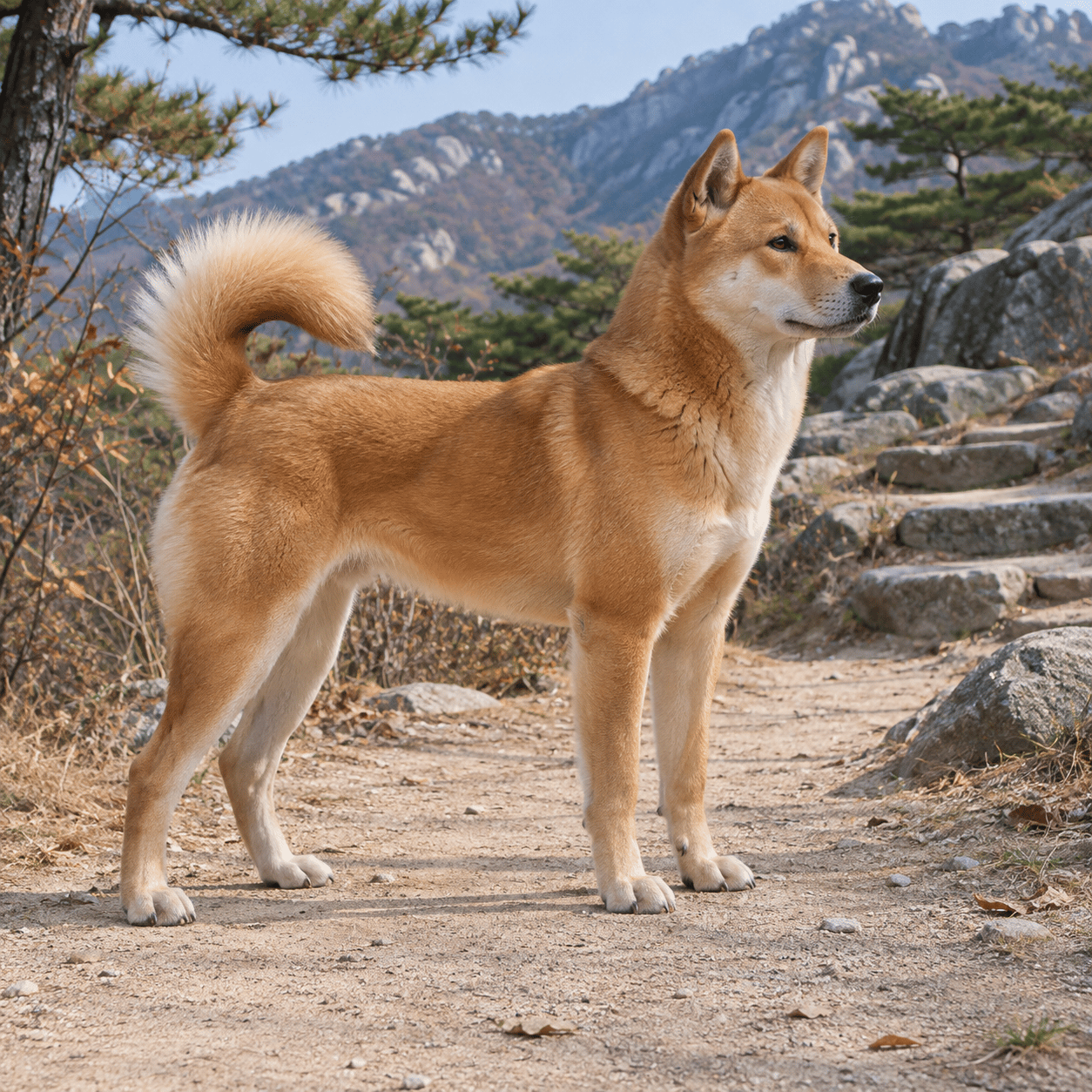
The Kishu Ken is a medium-sized spitz breed from Japan. Developed for hunting in mountainous terrain, it combines agility with stamina and independent judgment.
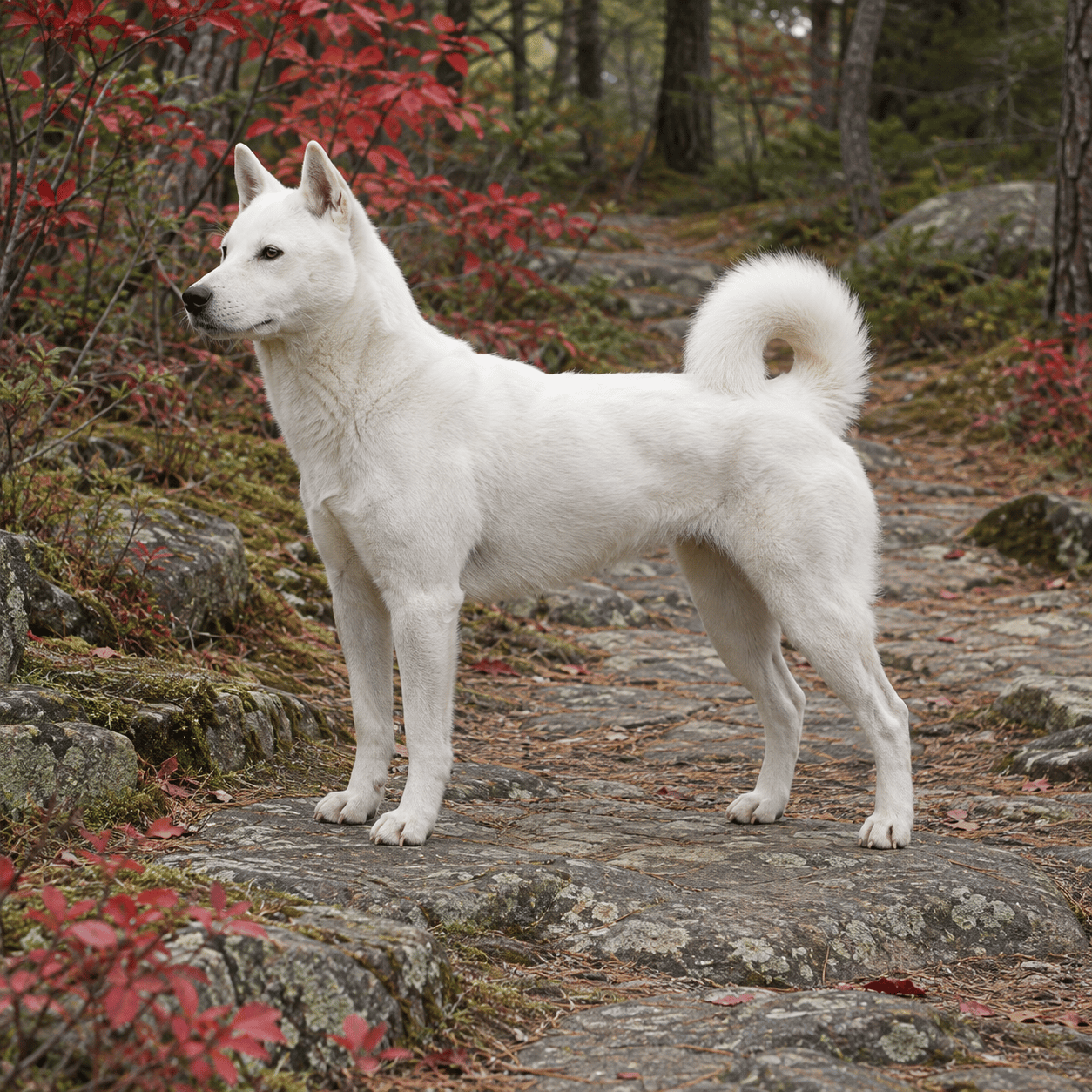
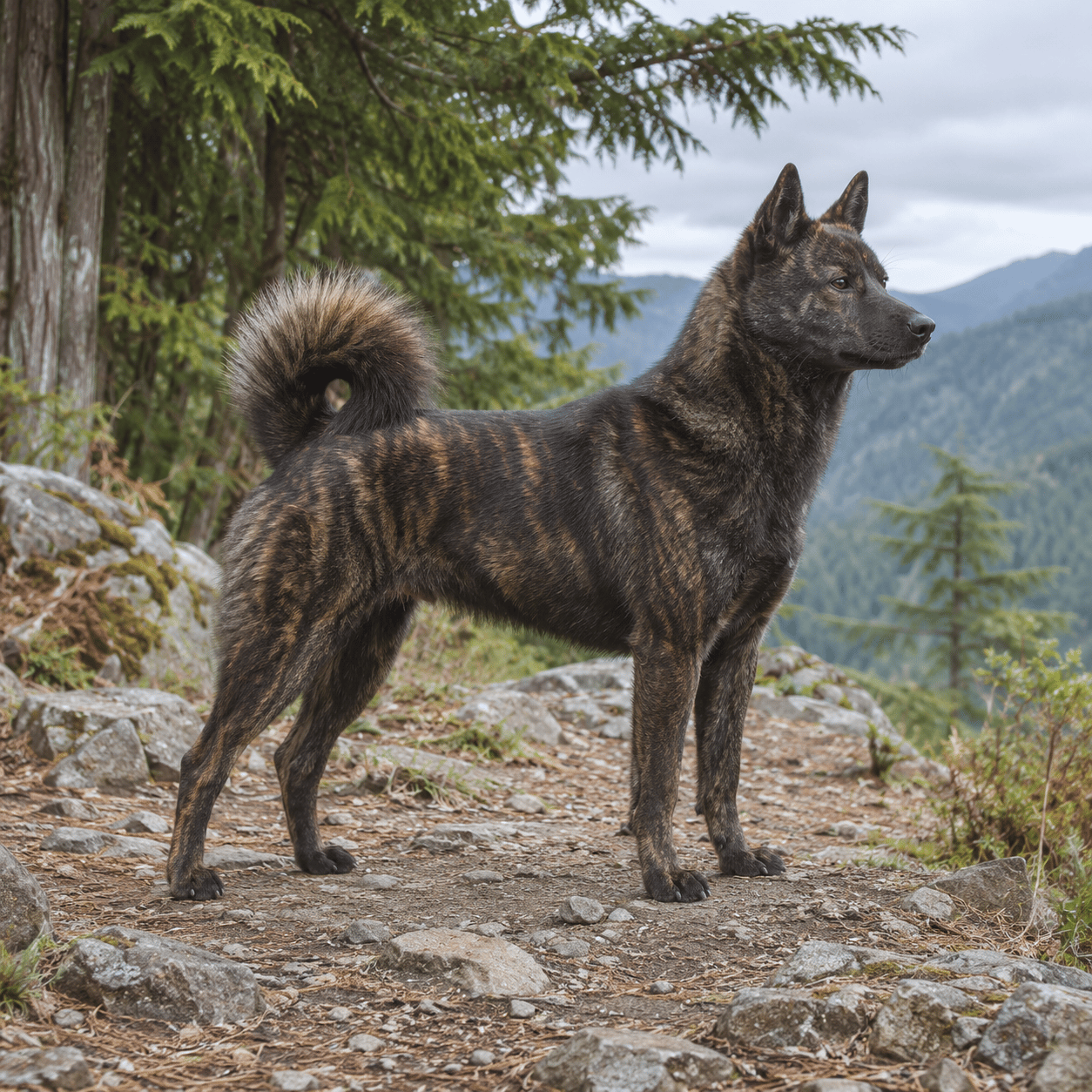
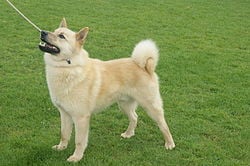
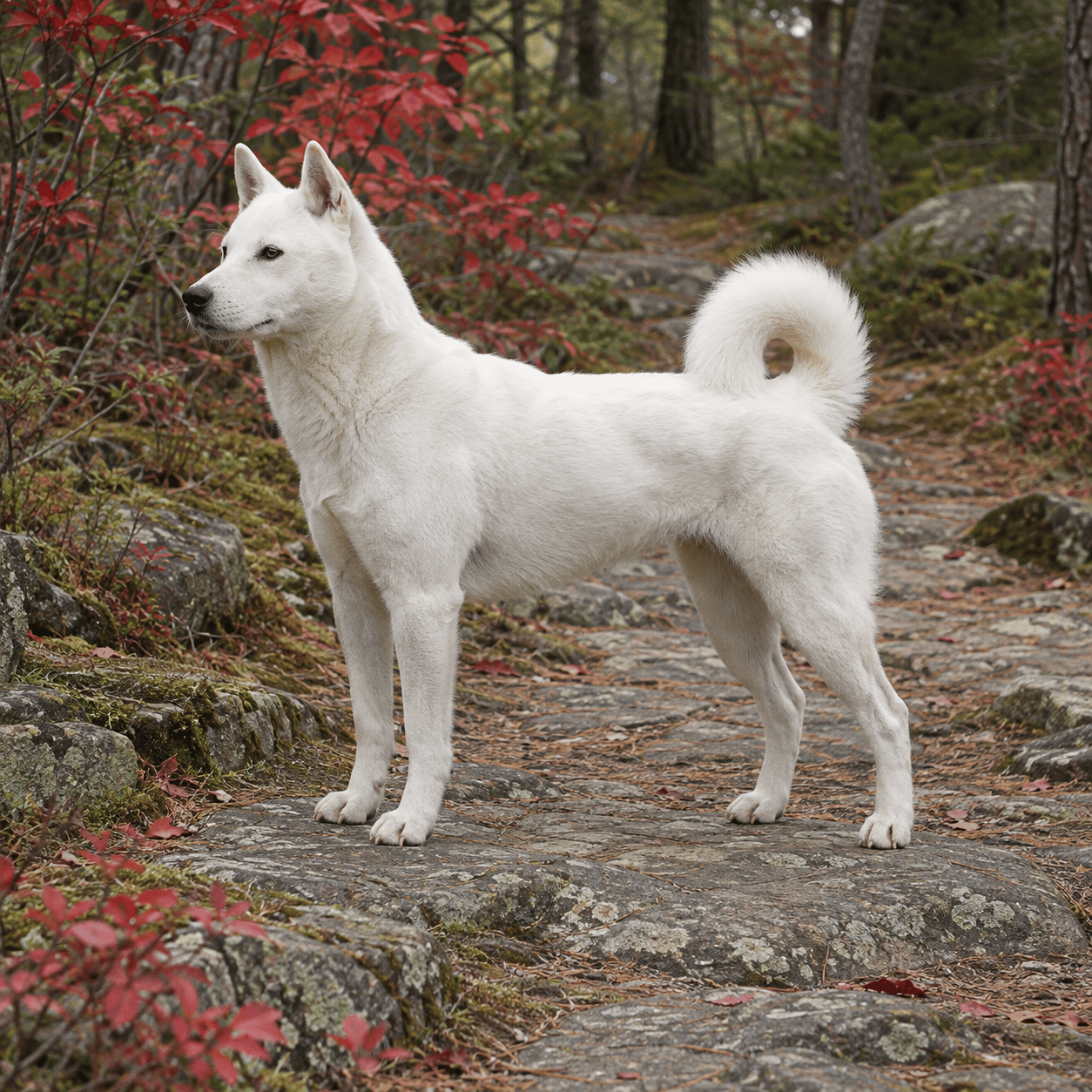
The Kishu Ken is compact and muscular. Its coat can be white, red, or sesame. It has a dense undercoat and a well-furred tail carried curled over its back. Brush regularly during shedding.
¶Temperament & Personality
The breed forms close bonds with its people and can be reserved around others. Its strong prey drive and watchful nature influence how it handles everyday encounters. Training classes with plenty of space and few distractions can help the dog feel secure.
¶Training & Exercise
Provide walks and scent exercises that allow the dog to work with focus. Build recall gradually, but use a long line or a securely fenced area whenever wildlife may be nearby. Keep training sessions short and vary the rewards.
¶Health
There are too few dogs of this breed in Sweden for the Swedish Kennel Club (SKK) to assess its health reliably. Ask for documented health screening results, particularly those of the parents, and ask how related dogs age. Find out how older relatives cope with everyday life.
¶History & Origins
The breed was named after the historical region of Kishū on the Kii Peninsula. Japan recognized it in 1934. It is one of the breeds used for hunting in the Japanese mountains.
¶Living with the Breed
Consider how to give the dog safe daily exercise and how to introduce visitors at home. Supervise interactions when other animals come close, and teach the family what the dog needs to rest peacefully.
¶Characteristics
¶Frequently Asked Questions
¶Comparisons with Other Breeds
Compare Kishu Ken with other breeds and see the differences in temperament, activity level, and care to make a confident choice. Show All Comparisons