
¶Table of Contents
¶Quick Facts
- Approximately 30–43 cm according to the AKC’s overview, with variation between size categories.
- Daily exercise and activities to keep it engaged.
- A double coat that needs more frequent brushing during shedding.
- 13–16 years according to the AKC, as a general guide.
- An active owner who enjoys an alert little spitz.
¶Appearance & Coat
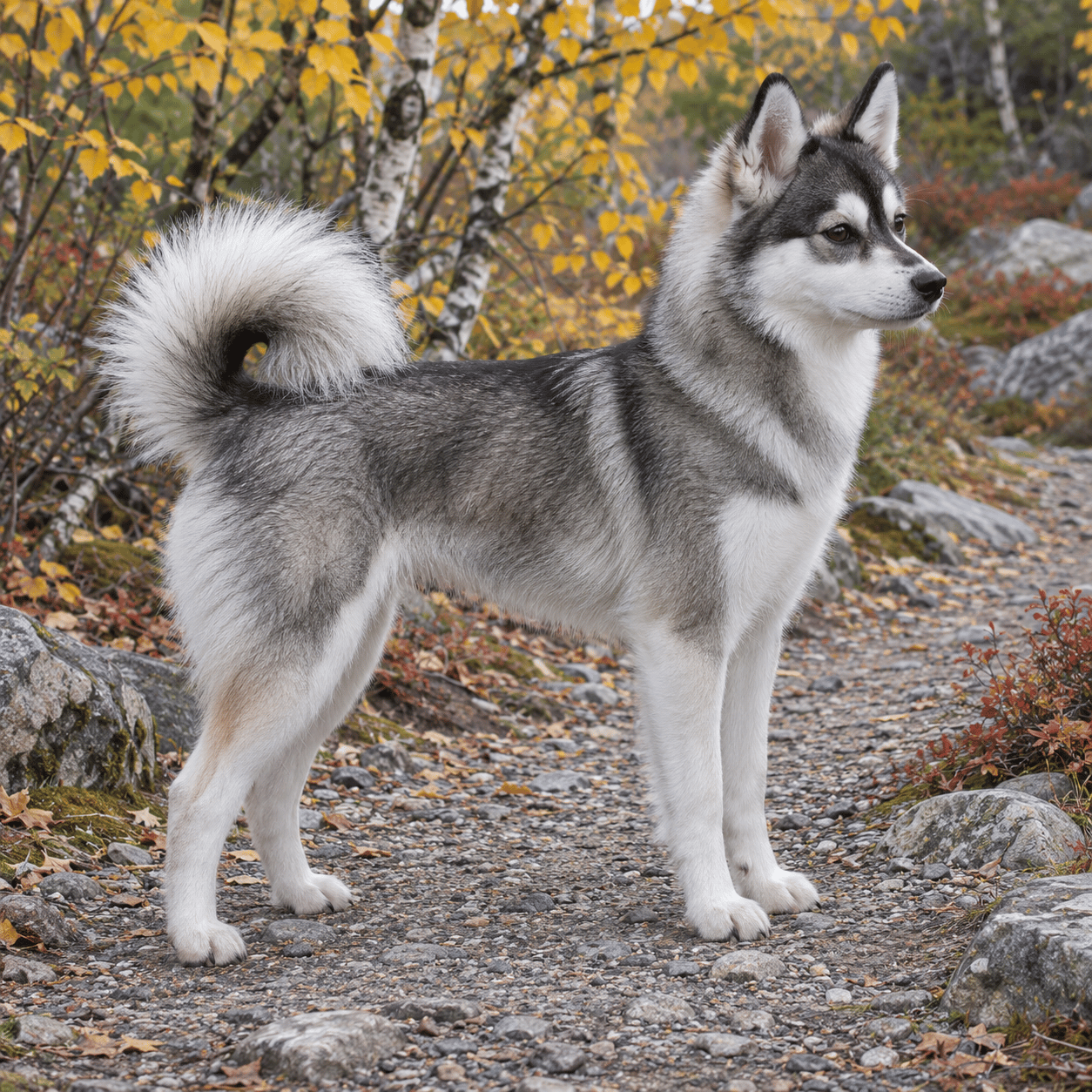
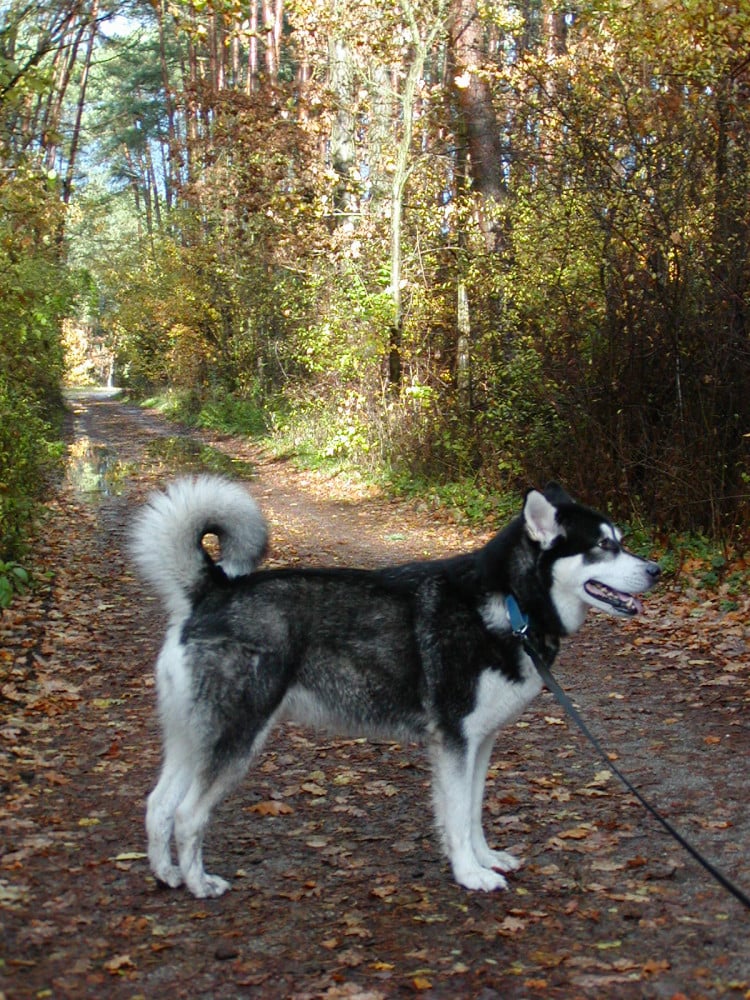
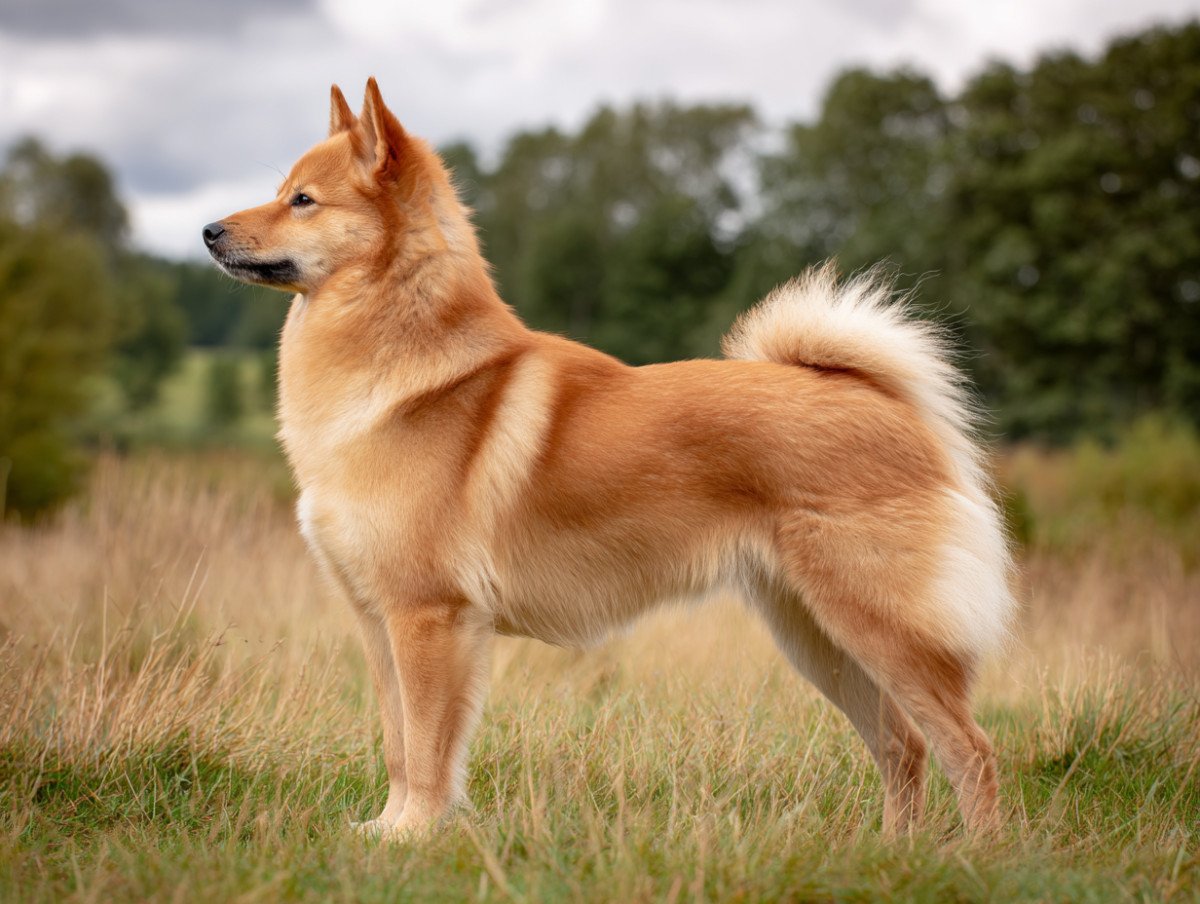
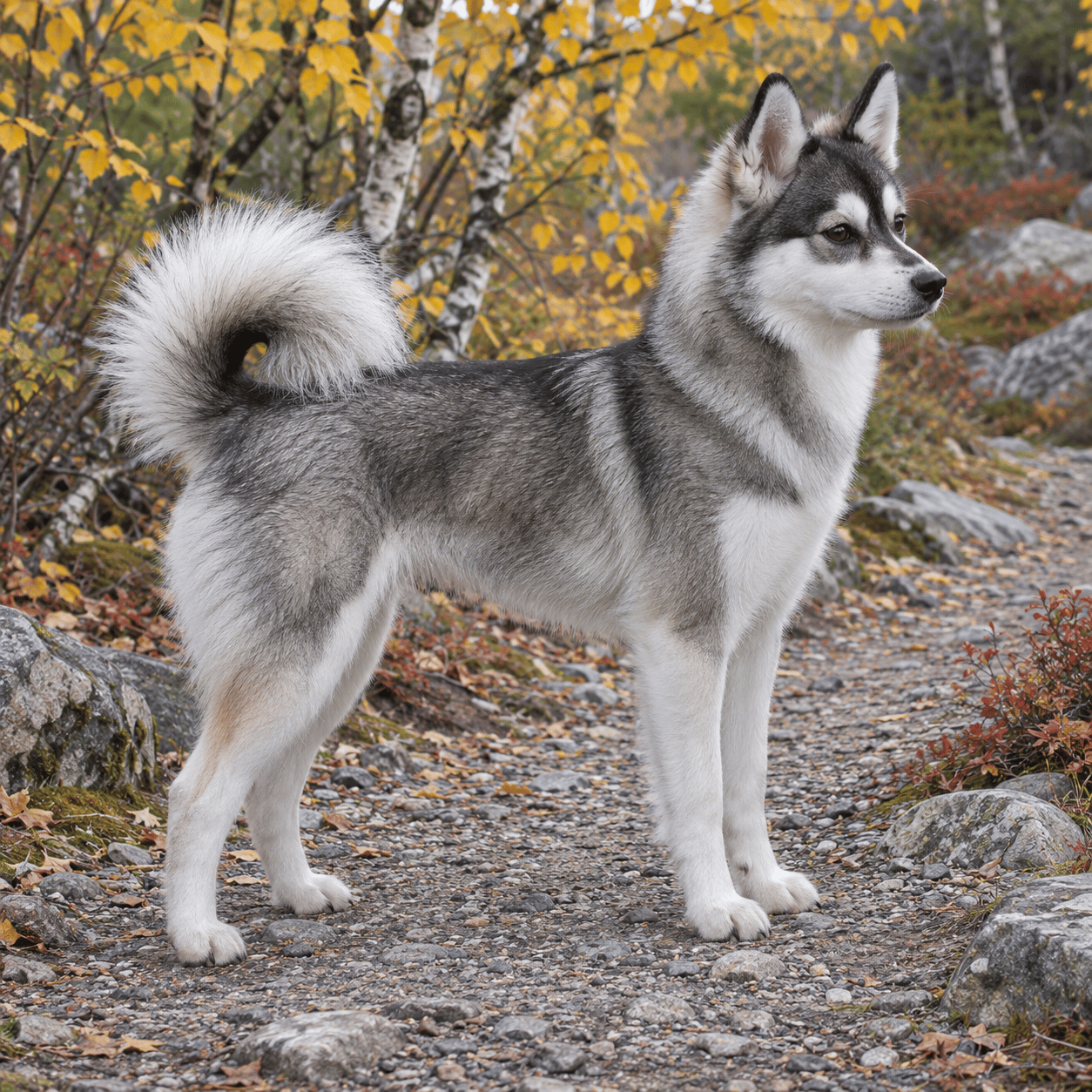
The Alaskan Klee Kai was developed as a companion dog with traits of northern sled dogs. Its size makes it easy to take along, while its lively, curious nature shines through on walks and during training.
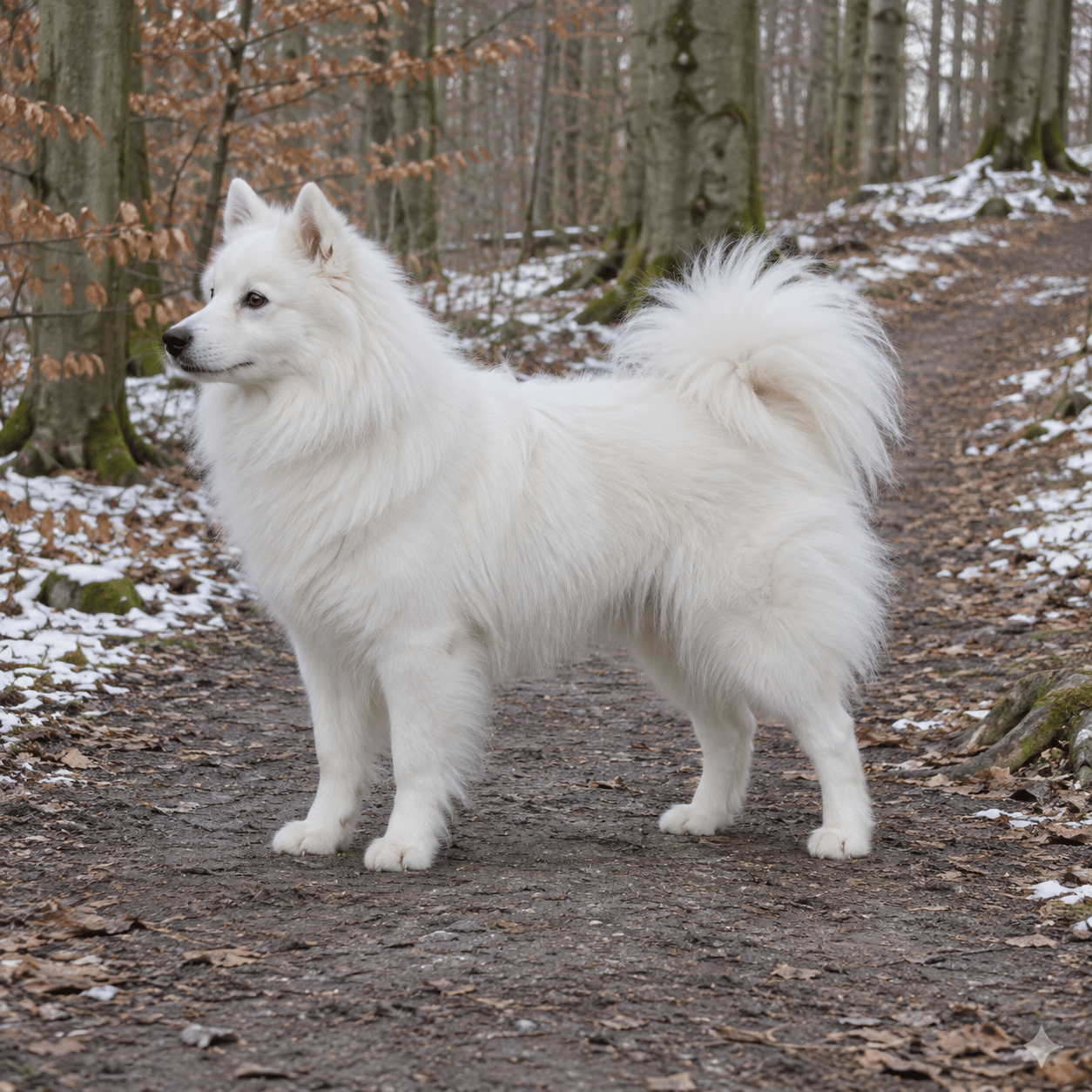
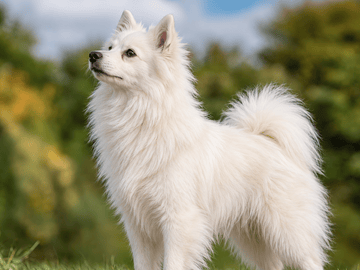
The body is well balanced. The head is wedge-shaped, with erect ears and a distinct facial mask. Common colours are black, grey or red combined with white. The coat has a soft, dense undercoat and longer outer hairs. Groom the coat more thoroughly when the undercoat is shedding.
¶Temperament & Personality
The breed often forms close bonds with familiar people and may be reserved around others. Ask visitors to give the dog space. Introduce everyday sounds and environments gradually, allowing the dog to take a break when needed.
¶Training & Exercise
Mix walks with scent work and short exercises that encourage teamwork. Practise recall and walking calmly past distractions early on. Choose a securely fenced area for off-lead exercise if the dog is inclined to chase small animals.
¶Health
The Swedish Kennel Club (SKK) considers the number of registered dogs in Sweden too small to give a reliable picture of the breed’s health. Ask what health checks the parents have had, what information is available about older relatives and how the breeder manages breeding within the small population.
¶History & Origins
The breed began to take shape in Alaska in the 1970s. The aim was to create a smaller companion dog with the appearance of northern working spitz breeds. Among the dogs in its ancestry, the SKK lists the Alaskan Husky, Siberian Husky, American Eskimo Dog and Schipperke.
¶Living with the Breed
Think through how you will provide activities and outdoor time on a typical working day. Give the dog a safe place to retreat to when the house is busy, and gradually get it used to spending time alone. Meet adult dogs to get a sense of how vocal and sociable the breed can be.
¶Characteristics
¶Frequently Asked Questions
¶Comparisons with Other Breeds
Compare Alaskan Klee Kai with other breeds and see the differences in temperament, activity level, and care to make a confident choice. Show All Comparisons