
When you’ve been waiting to bring your puppy home and finally do, there are still many things you need to think about right from the start. During the first few months, your puppy goes through an intense period of growth and development. A veterinarian at Royal Canin has shared some tips on what to keep in mind so your puppy gets the best possible start in life.
“When you pick up your puppy from the breeder, you should find out what it has been eating, how much, and how often. Moving to a new home is stressful in itself, and to avoid putting your puppy’s stomach under even more stress, you should continue feeding the same food the breeder used while your puppy settles in. After that, you can slowly switch to your own choice of puppy food that supports healthy growth,” says Karin Eliasson, veterinarian at Royal Canin.
To make sure your puppy gets the right amount of carbohydrates, protein, fat, minerals, and vitamins, it should be fed a complete puppy food, which is sold in most pet stores. It’s important that the food is tailored to the dog’s size. If you’re unsure which food is right for your breed, staff in pet stores can easily help you.
“Small breeds grow quickly, and by ten months of age they may have multiplied their birth weight by 20 and reached their adult weight. Very large breeds, on the other hand, grow over a longer period. It can take up to two years before they are fully mature, and during that time they may increase their birth weight by as much as 100 times. Large-breed puppies go through an extremely intense growth phase, which makes this a very sensitive period in their lives,” says Karin Eliasson.
¶The veterinarian’s tips for new dog owners
¶Feeding routines
Dogs feel calmer when they have predictable routines. Start feeding at set times from day one. As a guideline, puppies need four meals a day until they’re about four months old. After that, three meals a day is usually suitable. From around six months of age, two meals a day is typically the norm, although this varies between individuals and depending on the dog’s expected adult size. If you’re unsure, you can always ask a veterinarian or staff in pet stores for advice.
¶Growth curves
Almost half of all dogs in the Nordic countries are overweight, and the foundation for this is often laid in the first few months of life. Many dog owners find it hard to tell whether their dog is overweight. All puppies, especially those of larger breeds, should be weighed once a week between 3 and 10 months of age, when growth is at its fastest. To better track your puppy’s development, you can work with your veterinarian and use growth charts tailored to size category and sex.
¶Things to keep in mind when giving treats
Treats should always be counted as part of your puppy’s daily food allowance to avoid overfeeding. You shouldn’t give more than ten percent of the total daily calorie intake in the form of treats or extras. If you want to give treats, offer them at the right time and for the right reasons—for example, during training and as a reward. There are many types of dog treats available, including low-calorie options if you plan to train a lot and use many rewards.
¶Toxic human foods and unwanted behaviors
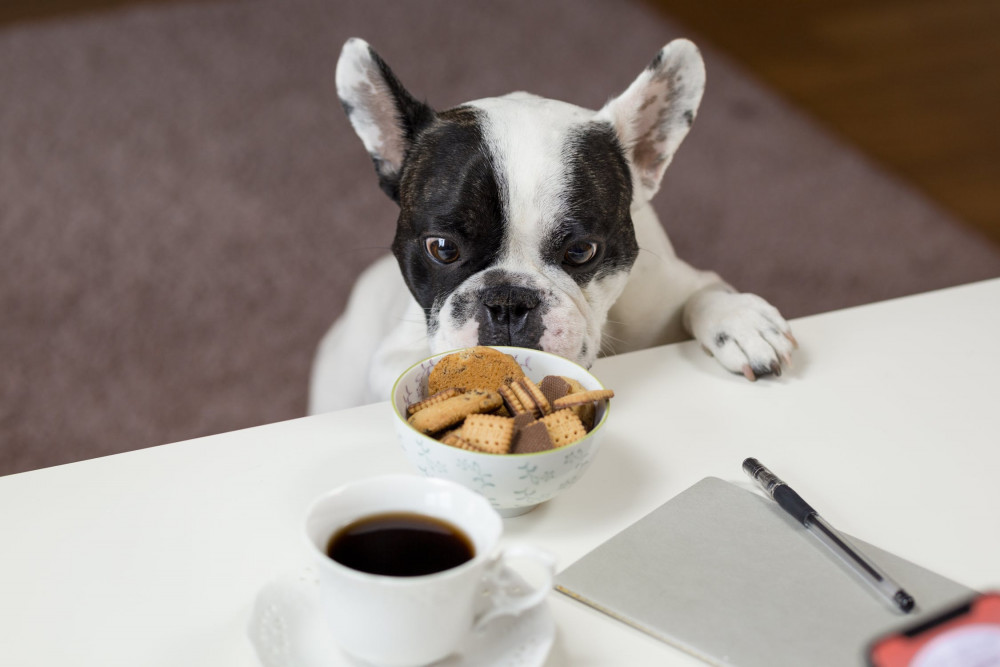
Some human foods are poisonous to dogs, such as grapes and onions. These should never be given. If you sometimes choose to give your dog food from your own plate, this can also encourage unwanted behaviors like begging and refusing to eat its own food.
¶Encourage curiosity with food enrichment
You can hide pieces of your puppy’s food around the home so it has to use its nose to find them. This allows your puppy to engage its natural instincts and provides extra mental stimulation.
¶Don’t switch to adult food too early
A common mistake many new dog owners make is switching to adult food too soon. When it is time to change to adult food, it should be phased in over one to two weeks so your dog doesn’t get an upset stomach from the sudden change.
Source: Royal Canin