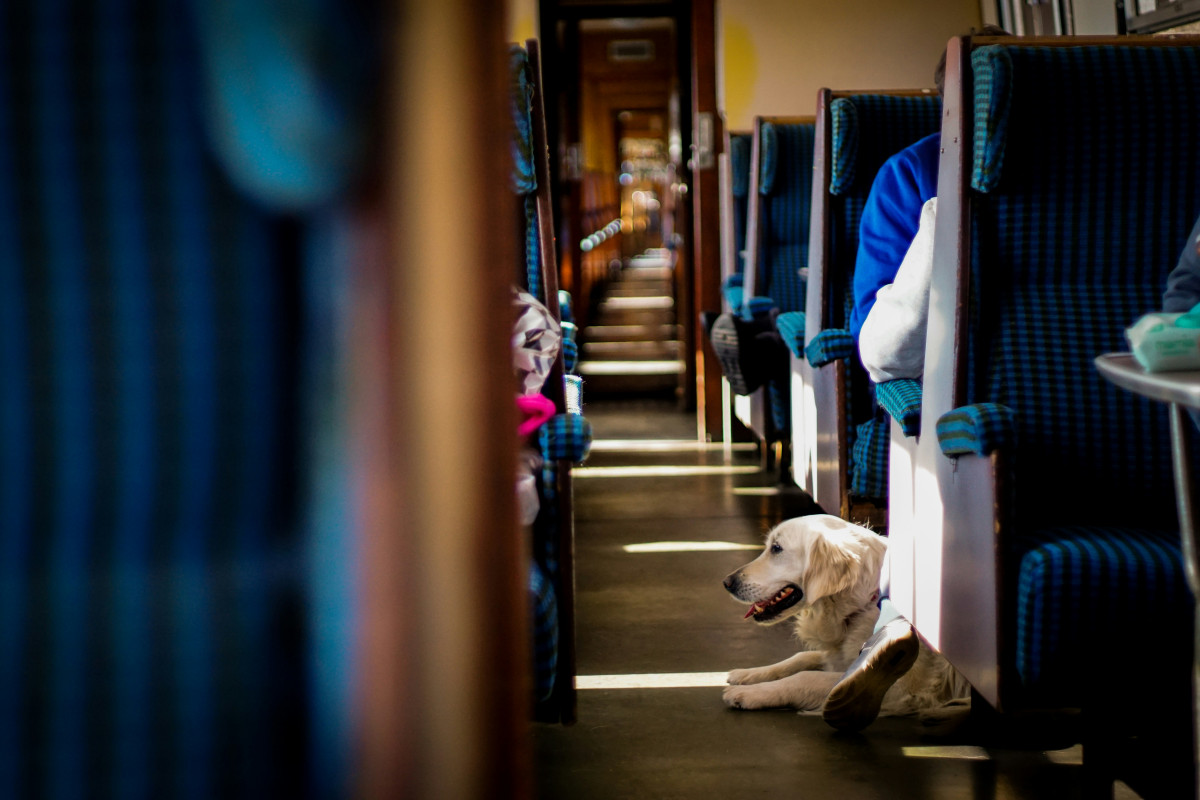
It’s important for both you and your dog that it can comfortably interact with other animals and people. Your dog needs to learn how to handle different situations that may arise in everyday life. Most dogs should start social training early to avoid feeling uncomfortable when they end up in unexpected situations or around unfamiliar people they don’t feel safe with.
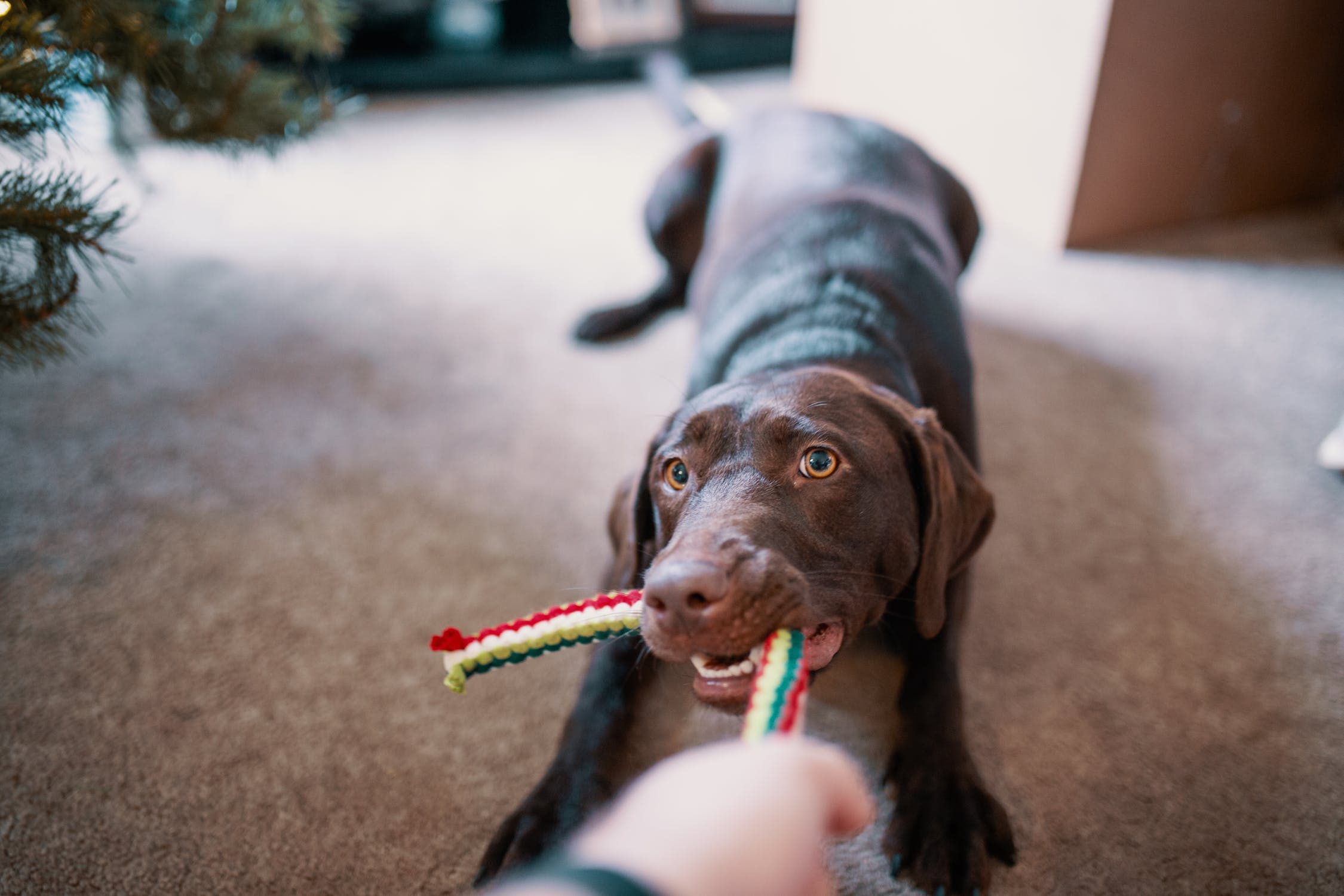
Many dogs in child-free homes may need to learn how to be around children, as children have different body language, are smaller, and don’t always communicate in ways the dog is used to.
The more you avoid challenging situations, the harder it will be for your dog to get used to them. It’s important to start social training early in the dog’s life, when it is most impressionable and adapts more easily.
If you, as the owner, act as if something is dangerous or frightening – such as loud noises during New Year’s celebrations or people you feel afraid of – your dog will most likely associate those situations with fear as well. Instead, you should handle the situation in a way that helps your dog stay calm.
If you start social training when your dog is still a puppy, you’ll have a much calmer, happier, and more confident dog.

¶Tips on how to socialize your dog
- Spend time near a church when the bells ring. If your dog reacts negatively to the sound, ignore the behavior. Praise only when it is calm.
- Visit friends who have cats that are used to dogs.
- If the dog becomes excited, scared, or stressed, reward the puppy once it has calmed down.
- Walk past dog parks without letting your dog play.
- Let your puppy meet different children.
- Visit workplaces where there is a lot of loud noise.
- Visit different pet shops.
- Invite friends over who are unfamiliar to your dog already when it is a puppy.
- Take the dog in elevators.
- Take car rides with your puppy early on.
- Go to shopping centers where dogs are allowed.
- Spend time with other dogs so it can learn how other dogs behave from an early age.
- Train your dog by taking the bus or train frequently.