
¶Leash Training
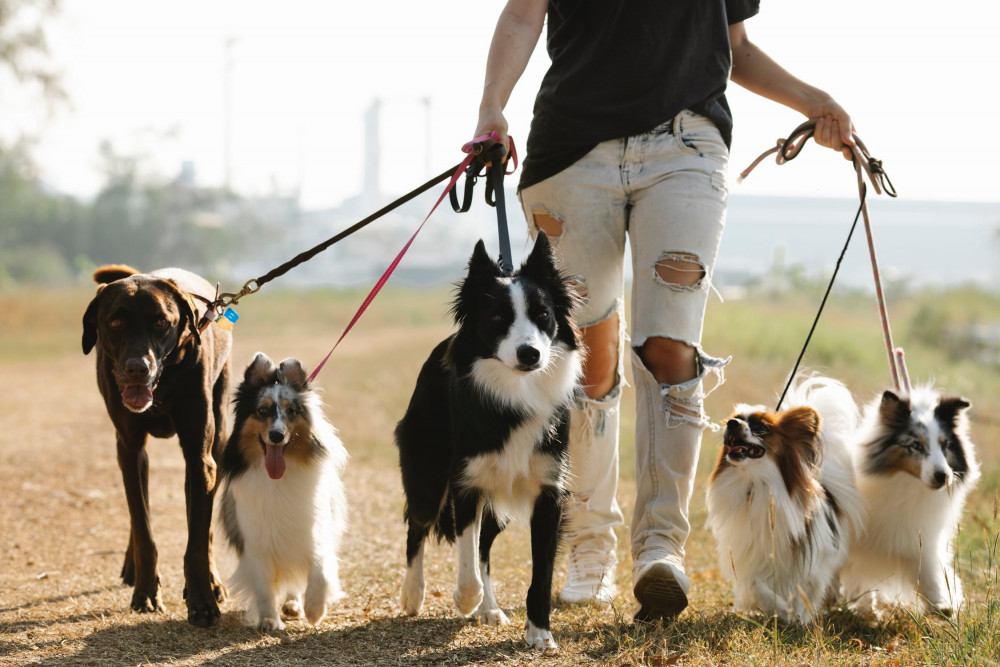
Many dogs pull on the leash when they’re out for a walk, and you might end up with pain in your arm, shoulder, or hand. A common reaction is to jerk the leash to show the dog it should stop pulling. But that doesn’t work. Here are some tips on how you can train better leash manners.
¶Imagine There Is No Leash
One of the best ways to teach your dog to walk nicely on leash is to act as if there were no leash at all. Talk to your dog or gently take hold of them if they don’t listen, so their full attention stays on you. If you’re going to change direction or stop, say the dog’s name first and then turn or stop. Praise the dog when they follow along.
As with any kind of training, consistency is crucial. The dog must never be allowed to “succeed” by pulling. The question is: who is more stubborn, you or your dog?
¶Training
It always takes training for a dog to walk well on a leash. It doesn’t just happen on its own. If the dog starts pulling, you stop. The dog will not move forward by pulling, because you’re standing still. Stay put until the dog seeks eye contact or attention from you. Once you have that contact, change direction. The whole point is that the dog should not move forward if it pulls. In the beginning, you may have to stop many times before the dog understands that pulling on the leash doesn’t pay off.
¶A Word of Caution
If you let a young dog pull on the leash, it will gradually build up very strong neck muscles. Eventually the dog will hardly feel that anyone is tugging or pulling on the leash. Pulling then becomes natural and can be very hard to get rid of.
¶Have Fun
It’s important to play and have fun with your dog while they’re on leash. Otherwise, the leash may start to feel like something that stops them from having fun. When your dog is walking nicely, praise them, play, and give them some affectionate attention.
¶The Right Equipment
A comfortable harness or collar is essential; it must not chafe, tighten, or strangle. Try to avoid flexi-leashes during training, because you want the dog close to you, not 5 meters in front of you.
¶The Right Pace
What is your dog’s normal walking pace? Try to match it—but don’t run. If you walk at the same pace, your chances of successful training increase even more.