
Puppies benefit from being active. Climbing, balancing, and running are good exercise for both their body and mind. However, it should be in moderation and not too much. Strictly speaking, puppies don’t actually need structured exercise. Too much training can be harmful for a growing body. For most breeds, you should avoid going on very long walks. You also shouldn’t jog or cycle with your dog until it is over a year old. If you’re unsure when your dog can start longer exercise sessions, it’s a good idea to ask the breeder what is appropriate.
¶The forest is a great option
As mentioned earlier, you shouldn’t take long walks with a young puppy. But dogs love going into the forest, where they can use their bodies and take in all the exciting smells. So feel free to take your puppy into the woods where you can have some quiet time together. Sit down on a fallen tree or a rock and let your puppy explore. If the way home is long, you can always carry a small puppy.

¶Puppies get tired quickly
If the main purpose of your early walks is leash training, you can gradually increase the distance based on how far your puppy can manage. Take it step by step and pay close attention to any signs of tiredness. Don’t walk farther than your puppy can comfortably handle.

¶Fun with other dogs
It’s very good for puppies to meet and play with other dogs; it helps them feel good and develop socially. They can have a great time together, but be careful and supervise the play the whole time. If a small dog and a large dog of the same age are playing, the bigger dog may play too roughly and accidentally hurt the smaller one without realizing it. Before you let dogs play together, it’s very important to ask the other owner whether their dog is friendly.
¶Play can also cause stress
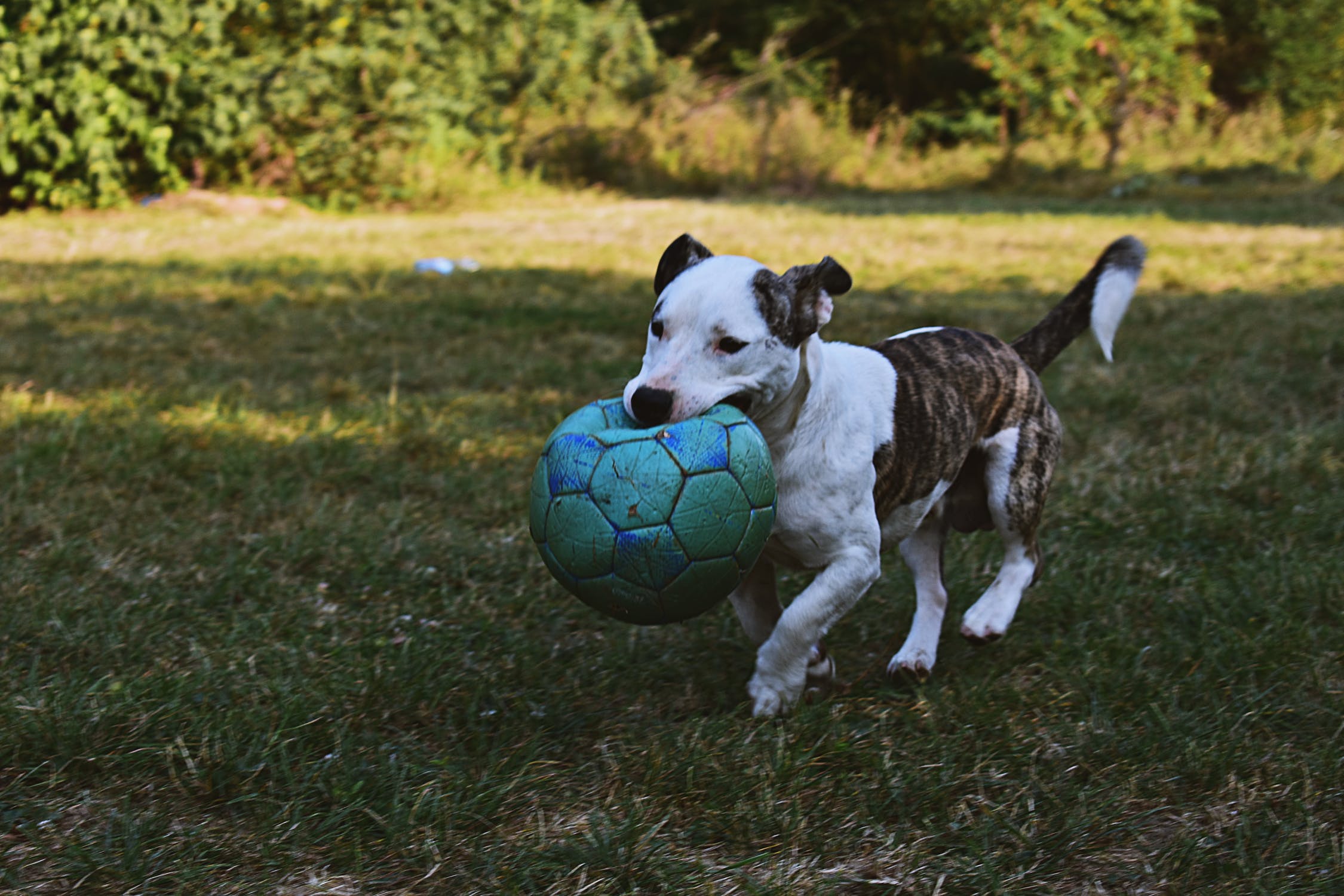
Many dogs love chasing a ball or a stick. But when you throw things for puppies to chase, they sprint off and then slam on the brakes when they find the ball or stick. This puts strain on their joints and ligaments while they are still growing. Dogs can also become overly fixated on fetch and chase games. Try to vary the types of games you play so it doesn’t create negative stress for your dog. One tip is to practice commands using dummies.
¶Indoor activities to engage your puppy
There are lots of fun things you can do indoors. You can practice small tricks and focus exercises. For example, hide a treat or another object behind a chair leg where the puppy can’t see it, then let the puppy search for it and use both body and brain to figure it out. Little activities like this can keep your puppy stimulated and happy.