
¶Table of Contents
¶Quick Facts
- Males 65–70 cm and females 60–65 cm, based on the breed standard’s core measurements.
- Daily walks and calm, cooperative activities.
- A long, coarse coat with a dense undercoat, requiring extra grooming during shedding.
- 12–14 years, according to the AKC.
- An owner experienced with large livestock guardian dogs.
¶Appearance & Coat
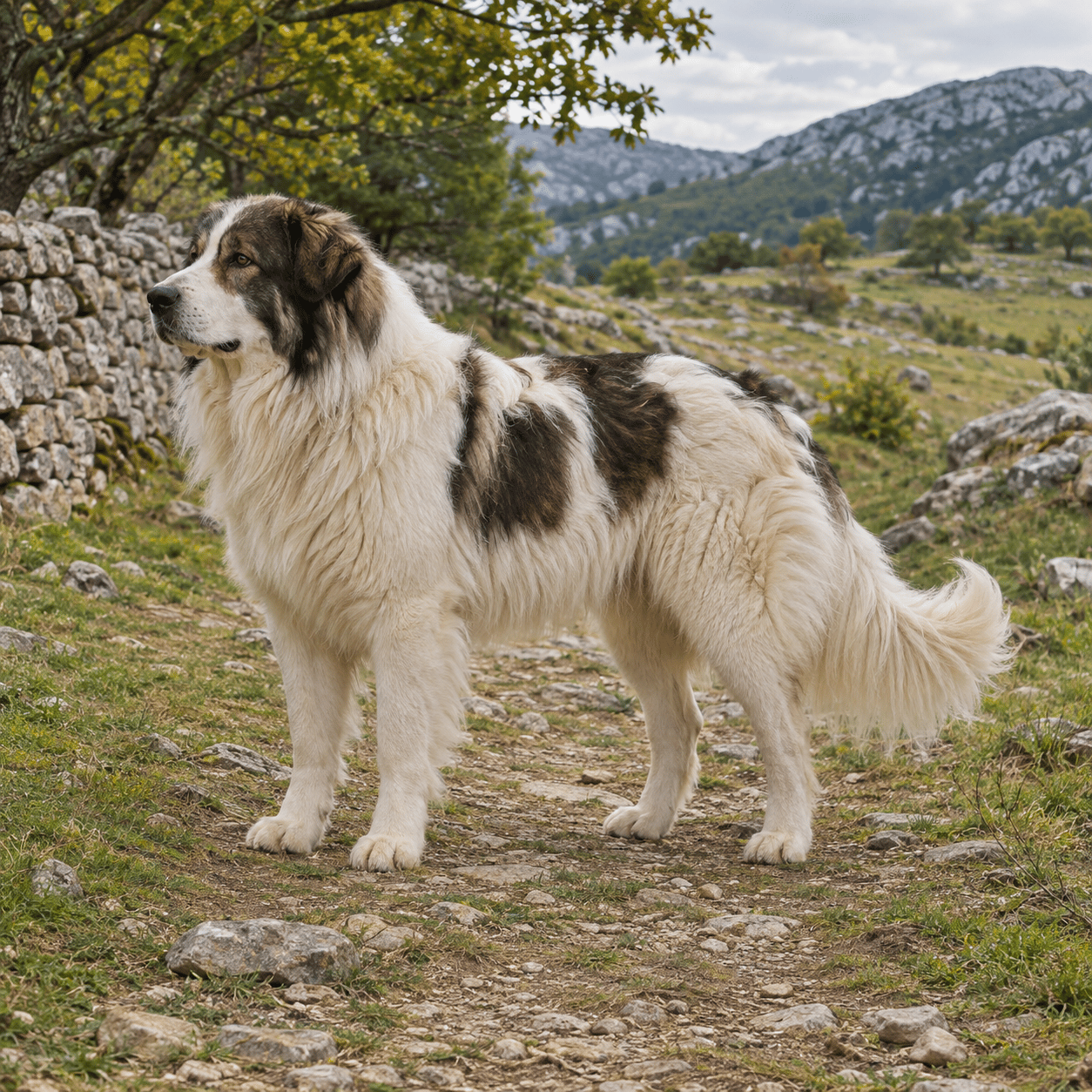
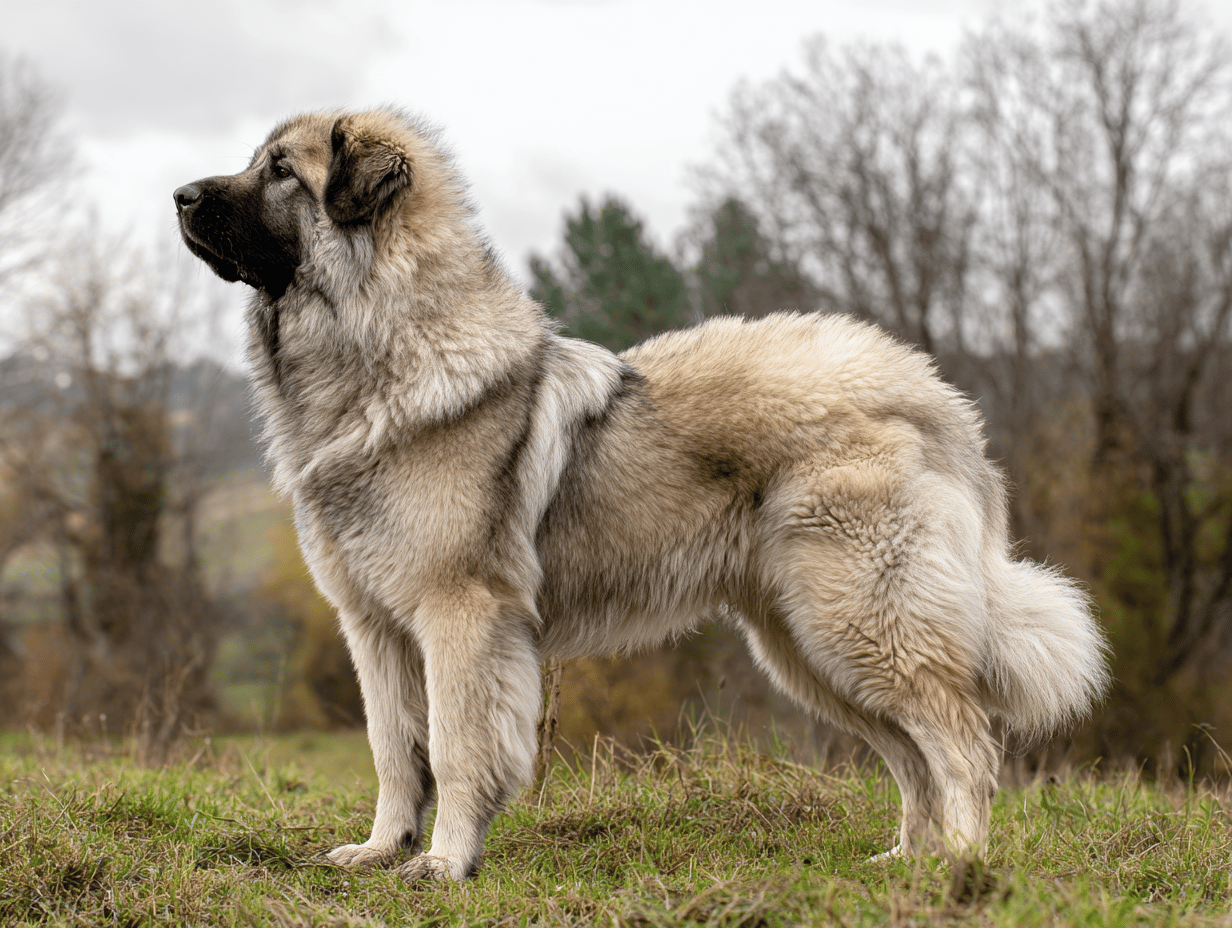
The Tornjak was developed to guard livestock in the mountains and valleys of the western Balkans. This strong, agile dog needs space and people who understand its independent guarding role.
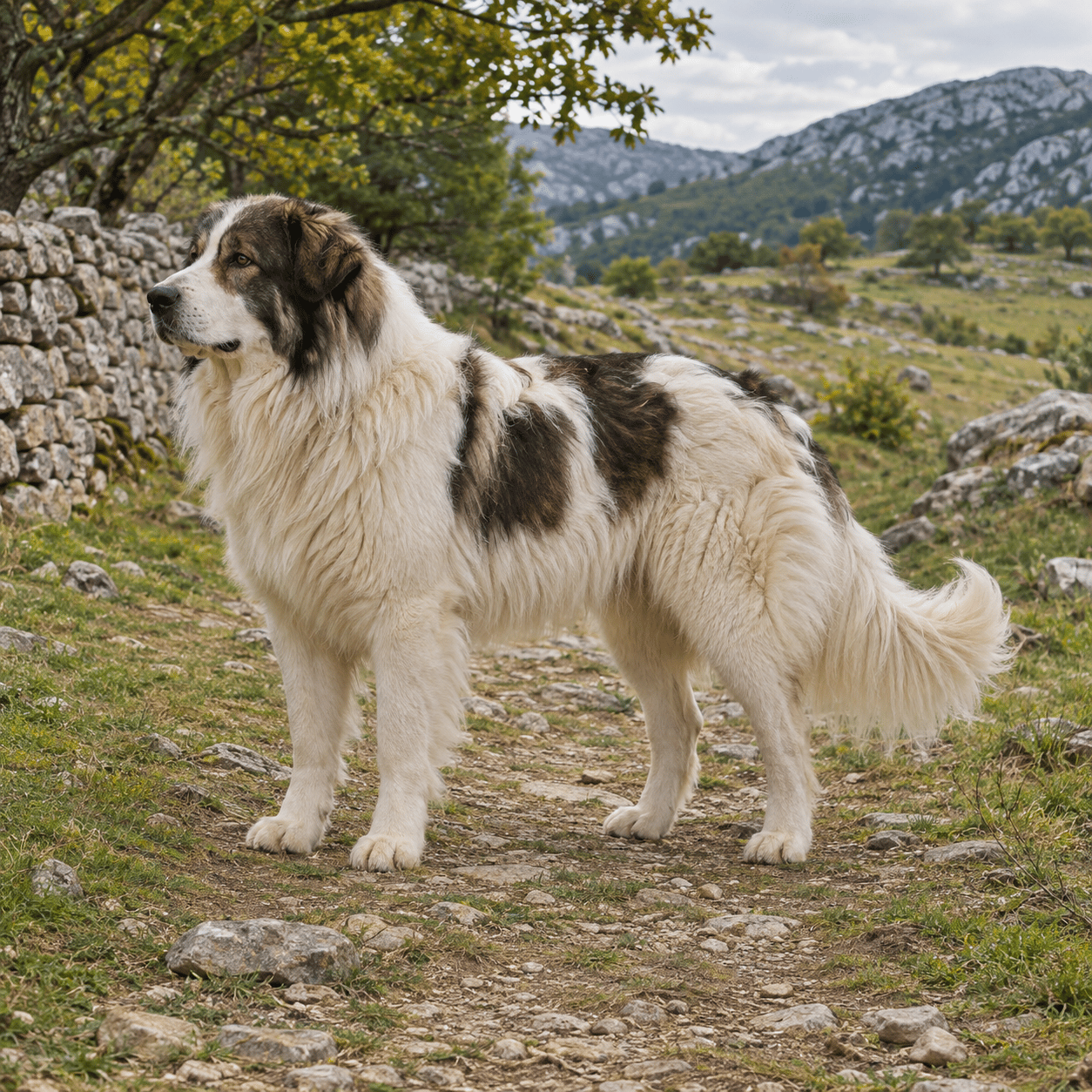
The body is powerful and almost square in proportion. The coat is long, particularly around the neck, on the backs of the thighs and on the tail. Many Tornjaks are predominantly white with clearly defined patches of colour. Comb right down to the undercoat, where the fur can easily become matted.
¶Temperament & Personality
The breed can be calm around its owner while remaining highly alert to strangers. Introduce new experiences calmly from an early age, and establish clear routines for keeping the dog and visitors at a safe distance from one another.
¶Training & Exercise
Take regular walks in areas where encounters with others can be managed. Teach the dog to wait at gates and to stop guarding when asked and follow its handler. Only increase the demands once the dog is comfortable in its surroundings.
¶Health
There are too few dogs of this breed in Sweden for the Swedish Kennel Club (SKK) to assess its health reliably. Ask for documented health screening results, particularly joint assessments, and ask about mobility in dogs from the breeding lines. Find out how older relatives cope with everyday life.
¶History & Origins
Traditional mountain dogs from what is now Bosnia and Herzegovina and Croatia were used to protect livestock. Modern breeding programmes were established using dogs from local populations.
¶Living with the Breed
Review fencing, transport arrangements and visitor routines before buying a Tornjak. Adults should be responsible for the dog when it meets unfamiliar people. The FCI lists two countries of origin, reflecting the breed’s historical homeland.
¶Characteristics
¶Frequently Asked Questions
¶Comparisons with Other Breeds
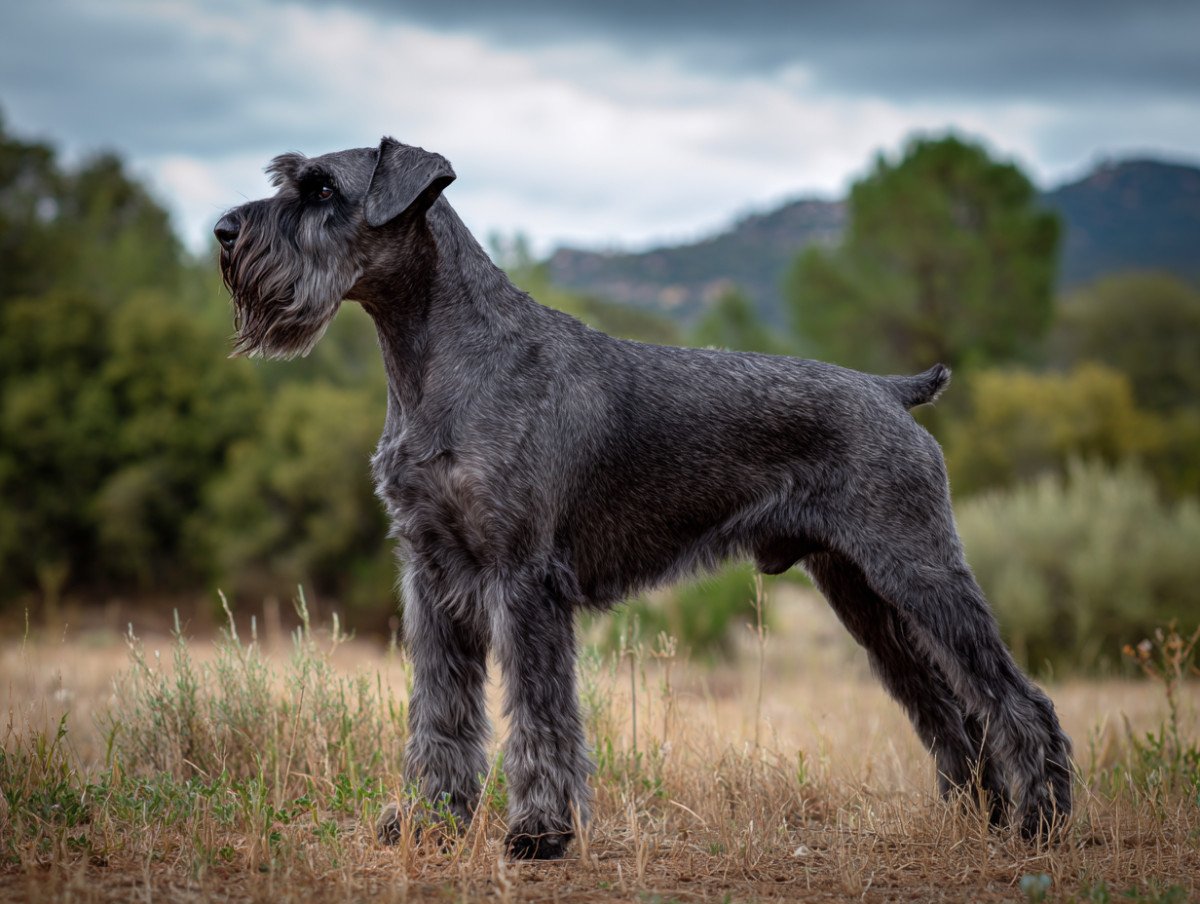
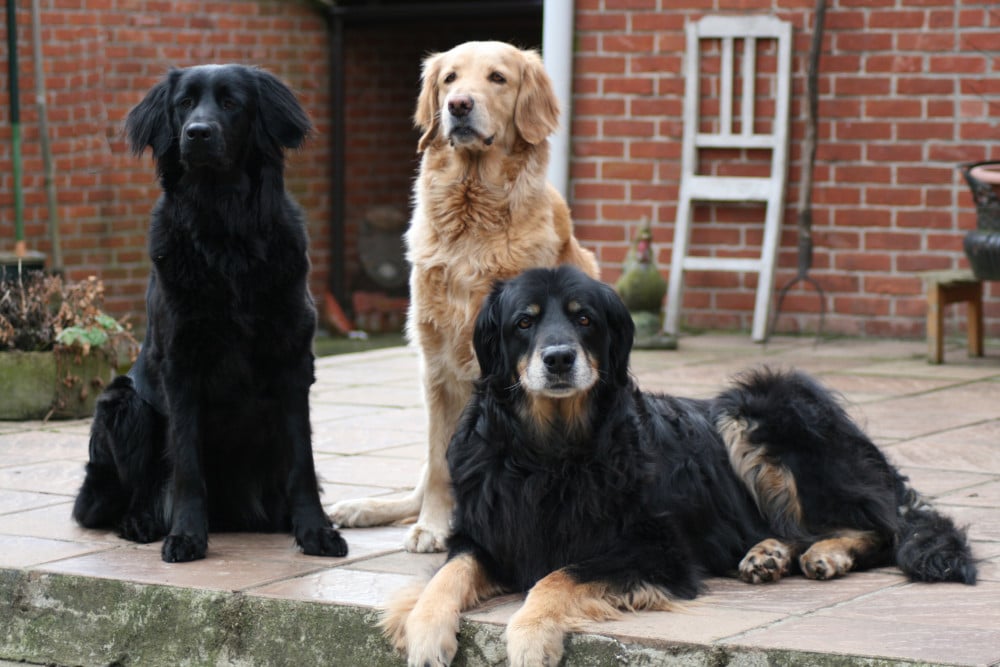
Compare Tornjak with other breeds and see the differences in temperament, activity level, and care to make a confident choice. Show All Comparisons