
¶Table of Contents
¶Quick Facts
- Distinctive long, flowing coat that almost touches the ground, paired with a surprisingly long, low body.
- Originally bred on the Scottish Isle of Skye as a fearless hunting terrier for fox and badger.
- Deeply devoted to their chosen people, often forming a very strong bond with one person in particular.
- Naturally cautious with strangers, but calm and dignified rather than hyper or yappy when well raised.
- Moderate exercise needs yet a high need for close companionship and mental stimulation indoors.

¶Appearance & Coat
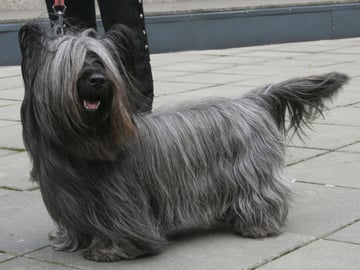
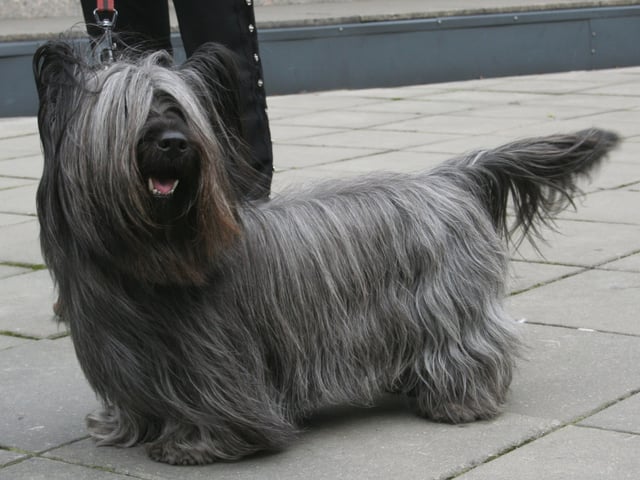
The Skye Terrier is one of the most distinctive looking terrier breeds. At first glance many people notice the silhouette before anything else. The body is much longer than it is tall, held low to the ground on short, sturdy legs. Despite this, a well bred Skye Terrier is not a fragile or toy like dog. The body is strong, muscular and surprisingly powerful for the size, with good bone and a level topline that gives an impression of balance rather than exaggeration.
Adult Skye Terriers usually stand around 25 to 26 centimeters at the shoulder, with females slightly smaller than males, yet the length from chest to tail tip can be twice the height. The head is long and strong, with a fairly flat skull, a defined stop, and a muzzle that is neither narrow nor coarse. The dark, oval eyes give a thoughtful, sometimes slightly serious expression. Ears can be either pricked or dropped, depending on the line and the standard in the country, but in both cases they are well feathered with long hair. The overall expression is one of alertness, intelligence and quiet confidence.
The coat is one of the breed’s main attractions, and also one of its main responsibilities. The Skye Terrier has a double coat. The undercoat is short, dense and soft, which insulates and protects the skin. The outer coat is long, straight and fairly harsh to the touch. It should fall in a straight curtain along the sides of the body, parting naturally along the spine. When groomed correctly, the hair on the head frames the face without covering the eyes completely, giving a charming, almost romantic look.
Color varieties include:
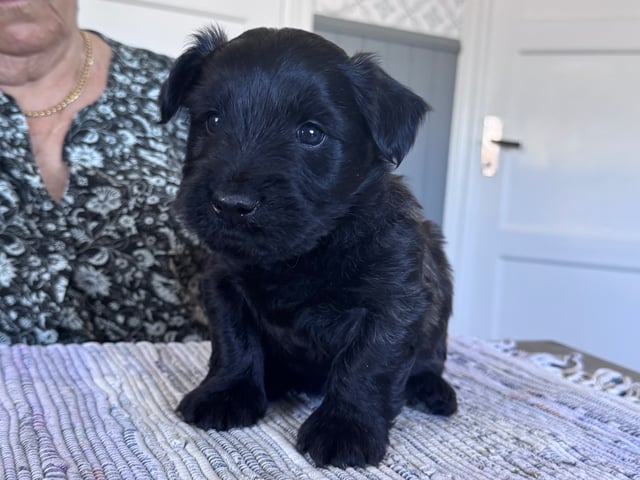
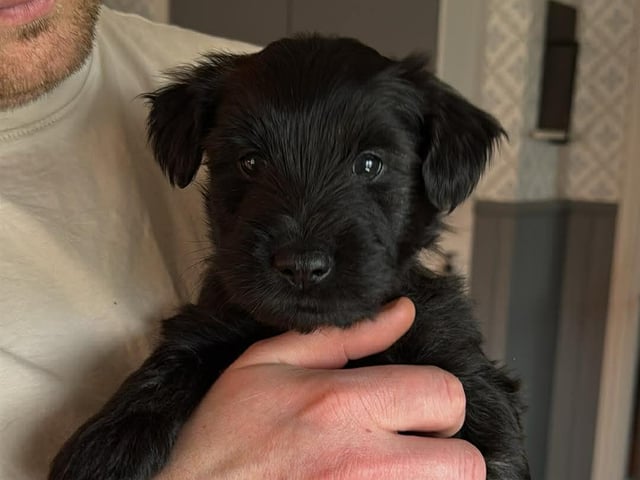
- Black
- Dark or light gray
- Cream or fawn
- Often with lighter shading on the underside and small white markings on the chest allowed
Practical coat care is essential if you want a Skye Terrier to look and feel its best. While the coat does not require the same kind of precision clipping as some other terrier breeds, it does demand regular attention. Most owners find that thorough brushing two or three times a week is necessary. Use a pin brush and a comb, working in layers from the skin outward to avoid matting close to the body. It is important to be gentle so you do not break the hair or irritate the dog’s skin. Starting grooming routines early in puppyhood, combined with lots of praise and calm handling, will make life much easier later.
Bathing every four to eight weeks works well for most pets, depending on lifestyle. Always rinse carefully so no shampoo remains in the long coat, since residue can cause itchiness. Many Skye owners learn to gently squeeze excess water out with a towel and then allow the dog to dry naturally, or use a low heat dryer while brushing carefully. Pay attention to the hair between the pads and around the ears, as these areas can trap debris. Nails should be trimmed regularly and teeth brushed several times a week to keep this elegant terrier in top condition.
A properly maintained Skye Terrier coat sheds less into the environment than many shorter coated breeds, although loose hair will still come out during grooming sessions. For people who enjoy hands on time with their dog and see grooming as bonding rather than a chore, the Skye Terrier’s coat can be a real pleasure instead of a burden.

¶Temperament & Personality
Living with a Skye Terrier means sharing your home with a dog that has a strong mind and an even stronger heart. This is not a silly or endlessly bouncy terrier. Instead many people describe the breed as calm, dignified and sometimes a little reserved. The Skye Terrier tends to look at the world thoughtfully before deciding how to react. When properly socialized as a puppy it grows into a steady adult that is loyal, affectionate and deeply attached to its family.
One of the most notable traits of the Skye Terrier is its devotion to its people. Many form a particularly intense bond with one individual, often the person who feeds, trains and spends the most time with them. That does not mean they cannot love the rest of the family, but you may notice a favorite. This loyalty also means they often like to stay close and follow you from room to room. If you are looking for a dog that is happy to be left alone in the garden for hours, this will not be the right breed.
With children, Skye Terriers can be wonderful companions if both dog and child are taught to behave respectfully. They do best with school age children who understand how to handle a dog gently and not treat it like a toy. Due to the dog’s long back and relatively small stature, rough handling or clumsy attempts to pick them up can lead to injury, so supervision is important. Many Skye Terriers enjoy quiet games, gentle fetch indoors, or simply lying near a child who is reading or playing calmly.
Their terrier heritage remains strong. Skye Terriers were originally bred to hunt and dispatch vermin, foxes and other small animals, so they usually retain a high prey drive. Living with cats is possible if the dog is raised with them from puppyhood and if the cat is confident. However, small pets such as rabbits or rodents will almost always be seen as prey. Even with good training you should never fully trust a Skye Terrier alone with vulnerable small animals.
With unfamiliar people, the Skye Terrier is typically reserved rather than instantly friendly. They like to take their time to assess newcomers. A well socialized Skye should not be fearful or aggressive, but it will likely not fling itself into the arms of strangers either. Early exposure to many different people and environments helps the dog develop into a confident adult that is polite in company. This natural caution, combined with their loyalty, makes them good watchdogs. They usually bark to notify you of anything unusual, but they are not by nature constant barkers if their needs are met and they are well trained.
When it comes to other dogs, Skye Terriers may be selective. Many live quite happily with a canine companion they know, especially if introduced gradually and fairly. However, some can be assertive toward strange dogs and may not appreciate rude or pushy behavior from others. Careful puppy socialization, calm leadership from the owner, and positive experiences around well mannered adult dogs all help to shape a balanced temperament.
A Skye Terrier often feels like an old soul in a shaggy coat. They enjoy a calm routine, clear rules, and meaningful contact with their family. For people who appreciate a dog with character and independence, combined with affection and devotion, the Skye Terrier’s personality can be very rewarding. At the same time, anyone considering the breed should be prepared to invest time in socialization, guidance and understanding of terrier tendencies.
¶Training & Exercise
Training a Skye Terrier is both a pleasure and a challenge. This breed is intelligent and quickly understands what is being asked. At the same time, it has a strong independent streak and a mind of its own. In practice this means the Skye Terrier often knows exactly what you want, but it may decide whether cooperation seems worthwhile. The secret is to make training feel rewarding, clear and fair.
Positive reinforcement is the key. Skye Terriers respond especially well to:
- Short, focused training sessions of 5 to 10 minutes
- Use of small, tasty treats combined with praise
- Variety in exercises to keep things interesting
- A calm, confident handler who does not shout or use harsh corrections
Heavy handed training methods tend to backfire. A Skye that feels unfairly treated can become stubborn, withdrawn, or simply less willing to engage. These terriers have a strong sense of dignity. They thrive when they trust their person and feel that cooperation brings good things, such as food, toys, or access to enjoyable activities.
Early socialization is vital. Puppy classes that encourage gentle interaction with other dogs and exposure to different sounds, surfaces and people will pay off later. It is particularly helpful to teach polite behavior around guests, calm walking on leash, and a solid recall. Because of the breed’s hunting background, many Skye Terriers are very interested in scents and moving animals. Practicing recall on a long training line in safe areas helps to strengthen reliability before you allow off leash freedom.
Exercise needs are moderate but consistent. The Skye Terrier is not a hyperactive athlete, yet it is not a couch ornament either. A typical adult Skye will be content with:
- Two or three brisk walks each day, around 20 to 30 minutes each
- Some free exploration in a secure garden or yard
- Regular opportunities for sniffing, which is mentally tiring
Mental activity can be just as important as physical movement. Many Skye Terriers enjoy problem solving games, such as food puzzles, scent based search games in the house, or simple obedience tasks. Teaching tricks like spin, bow, or walking around an object is a good way to build your relationship and provide enrichment indoors, especially in bad weather.
The breed can do well in dog sports that respect its physical structure. Short, controlled agility courses at low jump heights, scent work, rally obedience, or trick training are all suitable. Intense jumping or activities that involve repeated impact on the back, such as steep stairs or jumping off furniture, should be minimized. Due to the long back, it is wise to think carefully about any sport that might stress the spine.
Young Skye Terrier puppies should not be over exercised. Too much running or rough play at a young age can put pressure on developing joints and the spine. Short, frequent outings, plenty of sleep, and safe play on non slippery surfaces are better than long forced walks. As the dog matures, you can gradually increase the distance and intensity of exercise, always watching for signs of fatigue or discomfort.
When training and exercise are handled with understanding of the breed’s nature, the Skye Terrier becomes a well mannered, reliable companion. It will rarely be the most obedient dog in a class filled with highly driven working breeds, but it will show its own special form of cooperation that is rooted in mutual respect. For owners who value that kind of partnership, this can be one of the most satisfying aspects of living with a Skye Terrier.
¶Health
The Skye Terrier is generally a robust and hardy breed, especially when bred responsibly and kept at a healthy weight. However, like all purebred dogs, there are some health issues that potential owners and breeders should be aware of. Understanding these concerns allows you to choose a good breeder, provide the right care, and recognize early signs of problems.
One of the main areas of attention for Skye Terriers is the spine and skeleton. Their characteristic long back and short legs create a body type that is more vulnerable to certain orthopedic issues. Intervertebral disc disease and other back related problems can occur. While many Skye Terriers live long lives without any spinal trouble, it is important to minimize risk. Avoid letting your dog jump off high furniture, run up and down stairs constantly, or exercise excessively on hard surfaces. Keeping your Skye lean and well muscled is one of the best protective measures.
Hip and elbow health can also be an area to monitor, although these issues are less visible externally in such a long bodied breed. Responsible breeders will often have their breeding dogs assessed through hip scoring schemes where available. Patellar luxation, where the kneecap can slip out of place, may appear in some lines, so careful observation of movement and early veterinary evaluation of any lameness is important.
Another concern is a condition sometimes referred to as Skye Terrier hepatopathy, a liver related disorder that can affect young dogs. Breeders in various countries work to monitor and reduce its occurrence. Prospective owners should talk to breeders about liver health in their lines and ask what steps are being taken, such as health testing and avoiding affected matings.
Other health considerations include:
- Eye conditions such as cataracts in some lines
- Allergies or skin sensitivities, sometimes aggravated by poor grooming or unsuitable shampoos
- Ear infections if the long hair and ear canal are not kept clean and dry
Good breeders will aim to use health screening tools available in their region. These may include:
- Hip scoring for breeding stock
- Veterinary eye examinations for inherited eye disease
- Blood tests and liver function monitoring in lines where hepatopathy has been a concern
A typical lifespan for a well cared for Skye Terrier is around 12 to 14 years, with some individuals reaching even older ages. Regular veterinary check ups at least once a year, and twice a year for senior dogs, are essential. Routine blood work in older dogs can help catch liver, kidney or metabolic problems before they cause obvious symptoms.
Weight control has a huge influence on long term health. Because the Skye Terrier’s frame is long and low, extra kilos put a lot of strain on the back and joints. Owners should be honest about body condition. You should be able to feel the ribs under a light layer of flesh and see a gentle waist when looking from above. Many commercial feeding guidelines suggest portions that are too large for a relatively small, moderate energy dog, so adjust based on your individual dog and activity level.
Daily care that supports health includes:
- Regular grooming to keep the skin and coat healthy and to notice any lumps, sore spots or parasites
- Teeth brushing to reduce the risk of dental disease, which is common in many small to medium breeds
- Safe exercise that builds muscle tone without overloading the spine
By choosing a responsible breeder, maintaining a sensible lifestyle and staying informed about the breed’s specific risks, most Skye Terrier owners can look forward to many years with a healthy, active companion.
¶History & Origins
The Skye Terrier comes from one of the most dramatic landscapes in Scotland. Its story begins on the Isle of Skye, a wild and beautiful island off the west coast, known for rugged cliffs, moors and harsh weather. In such an environment farmers and crofters needed a tough, capable dog that could help protect their property and food sources from foxes, badgers and other predators. Over time, a particular kind of terrier developed, long and low to the ground, with a weather resistant coat and determined nature.
These early Skye Terriers worked in rocky terrain, squeezing into crevices and dens where larger, longer legged dogs would struggle. Their long, harsh coat helped protect them from thorns, brambles and cold rain. Historical descriptions speak of their courage and tenacity, qualities that were essential for a dog expected to confront dangerous quarry underground or in tight spaces. While exact origins are always a mixture of fact and legend, it is likely that several local terrier types contributed to the development of what we now call the Skye Terrier.
During the 16th and 17th centuries, stories of the brave and unusual terriers from Skye began to spread beyond the island. The breed caught the attention of the Scottish aristocracy and later of the English court. Queen Victoria was particularly fond of Skye Terriers in the 19th century, which helped to increase their popularity and establish them as companion dogs as well as workers. Their elegant appearance made them attractive to city dwellers, while their loyal nature made them excellent house dogs.
Over time, breeders began to focus more on appearance and refinement. The unique silhouette and long coat became increasingly characteristic, and the Skye Terrier appeared in some of the earliest dog shows in Britain. Different ear types, pricked and dropped, developed, and various kennel clubs accepted both forms, which is still reflected in some standards today.
Despite a period of significant popularity, the Skye Terrier is now considered a rare breed in many countries. Modern life, limited space, and fashion trends in dog ownership have all contributed to smaller numbers. However, dedicated breeders and enthusiasts continue to work to preserve both the physical type and the original temperament. They aim to maintain the courage and soundness of a working terrier, combined with the affectionate, steady nature suited to contemporary family life.
Today the Skye Terrier is primarily a companion and show dog, but the roots as a working terrier are still evident. Many Skye Terriers retain a strong instinct to investigate, dig and chase. In dog sports, they may participate in earthdog tests, scent work or similar activities that allow them to use their nose and natural hunting behaviors in a safe and controlled way. Above all, the breed now serves as a devoted household companion, valued by those who appreciate its unique appearance, history and character.
The long journey from windswept Scottish hillsides to sofas and suburban gardens has not erased the Skye Terrier’s original spirit. When you watch a Skye carefully scanning the surroundings, listening and scenting the air, you can still see the working dog of Skye within the elegant outline. Understanding this background helps modern owners respect the breed’s needs and quirks, and explains why the Skye Terrier behaves as it does today.
¶Living with the Breed
Sharing your life with a Skye Terrier is a long term commitment that brings a great deal of joy, along with some specific responsibilities. This is not a breed to choose on impulse. A Skye Terrier needs time, attention, grooming and thoughtful management. In return, it offers years of companionship, quiet humor and unwavering loyalty.
On a daily basis, a Skye Terrier fits well into many types of households as long as several core needs are met. It thrives in a home where people are present much of the day. Long periods of isolation are difficult for such a people focused dog. If you work full time outside the home, plan how the dog will be cared for, whether through a trusted dog walker, dog friendly workplace, or shared responsibilities within the family. A Skye that is left alone for too many hours may become bored, vocal or anxious.
Grooming is a major part of living with the breed. Expect to spend several sessions each week brushing and checking the coat. This can be relaxing and enjoyable if you approach it as bonding time, but it must be consistent. Matting is not only unsightly, it can cause discomfort and skin problems. Some pet owners choose to keep the coat slightly shorter for easier daily care, while still respecting the natural look. Discuss realistic grooming options with breeders and groomers before bringing a puppy home.
Financially, the Skye Terrier is comparable to other medium sized pedigree dogs. Initial costs include the purchase price of a well bred puppy, vaccinations, microchipping, insurance and basic equipment such as:
- A supportive, non slip bed
- A well fitting harness or collar and sturdy leash
- Quality food and bowls
- Brushes, combs and nail clippers suited to a long coated dog
- Safe chew toys and interactive food puzzles
Ongoing annual costs will include food, grooming equipment or professional grooming if you choose that route, insurance premiums, veterinary check ups, vaccinations or titer tests, parasite prevention and occasional unexpected vet bills. Many owners also budget for training classes, which are highly recommended for a confident, independent breed like the Skye Terrier.
Living arrangements do not need to be large as long as your Skye receives regular walks and mental stimulation. The breed is well suited to apartment or town living, provided there are safe walking areas nearby and your neighbors will not be disturbed by occasional alert barking. A secure garden is a bonus, but not essential. If you do have a yard, ensure fencing is solid and low gaps are secured, since some Skye Terriers are skilled diggers and can squeeze under surprisingly small spaces.
Inside the home, teach your Skye to use steps or ramps for furniture if you are going to allow sofa or bed privileges. This helps protect the back from repeated jumping. Stairs should be negotiated with care, especially for puppies and older dogs. Non slip rugs on slippery floors are a wise investment to prevent falls and strain.
Owners should be prepared to put effort into early socialization. Invite friends to visit, take calm walks in different environments, and introduce your puppy to a variety of friendly adults, children and dogs. Doing this work in the first year of life is one of the best investments you can make for the dog’s future behavior. A well socialized Skye Terrier is far easier to live with in busy modern environments.
Above all, living with a Skye Terrier means having a close, personal relationship with your dog. This is a breed that wants to be part of your life, not just a decoration. It will listen when you talk, rest by your feet when you work on the computer, and move rooms when you do. For owners who value that level of companionship, who do not mind regular grooming, and who appreciate a dog with a mind of its own, the Skye Terrier can be a deeply satisfying choice that fits into everyday life with quiet grace.
¶Characteristics
| Characteristic | Value |
|---|---|
| Breed Type | Purebred |
| Aggressiveness | 3/5 |
| Child Friendly | 3/5 |
| Energy | 3/5 |
| Hair Shedding | 3/5 |
| Health | 2/5 |
| Intelligence | 3/5 |
| Grooming Needs | 3/5 |
| Learning Ability | 2/5 |
| Barking Level | 4/5 |
| Height | 25 – 26 cm |
| Weight | 9 – 11 kg |
| Life Expectancy | 12 – 15 years |
¶Frequently Asked Questions
What kind of temperament does a Skye Terrier typically have?
They are typically loyal, serious and somewhat reserved with strangers, while deeply attached to their primary person. Many are courageous and can be feisty with other dogs, especially if not well socialized, so early, careful exposure to people and animals is important.
Is a Skye Terrier a good fit for apartment living?
They can adapt very well to apartments because they are small and have moderate indoor activity, provided they receive daily walks and mental stimulation. They do bark to alert, so sound‑sensitive neighbors and poor soundproofing can be a concern if training is not consistent.
How much grooming does a Skye Terrier’s long coat really need?
The long, straight coat needs thorough brushing at least several times a week to prevent tangles and matting, especially around the ears, armpits and behind the legs. Regular baths, careful drying and occasional trimming of feet and hygiene areas help keep the coat practical and clean.
What health problems are Skye Terriers prone to, particularly with their long backs?
Their long, low body structure puts them at increased risk of spinal issues and joint problems, so jumping off furniture and frequent stair use should be limited. Responsible breeders screen for orthopedic concerns and some eye conditions, and maintaining a lean body weight helps protect the back and joints.
How much exercise does a Skye Terrier need each day?
Despite the small size, they are an active working terrier and usually need at least 45 to 60 minutes of exercise daily, split between walks and play. They also benefit from mental work such as scent games or training sessions, which help channel their strong hunting instincts.
Are Skye Terriers good with children and other pets?
They can live successfully with respectful, dog‑savvy children, but many do not enjoy rough handling or chaotic households. Their strong prey drive and sometimes dog‑selective nature mean careful introductions, supervision and early socialization are essential, especially with small pets and unfamiliar dogs.
Why do Skye Terriers have such large, upright ears and a long, low body?
The breed was developed as a tough vermin hunter on the Isle of Skye, and the long, low body helped it move through underbrush and narrow spaces. The large, upright ears and heavy coat provided protection and improved awareness while working in harsh weather and rough terrain.
Do Skye Terriers shed a lot despite their long hair?
Shedding is generally moderate and the texture of the outer coat means loose hair often gets caught in the coat instead of falling on surfaces. Regular brushing removes this trapped hair and helps keep shedding manageable inside the home.
How independent or stubborn are Skye Terriers when it comes to training?
They are intelligent and capable learners but tend to be independent and sometimes stubborn, so they respond best to calm, consistent training using rewards rather than harsh corrections. Short, varied sessions and starting early help prevent the development of willful or guardy habits.
Is a Skye Terrier suitable for a first‑time dog owner?
A dedicated first‑time owner can succeed, but the breed’s grooming needs, strong attachment to one person and potential dog aggression can be challenging. Someone willing to invest in training, socialization and coat care, and who prefers a quieter but courageous companion, may find them rewarding.
¶Comparisons with other breeds
Compare Skye Terrier with other breeds and see the differences in temperament, activity level, and care to make a confident choice. Show all comparisons