
¶Table of Contents
¶Quick Facts
- The FCI specifies a minimum height of 66 cm for males and 62 cm for females. Russia’s ZooClub gives approximate upper guidelines of 72 cm and 70 cm, respectively. The Swedish Kennel Club’s breed guide lists a weight range of around 45–75 kg.
- Daily exercise spread evenly throughout the day, regular exposure to different environments, and quiet places to rest.
- A long, coarse double coat that needs regular, thorough combing.
- Around 10–13 years, according to the Zoetis breed guide.
- A highly experienced owner with enough space and the ability to manage a large, independent guard dog.
¶Appearance & Coat
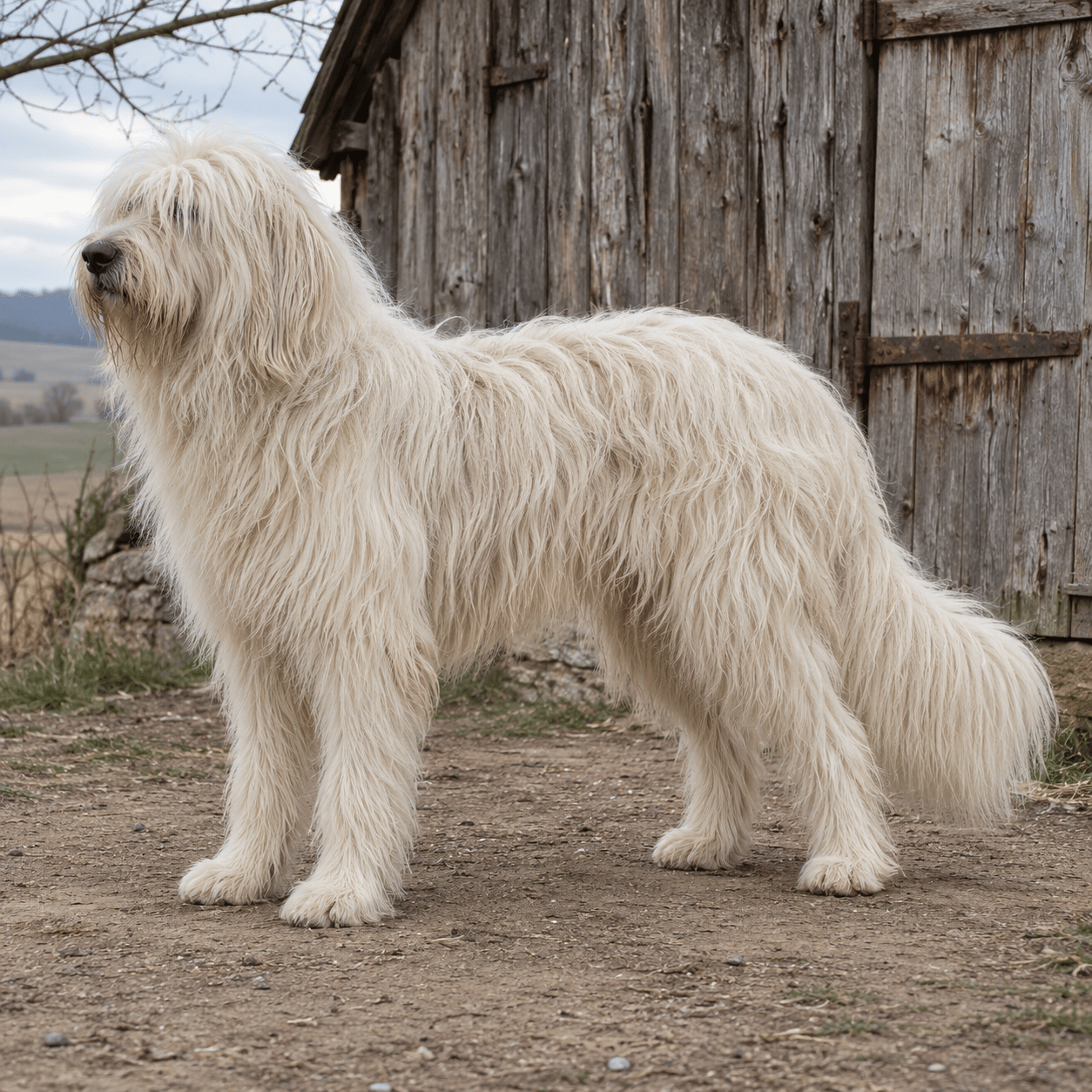
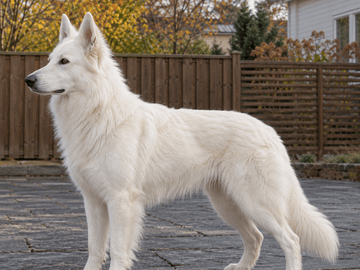
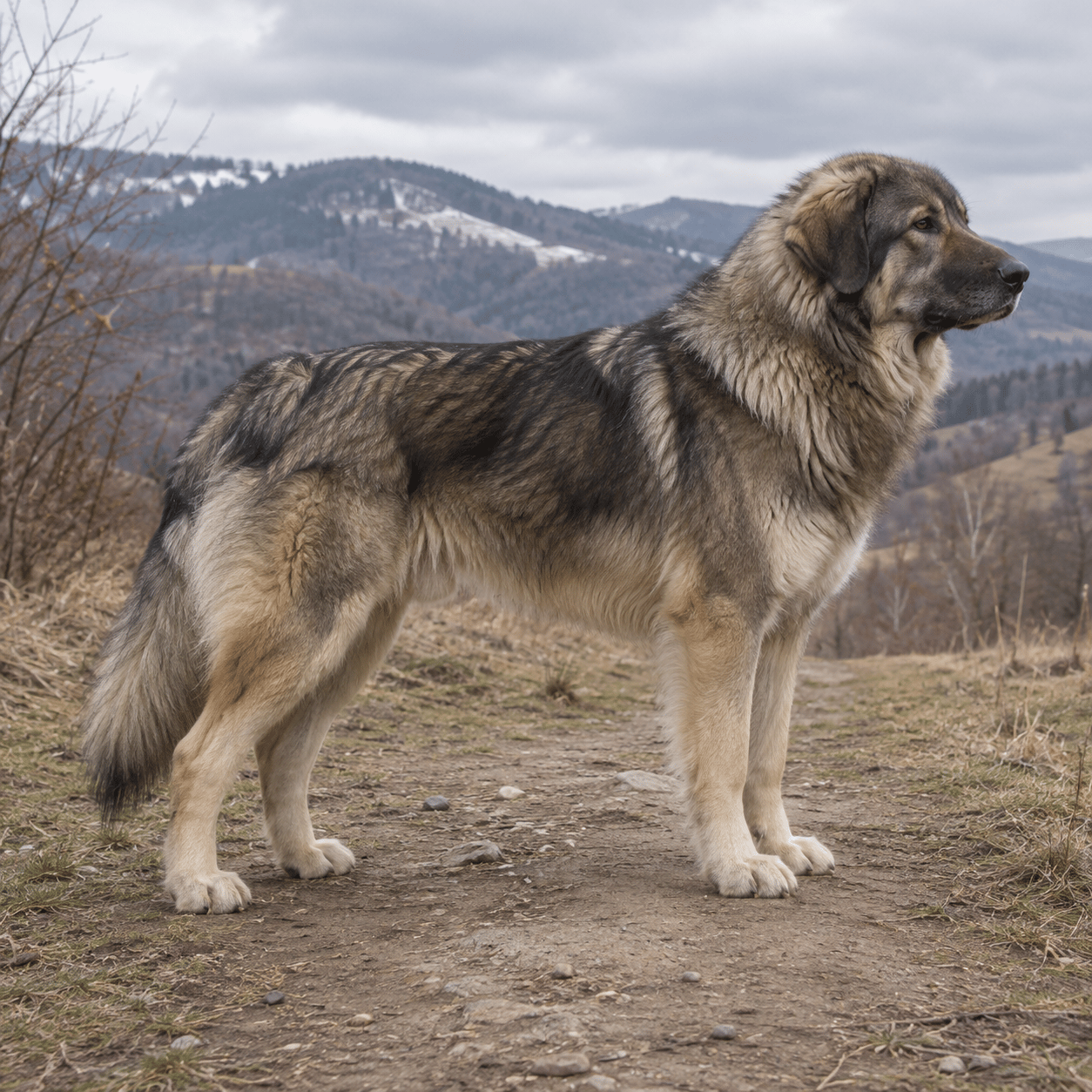
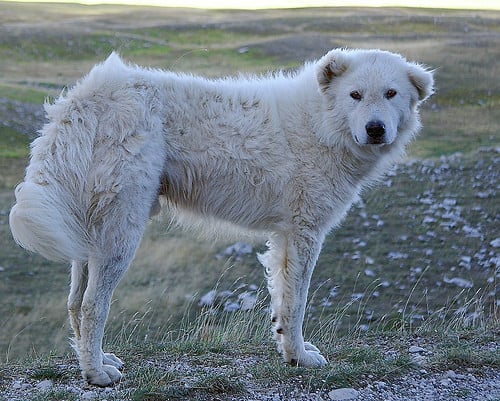
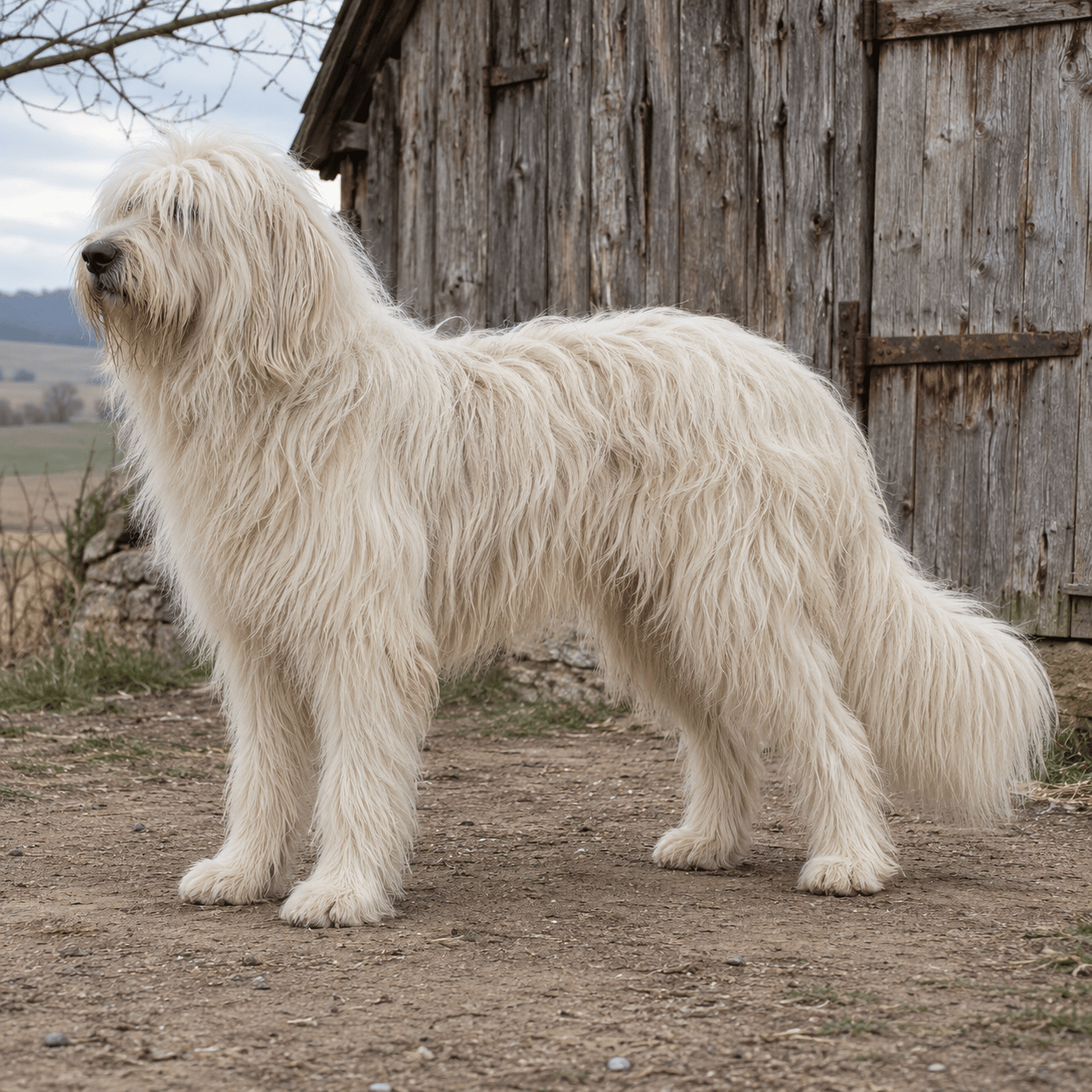
The South Russian Shepherd Dog is strong and agile, with a long coat. Bred as a livestock guardian, this breed is alert to its surroundings.
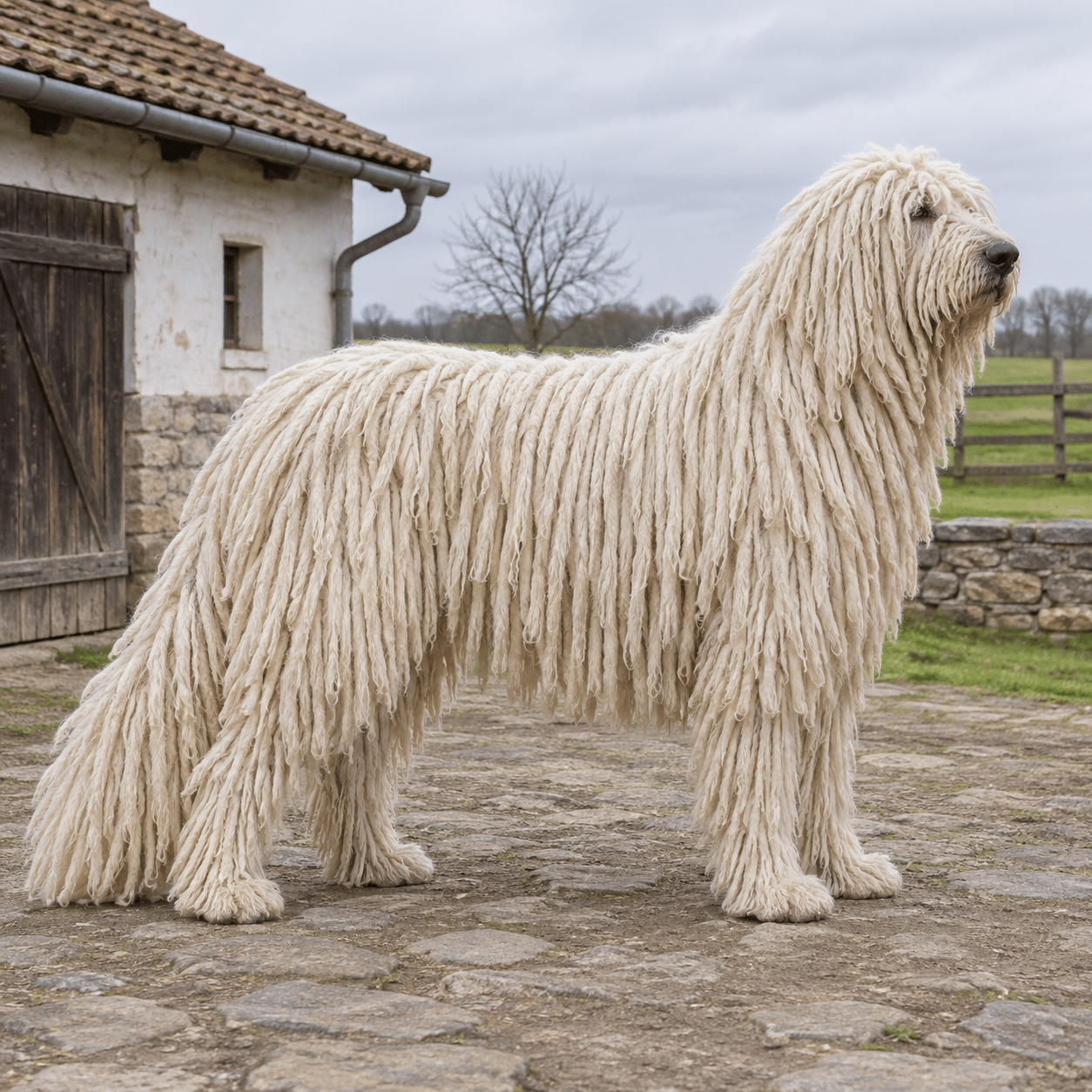
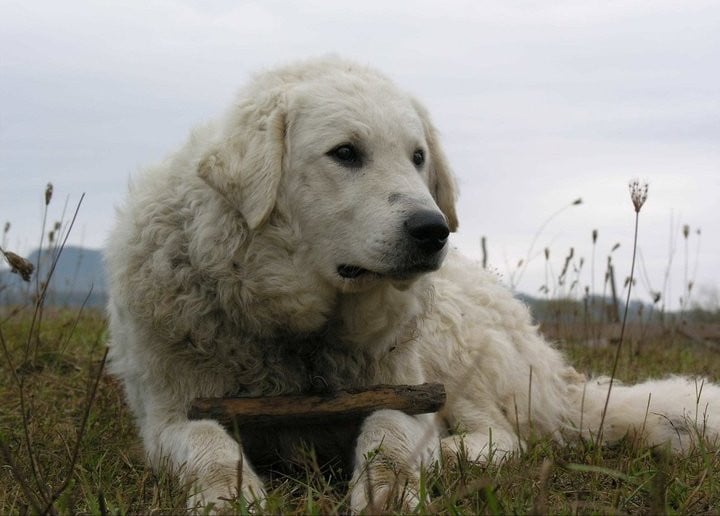
The coat is dense, including on the head and legs. It is usually white, though pale and grey shades or markings also occur.
¶Temperament & Personality
As a livestock guardian, this dog was bred to respond to changes and make its own decisions. Teach it to keep its distance and relax even when people are moving around nearby.
¶Training & Exercise
Get your dog used to gentle handling and walking on a lead from an early age. Focus on safe encounters that the dog can choose to take part in, along with predictable everyday obedience training that does not reinforce guarding behaviour.
¶Health
Ask about joint screening results and the health of older relatives. Assess the dog’s movement and body condition, and build up exercise gradually as it grows.
¶History & Origins
The breed was developed in the southern regions of what was then the Russian Empire, where these dogs were used to protect large flocks of sheep.
¶Living with the Breed
Comb the coat right down to the skin, paying particular attention to areas prone to matting. Manage visits carefully and make sure the dog has a place where it can rest undisturbed.
¶Characteristics
¶Frequently Asked Questions
¶Comparisons with Other Breeds
Compare South Russian Shepherd Dog with other breeds and see the differences in temperament, activity level, and care to make a confident choice. Show All Comparisons