
¶Table of Contents
¶Quick Facts
- The Griffon Fauve de Bretagne is an old French scenthound known for its rough, golden wheat to reddish fawn coat and expressive dark eyes.
- Bred originally for hunting wild boar and other big game, this breed combines courage and stamina with surprising gentleness at home.
- Highly social and people oriented, the Griffon Fauve de Bretagne usually thrives in active families who enjoy the outdoors in all weather.
- This breed is energetic and curious, which means it needs secure fencing and plenty of exercise to keep its strong nose and brain satisfied.
- The harsh, shaggy coat is relatively low maintenance and sheds moderately, making it easier to care for than many long coated breeds.
¶Appearance & Coat
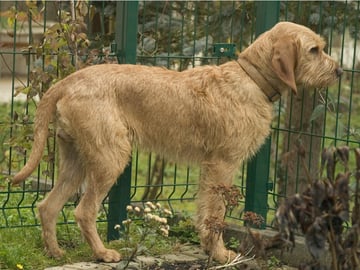
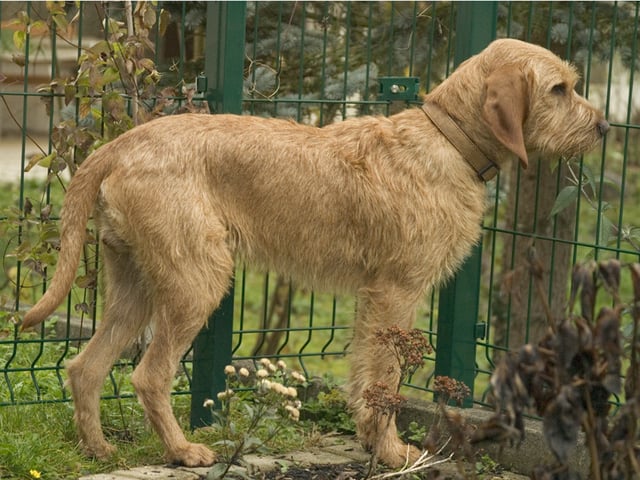
The Griffon Fauve de Bretagne is a medium sized, rustic looking scenthound, instantly recognizable by its tousled coat and lively, intelligent expression. Adults are typically well balanced, slightly longer than tall, with a sturdy yet athletic build that reflects their history as hardy hunting dogs in the rugged regions of Brittany. While individual dogs may vary a little, males and females tend to be similar in overall look and structure, with males sometimes slightly larger and more substantial in bone.
The head is rather long without being heavy, with a slightly domed skull and a straight or just slightly arched muzzle. The lips are not too pendulous, so the face looks clean and functional rather than loose or droopy. The eyes are dark brown and oval, giving a gentle and friendly expression that many owners find irresistible. The ears are of medium length, set at eye level or just below, and hang close to the head, covered in softer hair that blends into the rough coat on the neck.
The body of the Griffon Fauve de Bretagne is strong and compact, with a firm, level back and a deep chest that gives plenty of room for heart and lungs. The ribs are well sprung, but the overall silhouette stays lean and agile rather than heavy. The tail is usually carried in a slightly curved or sabre shape, never curled over the back, and it moves cheerfully when the dog is active or interested in something.
The coat is one of the defining features of the breed. It is rough, harsh, and quite dense, designed to protect the dog from brambles, undergrowth, and bad weather during long hunts. The length is generally medium, not forming long fringes or feathering. Around the face, the hair may be a little longer, giving a lightly bearded look, but it should not be excessive. Acceptable colors are various shades of fawn, from golden wheat to a deeper red fawn, often called “fauve.” Some dogs may have a small white patch on the chest, but large white markings are not typical.
Coat care for the Griffon Fauve de Bretagne is fairly straightforward compared to many long haired breeds. The rough coat does not mat as easily as silky fur, but it can trap dirt, seeds, and small twigs. A good routine is to brush the coat several times a week with a firm bristle brush or a slicker brush. This helps remove debris, reduce shedding, and keep the coat looking healthy and tidy. During shedding seasons, usually in spring and autumn, more frequent brushing can help keep hair around the home under control.
A thorough check after walks in fields or forests is also sensible. Run your hands through the coat to feel for any burrs or thorns, paying special attention to the ears, armpits, and between the toes. The coat does not need frequent bathing, and too many baths can strip its natural oils. A bath every few months, or when the dog is genuinely dirty or smelly, is usually enough. Use a mild dog shampoo suitable for rough coats.
Some owners choose to hand strip or lightly tidy the coat a few times a year to keep its texture hard and weather resistant. This should be done carefully, as heavy clipping can sometimes soften the coat and make it more prone to tangling or holding dirt. Regular nail trimming, ear checks, and dental care complete the grooming routine, helping the Griffon Fauve de Bretagne stay comfortable, healthy, and ready for any adventure.
¶Temperament & Personality
The temperament of the Griffon Fauve de Bretagne combines the working instincts of a determined scenthound with the affectionate nature of a devoted family companion. People who live with this breed often describe them as cheerful, enthusiastic, and very attached to their humans. They tend to bond strongly with their family and usually prefer to be where the action is rather than alone in another room.
In daily life, the Griffon Fauve de Bretagne is lively and curious. Their nose is constantly working, particularly outdoors, and they will often follow a scent trail with great focus. Indoors, once their exercise needs are met, many individuals settle nicely and enjoy napping near their people. They are not typically hyperactive in the home if given enough physical and mental stimulation, but a young, under exercised Fauve can be inventive in finding its own entertainment. This may include chewing, digging, or trying to escape the garden in search of interesting smells.
With families, the breed is generally affectionate and good natured. Their rustic hunting background has produced dogs that can work comfortably in a pack and around people, and this often translates into a friendly, sociable attitude at home. Around children, many Griffons are patient and playful, especially if they are raised with them from puppyhood. As with any breed, interactions between dogs and young children should be supervised. Teaching children to be gentle, to avoid pulling ears or tail, and to respect the dog’s rest times goes a long way toward a harmonious relationship.
With other dogs, the Griffon Fauve de Bretagne usually does quite well. They have a long history as pack hunters, so stable social behavior around other canines is a typical feature of the breed. Early and positive socialization is still important. If they grow up with other dogs, most Griffons enjoy canine company and play. Living with smaller pets is more complex. Because this breed was developed to track and pursue game, many individuals have a strong prey drive. Some may chase cats, rabbits, or other small animals, especially outdoors. In some homes, Griffons live peacefully with cats when introduced carefully and trained from an early age, but there are no guarantees. New owners should be realistic and cautious, particularly with free roaming small pets.
The Griffon Fauve de Bretagne is usually people friendly and often greets visitors with wagging tail and interested sniffing rather than suspicion. They are rarely natural guard dogs, although they may bark to announce someone at the door. As scent and hunting dogs, they are more likely to warn by voice than to take defensive action. Barking and howling can be an issue in some lines, especially if the dog is bored or left alone too long. Teaching a reliable “quiet” cue and providing sufficient daily activity can help manage vocal behavior.
Common challenges with this breed typically relate to their energy level, independent streak, and strong nose. They can become distracted on walks if they catch a scent, which may lead to pulling on the lead or trying to follow trails. Some individuals may have a stubborn side, especially if training is harsh or inconsistent. However, beneath that independence is a dog that loves its family and wants to participate in shared activities. When handled with patience, good humor, and firm kindness, the Griffon Fauve de Bretagne reveals a deeply charming personality, full of character and loyalty that wins many hearts for life.
¶Training & Exercise
The Griffon Fauve de Bretagne is an energetic, athletic hound that needs a meaningful combination of physical exercise and mental work. This is not a breed that will be satisfied with a brief walk around the block and the rest of the day on the sofa. Owners who enjoy hiking, long country walks, jogging in safe areas, or active outdoor hobbies often find that a Griffon fits naturally into their lifestyle.
As a scenthound, the Griffon Fauve de Bretagne has great endurance and a habit of working at a steady pace for long periods. A healthy adult typically needs at least one to two hours of activity every day, ideally split into several outings. This can include brisk walks, off lead running in secure spaces, and opportunities to sniff and explore. Sniffing is not just an optional extra for this breed; it is central to their enjoyment of life. Allowing them time on a long line to investigate smells safely provides both mental and physical stimulation.
Training the Griffon Fauve de Bretagne requires an understanding of their character. They are intelligent and capable of learning a wide range of cues, but they are also independent thinkers who may make their own choices if they do not see the point of an exercise. Rough handling or harsh corrections are likely to backfire and damage trust. Instead, this breed responds very well to reward based training that uses treats, toys, praise, and access to interesting smells as motivation.
Short, varied training sessions work best. Many Griffons enjoy learning practical skills such as recall, loose lead walking, and polite greetings, but they can find overly repetitive drills boring. Mixing obedience exercises with fun scent games or short play breaks keeps their attention. An example session might look like this: a few minutes of heelwork, followed by a “find it” game where you scatter treats in the grass, then practice recall a few times, then finish with some gentle play. This structure respects the dog’s natural interests and keeps learning enjoyable.
Because of their strong scent drive, recall is a particularly important and sometimes challenging skill for the Griffon Fauve de Bretagne. Early training is vital. Start in safe, distraction free areas and gradually build up to more interesting environments while using high value rewards when the dog returns. Many owners find that using a long training line in open spaces gives the dog a sense of freedom while maintaining safety during the learning phase. Some adult Griffons, particularly those with strong hunting backgrounds, may never be completely reliable off lead in unfenced areas with wildlife. In such cases, secure fields, fenced parks, and long lines remain useful tools.
In terms of activities, the Griffon Fauve de Bretagne usually enjoys anything that allows them to use nose and body together. Suitable options include:
- Mantrailing or tracking style games, following human scent trails
- Nosework or scent detection exercises in the garden or home
- Canicross or running with an owner using proper harness equipment
- Hiking in varied terrain, with time allowed for searching and exploration
Agility can be fun for some individuals, although the breed’s strong sniffing instinct may distract them from fast, competition level courses. Rally obedience and basic companion obedience can also work well if kept light and positive. Above all, consistent, kind leadership and regular engagement with the dog’s natural talents will help the Griffon Fauve de Bretagne become a well mannered and deeply satisfied companion.
¶Health
The Griffon Fauve de Bretagne is generally considered a robust and rustic breed, developed for work in tough conditions. Its origins as a hunting dog selected for endurance and resilience have given it a solid foundation of overall health. However, like all purebred dogs, there are certain health concerns and points of attention that responsible owners and breeders should keep in mind.
The typical lifespan of the Griffon Fauve de Bretagne is often around 11 to 14 years, with good care. Many individuals remain active and alert into their senior years. To support long term health, a balanced diet, regular exercise, weight control, and routine veterinary check ups are essential. Carrying excess weight puts strain on joints and the cardiovascular system, and can increase the risk of several diseases.
Orthopedic issues can occur in medium sized, active dogs, and the Griffon Fauve de Bretagne is no exception. Hip dysplasia and elbow dysplasia may be seen in the breed. These conditions relate to abnormal joint development, which can lead to pain and reduced mobility over time. Responsible breeders typically screen their breeding dogs for hip and sometimes elbow problems through radiographic evaluation. For puppy buyers, it is sensible to ask about the hip scores of the parents and, where available, the wider family.
Ear health is another practical concern. The breed has drop ears covered with hair, which can create a warm and slightly moist environment. This may favor ear infections if not monitored. Regular ear checks, gentle cleaning with products recommended by a vet, and drying the ears well after swimming or heavy rain can reduce the risk. If a dog shakes its head frequently, scratches at the ears, or if there is an unpleasant odor or discharge, a veterinary examination is important.
As a scenthound that often works in dense undergrowth, the Griffon Fauve de Bretagne can be exposed to ticks, thorns, and other environmental challenges. Modern dogs of the breed face similar risks on countryside walks. A consistent parasite prevention plan is therefore crucial. Tick control products, along with routine checks after walks, help protect against tick borne diseases. Looking over the body for cuts, burs, and skin irritations after outings can also catch small issues before they become larger problems.
Eye health should not be overlooked. Some hound breeds are prone to inherited eye conditions. Responsible breeders often follow recommendations for eye examinations of breeding stock through veterinary ophthalmologists. Potential puppy buyers can discuss health testing with breeders, including any eye checks performed and whether there have been issues in the lines.
Dental care is important in any breed, and the Griffon Fauve de Bretagne is no exception. Regular tooth brushing with dog safe toothpaste, along with appropriate chews or dental diets if advised by a veterinarian, can help prevent tartar buildup, gum disease, and related health problems.
In addition to specific tests, modern breeders often use broader health tools, such as keeping records of longevity, fertility, and any illnesses seen in their dogs, and sharing this information within breed clubs. For owners, early spaying or neutering decisions should be discussed with a vet who understands the breed’s growth and activity level, as timing can influence certain orthopedic and hormonal health aspects.
Finally, mental health and lifestyle play a role in overall well being. A Griffon Fauve de Bretagne that receives enough exercise, appropriate training, social contact, and environmental enrichment is more likely to remain emotionally balanced and physically fit. Preventing chronic stress, boredom, or long periods of isolation supports immune function and behavior, helping this hardy French hound live a long, contented life as a companion.
¶History & Origins
The Griffon Fauve de Bretagne is deeply rooted in the history of French hunting dogs, particularly in the region of Brittany. Its ancestors are believed to date back many centuries, forming part of the larger family of rough coated scenthounds that roamed the forests and countryside of France in pursuit of game. Early references speak of fawn colored griffons used by nobles and hunters to track wild boar, deer, and other large animals, long before modern breed standards were created.
Brittany, with its dense forests, hedgerows, and rugged landscapes, demanded dogs with stamina, courage, and a coat capable of resisting brambles and bad weather. The rough, fawn coat of the Griffon Fauve de Bretagne was ideally suited to this environment. The dogs needed to work tirelessly in packs, follow complex scent trails for hours, and face potentially dangerous game such as wild boar. Over time, hunters selected for keen noses, determination, and a rustic constitution, gradually shaping the type of dog that now carries the breed name.
Historically, there were several related fawn griffon types in France, and their numbers fluctuated with changes in hunting practices and social conditions. Periods of war, economic hardship, and shifts in land use reduced the demand for large packs of hunting hounds, and some local varieties came close to disappearing. The Griffon Fauve de Bretagne itself faced decline at certain times, but dedicated enthusiasts worked to preserve and stabilize the breed. Breed clubs, careful breeding programs, and the establishment of written standards helped secure its future.
The modern Griffon Fauve de Bretagne retains much of the character of its ancestors. It is still used as a working hound in France and some other European countries, particularly for hunting wild boar and sometimes smaller game such as hare or fox. Hunters value the breed for its ability to work on rough terrain, its clear, ringing voice during the chase, and its combination of persistence and cooperation within a pack.
Outside traditional hunting circles, the Griffon Fauve de Bretagne has slowly gained recognition as a companion dog. Its warm personality, distinctive appearance, and robust nature appeal to people who like active, outdoor lifestyles. Breed clubs and kennel clubs in several countries now recognize the breed officially, and it appears in conformation shows as well as in working and companion events.
Although still less common internationally than some other breeds, interest in the Griffon Fauve de Bretagne has been rising. Responsible breeders often place great emphasis on preserving the working aptitude and rustic health of the breed, while also paying attention to sound temperament and adaptability to modern family life. Today the breed sits at an interesting crossroads, bridging a long, practical hunting heritage with a growing role as a loyal and engaging family partner, especially for those who appreciate its history and are willing to provide an appropriately active lifestyle.
¶Living with the Breed
Living with a Griffon Fauve de Bretagne is a rewarding experience for people who enjoy an active, outdoor oriented life and who appreciate the character of a working hound. This is not a decorative or purely couch based companion. It is a dog that thrives on purposeful activity, close companionship, and a routine that balances exercise, training, and relaxation.
One of the first things new owners notice is the breed’s enthusiasm. A Griffon Fauve de Bretagne typically greets each day with bright eyes and a wagging tail, ready for whatever adventure awaits. Daily life should include substantial walks, ideally in varied environments such as woods, fields, or coastal paths. Providing at least one long walk plus additional shorter outings or play sessions is a practical baseline. Off lead time in safe, fenced areas is ideal, but where this is not possible, a long line allows the dog to move more freely while staying secure.
A secure garden or yard is highly recommended, as the breed’s nose and curiosity can lead to escape attempts if there are gaps in fencing. Fences should be high and solid enough to discourage jumping or squeezing through. Some Griffons are talented diggers, so checking the perimeter regularly is wise. Mental enrichment is equally important. Simple activities like hiding treats around the home or garden, scattering food in grass to encourage sniffing, or using puzzle feeders at mealtime help keep the dog’s brain engaged.
In terms of housing, the Griffon Fauve de Bretagne can adapt to various living situations, including rural homes and urban apartments, provided its exercise needs are met. Apartment living requires extra dedication to outdoor time and may not suit every individual, but it can work with committed owners. Indoors, a comfortable dog bed in a quiet corner, along with a few durable chew toys and interactive toys, helps the dog relax. Most Griffons prefer to be close to their family and do not do well if left alone for very long periods every day. Gradual training for short absences, and perhaps the help of a dog walker or dog sitter for longer days, can prevent separation related issues.
Financially, living with a Griffon Fauve de Bretagne involves typical medium breed costs. Annual expenses include quality food, routine veterinary care, vaccinations, parasite prevention, grooming supplies, and possibly professional grooming if owners choose. On top of this, owners should budget for:
- Initial equipment such as a sturdy harness, collar, lead, long line, crate or puppy pen, beds, bowls, and toys
- Training classes, especially during puppyhood and adolescence
- Occasional replacement of chewed or worn items
- Pet insurance or savings for unexpected veterinary bills
Health insurance or a dedicated savings plan is strongly recommended, as emergencies or chronic conditions can quickly become expensive. Over the course of a year, costs will vary by country and lifestyle, but prospective owners should be prepared for a similar financial commitment to other medium sized active breeds.
Useful equipment for this breed often includes a well fitting harness that allows free shoulder movement, a strong lead, and a long line for country walks. Reflective gear for dog and owner can be valuable in low light. For mental stimulation, a selection of food puzzle toys, snuffle mats, and scent based games fits particularly well with the breed’s natural instincts.
New owners should also be ready for the grooming routine that comes with the rough coat. While not high maintenance, it does require regular brushing and occasional trimming or tidying. Keeping a small grooming kit at home with a suitable brush, comb, nail clippers or grinder, and ear cleaning solution is practical. Many Griffons learn to enjoy grooming if it is introduced gently with rewards from puppyhood.
Finally, living with a Griffon Fauve de Bretagne means embracing a dog with a strong personality and deep loyalty. They are affectionate without being clingy in a needy way, but they do look to their family for guidance and companionship. Owners who invest time in positive training, clear boundaries, and shared activities usually find that their Griffon becomes a true partner in daily life. For the right person or family, the blend of rustic charm, working instinct, and affectionate character makes this French scenthound a memorable and much loved companion.
¶Characteristics
| Characteristic | Value |
|---|---|
| Breed Type | Purebred |
| Aggressiveness | 2/5 |
| Child Friendly | 5/5 |
| Energy | 4/5 |
| Hair Shedding | 3/5 |
| Health | 3/5 |
| Intelligence | 3/5 |
| Grooming Needs | 2/5 |
| Learning Ability | 3/5 |
| Barking Level | 4/5 |
| Height | 48 – 56 cm |
| Weight | 17 – 21 kg |
| Life Expectancy | 10 – 13 years |
¶Frequently Asked Questions
What kind of temperament does the Griffon Fauve de Bretagne typically have in a family home?
They are usually affectionate, lively and people oriented, with a strong desire to be part of daily family life. Their hunting background gives them energy and independence outdoors, but indoors they tend to be calm and content if their exercise needs are met. They are generally good with children when well socialized, though their enthusiasm can be a bit much for very small kids.
How much exercise does a Griffon Fauve de Bretagne really need each day?
This is an active scent hound that usually needs at least 60 to 90 minutes of physical exercise each day, plus mental enrichment. Long walks, scent games and safe off leash time in secure areas suit them well. Without enough activity they can become noisy, bored and prone to following their nose out of the yard.
Is the Griffon Fauve de Bretagne suitable for apartment living?
They can adapt to an apartment if they receive substantial daily exercise and mental stimulation, but they are not an ideal choice for very sedentary households. Their tendency to bark and to follow scents can be challenging in close quarters. Access to safe outdoor spaces and committed training are important in an urban environment.
What are the most common health issues seen in Griffon Fauve de Bretagne dogs?
Overall this is considered a relatively robust breed, but they can be prone to ear infections due to their dropped ears and a history of some eye and joint problems. As active scent hounds they may also be at risk of injuries from rough terrain and occasionally gastric issues if fed just one large meal. Responsible breeders screen for known hereditary concerns and keep detailed health records.
How strong is the hunting and scent drive in the Griffon Fauve de Bretagne?
The breed was developed as a pack hunter for boar and other game, so its scent drive is naturally very strong. Many individuals will follow a trail with great determination and may ignore recalls when on a scent. Secure fencing, long lines and early recall training are essential for safe management.
What grooming does the rough coat of the Griffon Fauve de Bretagne require?
Its harsh, wiry coat is relatively low maintenance but should be brushed once or twice a week to remove dead hair and debris. Occasional hand stripping or tidying may be helpful to keep the texture correct and prevent matting, especially around the ears and tail. Regular ear checks and nail trimming are also important due to their active lifestyle.
Are Griffon Fauve de Bretagne dogs good with other pets and dogs?
They were bred to work in packs and many are sociable with other dogs when properly introduced. Their hunting background means they may view small animals such as rabbits or some cats as prey, especially if not raised with them. Careful early socialization and supervision around smaller pets are recommended.
How vocal are Griffon Fauve de Bretagne hounds and can barking be controlled?
They are naturally vocal and use their voice to communicate while tracking, which can translate into frequent barking or baying at home. While you cannot remove this trait entirely, consistent training, adequate exercise and teaching a reliable “quiet” cue can reduce nuisance noise. Bored or under exercised individuals are usually the loudest.
What kind of training approach works best for a Griffon Fauve de Bretagne?
They are intelligent but can be independent and easily distracted by scents, so short, focused sessions work best. Positive reinforcement methods with high value rewards help keep their attention. Early recall, loose leash walking and impulse control training are particularly important for this breed.
What should potential owners know about the origin and traditional use of the Griffon Fauve de Bretagne?
The breed originated in Brittany in France, where it was used in packs for hunting wild boar and other game across rough terrain. This history explains its endurance, strong nose, robust build and independent working style. Understanding this background helps owners provide enough activity and accept some of the breed’s natural instincts, such as scenting and baying.
¶Comparisons with other breeds
Compare Griffon Fauve de Bretagne with other breeds and see the differences in temperament, activity level, and care to make a confident choice. Show all comparisons