
¶Table of Contents
¶Quick Facts
- Lively, confident, and full of character, the Wire Fox Terrier is often described as a “big dog in a small body” with an endless zest for life.
- Originally bred as a fox-hunting terrier, this breed has a strong prey drive, quick reactions, and a love for chasing anything that moves.
- The wire, weather-resistant coat hardly sheds, but it needs regular trimming or hand stripping to stay in good condition and keep the terrier look.
- Wire Fox Terriers are intelligent, trainable, and clownish, but they can also be stubborn and independent, so consistent training is key.
- They usually thrive in active homes that offer plenty of exercise, interactive play, and mental challenges every day, rather than a quiet, low-energy lifestyle.
¶Appearance & Coat
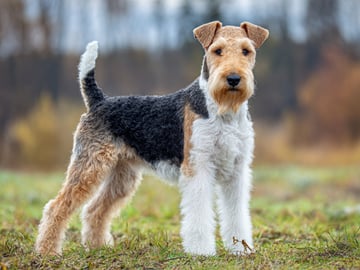
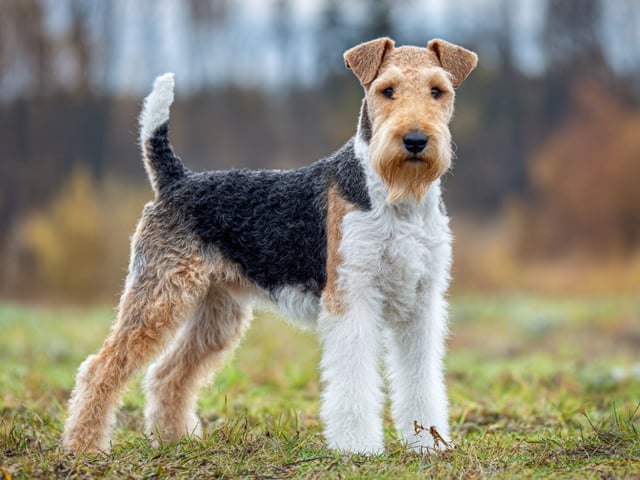
The Wire Fox Terrier is a compact, medium to small terrier with a sturdy, athletic body and a very alert expression. Most adults stand around 36 to 39 centimeters at the shoulder and typically weigh between 7 and 9 kilograms, though there can be individual variation. They should never look fine-boned or fragile. Instead, a good Wire Fox Terrier combines strength and agility, which reflects their history as working terriers that had to follow horses and hounds in the field. The overall outline is slightly longer in leg than some other terrier breeds, with a short, strong back and well laid-back shoulders that allow a free and lively movement.
One of the most distinctive features of the Wire Fox Terrier is the head. It is long and flat, with a strong muzzle that tapers slightly and powerful jaws. The eyes are small, dark, and full of life, often giving the impression that the dog is always planning its next move. Ears are V-shaped and fold neatly forward, framing the face and adding to that classic terrier expression. The tail is usually carried upright and proudly when the dog is alert or on the move.
The coat is perhaps the breed’s trademark. As the name suggests, the Wire Fox Terrier has a dense, wiry outer coat that feels harsh to the touch, with a softer undercoat underneath. This double coat provided essential protection against rain, cold, and rough undergrowth when the dogs worked in the field. When well maintained, the coat creates a slightly broken, crisp texture that follows the body without looking fluffy or soft. The hair on the legs and muzzle is typically a little longer and can be shaped to give that characteristic bearded and leg-furnished terrier look.
Color is usually predominantly white, which historically made the dog more visible during a hunt. Markings in black, tan, or a combination of both are very common. Many Wire Fox Terriers are white with black patches on the body and tan points on the head and around the ears. Some dogs may have more or less color, but a clearly white background is typical and preferred.
Coat care is an important part of living with a Wire Fox Terrier. The breed is low shedding compared with many others, but that does not mean low maintenance. The harsh texture is best preserved through regular hand stripping, which means plucking out dead hairs by hand or with a stripping knife instead of cutting them with clippers. Many pet owners choose to have the coat professionally hand stripped a few times a year, or they learn to do it themselves. If the coat is regularly clipped instead, it often becomes softer and curlier over time and can lose some of its protective quality.
Basic home grooming is still essential even if you rely on a groomer. Brushing a few times a week helps to prevent tangles and keeps the legs and beard clean. Because facial hair can trap food and dirt, it is wise to gently clean the beard after meals. Regularly check the ears, nails, and teeth as part of a grooming routine. With the right care, a Wire Fox Terrier keeps its stylish, crisp look and stays comfortable in all seasons.
¶Temperament & Personality
The Wire Fox Terrier is famous for having a bold, spirited, and cheerful temperament. This is not a shy or reserved breed. Most individuals greet life head-on, with a sense of curiosity and an eagerness to join in whatever is happening. Their terrier nature shows in their confidence and independence, and many owners describe them as charming little comedians who keep the household entertained with their antics. They often enjoy being the center of attention and will happily show off tricks or games they have learned.
In a family setting, the Wire Fox Terrier can be an affectionate and devoted companion. They usually form strong bonds with their people and like to be involved in daily activities. Many enjoy cuddles on the sofa after a busy day, although they are less of a “lap dog” and more of a busy, active friend. With children, they can be playful and fun, especially with older kids who understand how to treat a dog respectfully. However, because they are energetic and may respond poorly to rough handling, supervision around younger children is important. Teaching children how to approach, touch, and play calmly with the dog helps to build a positive relationship.
Other pets can be more complicated. The Wire Fox Terrier was bred to chase and sometimes kill small animals, so a strong prey drive is part of their heritage. Many will instinctively chase cats, rabbits, or other small pets if given the chance. Early socialization, good management, and careful introductions can sometimes help them live peacefully with a confident cat, especially if they are raised together, but it is not guaranteed. Small rodents and birds should always be kept safely out of reach. With other dogs, Wire Fox Terriers can be sociable but also assertive. Some individuals are perfectly friendly and enjoy canine company, while others may be quicker to challenge or posture, particularly with dogs of the same sex. Controlled socialization from puppyhood and clear guidance from the owner can help reduce tension and encourage polite behavior.
A recurring theme with this breed is their strong personality. They are usually clever and quick to learn, but they also have their own opinions. If they see no point in a command, they may simply ignore it. This independent streak can lead to common challenges such as:
- Reactivity to moving objects like bicycles or joggers
- Excessive barking if they are bored or under stimulated
- Digging in the garden, especially if they sense small animals underground
Prospective owners should be prepared for a dog that is active both physically and mentally. A bored Wire Fox Terrier will find ways to entertain itself, which might not always align with your idea of a quiet life. When given enough outlets for their energy and a clear set of household rules, however, they are delightful characters. Their sense of humor, loyalty, and lively spirit often make them unforgettable once you have shared your home with one.
¶Training & Exercise
Training a Wire Fox Terrier can be both rewarding and challenging. This is a smart breed that learns quickly and enjoys interacting with people, but it also has a strong will and a sharp independent streak. The best approach combines patience, consistency, and a lot of positive reinforcement. Praise, treats, and play work far better than harsh corrections. If a Wire Fox Terrier feels pressured or unfairly punished, it will often become more stubborn or simply switch off.
Early puppy training makes a big difference. Basic obedience such as sit, down, stay, and recall should start as soon as the puppy settles into the home. Short, fun sessions are usually more effective than long, repetitive drills. Variety is helpful, since these dogs can get bored easily. Incorporating little games, such as “find the treat” or basic trick training, keeps their sharp mind engaged and makes them view training as an enjoyable activity instead of a chore.
Recall training deserves special attention. Because most Wire Fox Terriers have a strong drive to chase, many will ignore a recall if they are in hot pursuit of a squirrel or bird. It is wise to build recall gradually, using high value rewards, and to practice in safe, enclosed areas before attempting off lead freedom in open spaces. Many owners choose to use long training lines outdoors or keep their dog on lead in areas with a lot of wildlife or traffic, just to be safe.
Exercise needs are significant for a dog of this size. A quick walk around the block is rarely enough. Most adult Wire Fox Terriers need at least one to two hours of activity spread throughout the day, which can include:
- Brisk walks or hikes
- Off lead running in secure areas
- Interactive games like fetch or tug
- Scent games and puzzle toys indoors
Mental exercise is just as important as physical activity. Activities such as obedience, rally, agility, or nose work suit the breed very well. Many Wire Fox Terriers excel in these dog sports because they enjoy having a “job” to do and love the attention and reward that come with success. Agility in particular taps into their natural quickness and athleticism. Even if you do not plan to compete, simple backyard obstacle courses or homemade challenges can be a great way to channel energy.
Household manners need clear boundaries from the beginning. Jumping up on guests, grabbing at clothing during play, and barking at every sound outside can become habits if not gently corrected. Consistent rules, plenty of chew toys, and teaching calm behaviors such as “go to your bed” can help your Wire Fox Terrier learn how to settle. Crate training is often very helpful, giving the dog a safe place to rest and helping with house training and management.
With the right training methods and enough exercise, the Wire Fox Terrier’s energy and intelligence become a joy rather than a challenge. Many owners find that living with this breed keeps them active, engaged, and laughing on a daily basis.
¶Health
The Wire Fox Terrier is generally a robust and long-lived breed, but like all purebred dogs it can be prone to certain health issues. Responsible breeders screen their breeding dogs and aim to reduce the risk of inherited conditions. As a potential owner, it is useful to know what can occur so you can ask the right questions and provide good care throughout your dog’s life.
One area of concern in the breed is certain neurological and orthopedic issues. Conditions such as Legg Calvé Perthes disease, which affects the hip joint, and patellar luxation, where the kneecap slips out of place, can sometimes appear. These issues may lead to lameness, discomfort, or changes in movement, especially in young or growing dogs. Regular veterinary checks and attention to any limping or reluctance to exercise are important, as early treatment can improve outcomes.
Eye health is another focus. Some Wire Fox Terriers may be predisposed to inherited eye diseases, which can affect vision. Responsible breeders often use eye examinations by veterinary ophthalmologists to screen for problems. Skin and coat health also deserve consideration. The harsh coat itself is usually protective, but allergies or sensitivities to certain foods or environmental factors can occur, leading to itching or ear problems. Good grooming and regular checks help you spot any changes quickly.
Like many active terrier breeds, Wire Fox Terriers can occasionally develop injuries from their own enthusiasm. Sprains, muscle strains, or small cuts can happen if the dog charges through rough terrain or jumps from heights. While they tend to be tough and will often try to carry on as if nothing is wrong, owners should monitor for any signs of pain, stiffness, or change in behavior after vigorous play.
Epilepsy has been reported in the breed, so any episodes of seizures must be taken seriously and investigated by a veterinarian. Dental care is also essential, as smaller and medium sized dogs can build up tartar quickly if their teeth are not brushed regularly.
A typical lifespan for a well cared for Wire Fox Terrier is often around 12 to 15 years, and some may live even longer. To support a long and healthy life, consider the following:
- Choose a breeder who uses appropriate health tests and can show health records
- Feed a balanced diet suited to the dog’s age, size, and activity level
- Maintain a healthy weight, as excess body fat puts strain on joints and organs
- Keep up with regular vaccinations, parasite prevention, and dental care
- Schedule annual health checks, and more frequent checkups as the dog gets older
As your Wire Fox Terrier ages, you may notice slowing down, stiffness, or reduced hearing and vision. Adjusting exercise, providing comfortable bedding, and possibly adding joint supplements on your vet’s advice can help keep a senior dog comfortable. With attentive care and early intervention when problems appear, many Wire Fox Terriers remain bright, lively companions well into old age.
¶History & Origins
The Wire Fox Terrier has a long and colorful history that is closely tied to traditional fox hunting in Britain. The breed developed from early British terriers that were kept on farms and estates to control vermin and assist during hunts. These small, fearless dogs would follow the hounds and horses, and when a fox went to ground in a den or burrow, the terrier’s job was to flush it back out so the hunt could continue. For this work, the dogs needed to be brave, determined, and agile, with a body shape that allowed them to squeeze into narrow earths.
During the 18th and 19th centuries, terriers used for fox hunting were refined into a more recognizable type. Both smooth and wire coated varieties existed, but eventually they came to be recognized as separate breeds. The Wire Fox Terrier likely had input from various rough coated terriers from different regions, selected specifically for a harsh, weather-resistant coat and suitable temperament. White coats with dark markings were preferred, as it helped hunters distinguish the dog from the quarry in the heat of the chase.
By the late 19th and early 20th centuries, the Wire Fox Terrier gained popularity not only as a working dog but also as a show and companion dog. The breed became a favorite in the show ring and enjoyed considerable success, particularly in Britain and later in the United States. Their stylish appearance, confident carriage, and charismatic personality made them stand out. Over time, a clear breed standard was developed, guiding breeders toward the distinctive look and character that we associate with the Wire Fox Terrier today.
Outside of hunting, these terriers also gained visibility in popular culture. They appeared in paintings, advertisements, and even films, often portrayed as clever, loyal, and slightly mischievous household pets. This public image helped cement their place as much-loved companions, even as traditional fox hunting became less central in many regions.
Today, while a few Wire Fox Terriers may still be used for traditional terrier work or vermin control on farms, most live as family pets and performance dogs. They participate in activities like agility, obedience, rally, and various dog sports where their energy and enthusiasm shine. Breed clubs and enthusiasts around the world work to preserve the Wire Fox Terrier’s distinctive qualities, from its wiry coat and square outline to its lively, brave temperament. The modern Wire Fox Terrier may spend more time on the sofa or in the show ring than underground in fox dens, but the ancestry of a hardworking, determined hunting terrier remains visible in every bright-eyed, eager movement.
¶Living with the Breed
Sharing your life with a Wire Fox Terrier is a rewarding experience, but it also requires a realistic understanding of what the breed needs. This is not a dog for someone looking for a very calm or low maintenance companion. Instead, the Wire Fox Terrier suits people or families who enjoy an active lifestyle, regular outdoor walks, and time spent training and playing with their dog.
Daily life with a Wire Fox Terrier usually includes several good walks and structured play sessions. Many owners find that mornings start with a brisk walk or a game in the garden to take the edge off the dog’s energy. Throughout the day, puzzle toys, short training sessions, and interactive play help keep the dog mentally satisfied. Leaving a Wire Fox Terrier alone for long periods without stimulation can lead to barking, digging, or other unwanted behaviors. They are generally happiest when they can be involved in family life and have regular contact with their people.
New owners should also plan for regular grooming. Even if you decide to keep the coat stripped by a professional groomer, you will need to budget both time and money for this. Depending on the style you prefer and how fast your dog’s hair grows, hand stripping may be needed every 6 to 12 weeks. Between grooming appointments, brushing, cleaning the beard, and checking for tangles on the legs are part of the routine. Nail trimming every few weeks, ear cleaning as needed, and consistent dental care should be expected.
Financially, Wire Fox Terriers sit in a similar range to many other small to medium purebred dogs. Initial costs include the purchase price of the puppy, vaccinations, microchipping, basic equipment, and possibly puppy classes. Ongoing annual expenses often cover quality food, routine vet visits, parasite prevention, grooming, insurance, and replacement of toys and equipment. Terriers are often hard on toys, especially those meant for gentle play, so investing in sturdy chew toys and durable leads and collars is wise.
Useful equipment for living with a Wire Fox Terrier can include:
- A secure harness and strong, comfortable lead for walks
- A crate or indoor pen to provide a safe resting and management space
- Puzzle feeders and treat dispensing toys for mental stimulation
- Robust chew toys to satisfy their natural chewing instincts
- Grooming tools such as a slicker brush, comb, and stripping knife if you plan to maintain the coat yourself
A securely fenced garden is highly recommended. The breed’s tendency to chase and explore can lead them to slip through gaps or dig under weak fences. Ensuring solid boundaries helps prevent escapes and accidents. Indoors, baby gates can be useful to limit access to certain areas, especially during puppyhood while you are teaching household rules.
Emotionally, living with a Wire Fox Terrier means accepting a dog with a strong personality. They may test boundaries, try to get their own way, or argue about rules, particularly during adolescence. Consistent, kind leadership and a sense of humor go a long way. Many owners say that once you understand the terrier mindset and provide the structure and outlets they need, the bond becomes very special. The breed’s loyalty, bravery, and infectious enthusiasm for life make them memorable companions.
For the right owner, a Wire Fox Terrier brings energy, joy, and character into the home. If you enjoy training, staying active, and sharing your life with a dog that is never dull, this breed can be a wonderful match. If, however, you prefer a couch potato or have very little time for exercise and interaction, another, more laid-back breed may suit you better. Taking an honest look at your lifestyle before choosing a Wire Fox Terrier will help ensure many happy years together.
¶Characteristics
| Characteristic | Value |
|---|---|
| Breed Type | Purebred |
| Aggressiveness | 3/5 |
| Child Friendly | 4/5 |
| Energy | 4/5 |
| Hair Shedding | 2/5 |
| Health | 5/5 |
| Intelligence | 3/5 |
| Grooming Needs | 2/5 |
| Learning Ability | 2/5 |
| Barking Level | 4/5 |
| Height | 37 – 39 cm |
| Weight | 6 – 9 kg |
| Life Expectancy | 13 – 14 years |
¶Frequently Asked Questions
What is the typical temperament of a Wire Fox Terrier around family and strangers?
They are alert, bold and lively dogs that usually bond very closely with their families. With proper socialization they are friendly yet reserved with strangers and can be quite vocal when something catches their attention. They tend to have a confident, sometimes stubborn streak, so clear boundaries from an early age are important.
Are Wire Fox Terriers good with children and other pets?
They can be good companions for older, respectful children who enjoy an active dog. Their strong prey drive and terrier intensity mean they are often not reliable with small pets like rabbits or rodents, and some may be reactive toward unfamiliar dogs. Early socialization and careful introductions are essential, and many owners find supervision and management are needed around other animals.
How much exercise does a Wire Fox Terrier really need each day?
This breed has very high energy for its size and typically needs at least 60 to 90 minutes of physical activity every day. Brisk walks, play sessions and mentally engaging games are important to prevent boredom related behavior such as digging, barking or destructive chewing. Many do well when they also have an outlet like agility, earthdog work or structured games of fetch.
How difficult is it to train a Wire Fox Terrier and are they stubborn?
They are intelligent and quick to learn but often have an independent terrier mindset, which can come across as stubborn. Short, varied sessions with positive reinforcement work best, along with consistent rules from all family members. Reliable recall and impulse control usually require extra patience because of their strong chase instinct.
What kind of grooming does the wiry coat need, and do Wire Fox Terriers shed?
Their harsh, dense coat is usually hand stripped to maintain correct texture and color, particularly for show or a classic look. Pet dogs are often clipped, which is easier to maintain but softens the coat and can change its appearance. They shed very little compared with many breeds, but regular brushing and periodic professional grooming are still needed to prevent mats and keep the coat tidy.
What health problems are most common in Wire Fox Terriers?
They are generally robust, but can be prone to issues such as lens luxation and some other eye diseases, allergies and skin problems, and occasionally orthopedic conditions like patellar luxation. A small number may develop genetic neurological conditions, so puppies should ideally come from health tested parents. Regular veterinary checkups and weight control help reduce risks throughout life.
Is a Wire Fox Terrier suitable for apartment living or small homes?
They can adapt to apartment life if their exercise and mental stimulation needs are met every single day. However, their tendency to bark at noises and their high activity level can be challenging in close quarters without good training and management. Access to safe outdoor areas and committed daily activity is more important than the size of the home itself.
Do Wire Fox Terriers have a strong prey drive and will they chase small animals?
Yes, the breed was developed to go to ground after foxes and that instinct remains strong in many individuals. It is common for them to chase cats, squirrels and other wildlife, so secure fencing and leashed walks are strongly recommended. Training can improve control, but it rarely removes the underlying chase drive entirely.
Are Wire Fox Terriers difficult to housebreak or manage indoors?
They are not inherently harder to housebreak than other small to medium breeds, but their energetic nature can make consistency more important. Crate training, a regular schedule and patient reinforcement usually work well. Indoors they can be busy and inquisitive, so many owners use management tools like baby gates to prevent mischief when unsupervised.
How long do Wire Fox Terriers live, and how can I help one stay healthy into old age?
The typical lifespan is around 12 to 15 years, with some living longer when well cared for. Keeping them lean, providing daily exercise, maintaining dental and coat care, and scheduling routine veterinary exams all contribute to healthy aging. Monitoring vision, mobility and skin condition as they get older helps catch issues early.
¶Comparisons with other breeds
Compare Wire Fox Terrier with other breeds and see the differences in temperament, activity level, and care to make a confident choice. Show all comparisons