
¶Why Are We Taking a Stand Against Smuggled Dogs?
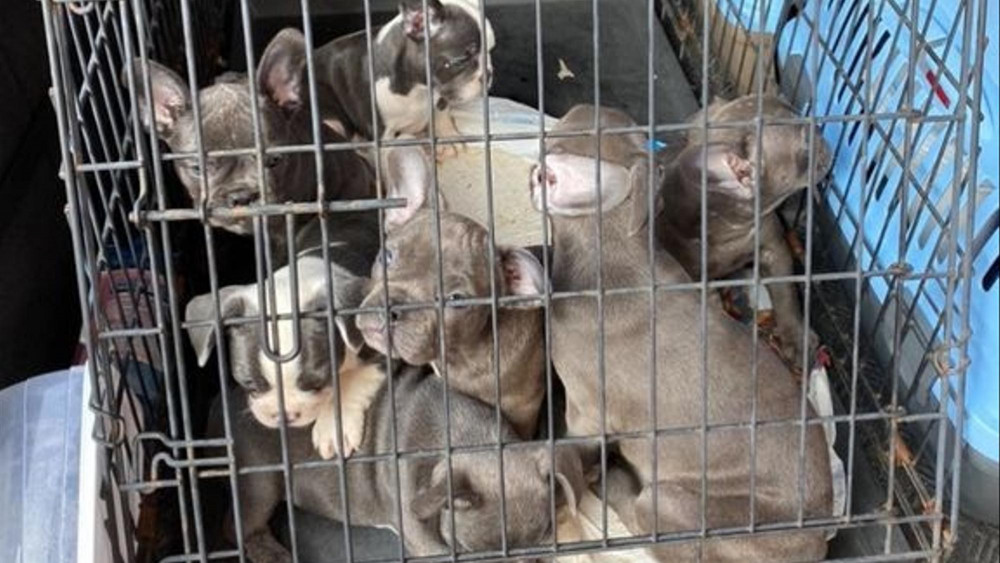
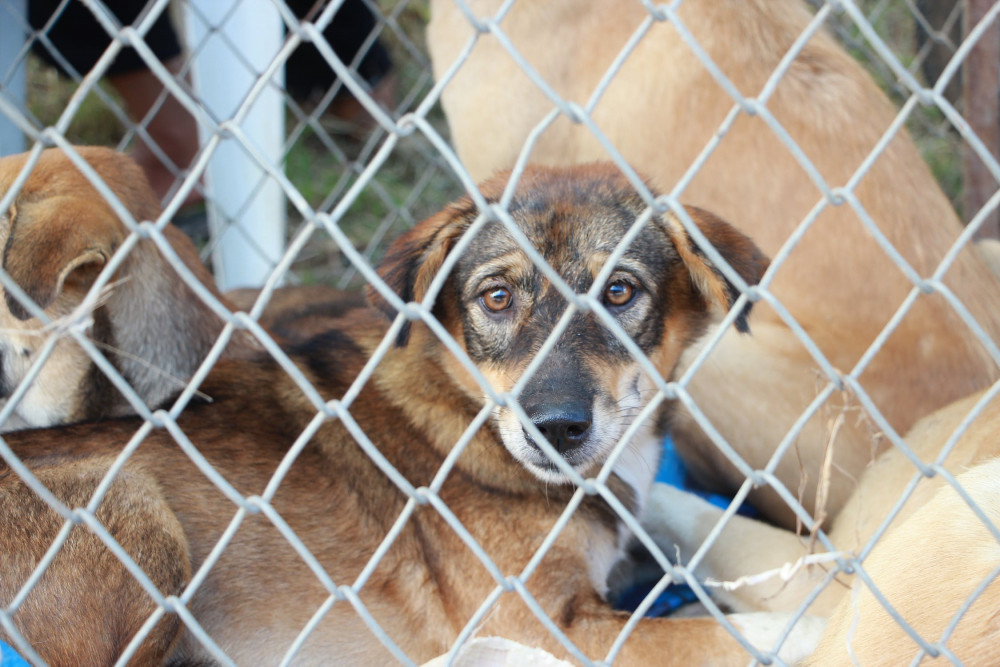
Every year, at least 600 dogs are illegally smuggled into Sweden. They are often raised in terrible conditions, not vaccinated, suffer from various diseases, and are the result of irresponsible overbreeding. Our goal is to curb this and prevent it from continuing.
We want a future where dog owners can feel confident about their purchases and where illegal dog smuggling no longer exists. A future where dogs can live long, peaceful lives.
It is important to us that no smuggled dogs are offered for sale through Skaffa Hund. We have therefore developed working methods to ensure safe and smooth sales, reduce the number of scams, and combat smuggling.
We are able to identify if a seller is trying to post an ad for a smuggled dog. This is possible thanks to our processes and the requirement that users log in with Mobilt BankID. If something goes wrong, we can support both the seller and the buyer.
¶What Does the Process Look Like?
The process for approving an ad starts with us checking the text and the photos. We then verify whether there is a dog registered to the person who wants to post the ad and, if so, what breed is registered.
There are usually several mismatched details when we start to suspect something is wrong. For example, the seller may claim that the dog is registered with the SKK, but it is clearly a mixed breed. It might also be that someone is trying to sell a 3–4 month old puppy, or that the dog is being sold for an unusually low price.
If we discover that there is no dog registered to the person, several things happen. First, we require the seller to submit the microchip number of the dog they want to sell. We then check this chip number against the Jordbruksverket register. If the puppy is too young and has not yet been microchipped, we ask the advertiser to provide the mother’s chip number instead. We then check that the chip number and the mother are registered to the advertiser.
At the same time, we run a Google image search on the photo or photos to see if the images were taken by the advertiser or copied directly from another website. We also check whether the person has posted ads on other classified sites. If the same person has posted ads for many different breeds and used almost identical texts in all of them, it is highly likely that they are trying to sell smuggled dogs or commit fraud. If we can tick off many of these indicators, we treat it as a fraud attempt and block both the ad and the person from the site.
If we discover that someone is trying to sell a smuggled dog, we contact the authorities responsible for these matters. Finally, we check whether the ad from this seller is listed on any other marketplace. If we find the ad on a site that does not carry out verification checks, we report the ad to them.
¶Are There Any Common Warning Signs You Use?
Most ads for smuggled dogs or fraud attempts look different from one another. However, there are some common factors that play an important role in our checks. Unfortunately, we cannot share these details, as that could lead dishonest sellers to change their methods and make them harder to stop.