
¶Sisällysluettelo
¶Quick Facts
- Cheerful, energetic scent hound from Brittany in France, originally bred for hunting rabbits and wild boar.
- Distinctive rough, golden-red coat that sheds moderately and is relatively easy to maintain.
- Compact but sturdy body with surprising stamina, able to walk or hike for hours if properly conditioned.
- Typically friendly with children and other dogs, but has a strong hunting instinct toward small furry animals.
- Intelligent and eager, yet sometimes independent, so training requires patience, consistency, and a sense of humor.
¶Appearance & Coat
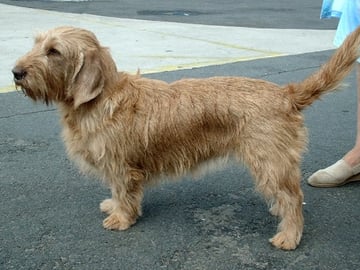
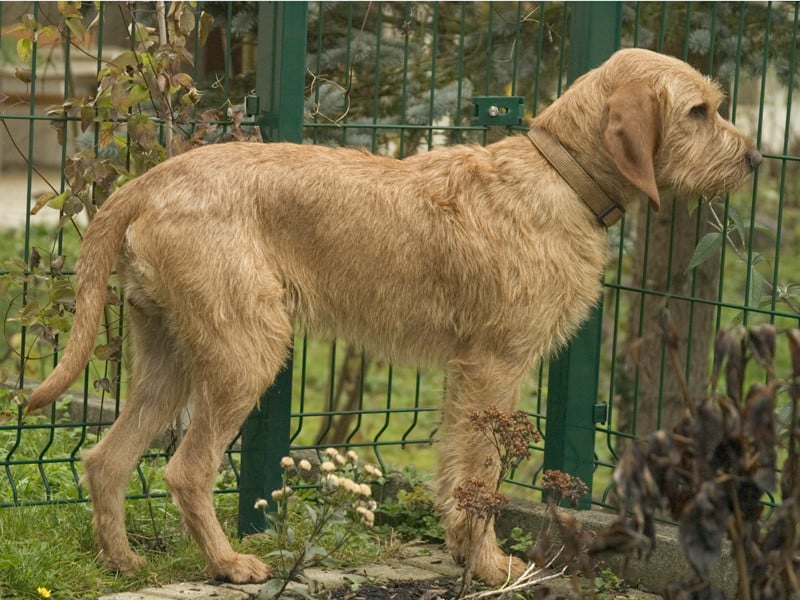
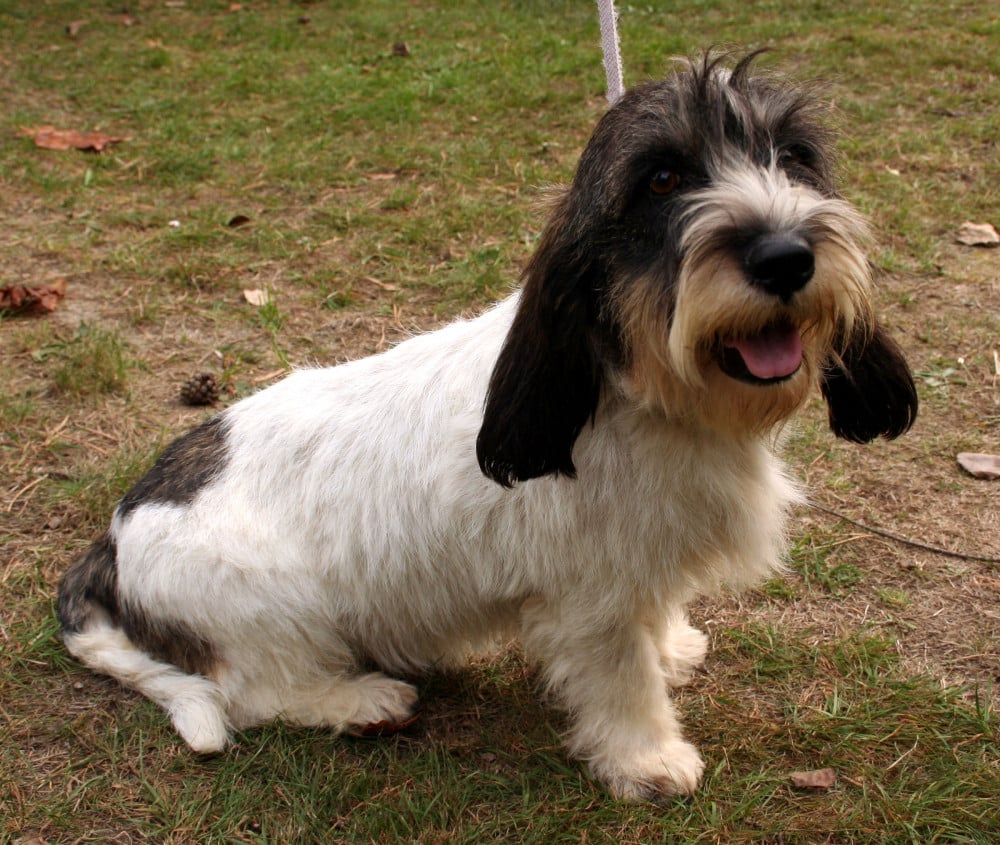
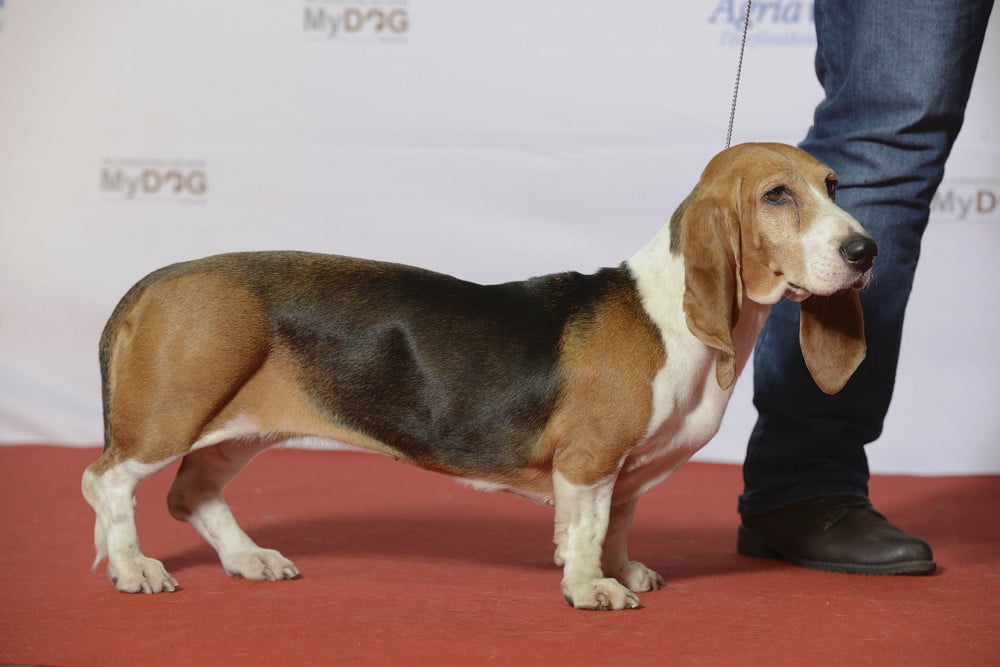
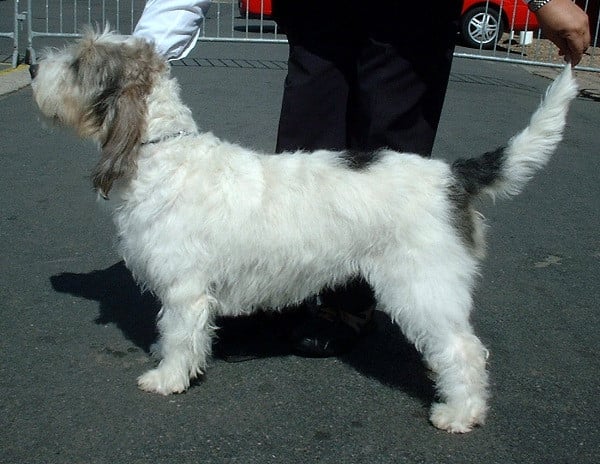
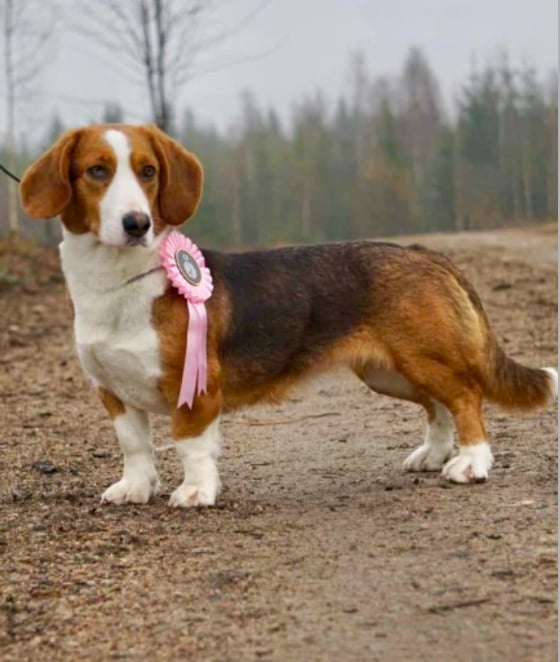
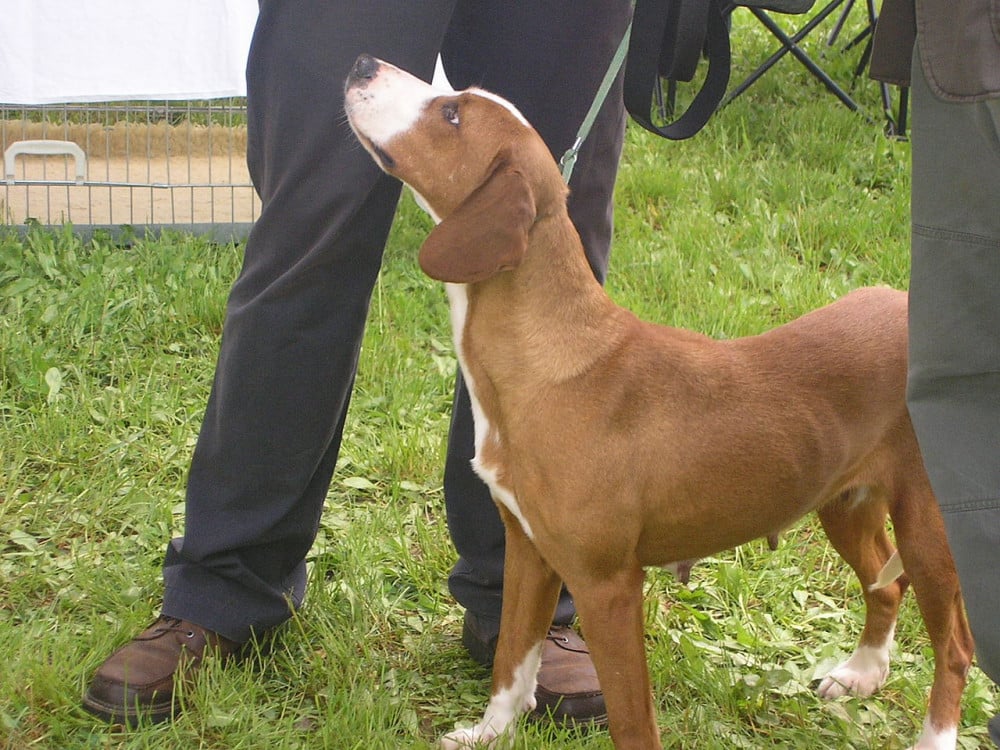
The Basset Fauve de Bretagne is a small to medium sized hound with a low, sturdy build that is instantly recognizable. Despite the word “Basset” in the name, this is not a heavy, sluggish dog. Instead, the Basset Fauve is athletic and agile, with a body that is slightly longer than it is tall, well suited to working in dense cover.
Most adults stand around 32 to 38 centimetres at the shoulder and generally weigh between 14 and 18 kilograms, depending on sex, bone structure, and overall condition. The chest is deep without being exaggerated, giving good lung capacity for long days in the field. Legs are short but strong, with good bone and tight feet. The head is slightly elongated, with a broad skull, a straight or slightly arched muzzle, and a strong jaw. Ears are set at eye level, fairly short for a basset type, and fall close to the cheeks with a slight inward turn at the tips. Eyes are dark, expressive, and full of warmth, giving the breed a gentle, intelligent look.
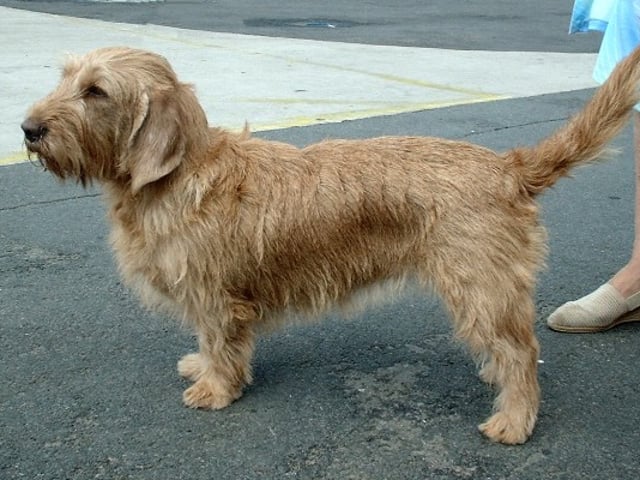
The coat is one of the most charming features of the Basset Fauve de Bretagne. It is harsh, dense, and rough to the touch, designed to protect the skin from thorns, brambles, and rough ground. There is no silky or woolly undercoat, but the texture still provides very good weather resistance. The hair is a little shorter on the head and ears, slightly longer and harsher along the body, and sometimes forms slight furnishings around the muzzle, although never a full beard. The tail is thick at the base and carried cheerfully.
Color is always within the warm fawn to red spectrum, which is where the “Fauve” part of the name comes from. Shades range from:
- Golden wheaten
- Reddish fawn
- Deep red-gold
Some dogs may have a few white hairs on the chest or muzzle, but large white patches are not typical. A darker overlay on the ears or along the back may appear in some lines and can give a slightly shaded look.
Coat care for the Basset Fauve de Bretagne is quite manageable, especially compared with many longer coated breeds. However, it still requires a regular routine. A good brushing once or twice a week with a stiff bristle brush or a grooming glove helps remove dead hair and distribute natural oils. During seasonal shedding, which often occurs once or twice per year, you may want to brush more frequently to keep loose hair under control around the home. Because the coat is rough, it should not be clipped like a soft coated breed. Occasional hand stripping, which involves gently removing dead outer hairs, can help maintain the correct texture. Many pet owners do a light hand strip a few times a year, sometimes with the help of a groomer familiar with rough coated hounds.
Practical coat care tips include checking for burrs and seeds after walks in fields and woods, especially around the ears, armpits, and between the toes. The ears, which hang close to the cheeks, should be kept clean and dry to reduce the risk of ear infections. A wipe with a damp cloth and a check inside the ear once a week usually works well. Bathing can be kept to a minimum, only when the dog is genuinely dirty or smelly, as frequent shampooing can soften the coat and reduce its protective qualities.
¶Temperament & Personality
The Basset Fauve de Bretagne is often described as merry, devoted, and full of character. This is a dog that loves to be involved in family life. Many owners compare them to a charming mixture of clown and athlete. They are rarely dull or aloof and tend to form strong bonds with their people.
In daily life, the Basset Fauve is usually affectionate and people oriented. Most enjoy cuddling on the sofa after a busy day, leaning against their owners for attention, or following them from room to room. They like to know what is happening and often want to be where the action is. At the same time, the breed retains a strong independent streak from its working background. On a scent, a Basset Fauve can suddenly become very focused and appear stubborn, particularly outdoors. This is not defiance in the human sense, but rather a powerful instinct to follow the trail.
With families, the Basset Fauve de Bretagne is generally a good companion. They tend to be patient and playful, especially if they are brought up around children from a young age. Their sturdiness means they usually cope well with the bumps and noise of family life, but as with all breeds, interactions between dogs and young children should be supervised. Teaching children respectful behavior, such as not pulling ears or disturbing the dog while it is eating, is important. In a calm and respectful environment, most Basset Fauves become loyal family members who enjoy games, gentle rough and tumble, and shared outdoor adventures.
With other dogs, the breed is typically friendly and sociable. Many have been bred to work in packs, so they often get along well with canine companions and enjoy group walks. Early socialisation is still essential so that they learn good manners and feel comfortable meeting dogs of different sizes and types.
With other pets, things can be more complicated. The Basset Fauve de Bretagne is a scent hound with an active prey drive. While some individuals live peacefully with family cats or small animals, especially if introduced carefully while young, others may find the temptation to chase overwhelming. Prospective owners with rabbits, guinea pigs, or free roaming birds should think carefully and always ensure secure separation. Even in the best case, small pets should never be left unsupervised with a Basset Fauve.
Common challenges for this breed usually revolve around:
- Strong hunting instinct and love of following scents
- Tendency to vocalise, especially when excited or bored
- Occasional stubbornness in training
They can be quite noisy if left alone without enough mental and physical stimulation. A bored Basset Fauve might bark, dig, or become creative in finding entertainment, such as raiding the kitchen or rearranging the garden. Consistent boundaries, companionship, and appropriate exercise go a long way to preventing these issues.
Overall, the temperament of the Basset Fauve de Bretagne makes it a rewarding companion for people who appreciate a lively, sometimes mischievous dog with a big heart. They thrive in homes where they can use both their mind and nose on a regular basis and where their social nature is valued.
¶Training & Exercise
The Basset Fauve de Bretagne is intelligent and quick to learn, but the breed also has a strong independent hunting mindset. This combination can be both a pleasure and a challenge for training. They are highly motivated by scent, food, and fun, which is an advantage if you know how to use it. However, they are not usually a “robotic” obedience dog that responds instantly to every cue in all situations. A sense of humor and realistic expectations are important.
Training should start from the first day your puppy comes home. Short, positive training sessions work best, particularly those that involve:
- Tasty rewards such as small treats or bits of kibble
- Playful interactions including tug, chase, or toy games
- Clear, consistent cues paired with calm body language
Harsh methods or punishment based training tend to backfire with this sensitive yet determined breed. A Basset Fauve that feels pressured or confused is more likely to disengage, become stubborn, or even shut down. Instead, reward based methods help create a dog that wants to work with you. They respond well to praise and will often show great enthusiasm once they understand what is expected.
An important focus for this breed is recall training. Because of their hunting instinct, they may follow a scent with total concentration, seemingly ignoring their surroundings. Building a reliable recall takes time and should be approached in stages, beginning in safe, distraction free environments and gradually moving to more challenging locations. Many owners choose to use a long line during country walks so that the dog can explore and sniff while remaining safe. For some individuals, especially those with an extremely strong prey drive, off lead freedom may need to be limited to secure areas such as fenced fields or dog parks.
Heelwork, loose leash walking, and calm greetings also deserve early attention. The Basset Fauve is compact but strong, and a pulling dog can be difficult to manage. Using harnesses that distribute pressure safely, combined with reward based loose leash exercises, can make walks much more pleasant.
In terms of exercise, the Basset Fauve de Bretagne is more active than many people expect from a “basset” breed. While they may enjoy relaxing on the sofa, they also need regular activity to stay healthy and content. Most adults appreciate at least one to two hours of combined walking and play per day, though this can be split into several shorter outings. Young puppies should have shorter, age appropriate exercise to protect developing joints, focusing more on free play and gentle exploration than on long, structured walks.
They particularly enjoy activities that engage their nose and natural hunting skills. Examples include:
- Scent work games in the garden, such as searching for hidden treats or toys
- Tracking or trailing exercises on safe, designated trails
- Mantrailing or scent detection sports
- Enrichment toys and puzzle feeders that require sniffing and problem solving
Many Basset Fauves also do well in canine sports like agility, hoopers, or rally, especially when the emphasis is on fun rather than strict precision. Their athleticism and enthusiasm often surprise people who expect them to be slow simply because they are low to the ground.
Mental exercise is as important as physical exercise. Ten or fifteen minutes of focused training or nose work can tire a Basset Fauve just as much as a brisk walk. Without these outlets, they may look for their own entertainment, which is rarely what the owner had in mind.
With patient, structured training and enough varied activity, the Basset Fauve de Bretagne can become a delightful and responsive companion, capable of learning a wide range of skills from basic manners to more advanced tricks and sports.
¶Health
The Basset Fauve de Bretagne is generally considered a relatively robust and healthy breed, especially compared with some larger or more exaggerated types. However, like all purebred dogs, it has a set of health concerns that responsible breeders and owners should be aware of.
Orthopaedic issues can appear in some lines. Conditions such as hip dysplasia and elbow dysplasia are less common than in many large breeds, but screening is still recommended. Because the Basset Fauve is a low to the ground dog with a longish back, maintaining a healthy weight and avoiding excessive jumping on and off furniture are sensible precautions. These habits help reduce the risk of strain on the spine and joints.
Ear health is another important area. With drop ears that cover the ear canal, airflow is reduced, and moisture can sometimes become trapped. This creates an environment where yeast and bacteria can thrive, potentially leading to ear infections. Regular ear checks, gentle cleaning when needed, and drying the ears after swimming or heavy rain can all help prevent problems. If you notice head shaking, redness, or a bad smell from the ears, a veterinary visit is advised.
Some hounds can be prone to skin irritations, especially in damp climates or when exposed to long grass and seeds. The rough coat of the Basset Fauve de Bretagne provides good protection, but it is still wise to check for embedded grass awns, ticks, or scratches after countryside walks. Treating small irritations promptly helps prevent more serious infections.
Inherited eye conditions may also occur. Responsible breeders often screen for issues such as cataracts or other structural eye problems, depending on regional recommendations. Regular veterinary eye examinations during routine check ups are valuable for early detection.
Like many food motivated breeds, the Basset Fauve may be prone to becoming overweight if portions are not managed carefully. Extra weight increases stress on the joints and spine and can influence long term health. Using measured meals, monitoring body condition, and providing sufficient exercise are key to preventing obesity. Many owners find that using part of the daily food ration as training treats is a good way to keep the dog mentally stimulated without overfeeding.
The typical lifespan of a Basset Fauve de Bretagne often ranges from around 12 to 14 years, and many healthy individuals live beyond this with attentive care. To give your dog the best chance of a long and comfortable life, consider:
- Choosing a breeder who health tests breeding dogs for hips, eyes, and other relevant conditions
- Keeping vaccinations, parasite control, and dental care up to date
- Scheduling regular veterinary wellness checks, particularly as the dog ages
- Watching for subtle changes in behavior, appetite, or mobility
Some national kennel clubs and breed clubs provide specific recommendations for health testing. These may include hip scoring, eye tests, and occasionally DNA tests for conditions known in related breeds. Prospective owners should ask breeders which tests have been carried out and request to see certificates or official documentation.
In general, the Basset Fauve de Bretagne is a hardy, active breed when bred and cared for responsibly. A thoughtful approach to diet, exercise, weight management, and preventative health care will go a long way toward ensuring a happy and healthy companion for many years.
¶History & Origins
The Basset Fauve de Bretagne comes from Brittany, a region in the northwestern part of France with a long and rich hunting tradition. The word “Fauve” refers to the fawn or reddish color of the coat, while “Bretagne” points to its Breton origins. This breed developed as a practical working hound, valued more for ability than for showy appearance.
Its history is closely tied to the now rare Grand Fauve de Bretagne, a larger rough coated hound used in packs for hunting big game such as wolves and wild boar. As hunting practices shifted and the need for very large hounds declined, smaller “basset” types became more popular, especially among hunters who worked on foot rather than on horseback. These lower, more compact hounds could follow game through dense undergrowth and rough terrain where larger dogs might struggle.
Over time, breeders in Brittany selected for a smaller, agile dog with a strong nose, great determination, and a warm fawn coat. The result was the Basset Fauve de Bretagne, well suited for hunting rabbits, hare, and sometimes wild boar. The breed became known for its tenacity on the trail. Hunters often remarked that these little hounds never gave up, even when the going was tough or the terrain thick with brambles.
Like many European hunting breeds, the Basset Fauve faced a decline in numbers during the early and mid twentieth century, especially during and after the World Wars. There are accounts of dedicated enthusiasts working hard to preserve and rebuild the breed from a limited population. Careful breeding, sometimes with the controlled introduction of other suitable rough coated hounds, helped maintain working ability while stabilising type and temperament.
In France, the Basset Fauve de Bretagne remained primarily a working dog for many years. Gradually, however, its engaging personality and manageable size began to attract attention beyond the hunting world. Breed clubs were formed to support both working and show lines, leading to more formal recognition and breed standards being set and refined by kennel clubs.
Today, the Basset Fauve de Bretagne is recognized by a number of national and international kennel clubs. While it continues to work as a hunting hound in its homeland and elsewhere, it is increasingly seen as a companion and family dog. In several countries, enthusiasts are introducing the breed to modern dog sports such as scent work, tracking trials, agility, and rally obedience, where its energy and scenting skills can shine.
Despite this growing popularity, the Basset Fauve de Bretagne remains relatively uncommon compared with many more familiar breeds. This ensures that it still retains a strong working character and has not been heavily altered to suit purely urban or show ring preferences. For admirers of traditional French hounds, the Basset Fauve offers a rare opportunity to live with a piece of living history, a link to the hunting culture of Brittany, and a versatile, modern companion all in one.
¶Living with the Breed
Living with a Basset Fauve de Bretagne can be very rewarding, but it is important to understand what daily life with this breed really involves. They are not ornamental dogs that are content with a short walk around the block and then doing nothing. Instead, they are active, intelligent, and often quite comical, which makes them delightful but also demanding in certain ways.
First and foremost, the Basset Fauve is a companion that thrives on involvement. This is a dog that wants to be part of your activities, whether that is gardening, hiking, or simply relaxing in the evening. They can live happily in a house with a garden or in an apartment, provided their exercise and mental needs are met. A securely fenced outdoor space is ideal, since their instinct to follow scents can lead them to explore beyond boundaries if given the chance. Fences should be high enough and well maintained, as some individuals can be surprisingly inventive when it comes to squeezing through gaps.
Inside the home, the Basset Fauve de Bretagne usually settles well once they have had a chance to burn off energy. Many enjoy a comfortable dog bed or crate in a quiet corner where they can relax undisturbed. Crate training can be helpful for managing young dogs, providing a safe place to rest, and simplifying travel. Because this breed can be quite food oriented, safe storage of food and rubbish bins is essential, otherwise they may find their way into things they should not eat.
Financially, owning a Basset Fauve involves similar costs to other medium sized dogs. Annual expenses typically include:
- Quality food appropriate for age, size, and activity level
- Routine veterinary care, vaccinations, and parasite prevention
- Pet insurance, which is strongly advisable to cover unexpected health issues
- Occasional grooming, especially if you use a professional for hand stripping
- Training classes, equipment, toys, and enrichment items
Over the lifetime of the dog, you should also factor in costs such as spaying or neutering (if not breeding), dental care, possible specialist consultations, and boarding or pet sitting during holidays if the dog cannot accompany you.
Useful equipment for a Basset Fauve de Bretagne includes a sturdy harness, as this gives better control without putting pressure on the neck, particularly for a scent hound that may suddenly pull when excited. A strong lead or long line is helpful for safe exploration. Because they enjoy sniffing and problem solving, a good selection of toys, puzzle feeders, lick mats, and chews will help keep their mind occupied. Many owners also invest in reflective gear or a bright collar for better visibility on countryside walks.
New owners should be prepared for regular grooming sessions at home, routine ear checks, and a consistent approach to training and boundaries. This breed can be very charming and persuasive, but allowing small misbehaviours to slide can lead to bigger problems later. Clear rules, such as where the dog is allowed to sleep, when it is fed, and how it greets visitors, help the Basset Fauve feel secure and prevent confusion.
Time commitment is perhaps the most crucial point. A Basset Fauve de Bretagne is not well suited to a lifestyle where the dog is left alone for long periods every day. While most can cope with a few hours alone once mature and properly trained, they do best in households where someone is around for a good part of the day, or where arrangements are made for dog walkers, daycare, or trusted family members to provide company and exercise.
For the right person or family, the Basset Fauve de Bretagne is a delightful companion, full of warmth, humor, and energy. They particularly suit active owners who enjoy walking, exploring nature, and engaging with their dog through training and play. If you appreciate a dog with personality, stamina, and a strong sense of adventure, and you are willing to invest time and care into their upbringing, the Basset Fauve can become an unforgettable and deeply loved member of the household.
¶Ominaisuudet
¶Usein kysytyt kysymykset
Millainen luonne bretagnenbassetilla yleensä on?
Tämä rotu on yleensä ystävällinen, eloisa ja hellä perhettään kohtaan, ja se kiintyy usein erityisen vahvasti yhteen ihmiseen. Se on iloinen ja määrätietoinen metsästäjä, minkä vuoksi se voi olla ulkona itsenäinen, mutta kotona se osallistuu yleensä mielellään perheen puuhiin.
Sopiiko bretagnenbassetti perhekoiraksi kotiin, jossa on lapsia ja muita lemmikkejä?
Ne tulevat usein hyvin toimeen lasten kanssa, jotka osaavat kohdella niitä kunnioittavasti, ja viihtyvät yleensä osana perheen arkea. Monet elävät sopuisasti muiden koirien kanssa, mutta voimakkaan metsästysvietin vuoksi pienet lemmikit, kuten kanit ja jyrsijät, ovat suuremmassa vaarassa. Siksi valvonta ja tilanteiden hallinta ovat tärkeitä.
Kuinka paljon bretagnenbassetti todella tarvitsee liikuntaa?
Lyhyistä jaloistaan huolimatta tämä energinen metsästyskoira tarvitsee päivittäin vähintään tunnista kahteen liikuntaa, johon kuuluu reippaita kävelylenkkejä ja mahdollisuuksia haisteluun. Myös aivotyö, kuten hajuleikit tai jäljestys, on tärkeää tylsistymisen ja ei-toivotun käytöksen ehkäisemiseksi.
Lähteekö bretagnenbassetista karvaa ja kuinka paljon sen turkki vaatii hoitoa?
Karhea, karkeakarvainen turkki irtoaa kohtalaisesti, ja se kaipaa yleensä viikoittaista harjausta irtokarvan ja roskien poistamiseksi. Joidenkin koirien turkki pysyy siistinä, kun se nypitään silloin tällöin. Korvien säännöllinen tarkastaminen on tärkeää luppakorvien ja aktiivisen ulkoiluelämän vuoksi.
Mitkä ovat bretagnenbassetin yleisimmät terveysongelmat?
Tämä rotu on yleensä terve, mutta sillä voi esiintyä korvatulehduksia, silmäsairauksia, kuten kaihia ja glaukoomaa, sekä joitakin tuki- ja liikuntaelimistön vaivoja. Vastuulliset kasvattajat tutkivat koirat perinnöllisten sairauksien varalta ja pitävät ne hoikkina vähentääkseen niveliin ja selkärankaan kohdistuvaa rasitusta.
Onko bretagnenbassetilla taipumusta selkäongelmiin kuten joillakin muilla lyhytjalkaisilla ajokoirilla?
Pitkä runko ja lyhyet raajat voivat lisätä selän rasittumisen riskiä etenkin, jos koira on ylipainoinen tai sen annetaan usein hypätä alas korkeilta paikoilta. Koiran pitäminen normaalipainoisena, luiskien tai portaiden käyttö tarvittaessa ja kovakouraisen käsittelyn välttäminen auttavat suojaamaan selkää.
Kuinka helppoa bretagnenbassetin kouluttaminen on, kun otetaan huomioon sen metsästystausta?
Ne ovat älykkäitä ja oppivat hyvin, mutta toimivat usein itsenäisesti ja hajujen ohjaamina, mikä voi saada ne vaikuttamaan itsepäisiltä. Parhaiten toimivat lyhyet, vaihtelevat harjoitukset, erityisen mieluisat palkkiot ja johdonmukaiset säännöt. Luoksetulon harjoittelu vaatii tavallista enemmän kärsivällisyyttä ja toistoja.
Voiko bretagnenbassetti elää onnellisena kerrostaloasunnossa tai pienessä kodissa?
Ne voivat sopeutua pienempiinkin asuintiloihin, kunhan ne saavat päivittäin riittävästi liikuntaa ja virikkeitä. Koska ne saattavat haukkua tai ulvoa innostuessaan tai joutuessaan olemaan liian pitkään yksin, äänieristys, koulutus ja säännöllinen seura ovat tärkeitä huomioitavia asioita, kun naapurit asuvat lähellä.
Ovatko bretagnenbassetit kovin äänekkäitä, ja haukkuvatko ne ulvovasti muiden ajokoirien tapaan?
Monilla yksilöillä on ajokoirille ominainen ääni, ja ne saattavat ulvoa hajujälkeä seuratessaan, vieraita tervehtiessään tai ääniin reagoidessaan. Varhain aloitettu haukkumisen hallinnan harjoittelu sekä riittävä liikunta ja mielekäs tekeminen auttavat pitämään ääntelyn kohtuullisena.
Millaiselle omistajalle tai millaiseen elämäntyyliin bretagnenbassetti sopii parhaiten?
Ne sopivat aktiivisille omistajille, jotka viihtyvät ulkona ja osaavat ottaa koiran voimakkaan metsästysvietin huomioon ulkoillessa. Turvallinen aitaus ja taluttimen käyttö ovat usein tarpeen. Omistaja, joka pystyy tarjoamaan säännöllistä koulutusta, seuraa ja tilaisuuksia hajuaistin käyttöön, saa niistä yleensä antoisan kumppanin.
¶Vertailu muihin rotuihin
Vertaa rotua Basset Fauve de Bretagne muihin rotuihin ja katso erot luonteessa, aktiivisuudessa ja hoidossa ennen kuin teet valintasi. Näytä kaikki vertailut