
When summer rolls around, many of us dog owners look forward to including our four-legged family members in our travel plans. Exploring new places together, feeling the warmth of the sun, and experiencing the world through their eyes is incredibly rewarding. But a successful holiday with your dog takes more than enthusiasm. It’s about carefully preparing for their health, safety, and overall well-being. We’ve gathered our best tips and advice to help you plan the perfect summer trip with your dog.
¶Before you travel
Before you get in the car or book a plane ticket, it’s important to go over a few basic needs:
Health check and vaccinations
- A visit to the vet to make sure your dog is fit to travel is essential. This is also a great opportunity to update any necessary vaccinations.
- Travel documents such as a health certificate and, depending on your destination, a pet passport, are important to have in order.
Packing list for your dog
- Bring enough of your dog’s regular food to avoid digestive problems.
- Don’t forget water bottles and a portable water bowl to keep your dog hydrated during the journey.
- A first-aid kit for dogs, including important phone numbers, can be invaluable in an emergency.
- Comfort items like their favorite toys, a bed, or a blanket can make the trip more reassuring and less stressful for your dog.
¶Traveling by car
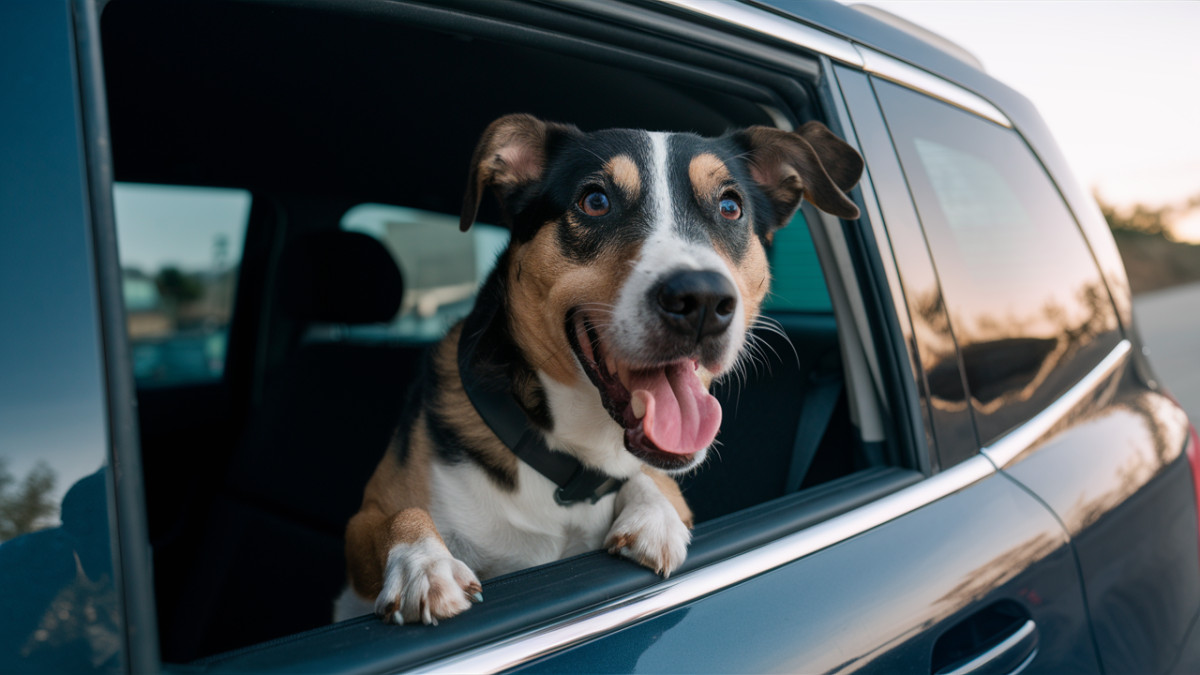
Taking your dog on road trips can be a fantastic way to explore together, but it does require planning to keep them safe and comfortable:
Safety first
- Use a dog car harness or travel crate to keep your dog secure on the road. Make sure the equipment is well tested and suited to your dog’s size.
- Plan for regular breaks. Every two to three hours, stop to let your dog stretch, explore, and relieve themselves.
Comfort on the road
- Keep the car cool and well ventilated to prevent overheating, especially in the summer months.
- Bring toys and chews to keep your dog entertained and calm on longer journeys.
Preparation
- Short practice trips can help your dog get used to car travel and reduce motion sickness.
- Make sure your dog is used to the equipment you plan to use, whether it’s a harness or a crate.
¶Traveling by plane
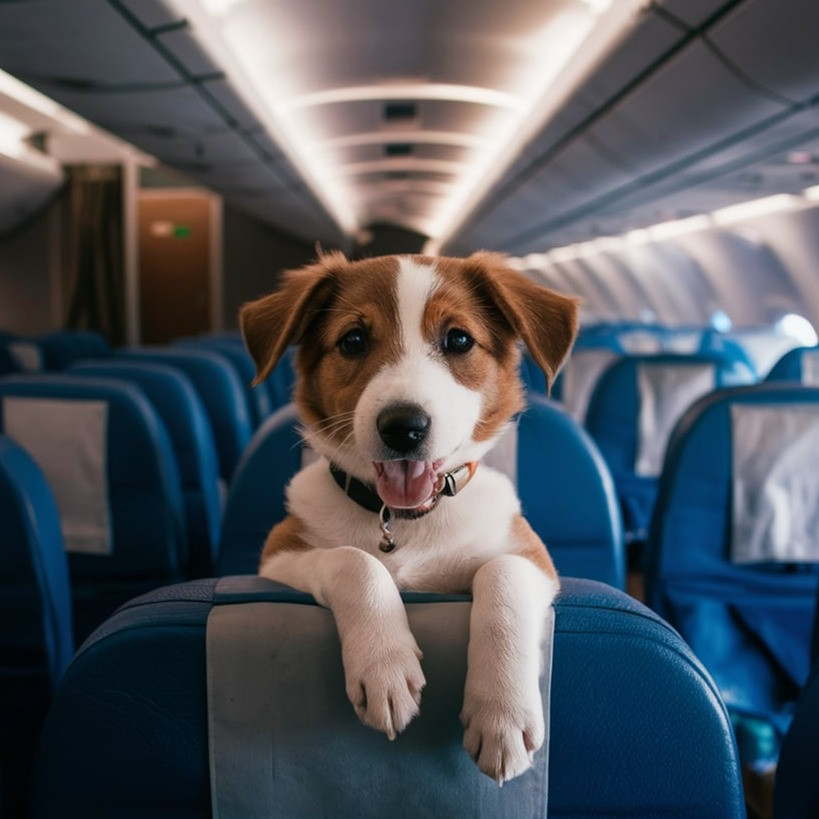
Flying with your dog requires considerably more planning and a good understanding of the airline’s policies:
Booking the right flight
- Check the airline’s pet policy carefully. Each airline has its own rules and fees.
- Reserve your dog’s spot as early as possible, as the number of pets allowed on each flight is often limited.
Preparing your dog
- Invest in an airline-approved travel crate. Let your dog get used to the crate well before the trip.
- Talk to your vet about how best to prepare your dog for the journey, especially if they are not used to being in a crate or may experience anxiety.
¶Traveling by train and boat
If your summer adventure involves train or boat travel, there are some unique considerations to ensure a positive experience for both you and your dog:
Train travel
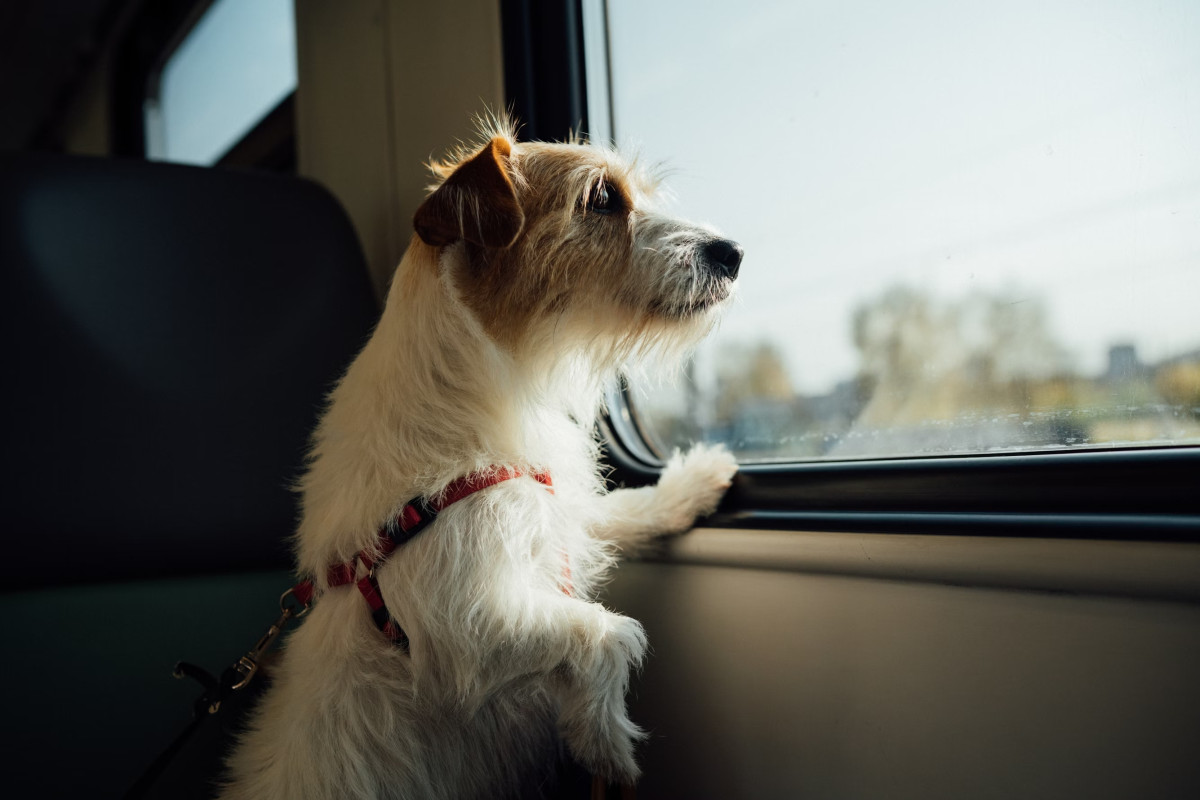
- Check the train company’s pet policy. Some trains only allow dogs in specific carriages or require them to remain in a carrier during the journey.
- Short practice trips can help your dog get used to the sounds and movements associated with train travel.
Packing and comfort
- Bring a waterproof mat or blanket to protect the seat and give your dog a comfortable place to lie down.
- Don’t forget water and snacks for your dog, especially on longer trips.
¶Boat trips
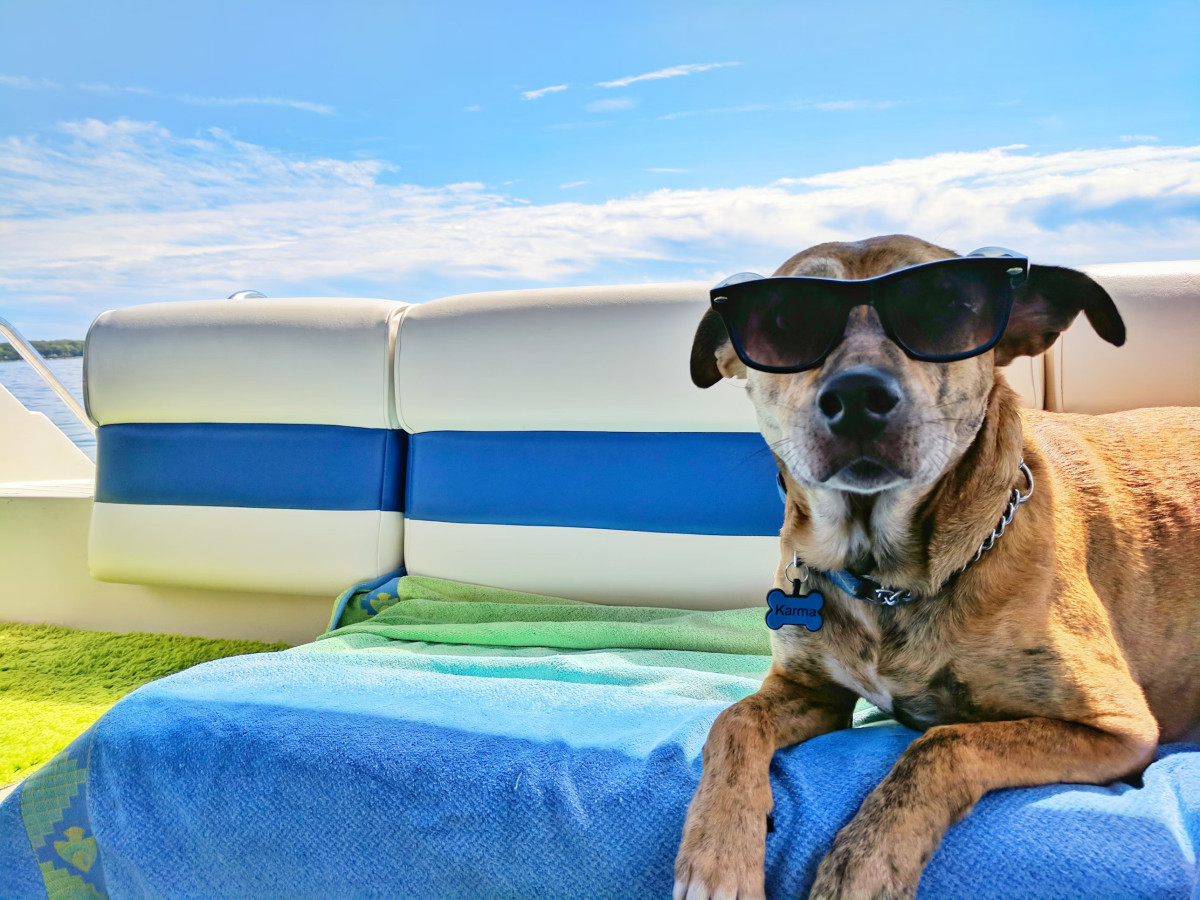
- A dog life jacket is a must for safety on board, especially if your dog is not an experienced swimmer.
- If possible, let your dog get familiar with the boat in advance to reduce stress and anxiety.
Accessibility
- Find out if there are designated areas on board where dogs are allowed or if there are any restrictions you should be aware of.
- Check whether there is access to fresh water and shaded areas to protect your dog from the sun.
¶International travel
If you’re planning a trip abroad, especially to or from the EU, additional preparations are needed to ensure a smooth journey:
Documents and health requirements
- Check the specific requirements for the country you’re traveling to. These may include microchipping, rabies vaccinations, and an EU pet passport.
- A health certificate issued by an authorised veterinarian may be required for entry into some countries.
Quarantine regulations
- Some countries have strict quarantine rules for incoming pets. Research these thoroughly to avoid unpleasant surprises on arrival.
- Plan ahead for any quarantine period so it’s as comfortable as possible for your dog.
Adjusting to a new environment
- Give your dog time to adapt to new surroundings and routines.
- Explore together in a safe and gradual way to build their confidence and reduce stress.
International travel with your dog requires extensive preparation and sometimes a good deal of patience. But with the right planning, you can turn these adventures into an enjoyable and enriching experience for both of you.