
¶Sisällysluettelo
¶Quick Facts
The Dutch Schapendoes is a lightly built Dutch herding dog that combines enthusiasm for work, speed and independence with deep affection for people it knows. It is best suited to someone who wants to train and stay active with their dog and who has time for a long coat, particularly while a young dog is changing coat.
- Breed group: Group 1, Sheepdogs and Cattledogs
- Origin: The Netherlands
- Original purpose: Herding sheep
- Height at the withers: Dogs 43–50 cm, bitches 40–47 cm
- Weight: The breed standard does not give a fixed weight range
- Coat: Long, dense double coat with a fine, dry and lightly waved texture
- Activity level: An energetic herding dog that needs both exercise and purposeful tasks
The breed is often called simply the Schapendoes. Beneath the shaggy coat is an agile working dog that should be able to gallop, jump and turn quickly.
¶Appearance & Coat
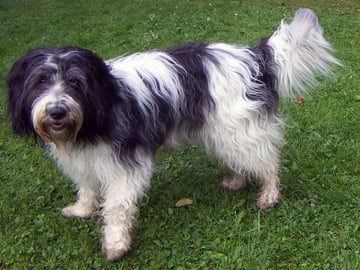
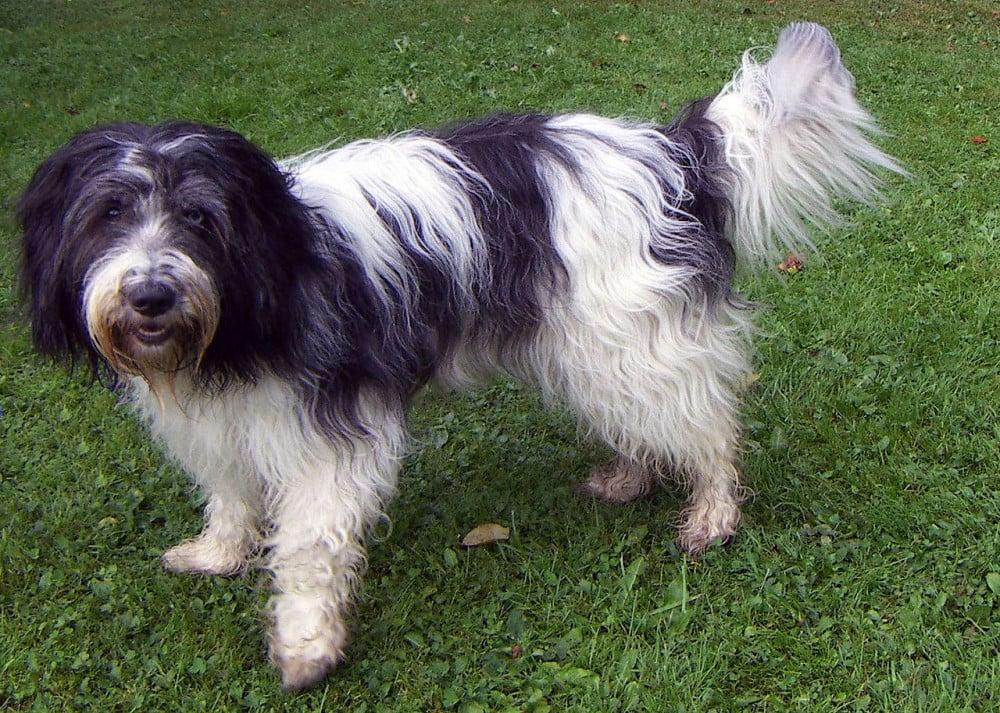
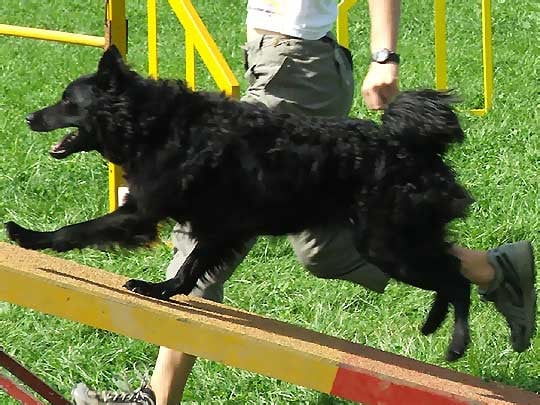
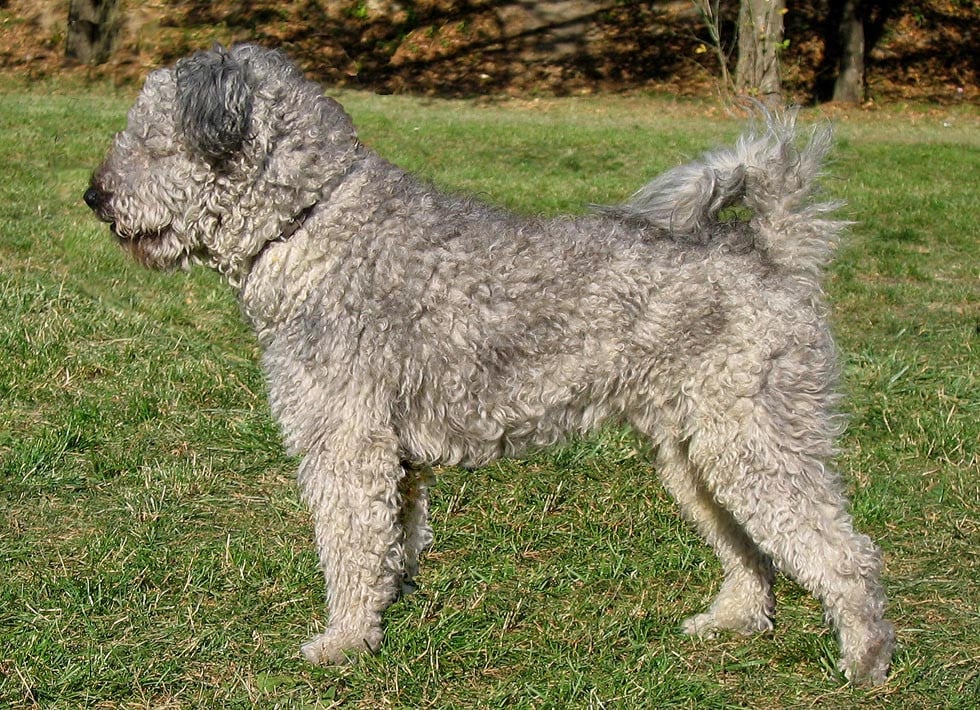
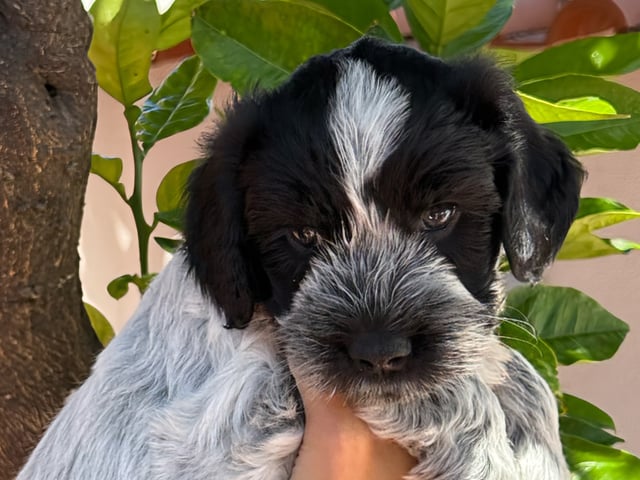
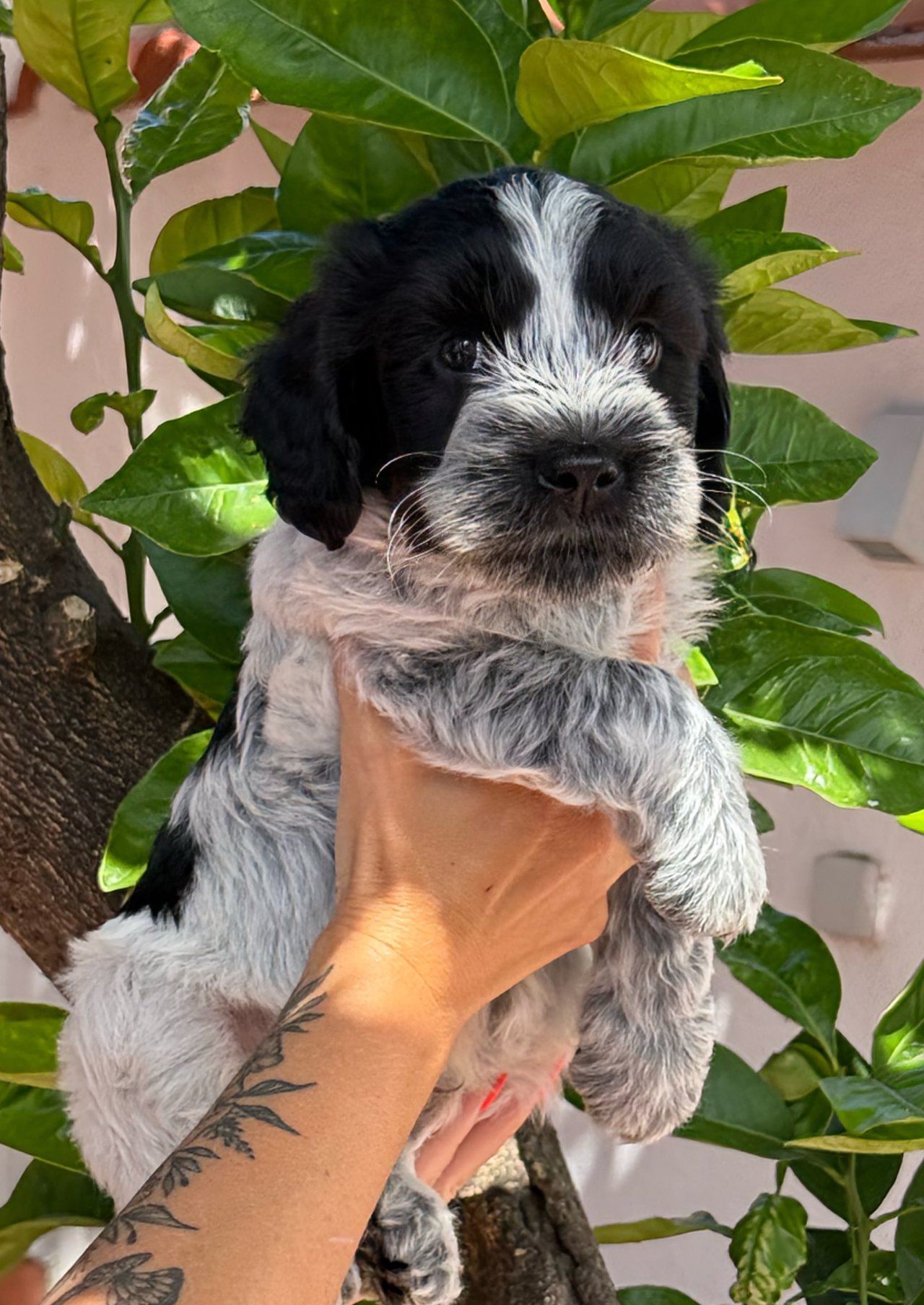
The Dutch Schapendoes should be lightly built and slightly longer than tall. Its movement should be free and springy. The profuse coat makes the dog look larger than its body really is.
Dogs should stand 43–50 cm at the withers and bitches 40–47 cm. The standard gives no ideal weight; height, light construction, muscle and body condition are better guides than a general range in kilograms.
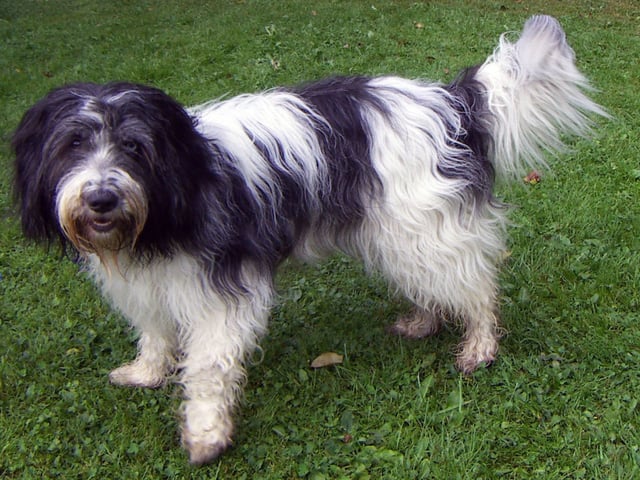
The tail is long and profusely coated, but it should not always be carried in the same position. It hangs down at rest. At the trot it may be carried fairly high and swing gently from side to side, while at the gallop it is stretched out and acts as a rudder when the dog jumps. An alert dog may raise its tail, but it should not be carried stiffly over the back.
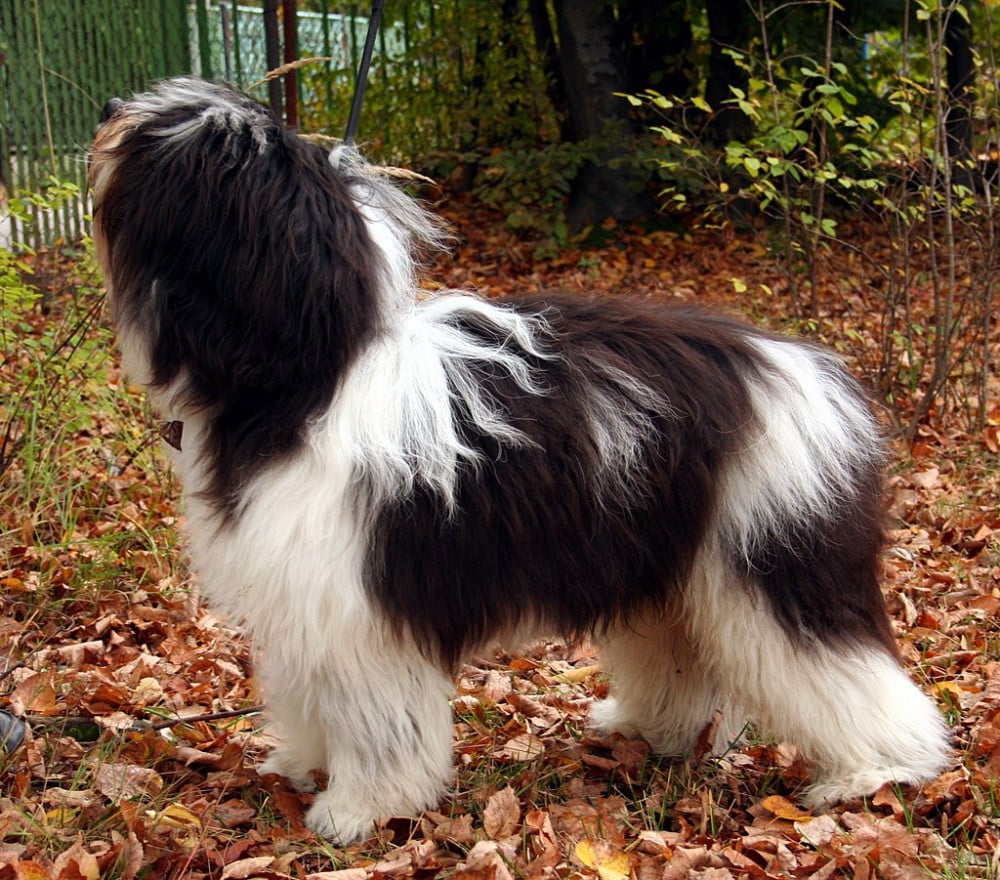
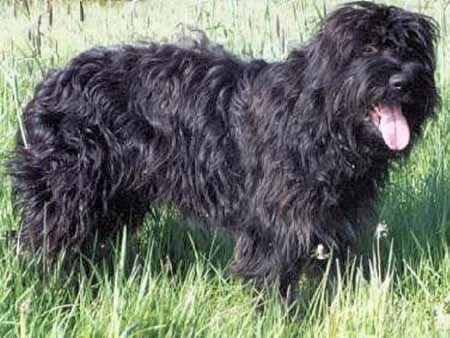
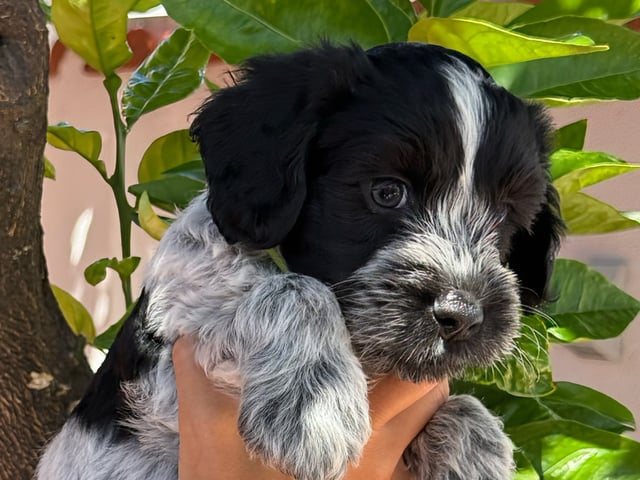
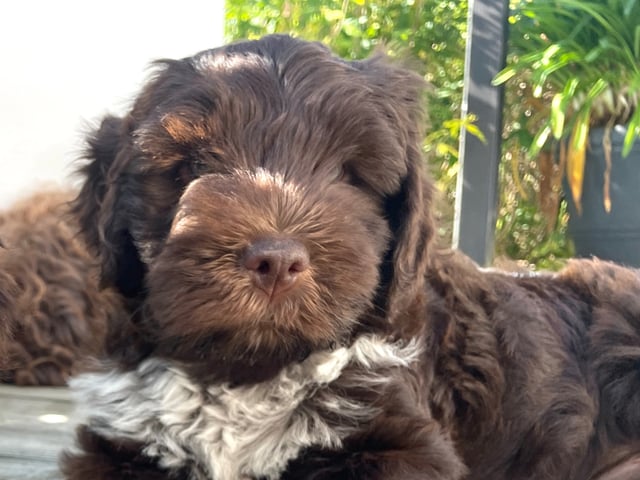
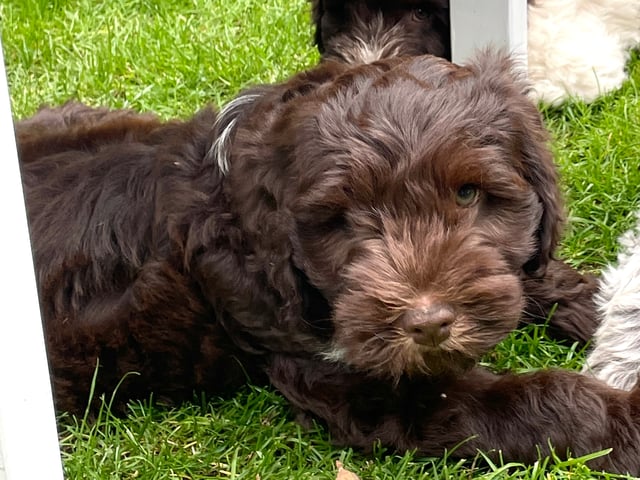
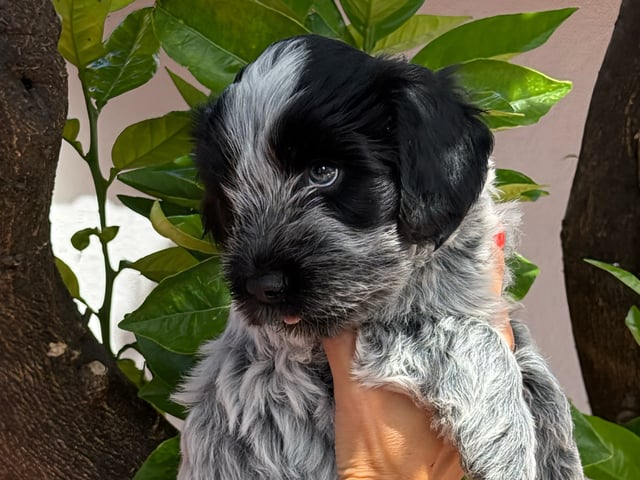
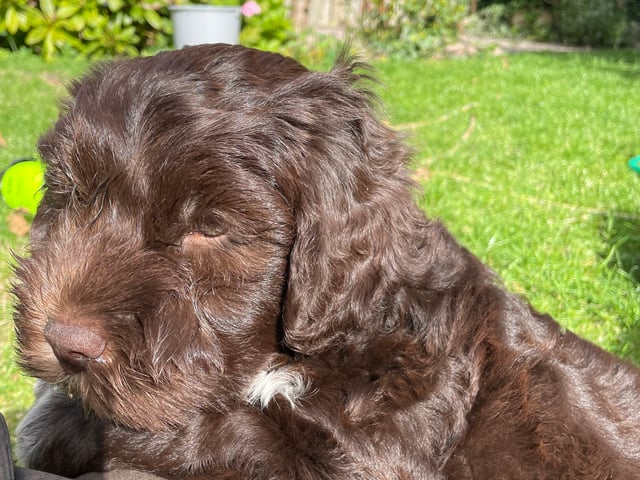
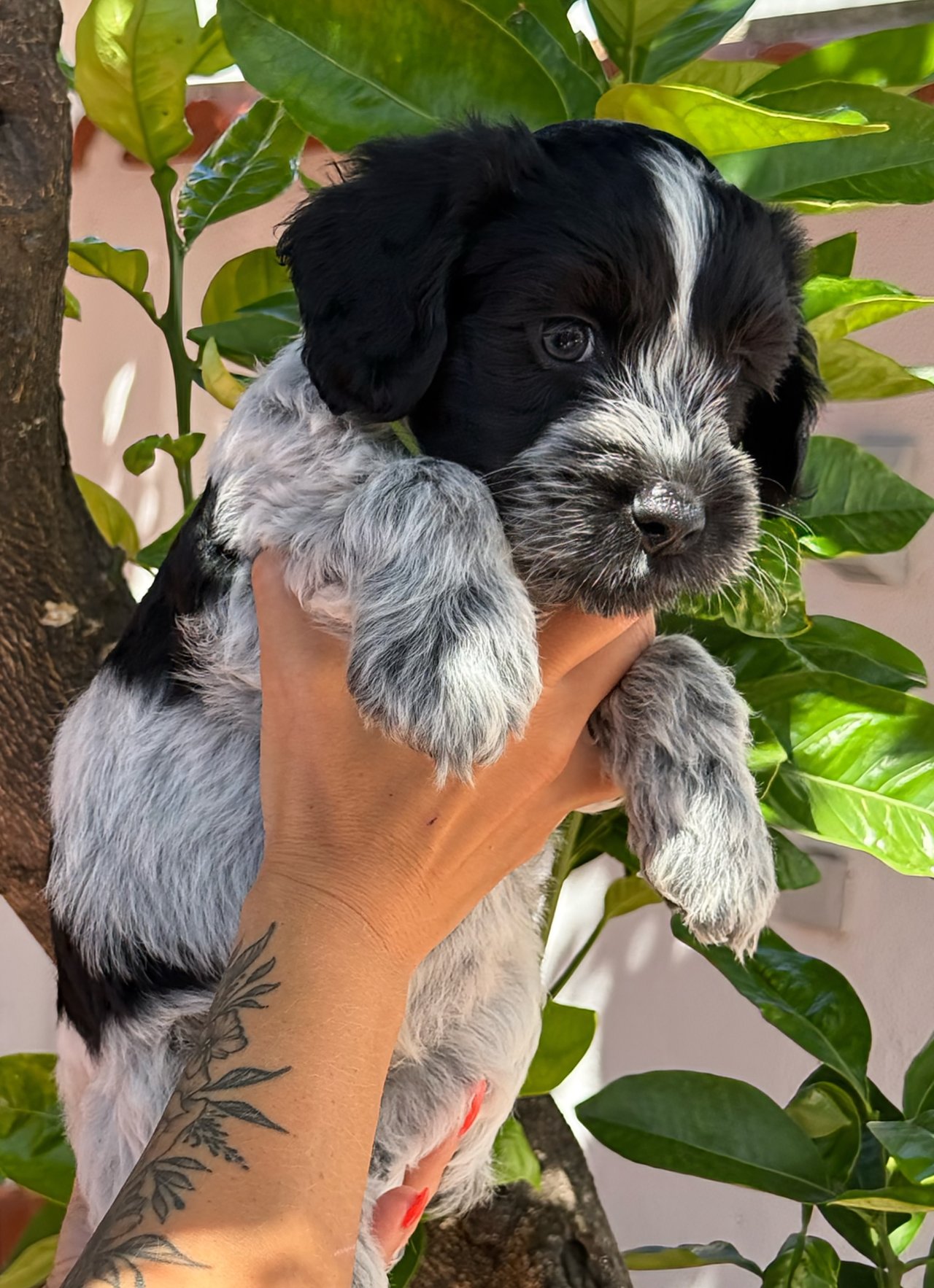
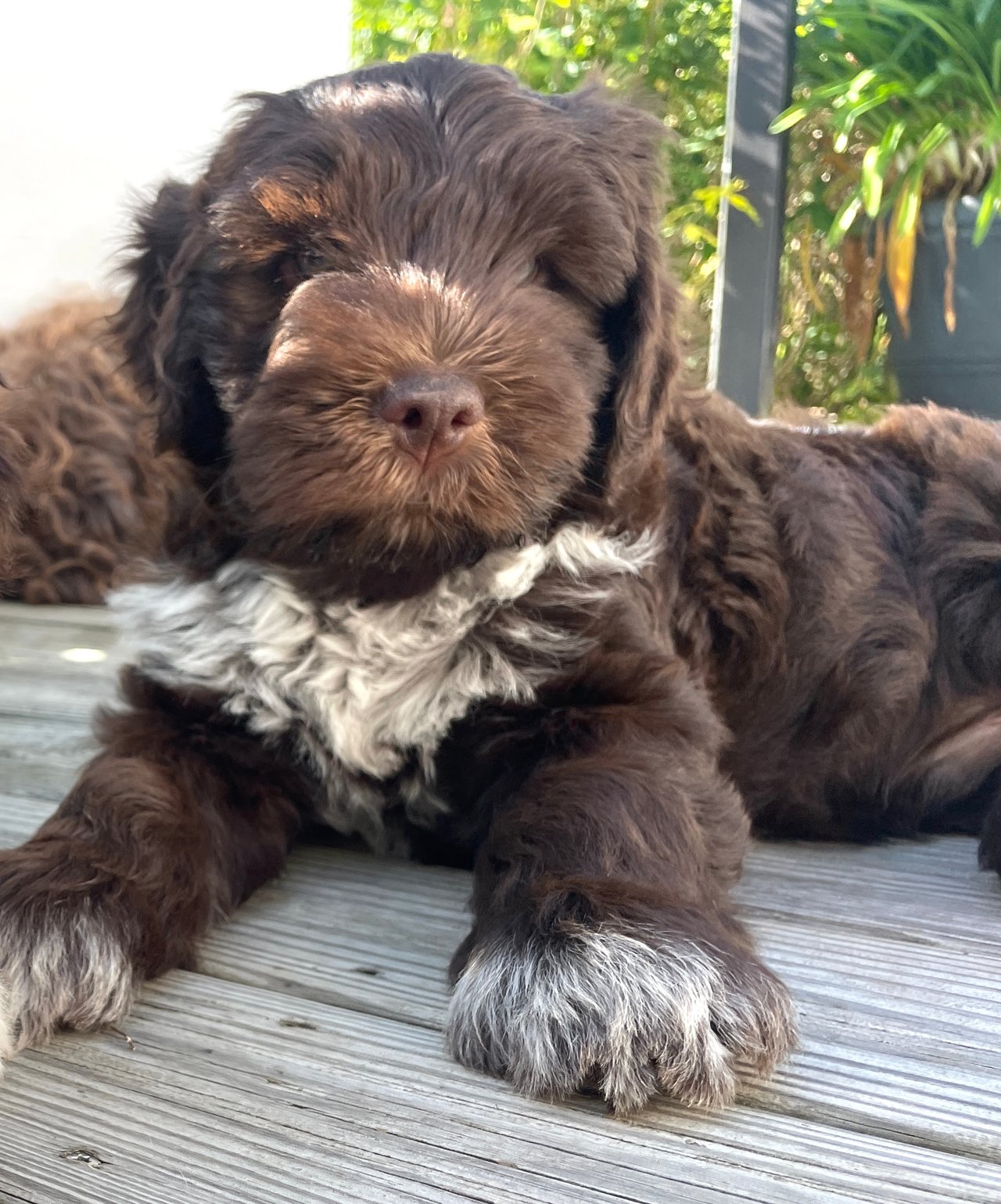
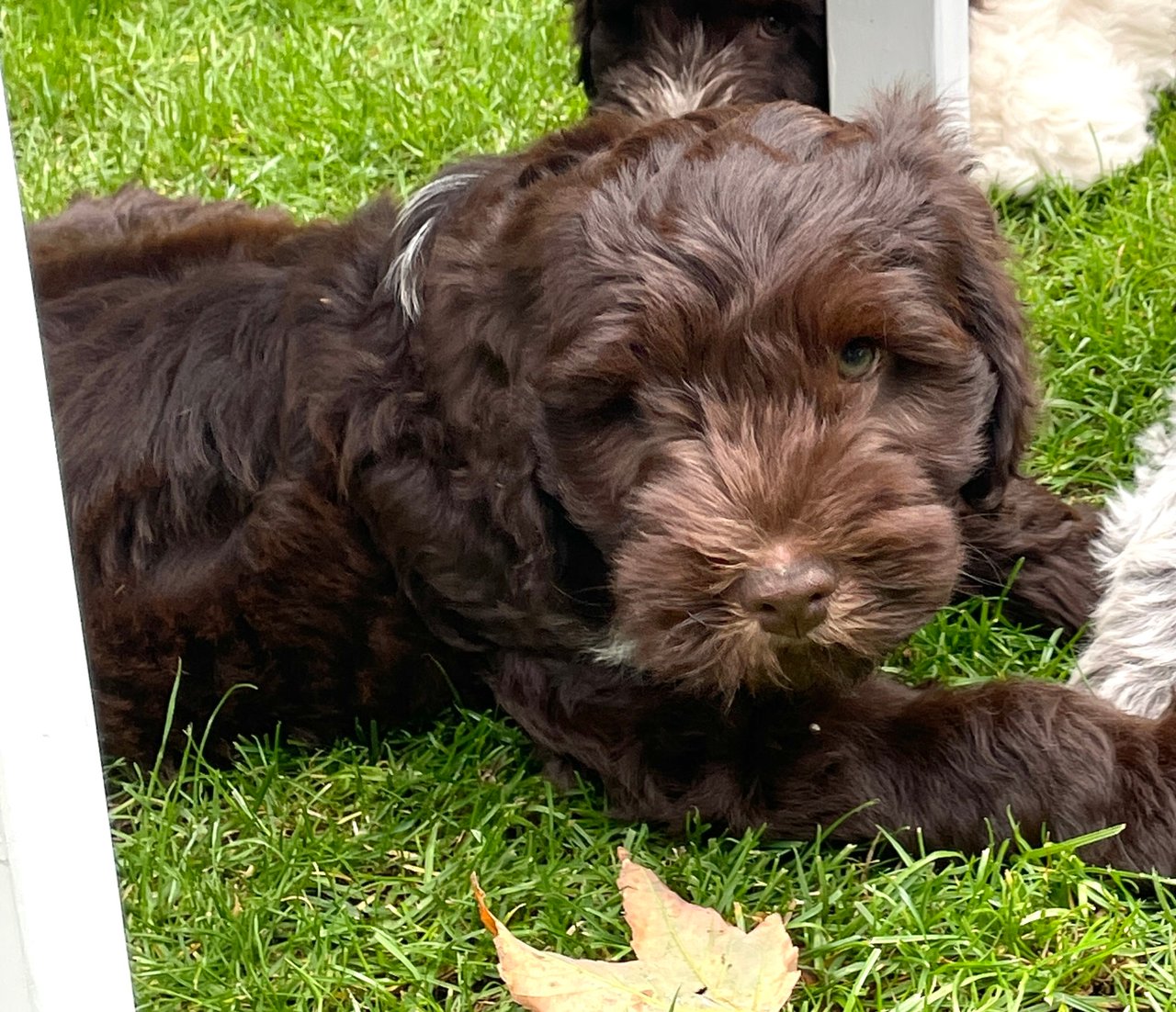
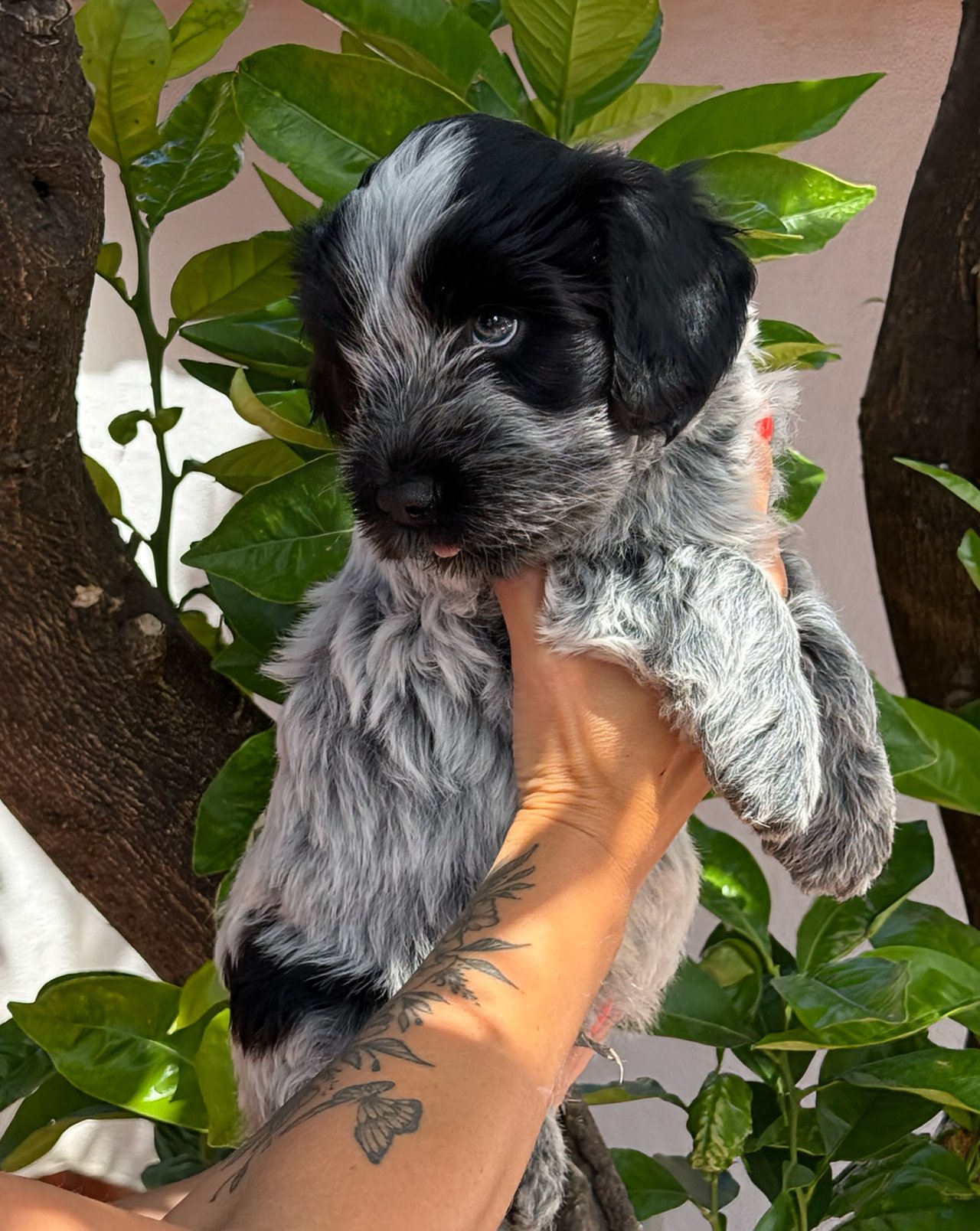
The coat has a dense undercoat and long outer hair, measuring at least 7 cm over the hindquarters. The hair should be fine, dry and lightly waved, standing out in tufts. A distinctly curly, frizzy or silky coat does not meet the standard. The abundant topknot, moustache and beard create the characteristic expression.
All colours are accepted, although the standard gives preference to blue-grey through to black.
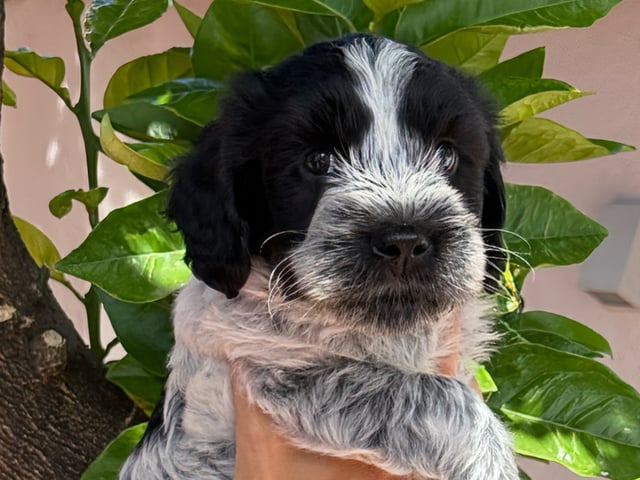
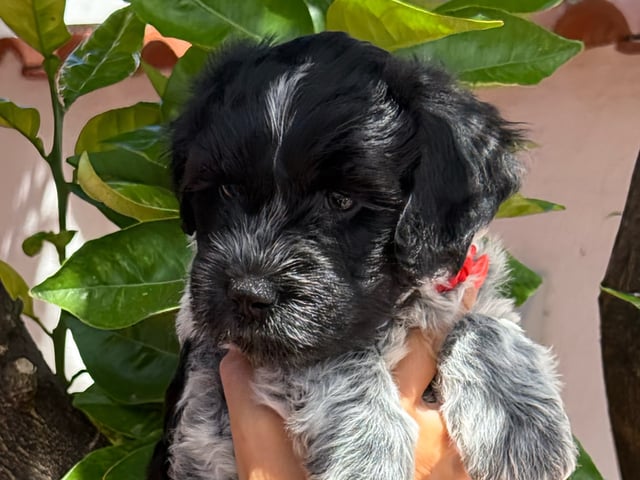
Coat care changes as the dog grows. The puppy coat can be relatively straightforward, while the transition to the adult coat often produces a softer mixed coat that mats more readily. The adult coat develops gradually and may not be complete until roughly two to three years of age. During the transition, some dogs need combing far more often than a mature adult.
A thorough grooming session about once a week is a sensible starting point, but the condition of the coat should decide. Work in small sections and check with a comb right down to the skin, particularly behind the ears, through the beard and ruff, under the front legs, on the belly and around the hindquarters. If the comb does not pass through without resistance, the coat needs attention.
The coat can collect gravel, twigs, seeds, mud and snow. Undercoat also comes loose periodically, even if hair does not always land on the floor in the same way as it does with a short-coated dog. This does not make the breed allergy-friendly. Dog allergy is caused mainly by allergens from skin and saliva, and no breed can be guaranteed safe for someone with an allergy.
¶Temperament & Personality
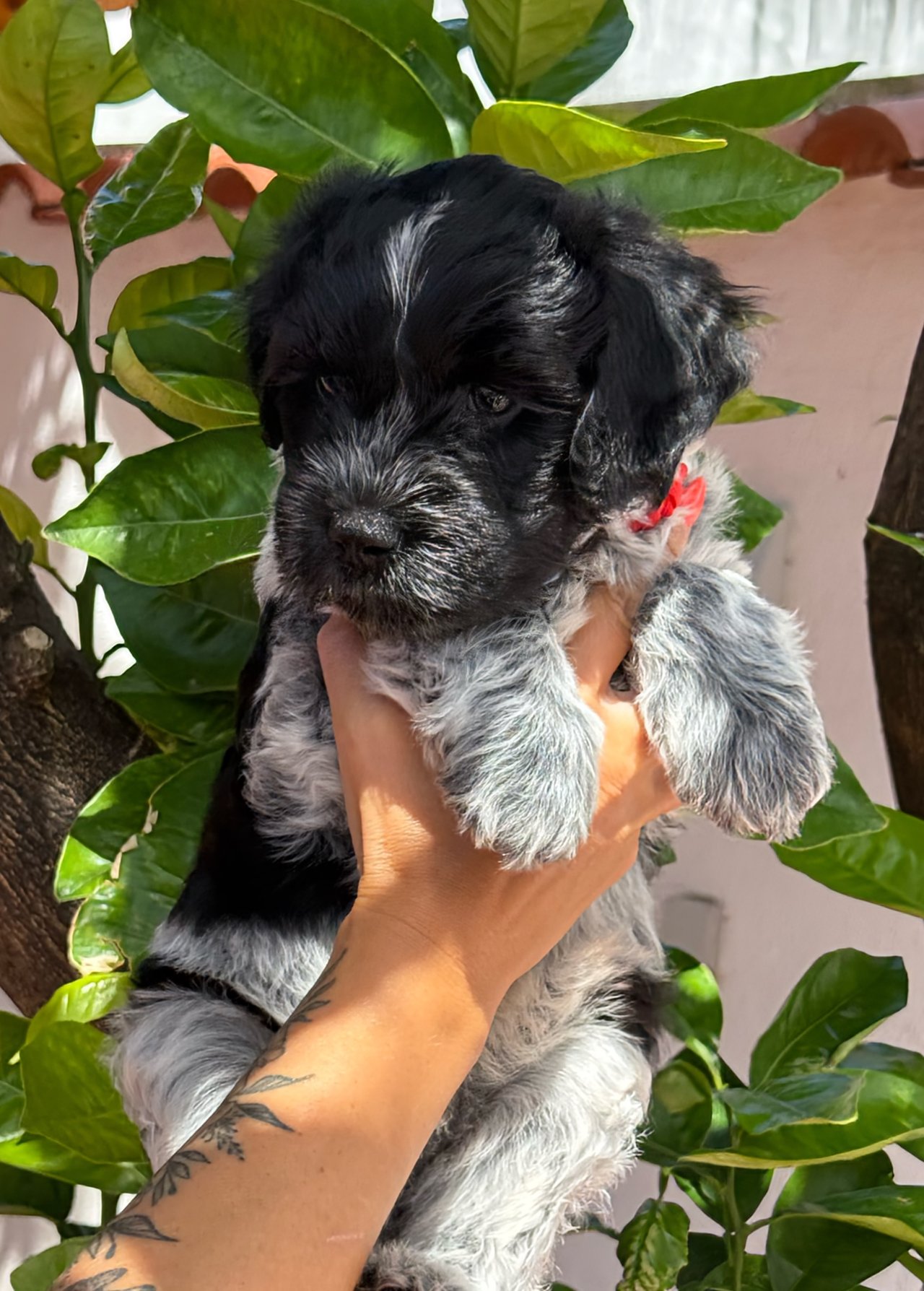
The breed standard describes the Schapendoes as attentive, courageous, intelligent, watchful, cheerful, lively and friendly. It should be affectionate and loyal towards people it knows. Its herding background often shows in how quickly it notices movement and changes around it.
This is the breed ideal, not a guarantee for every individual. The Swedish breed-specific breeding strategy, based on older behavioural assessments up to and including 2015, noted flight and fear responses to sounds and surprises and a reluctance among some dogs to investigate what had frightened them. The evidence is limited and historical, but makes confidence and recovery important questions. Ask the breeder for concrete examples of how the parents and close relatives respond to strangers, sudden noises, handling and unfamiliar environments, and ask to see BPH or MH behavioural assessment results where available.
Watchfulness may mean that the dog announces a visitor or a change outside the home. Teach early that a brief alert should be followed by calm behaviour. Block access to a window if watching it triggers barking, reward quiet behaviour and teach the dog to go to a designated place when someone comes to the door.
A Schapendoes can live happily with children when the dog is secure and an adult guides the interaction. Children should not pull the coat, disturb a resting dog or play with it without supervision. Playfulness and quick movements can also lead to collisions or herding-like circling. With dogs, cats and small pets, the outcome depends on the individual, experience and introduction; a herding background does not guarantee trouble-free relationships.
¶Training & Exercise
The Dutch Schapendoes needs physical exercise and mental stimulation every day, but no fixed number of hours suits every dog. Adjust the workload to age, health, fitness and the ability to settle. Balance walks, opportunities to sniff and tasks requiring concentration with undisturbed rest.
The breed may enjoy agility, rally obedience, obedience, heelwork to music, scent work, tracking, wounded-game tracking and herding. Competition is not essential, but the dog benefits from tasks that combine quick decisions, body control and co-operation. Fast-paced exercise should be balanced with calm and rest.
Independent work was part of the breed's original function. In training, this may appear as taking the initiative or losing interest in repetitive exercises. Keep sessions short, vary rewards and increase difficulty gradually. Reward-based training provides clear information without fear or pain.
Early priorities include:
- recall and engagement around movement, people and other dogs
- settling quietly by doors and windows and around sounds in shared hallways
- walking on a loose lead and passing distractions without trying to herd or rush into play
- relaxed handling of the coat, ears, paws, mouth and whole body
- body awareness before high jumps and demanding agility work
- a clear cue that means activity has ended and it is time to rest
Puppies and young dogs should not be trained like mature canine athletes. Develop balance and co-ordination through varied movement and avoid repeated high-impact work until the body is mature.
¶Health
Ask to see current eye and gPRA results, together with any available information about hips, elbows and temperament. Check the identity of each dog and the dates of the examinations.
gPRA is a form of progressive retinal atrophy linked in the Schapendoes to a mutation in the CCDC66 gene. The disease gradually damages the retina's light-sensitive cells and may cause night blindness, progressive loss of sight and ultimately blindness. A direct DNA test is available for the breed-specific mutation.
The DNA test shows whether the dog is genetically clear, a carrier or has two copies of the disease variant:
- A genetically clear dog does not have the tested disease variant.
- A carrier has one copy. It should not be confused with a dog that has two copies, but can pass the variant to its offspring.
- A dog with two copies is at risk of developing the tested form of gPRA.
Inheritance is simple autosomal recessive. A known carrier should therefore only be mated to a dog that is genetically clear or documented as clear by parentage. Puppies from such a mating cannot inherit two copies of this particular tested variant, although some may be carriers. What matters is that the combination is safe and the results can be verified.
The DNA test and a clinical eye examination answer different questions. The DNA test concerns the known CCDC66 variant, while an eye examination can detect visible changes present at the time. A clear DNA result therefore does not rule out every possible eye disorder, and an eye examination with no findings does not reveal the dog's genetic gPRA status.
The published Swedish breed-specific breeding strategy, revised in 2016, specifies gPRA testing and eye examinations for breeding dogs and also recommends hip and elbow assessment. However, the Swedish Kennel Club's registration rules for 2026 contain no breed-specific requirement for hip or elbow assessment, eye examination or gPRA testing before a Schapendoes litter can be registered. A puppy registered with the Swedish Kennel Club therefore does not automatically have parents with these results. The Kennel Club's general rule for serious conditions with simple recessive inheritance still applies when a DNA result is known: a carrier may only be paired with a clear dog, and a dog with two copies of the disease variant must not be used for breeding.
Ask the breeder to show you:
- the gPRA result for each parent or documentation that it is clear by parentage
- current eye examination reports with the complete assessment
- official hip and elbow results where the dogs have been assessed
- information about sight, joints, mobility and fears in older close relatives
¶History & Origins
The Dutch Schapendoes developed as a herding dog in the Netherlands and was found wherever there were heathlands, shepherds and flocks of sheep in the late nineteenth and early twentieth centuries. The dogs needed stamina, mobility, speed and the ability to make decisions at a distance from the shepherd.
P. M. C. Toepoel is regarded as the founder of the breed. Between 1940 and 1945, dogs of the nearly vanished type were collected for further breeding. The Dutch breed club was formed in 1947, the Raad van Beheer granted provisional recognition in 1952, and a standard was drawn up and a stud book opened in 1954.
The year 1971 appears in the standard's historical summary as the breed's final recognition. The FCI's own breed register, however, gives 17 May 1991 as the date of definitive FCI recognition. The year 1971 should therefore not be described as the date of definitive FCI recognition without explanation. The current official standard was approved by the FCI in 1992 and published in 1999.
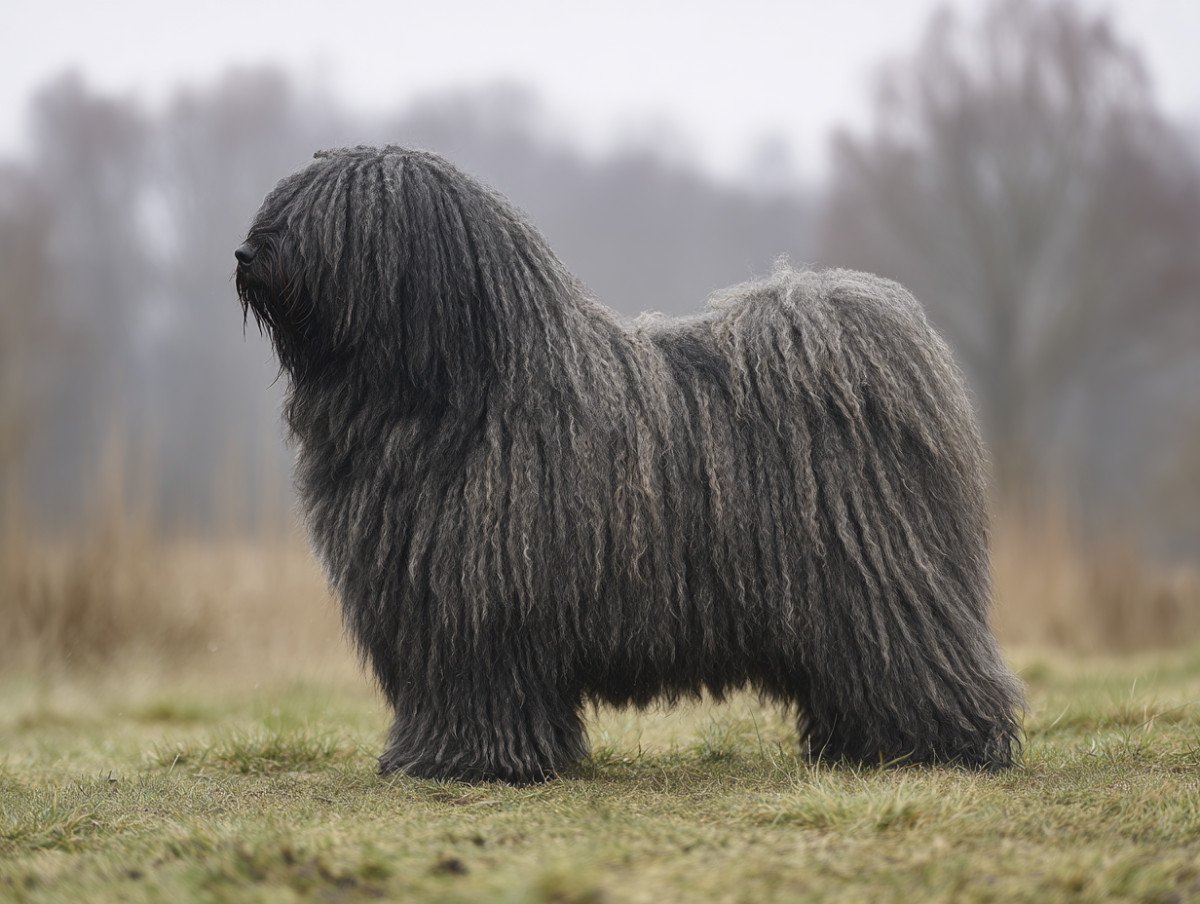
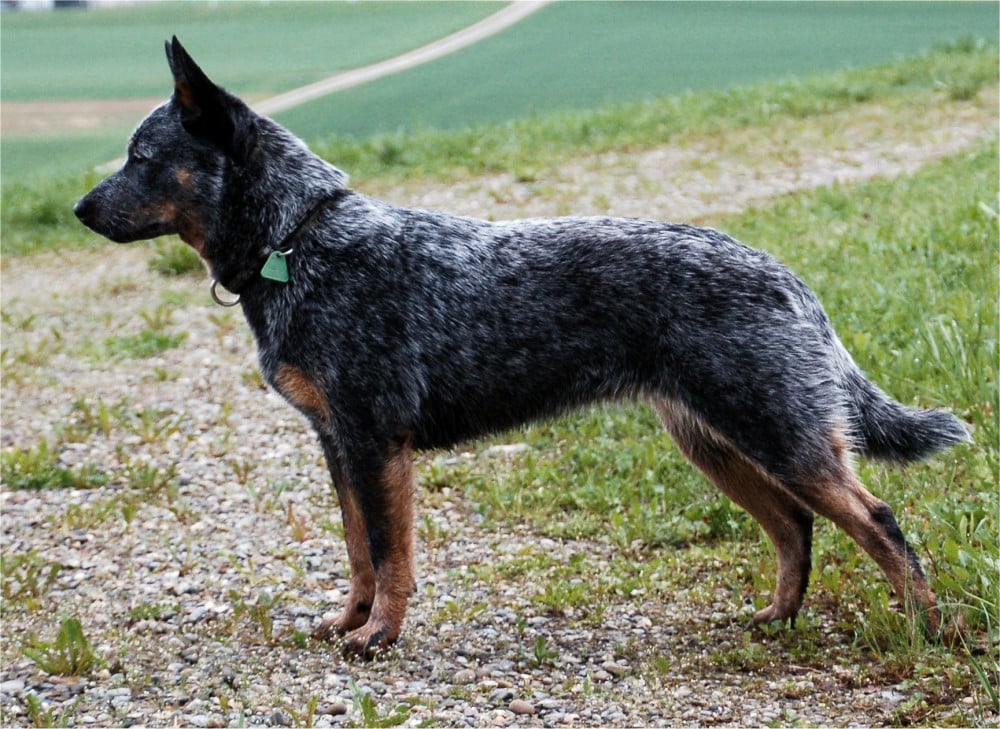
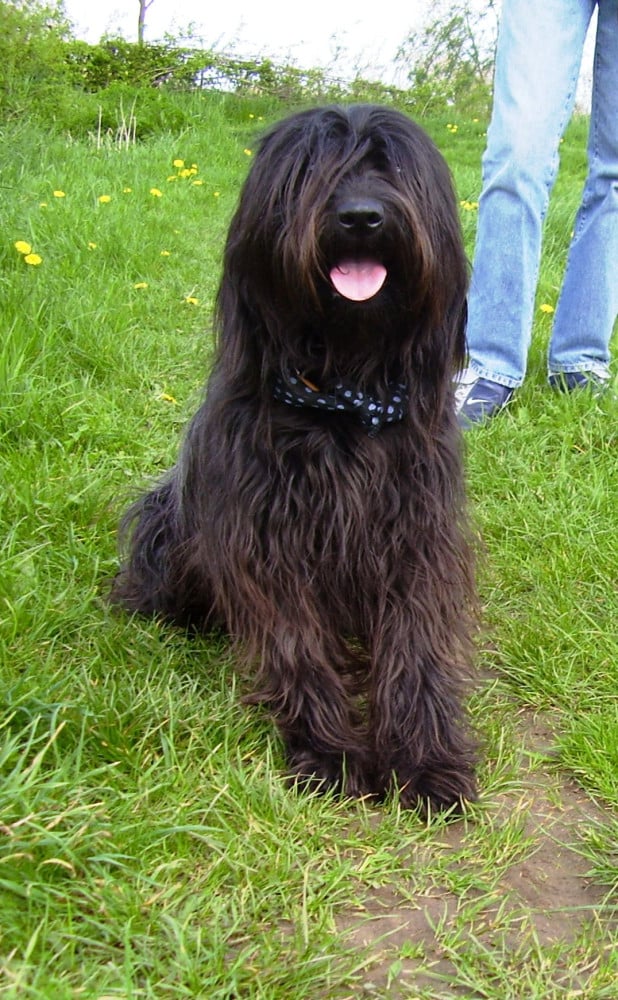
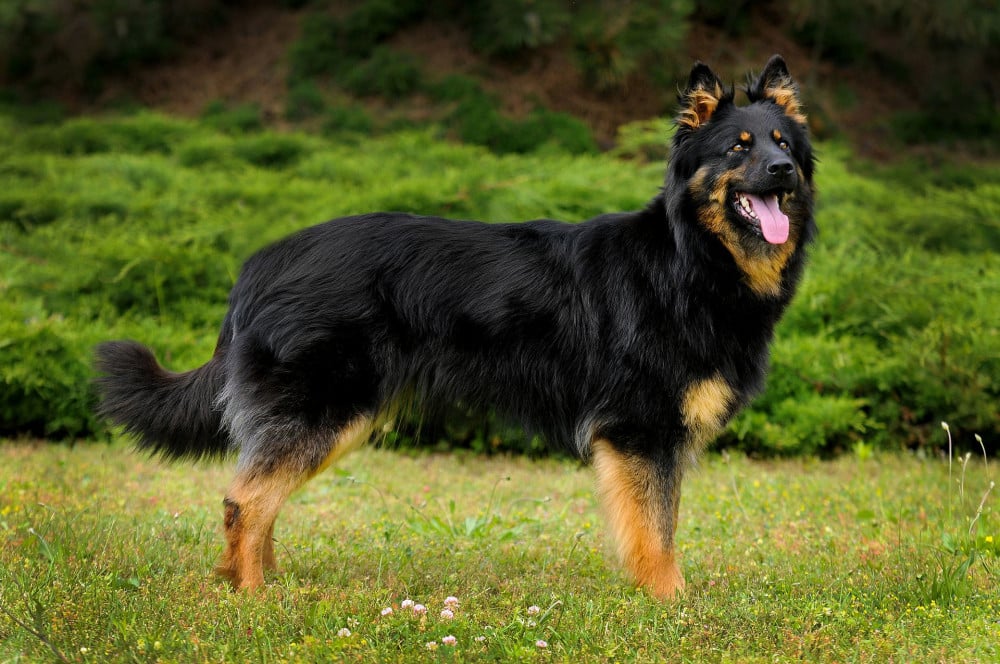
The standard places the Schapendoes among long-haired European herding breeds including the Bearded Collie, Puli, Polish Lowland Sheepdog, Old English Sheepdog, Briard and Bergamasco. This describes a broad historical relationship, not a recent cross between these breeds.
¶Living with the Breed
A Schapendoes can live in a flat or a house if it receives activity, rest and training around everyday sounds. In a building with poor sound insulation, people in the hallway, lift doors and movement outside the window must become ordinary events rather than reasons for a prolonged alarm. A garden does not replace walks or shared activities.
Expect the coat to bring the outdoors inside. After a woodland walk, you may need to remove twigs and seeds, tease out damp sections and check the paws and skin. Coat care during the adolescent change can take considerably longer than it does with a mature adult. Teach the puppy to accept systematic grooming on a non-slip surface.
The breed likes to stay close to its family, so time alone should be introduced in small steps once the dog feels secure and has had an opportunity to exercise and toilet. Begin with very short periods and increase them only when the dog can rest. Persistent barking, pacing, panting or destructive behaviour means that the step was too difficult, not that the dog needs to be left for longer to “get used to it”.
The Dutch Schapendoes suits someone who wants a quick, cheerful and engaged training companion and appreciates a dog that takes initiative. It is less suitable if a very low need for activity, minimal coat care or a dog that is automatically quiet and confident everywhere is essential. Choose a breeder on the strength of verified gPRA and eye results, open information about joints and temperament, and the way the adult dogs behave in everyday life.
¶Ominaisuudet
¶Usein kysytyt kysymykset
Millainen hollanninpaimenkoira schapendoes on luonteeltaan perheenjäsenten ja vieraiden seurassa?
Tämä iloinen ja ihmisläheinen paimenkoira kiintyy yleensä vahvasti perheeseensä ja on kotona useimmiten hellä ja leikkisä. Vieraita kohtaan se on usein pikemminkin pidättyväinen tai varovainen kuin avoin, mutta hyvin sosiaalistettuna sen ei tulisi olla pelokas tai aggressiivinen. Monilla säilyy eloisa huumorintaju, ja ne voivat heittäytyä varsinaisiksi hassuttelijoiksi tuntiessaan olonsa turvalliseksi.
Kuinka paljon liikuntaa schapendoes todella tarvitsee päivittäin?
Alun perin väsymättömäksi lampaiden paimentajaksi jalostettu rotu tarvitsee päivittäin vähintään 60–90 minuuttia liikuntaa sekä aivojumppaa. Vapaana juokseminen turvallisilla alueilla, paimennusta jäljittelevät leikit, agility ja pitkät vaellukset sopivat sille hyvin. Jos koira ei pääse purkamaan energiaansa riittävästi, siitä voi tulla äänekäs ja levoton tai sille voi kehittyä häiriökäyttäytymistä.
Sopiiko schapendoes kerrostaloasuntoon tai kaupunkielämään?
Se voi sopeutua kerrostaloasuntoon tai kaupunkielämään, kunhan sen liikunnan ja henkisen virikkeistämisen tarpeista huolehditaan hyvin johdonmukaisesti. Päivittäiset pitkät lenkit, aktiiviset leikit ja säännöllinen vapaana liikkuminen turvallisilla alueilla ovat välttämättömiä. Koska se on usein valpas ja haukkuherkkä, äänieristys ja huolellinen koulutus rauhalliseen, hiljaiseen käytökseen ovat tärkeitä taloissa, joissa on muitakin asukkaita.
Kuinka vaativaa schapendoesin turkinhoito on ja kuinka usein se tulisi harjata?
Pitkä, pörröinen turkki suojaa säältä, ja sen kuuluu näyttää luonnolliselta, ei muotoillulta. Se vaatii kuitenkin säännöllistä hoitoa. Useimpien omistajien on harjattava turkki huolellisesti kahdesta kolmeen kertaa viikossa takkuuntumisen ehkäisemiseksi. Erityistä huomiota kannattaa kiinnittää korviin, kainaloihin ja takaosaan. Lika yleensä varisee pois turkin kuivuttua, eikä koiraa tarvitse pestä usein, ellei se ole hyvin likainen.
Lähteekö schapendoesista paljon karvaa?
Karvanlähtö on kohtalaista ja usein huomaamattomampaa kuin monilla lyhytkarvaisilla roduilla, sillä irtokarvat jäävät pitkän turkin sekaan, kunnes ne harjataan pois. Säännöllinen turkinhoito pitää karvanlähdön hallinnassa ja ehkäisee takkuuntumista. Kausittaiset karvanvaihdot voivat lisätä karvanlähtöä muutamaksi viikoksi vuodessa.
Mitkä ovat schapendoesin yleisimmät terveysongelmat?
Rotua pidetään yleisesti melko terveenä, mutta sillä voi esiintyä esimerkiksi lonkkaniveldysplasiaa, silmäsairauksia ja joitakin autoimmuunisairauksia. Vastuulliset kasvattajat tutkituttavat yleensä jalostuskoirien lonkat ja silmät sekä seuraavat sukulinjoissa mahdollisesti ilmeneviä uusia terveysongelmia. Säännölliset eläinlääkärintarkastukset, painonhallinta ja sopiva liikunta auttavat pitämään nivelet ja silmät terveinä pitkällä aikavälillä.
Kuinka hyvin schapendoes tulee toimeen lasten ja muiden koirien kanssa?
Useimmat rodun koirat ovat ystävällisiä ja leikkisiä lasten kanssa, etenkin jos ne ovat kasvaneet yhdessä ja lapset kunnioittavat koiran omaa tilaa. Paimennustaustansa vuoksi ne saattavat joskus yrittää töniä juoksevia lapsia tai kiertää heidän ympärillään. Tätä käytöstä on hyvä ohjata koulutuksella. Ne tulevat yleensä hyvin toimeen muiden koirien kanssa, kun ne on sosiaalistettu asianmukaisesti, mutta jotkut voivat olla aluksi varautuneita.
Onko schapendoes kovin äänekäs tai haukkuherkkä?
Tämä rotu ilmoittaa yleensä herkästi havaitsemastaan ja voi olla varsin äänekäs, jos se tylsistyy tai ei saa riittävästi virikkeitä. Jo pentuna aloitettu hiljentymisvihjeen opettelu ja riittävä tekeminen vähentävät häiritsevää haukkumista. Luontainen vahtimisvietti kuuluu rodun ominaispiirteisiin, joten useimmilta yksilöiltä ei voi odottaa täyttä hiljaisuutta.
Kuinka älykäs schapendoes on ja millainen koulutus sille sopii parhaiten?
Se on älykäs ja nopeasti oppiva paimenkoira, joka nauttii ongelmanratkaisusta ja ennakoi usein ohjaajansa toiveita. Parhaiten toimivat positiiviset, palkitsemiseen perustuvat koulutusmenetelmät sekä vaihtelevat, lyhyet ja innostavat harjoitukset, sillä yksitoikkoinen toisto voi johtaa kyllästymiseen ja omapäiseen toimintaan. Aivojumppa, kuten hajutyöskentely, temppujen opettelu tai paimennusta jäljittelevät leikit, auttaa suuntaamaan sen älykkyyden rakentavaan tekemiseen.
Millaiselle omistajalle tai millaiseen kotiin schapendoes sopii parhaiten?
Tämä rotu sopii parhaiten aktiivisille omistajille, jotka nauttivat ulkoilusta ja ovat valmiita käyttämään päivittäin aikaa koulutukseen ja yhdessäoloon. Se viihtyy kodissa, jossa se saa olla mukana perheen arjessa sen sijaan, että sitä pidettäisiin tarhassa tai jätettäisiin pitkiksi ajoiksi yksin. Hieman itsenäistä, älykästä ja ulkonäöltään rustiikkista koiraa arvostavat saavat siitä usein antoisan kumppanin.
¶Vertailu muihin rotuihin
Vertaa rotua Dutch Schapendoes muihin rotuihin ja katso erot luonteessa, aktiivisuudessa ja hoidossa ennen kuin teet valintasi. Näytä kaikki vertailut