
¶Sisällysluettelo
¶Quick Facts
- The Cimarrón Uruguayo is Uruguay’s national dog, originally shaped by survival in the wild rather than careful human breeding.
- Medium to large and powerfully built, this breed combines the agility of a working dog with the substance of a guardian.
- Traditionally used as a livestock guardian and farm protector, it is naturally territorial and very loyal to its family.
- The short, dense coat is easy to care for and comes in striking brindle or fawn shades, often with a darker mask.
- This is not a beginner’s dog. The Cimarrón Uruguayo needs confident, experienced owners who understand strong guardian breeds.
¶Appearance & Coat
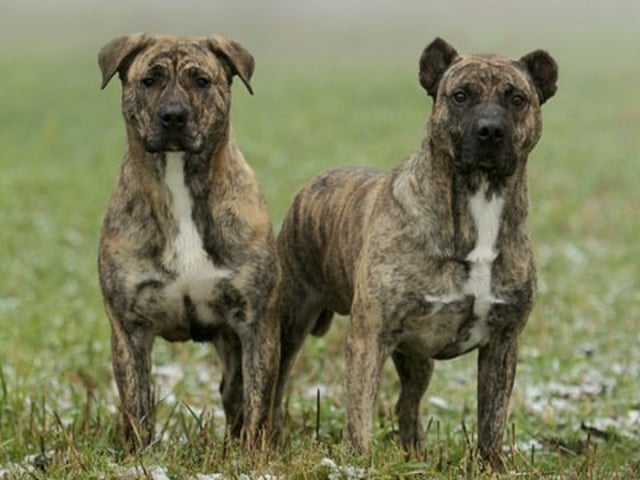
The Cimarrón Uruguayo is a sturdy, athletic dog that gives an impression of power, balance, and readiness for work. It stands roughly in the medium to large size range. Males are generally larger and more massive, while females tend to be slightly lighter and more refined but still very robust. The body is just a little longer than it is tall, which gives the dog a rectangular outline without looking stretched out. Legs are strong and well muscled rather than long and lanky, and the topline is straight and firm. The chest is deep and broad, hinting at strong lungs and a heart built for long working days outdoors.
The head of the Cimarrón Uruguayo is broad but not exaggerated. It should look in proportion with the body, giving a clear impression of strength and determination. The muzzle is fairly wide and slightly shorter than the skull, with a strong jaw that reflects the breed’s history as a hunting and guarding dog. Ears are traditionally cropped in its country of origin, although natural ears are increasingly seen in other parts of the world. Natural ears are set high, triangular and carried close to the head. The eyes are medium sized, slightly oval, and express alertness and intelligence. Coat color often influences eye color, which can range from brown to lighter amber in fawn dogs.
The coat of the Cimarrón Uruguayo is one of its most practical features. It is short, dense, and harsh to the touch, with a good undercoat that provides protection from both sun and cool weather. This type of coat is perfect for a working dog that spends long hours outdoors. Accepted colors are mainly:
- Brindle in different shades
- Fawn in various tones
Some dogs may have small white markings on the chest, throat, underside of the body, or toes. A darker mask on the face is common and greatly adds to the breed’s striking expression.
Coat care is relatively simple, which is a relief for busy owners. Weekly brushing with a rubber grooming mitt or a short bristle brush is usually enough to remove dead hair and keep the coat shiny. During shedding seasons, usually once or twice a year, more frequent brushing will help manage loose hair around the home. Bathing is needed only when the dog becomes dirty or develops a noticeable odor. Overbathing can strip the natural oils from the coat and skin, which are important for weather protection.
Owners should also pay attention to general grooming details that keep the Cimarrón Uruguayo comfortable and healthy. Nails must be trimmed regularly so they do not grow too long and affect the dog’s gait. Ears should be checked weekly, especially in natural eared dogs, to make sure they stay clean and dry. Teeth benefit from regular brushing with a dog friendly toothpaste. Overall, the appearance of the Cimarrón Uruguayo reflects its purpose as a tough, outdoor working dog, yet with a natural elegance that many people find very appealing.
¶Temperament & Personality
The Cimarrón Uruguayo is a serious, devoted, and highly intelligent breed that forms deep bonds with its family. Its temperament has been shaped by generations of living in harsh conditions and working independently, which has created a dog that is both resilient and self confident. With the people it knows and trusts, the Cimarrón can be very affectionate, calm, and even cuddly in a dignified way. It often chooses a favorite person but will usually be loyal and protective toward the entire household.
This is first and foremost a guardian breed. In daily life, the Cimarrón Uruguayo tends to be alert and watchful, noticing every sound and movement around the home. It will often position itself where it can see doors, windows, or the garden, and it quickly becomes aware of anything unusual. Toward strangers, the Cimarrón can be reserved, cautious, or simply uninterested. A well socialized Cimarrón should not be aggressive without cause, but it will not typically welcome unfamiliar people with enthusiastic friendliness. Many owners describe them as polite but distant with guests, unless they are frequent visitors who become part of the dog’s trusted circle.
With children, this breed can be very good when raised together and properly managed. The Cimarrón is usually patient and tolerant with respectful kids, but due to its strength, size, and guarding instincts, it is not ideal for families who want a carefree, overly playful dog that can be handled by young children alone. Supervision is always important, especially where rough play or visiting children are involved. Teaching children to interact calmly, avoid teasing, and respect the dog’s space helps build a safe, lasting relationship.
When it comes to other pets, the Cimarrón Uruguayo can vary quite a lot. Many individuals accept other dogs in the family when socialized from a young age. However, same sex aggression can occur in some lines, especially between mature males, and careful introductions are essential. The breed’s history includes hunting and survival in the wild, so a strong prey drive is not unusual. This means that cats, rabbits, or other small animals may not be safe unless the dog has grown up with them and strong management is in place. Even then, it is wise to never leave such interactions completely unsupervised.
Common challenges with this breed mostly revolve around its independence and guarding nature. A Cimarrón that lacks clear leadership, training, or socialization can become overly suspicious, difficult to control, or territorial. This is not a dog that thrives with passive or inconsistent owners. Without mental and physical engagement, it may find its own “jobs” such as excessive barking, digging, or patrolling the fence line.
On the positive side, for an owner who understands protective working breeds, the Cimarrón Uruguayo can be one of the most rewarding companions. It is deeply loyal, often very brave, and usually steady in the face of real threats. It has enough sensitivity to bond closely with its family, yet enough toughness to remain composed in challenging environments. This combination makes it a remarkable dog for experienced families who want a serious, purposeful partner rather than a casual pet.
¶Training & Exercise
Training a Cimarrón Uruguayo is both a challenge and a pleasure for the right person. This breed has a sharp mind and a natural ability to solve problems. However, it also has a strong independent streak, and will not respond well to heavy handed or inconsistent methods. The Cimarrón needs a trainer who is calm, confident, and clear in communication. When it respects its handler, this dog can learn new tasks very quickly and perform them with impressive reliability.
Positive reinforcement works best. Food rewards, happy praise, and play sessions are powerful motivators for many Cimarrones, especially in the early stages of training. Because of the breed’s intelligence and slight stubbornness, very repetitive exercises can bore them. Short, varied training sessions with clear goals are far more effective. It can help to end each session on a success, even if it is something as simple as a perfect sit or recall, to keep the dog enthusiastic about learning.
Early training should focus on:
- Reliable recall from different situations
- Calm leash walking and good leash manners
- Solid sit, down, stay, and leave it cues
- Controlled greetings and neutrality around visitors
Impulse control exercises are particularly valuable. Teaching the dog to wait before going through doors, before taking food, or before jumping out of the car helps build a mindset that looks to the owner for guidance rather than always charging ahead. These small habits can make life with a powerful guardian breed much smoother.
The Cimarrón Uruguayo has medium to high exercise needs. It is not a hyperactive dog that needs to run all day, but it does require more than a simple walk around the block. A typical adult Cimarrón will do best with at least one to two hours of varied physical activity each day, divided into a couple of sessions. This might include brisk walks, jogging, hiking, or free running in a secure field. Many enjoy structured games such as fetch, tug, or scent based games where they must search for hidden treats or toys.
Mental exercise is just as important as physical work. Because these dogs were bred to think independently while guarding or hunting, they appreciate tasks that require decision making. Suitable activities include:
- Nose work and scent tracking, even in a casual form
- Obedience training with changing routines
- Learning useful tasks around the home, like carrying items or closing doors
- Puzzle toys and food dispensing toys that require problem solving
Some Cimarrones can enjoy dog sports such as tracking, mantrailing, search games, or even agility, although their heavier build is not ideal for highly demanding jump work. Protection or guarding sports should be approached with extreme caution and only under experienced guidance, since these dogs already have strong natural protective instincts. The focus should always be on control, stability, and good character.
Without enough exercise and training, a Cimarrón Uruguayo may become restless or frustrated. This can lead to destructive chewing, digging, excessive barking, or attempts to escape the yard in search of interesting things to do. On the other hand, a well exercised and mentally challenged Cimarrón tends to be calm and relaxed in the house, happy to rest near its people and recharge for the next adventure. For owners committed to providing structured activity and thoughtful training, the Cimarrón Uruguayo can be a very impressive and satisfying partner.
¶Health
The Cimarrón Uruguayo is generally considered a hardy and robust breed, shaped by natural selection in its early history. Many individuals enjoy long, active lives, often into their early teens, especially when they are well cared for and kept at a healthy weight. However, like all breeds, the Cimarrón has some health considerations that potential owners and breeders should understand.
Because of its medium to large size and strong build, orthopedic health is a key area. Hip dysplasia and elbow dysplasia can occur, as in many similar sized working breeds. Responsible breeders usually have their breeding dogs X rayed and evaluated for hip and elbow quality. Prospective owners should always ask breeders about the status of these tests and ideally see the official records. Dogs with poor joint structure may suffer from pain, lameness, and arthritis later in life.
Another aspect to watch is overall growth and development. Cimarrón puppies are often energetic and enthusiastic, and careful management of exercise during the first year is important. Too much jumping or forced running on hard surfaces can put stress on developing joints. A balance of free play on soft ground, short controlled walks, and rest periods supports healthy growth. Good quality, balanced puppy food that is appropriate for medium or large breed growth is also recommended to avoid overly rapid growth spurts.
Eye health is generally good in the breed, but eye checks by a veterinary ophthalmologist are valuable in breeding stock to ensure that hereditary issues, if present, are identified early. Some breeders also test for hereditary conditions that may occur at a lower frequency, depending on the lines. Each country may have different standard recommendations, but common health tests can include:
- Hip dysplasia evaluation
- Elbow dysplasia evaluation
- Eye examination by a veterinary specialist
Because the Cimarrón Uruguayo tends toward a muscular, substantial build, maintaining a correct body weight is essential. Excess weight places additional strain on joints and can contribute to heart and metabolic issues over time. Owners should be honest about body condition and be willing to adjust food portions and treat intake accordingly. Regular, moderate exercise helps keep the dog fit and trim.
Routine veterinary care remains an important part of keeping a Cimarrón healthy. This includes vaccinations according to local recommendations, parasite prevention, and annual health checks. As the dog ages, yearly or twice yearly examinations with blood work can help identify early signs of kidney, liver, or endocrine issues. Dental care is also significant. Tartar buildup and gum disease do not only affect the mouth. They can influence general health and comfort, so brushing, dental chews, or professional cleanings can have real benefits.
Temperament and behavior are closely linked to health in working breeds like the Cimarrón Uruguayo. Dogs that are in chronic pain, under stimulated, or living in stressful conditions may show increased irritability or reactivity. Providing a suitable lifestyle, good nutrition, and prompt treatment for injuries or illness supports both physical and mental well being.
On the whole, the Cimarrón Uruguayo is a sturdy dog with relatively few breed specific health problems compared to some more intensively bred breeds. When sourced from responsible breeders who health test and select for soundness in both body and mind, and when cared for with common sense and regular veterinary input, this breed often proves to be a resilient companion for many years.
¶History & Origins
The history of the Cimarrón Uruguayo is both rugged and fascinating. Its story begins with dogs brought to South America by Spanish and Portuguese settlers several centuries ago. These early European dogs were used for guarding, herding, and hunting in the new colonies. Some of them escaped or were abandoned in the vast landscapes of what is now Uruguay. Over time, these dogs formed free roaming populations that survived in the wild with little human help.
Because life was hard and resources were limited, only the strongest, healthiest, and smartest dogs managed to live and reproduce. Predators, harsh weather, and conflicts with humans all acted as natural filters. This intense natural selection shaped a type of dog that was strong, adaptable, and capable of fending for itself while still retaining the instincts of a guardian and hunter. These dogs became known as “cimarrones,” a term used in Spanish speaking regions for animals that had gone feral or lived semi wild.
As the human population in Uruguay grew and farming expanded, locals began to appreciate the value of these tough, intelligent dogs. Farmers and ranchers started to selectively capture, tame, and breed the best individuals for use around homesteads and livestock. The Cimarrón Uruguayo proved to be an excellent working partner. It could protect cattle and other animals from predators and thieves, assist in controlling herds, and guard property in remote areas where human help might be far away.
Over the years, this practical selection by rural families gradually turned the free roaming dogs into a more defined breed. Efforts to formally recognize and standardize the Cimarrón Uruguayo increased in the 20th century. Breed enthusiasts began to write a proper standard that described the ideal appearance and temperament. National recognition in Uruguay followed, and the Cimarrón was eventually declared the country’s national dog, a symbol of resilience and local heritage.
International interest in the breed has grown more slowly, but steadily. In time, the Cimarrón Uruguayo gained official recognition by international kennel organizations and was classified in the group of molossoid or mastiff type breeds. Today, it is still used in its homeland as a farm and ranch dog, valued for its ability to work independently and guard property. In other countries, the breed is gradually gaining a reputation as a capable guardian and companion for experienced owners.
Despite this modern recognition, the Cimarrón Uruguayo has not lost touch with its roots. It remains a practical, no nonsense dog that has retained its working abilities. When you live with a Cimarrón, you are sharing your home with a piece of living history, a dog shaped by generations of survival in the Uruguayan countryside and refined by people who needed a tough, loyal partner by their side.
¶Living with the Breed
Living with a Cimarrón Uruguayo is a meaningful and rewarding experience, but it is not one that suits every household. This breed thrives in homes where structure, time, and commitment are available. Before bringing one home, it is important to honestly assess your lifestyle, experience with dogs, and expectations of daily life with a powerful guardian breed.
The ideal environment for a Cimarrón includes a securely fenced yard where the dog can move freely and observe its surroundings. Many Cimarrones love to spend a good portion of the day outside, watching over their territory, but they should still live as part of the family, not be left alone in a yard all the time. These dogs are strongly bonded to their people and need social contact. Apartment living can be possible only for very dedicated owners who can provide multiple long walks and mental stimulation every day, and who are experienced in managing a large, territorial dog in shared spaces.
New owners should be prepared for a significant time investment, especially in the first two years. Early and ongoing socialization is vital. This means calmly and positively exposing the puppy to a wide variety of people, animals, sounds, and environments, always in a controlled way that keeps the dog feeling safe. Ongoing training, both at home and in classes run by professionals who understand working breeds, will help the Cimarrón develop into a stable adult. Without this groundwork, the dog’s natural suspicion and independence can become challenging.
Financially, owning a Cimarrón Uruguayo is similar to owning other medium to large working breeds. Annual costs often include:
- Quality food suitable for a robust, active dog
- Routine veterinary care and vaccinations
- Preventive treatments for parasites
- Pet insurance, which can help with unexpected medical costs
- Equipment and training classes
- Occasional boarding or pet sitting when you travel
On average, many owners find that yearly expenses reach a level that reflects a serious long term commitment. Budgeting for possible emergencies or health issues is also wise.
In terms of equipment, a Cimarrón will benefit from a strong, well fitting collar, a sturdy harness, and a durable leash. Because of the breed’s strength, cheap or flimsy equipment is often a false economy and a safety risk. A secure crate or solid dog bed provides the dog with a “den” where it can rest undisturbed. Food and water bowls should be stable and easy to clean. Mental enrichment tools such as puzzle feeders, chew toys, and robust toys for tug or fetch will help keep the dog occupied and satisfied.
Life with a Cimarrón Uruguayo involves daily exercise, consistent boundaries, and calm leadership. This is not a dog that enjoys chaotic, constantly changing households or overly busy social lives with many strangers coming and going. It tends to be happiest in families that value a quieter home environment, outdoor activities, and a strong partnership with their dog. For those who live rurally or semi rurally, the Cimarrón often shows its best qualities as a farm guardian and family protector.
At the same time, owners should make sure that the dog’s protective instincts are properly channeled. Clear rules about who is allowed on the property, controlled introductions to visitors, and early training in impulse control all help prevent misunderstandings. Many Cimarrones are naturally good judges of character and will relax once their owners demonstrate that a guest is welcome.
In return for this level of commitment, the Cimarrón Uruguayo offers a unique blend of loyalty, courage, and calm companionship. It will stand by its family in difficult moments, adapt to your routines, and quietly watch over your home. For people who are ready to invest time, knowledge, and heart into this remarkable breed, living with a Cimarrón can be an incredibly deep and satisfying relationship that lasts for many years.
¶Ominaisuudet
¶Usein kysytyt kysymykset
Millainen luonne Cimarrón Uruguayolla on perheenjäsenten ja vieraiden seurassa?
Tämä rotu on yleensä hyvin uskollinen ja hellä omaa perhettään kohtaan, myös hyvin tuntemiaan lapsia kohtaan, mutta vieraisiin se voi suhtautua varautuneesti tai epäluuloisesti. Se on yleensä itsevarma, vakava ja suojeleva eikä niinkään leikkisä uusien tuttavuuksien seurassa. Varhain aloitettu, huolellinen sosiaalistaminen on välttämätöntä liiallisen epäluuloisuuden tai etäisyyden ehkäisemiseksi.
Sopiiko cimarrón uruguayo perhekoiraksi ensikertalaiselle koiranomistajalle?
Tämä rotu ei yleensä ole ihanteellinen valinta ensimmäiseksi koiraksi, sillä se on voimakastahtoinen ja hyvin suojelunhaluinen sekä tarvitsee johdonmukaista ja varmaotteista ohjausta. Perheet, joilla on kokemusta vartioivista roduista tai työkoirista, pärjäävät sen kanssa yleensä paremmin. Osaavissa käsissä se voi olla tasapainoinen ja omistautunut perhekoira, mutta puutteellinen koulutus tai selkeiden rajojen ja rutiinien puute voi johtaa käytösongelmiin.
Kuinka paljon liikuntaa cimarrón uruguayo tarvitsee päivittäin?
Useimmat aikuiset koirat tarvitsevat päivittäin vähintään 1,5–2 tuntia liikuntaa ja aivotyötä, kuten tottelevaisuusharjoittelua, hajuleikkejä tai maatilan töitä. Ne on jalostettu työskentelemään ulkona ja kestämään vaativia olosuhteita, joten lyhyt kävely korttelin ympäri ei riitä. Jos ne eivät pääse purkamaan energiaansa riittävästi, ne voivat muuttua levottomiksi, tuhota paikkoja tai puolustaa reviiriään liiallisesti.
Kuinka voimakas vahtimisvietti cimarrón uruguayolla on?
Rodulla on erittäin voimakas luontainen vartiointivietti, joka juontaa juurensa sen historiaan karjan ja omaisuuden suojelijana. Se partioi mielellään reviirillään, reagoi nopeasti poikkeaviin ääniin ja voi käyttäytyä määrätietoisesti vieraita ihmisiä tai koiria kohtaan. Tätä suojeluviettiä on ohjattava koulutuksella, valvonnalla ja hallituilla tutustumisilla, jotta koiran käytös pysyy tilanteeseen sopivana ja turvallisena.
Voiko cimarrón uruguayo asua kerrostalossa tai kaupunkiympäristössä?
Kerrostaloasuminen tai asuminen tiiviissä kaupunkiympäristössä on tälle rodulle haastavaa sen koon, vartiointivietin ja tilantarpeen vuoksi. Se viihtyy parhaiten kodissa, jossa on turvallinen, hyvänkokoinen piha ja pääsy alueille, joilla se voi liikkua vapaasti ja purkaa energiaansa. Kaupunkiympäristössä se tarvitsee kokeneen omistajan, huolellisen sosiaalistamisen ja säännöllisen liikuntarutiinin, josta pidetään tarkasti kiinni.
Mitkä ovat uruguayncimarrónin yleisimmät terveysongelmat?
Rotua pidetään yleisesti melko terveenä, mutta sillä voi esiintyä suurille koiraroduille tyypillisiä vaivoja, kuten lonkka- ja kyynärniveldysplasiaa sekä mahalaukun laajentumaa ja kiertymää. Joissakin sukulinjoissa voi esiintyä myös iho- tai silmäongelmia. Vastuulliset kasvattajat teettävät jalostuskoirille terveystutkimuksia. Omistajien tulisi huolehtia siitä, että aikuiset koirat pysyvät hoikkina ja hyväkuntoisina ja käyvät säännöllisesti suuria käyttökoirarotuja tuntevan eläinlääkärin seurannassa.
Kuinka helppo cimarrón uruguayo on kouluttaa ja käsitellä?
Rotu on älykäs ja oppii nopeasti, mutta se on myös itsenäinen ja voi olla itsepäinen, jos se ei kunnioita ohjaajaansa. Parhaiten toimivat lyhyet, johdonmukaiset harjoitukset, joissa yhdistyvät selkeä rakenne sekä reilu ja jämäkkä ohjaus. Kovat menetelmät tai epäjohdonmukaiset säännöt voivat johtaa ristiriitoihin, kun taas myönteinen koulutus, jossa hyödynnetään koiran luontaisia työskentelytaipumuksia, tuottaa yleensä hyviä tuloksia.
Millaista turkinhoitoa cimarrón uruguayo tarvitsee?
Sen lyhyt ja tiheä turkki on melko helppohoitoinen, ja yleensä viikoittainen harjaus riittää irtokarvan ja lian poistamiseen. Karvanlähtö voi runsastua vuodenaikojen vaihtuessa, jolloin tiheämpi harjaus auttaa pitämään sen kurissa. Myös säännöllinen kynsien leikkaaminen, korvien tarkistaminen ja hampaiden hoito ovat tärkeitä koiran koon ja aktiivisen elämäntavan vuoksi.
Tuleeko cimarrón uruguayo turvallisesti toimeen muiden koirien ja lemmikkien kanssa?
Tämän rodun koirat voivat olla valikoivia koiraseuransa suhteen, etenkin samaa sukupuolta olevien tai niitä haastavien koirien kanssa. Tämä johtuu rodun vahvasta luonteesta ja taustasta vahtikoirana. Huolellinen sosiaalistaminen pentuiästä lähtien ja harkittu tutustuttaminen muihin koiriin ovat tärkeitä. Tasapainoiset ja itsevarmat koirat voivat olla sille sopivimpia kumppaneita. Jotkut yksilöt saattavat pitää pieniä lemmikkejä saaliina, joten valvonta ja tilanteiden hallinta ovat välttämättömiä.
Millainen on cimarrón uruguayon historia koirarotuna?
Rotu polveutuu eurooppalaisten uudisasukkaiden mukanaan tuomista koirista, jotka villiintyivät osittain Uruguayssa ja sopeutuivat ankariin olosuhteisiin. Myöhemmin karjatilalliset alkoivat jalostaa niitä valikoivasti. Koiria arvostettiin niiden sitkeyden, älykkyyden sekä karjan ja omaisuuden vartiointikyvyn vuoksi. Nykyinen rotumääritelmä heijastaa tätä työkoirataustaa ja pyrkii säilyttämään rodun kestävyyden ja toiminnallisen rakenteen.
¶Vertailu muihin rotuihin
Vertaa rotua uruguayncimarrón muihin rotuihin ja katso erot luonteessa, aktiivisuudessa ja hoidossa ennen kuin teet valintasi. Näytä kaikki vertailut