
¶Sisällysluettelo
¶Quick Facts
- Compact, hardy terrier originally bred in England’s Lake District to hunt foxes across rough, rocky ground
- Confident and lively personality that mixes true terrier grit with surprising sweetness at home
- Weather‑resistant double coat that needs regular hand‑stripping to keep its texture and rich color
- Highly alert watchdog that quickly notices visitors, yet can be polite and well mannered with good socialization
- Suits active owners who enjoy walks, training, and activities rather than a purely couch‑based lifestyle
¶Appearance & Coat
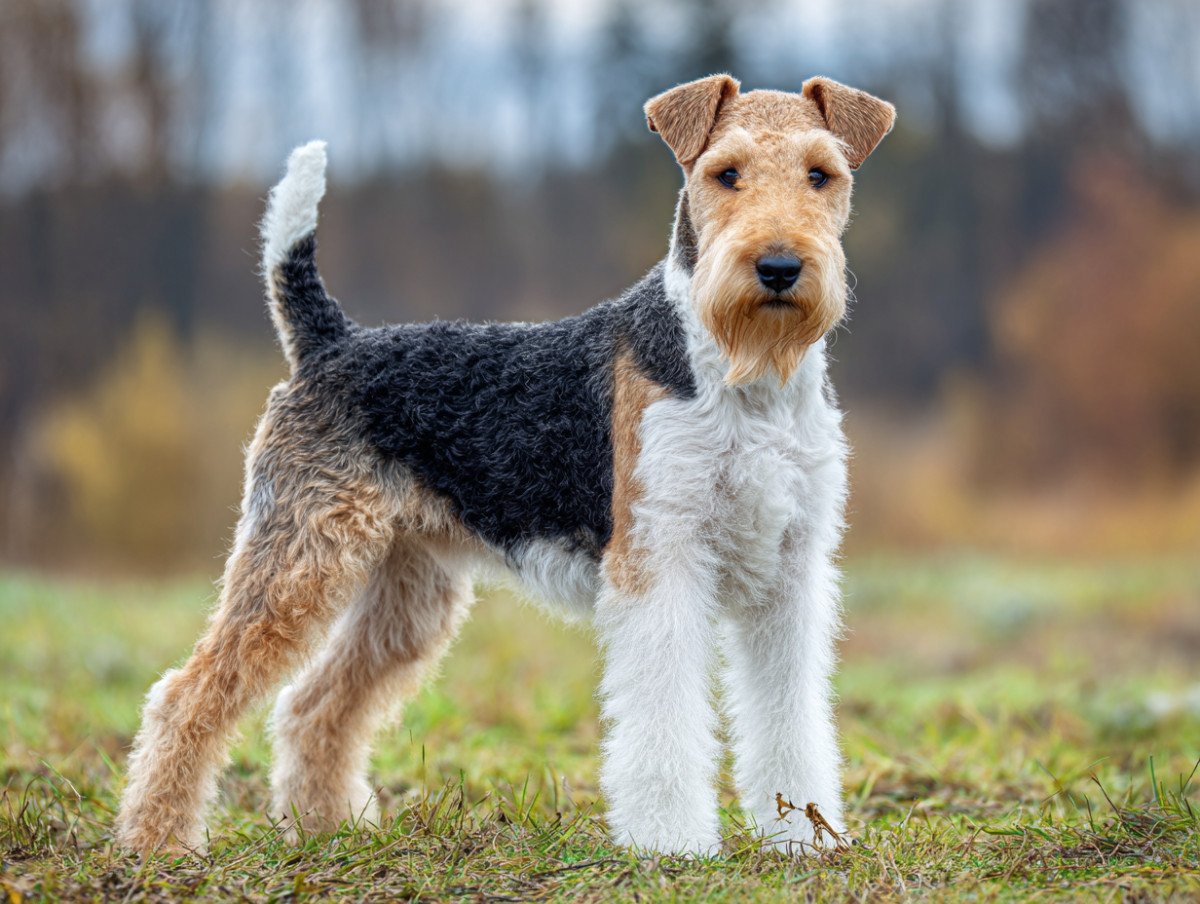
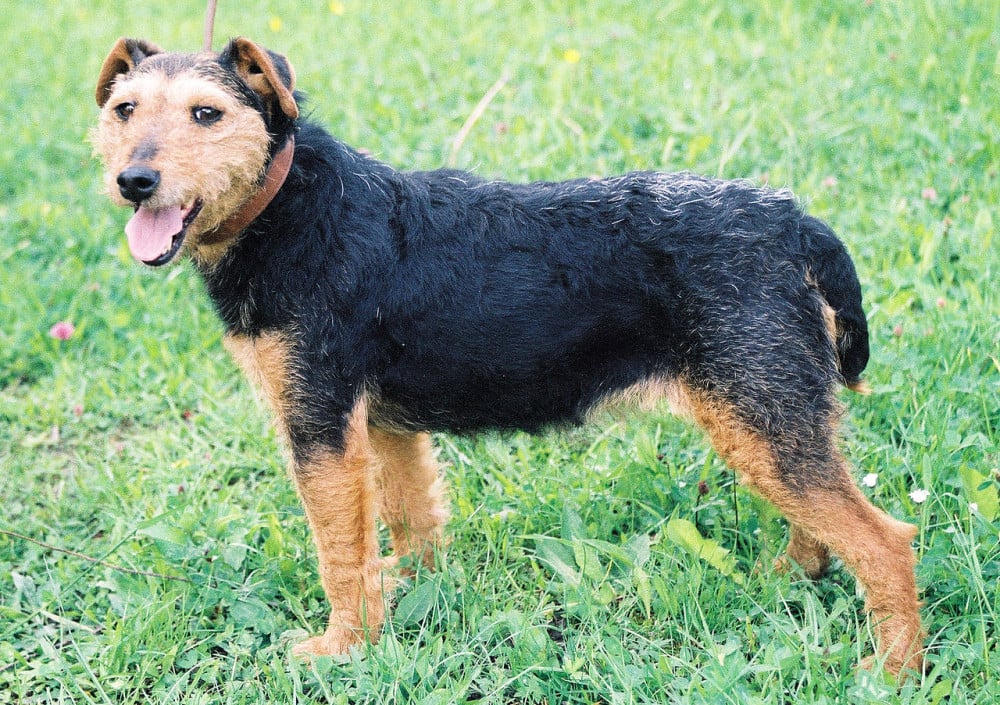
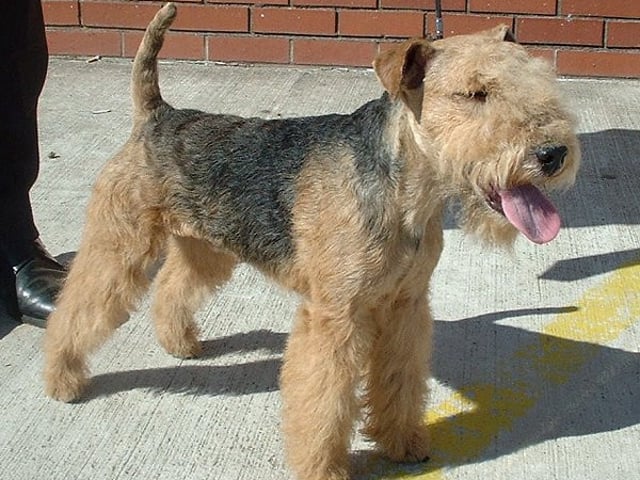
The Lakeland Terrier is a small to medium sized terrier with a distinctly workmanlike look. At first glance many people see a resemblance to the Welsh Terrier or a small Airedale, but once you know the Lakeland you will notice how light, agile, and compact it is. The body is slightly longer than it is tall, with straight legs, a level back, and a deep but not overly broad chest. The overall impression is of a tough, athletic dog that could follow a fox over hillsides and squeeze into narrow earths without getting stuck or tiring too quickly.
Height is usually around 36 to 37 centimeters at the shoulder, with weight often between 7 and 8 kilograms, though a little variation is normal. The head is clean and rectangular with a flat skull, strong muzzle, and a keen expression. Dark, oval eyes and neat V‑shaped ears that fold forward give the Lakeland a bright, alert look, as if it is always asking what will happen next. Movement should be free and purposeful, with good reach in front and plenty of drive from behind.
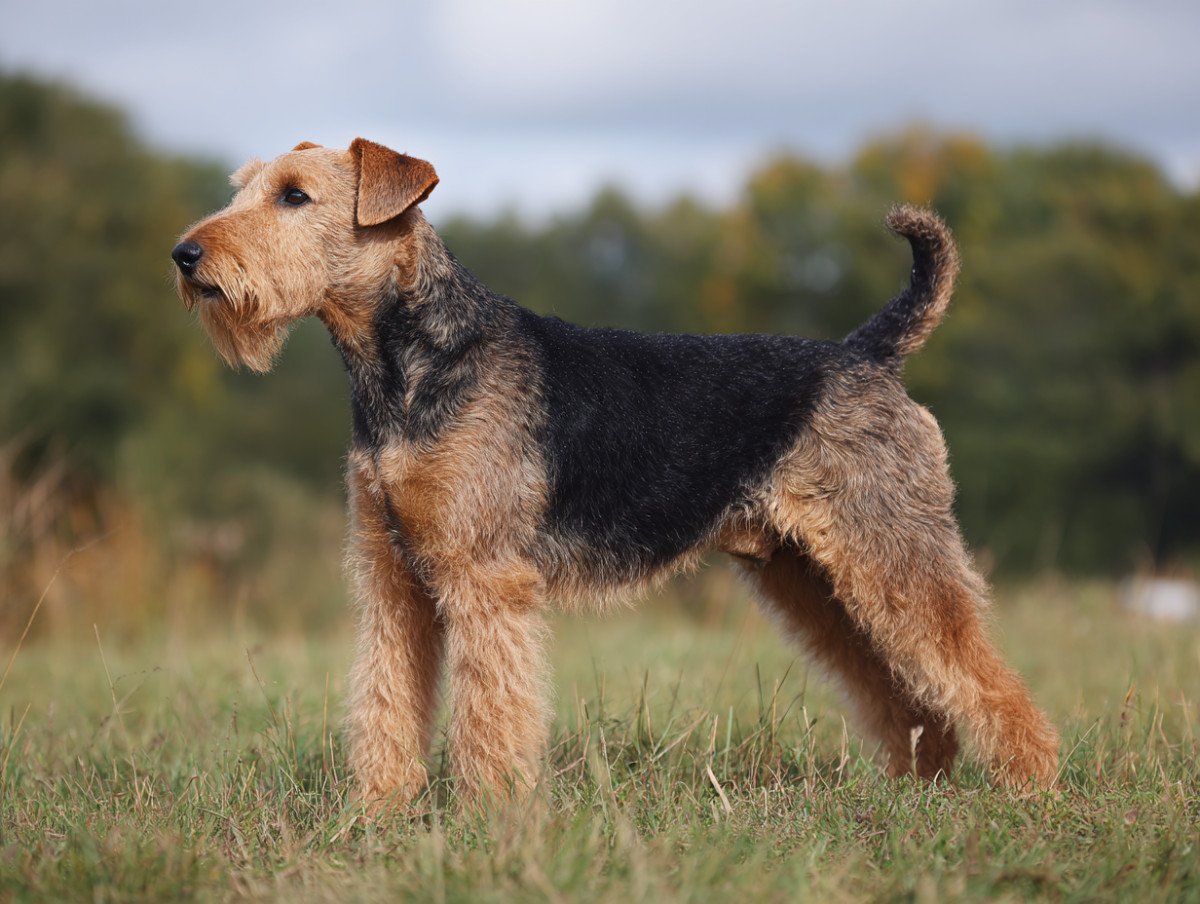
The coat is one of the breed’s greatest assets. Lakeland Terriers have a dense, harsh outer coat that resists rain and dirt, combined with a softer undercoat for insulation. This double coat helped them work in the damp, windy climate of the Lake District. Recognized colors include:
- Black and tan
- Blue and tan
- Grizzle and tan
- Red, wheaten, liver, or grizzle
- Sometimes with small white markings on the chest or feet
In many dogs the head and legs are a rich tan while the saddle area can be darker, but solid shades also exist. When properly maintained, the coat has a crisp, wiry feel and the colors remain vibrant.
Coat care is a little more specialized than for some companion breeds. To keep the correct texture, Lakeland Terriers should ideally be hand‑stripped. This means the old, dead outer coat is gently pulled out by hand or with a stripping knife so that a new harsh coat can grow in. Clipping with electric clippers is faster and often chosen by pet owners, but over time it softens the coat and can fade the color, leading to a fluffy appearance that tangles more easily and offers less weather protection.
A practical routine for a pet Lakeland might look like this:
- Daily: quick check for burrs or twigs after walks, especially around the beard, feet, and armpits
- Weekly: thorough brushing with a slicker brush and comb to prevent mats in the beard, furnishings, and under the collar
- Every 8 to 12 weeks: professional hand‑stripping if you want to maintain true breed coat quality
You should also trim nails regularly, clean ears, and keep the teeth in good condition. Because the face furnishings and beard can trap food and dirt, wiping the muzzle after meals and walks reduces staining and keeps the dog comfortable. With a consistent routine, the Lakeland’s smart, tidy appearance is easy to maintain and very rewarding, and a hand‑stripped dog has a clean, almost sculpted outline that really shows off the breed’s character.
¶Temperament & Personality
Living with a Lakeland Terrier is a bit like living with a cheerful, determined explorer. This is a true terrier with a strong personality, but in many lines the temperament is slightly softer and more biddable than some of the feistier terrier breeds. At home, a well raised Lakeland is affectionate and loyal, often forming a deep bond with its family. Many owners describe them as clowns who enjoy making people laugh, racing around with toys, or trotting proudly with whatever they have found.
With families, the Lakeland Terrier can be a lively but devoted companion. The breed is generally good with respectful children who understand how to treat dogs kindly. Their sturdy build means they are usually more tolerant of the occasional bumped knee than very delicate toy breeds. However, they still need supervision around young kids, mostly to prevent rough play and to teach both child and dog good manners. Because they are energetic, they often enjoy participating in games in the garden or joining older children on walks and outdoor adventures.
Around strangers, many Lakelands are reserved at first but not shy. They notice everything and are quick to announce new arrivals with a bark, which makes them effective little watchdogs. With calm handling and regular exposure to different people and places as puppies, they usually learn to greet visitors politely and relax once they see there is no threat.
Other animals are where the terrier heritage becomes more evident. Lakeland Terriers were bred to go underground after foxes, so many still have a strong prey drive. They may instinctively chase small animals such as rabbits or even cats. Some individuals can live peacefully with a family cat, especially if raised together from a young age, but this is never guaranteed. Outdoor small pets like rabbits or guinea pigs should always be kept safely separated.
With other dogs, the breed is often confident and can sometimes be a bit bossy. Many Lakelands get along perfectly well with canine companions if they are socialized early at puppy classes and on well managed walks. However, some may not back down easily if challenged and can be a little same‑sex selective. Clear boundaries, good training, and careful introductions help enormously. Neutering alone does not fix social issues, so owners should focus on building good habits from the start.
Common temperament challenges include:
- Tendency to bark when bored or under stimulated
- Strong digging and hunting instincts in gardens
- Stubborn streak if training is harsh or repetitive
- Possible possessiveness over toys or high value chews if not taught to share calmly
On the positive side, Lakeland Terriers are intelligent, curious, and eager to be involved in daily life. They thrive when treated as full family members rather than yard dogs. They usually like car rides, walks in new places, and learning tricks. Provided their physical and mental needs are met, they settle well at home and are often quite cuddly on the sofa after a busy day. It is this blend of toughness outdoors and warmth indoors that makes the Lakeland Terrier such a charming companion for the right household.
¶Training & Exercise
The Lakeland Terrier might be small, but inside that compact frame is a working dog that thrives on activity and mental stimulation. If you enjoy the idea of a bright partner who loves a challenge, this breed can be great fun to train. The key is to understand how terriers think. They are independent, quick to notice opportunities, and can lose interest if training is dull or overly repetitive.
Positive, reward based methods work best. Lakelands respond eagerly to food rewards, toys, and genuine praise. Short, varied sessions where you practice a mix of obedience, tricks, and practical manners help keep them engaged. For example, rather than drilling “sit” ten times in a row, you might ask for a sit, then call the dog to you, practice a hand target, and finish with a quick game of tug. Ending sessions on a success builds confidence and enthusiasm.
Important training goals for a Lakeland Terrier include:
- Reliable recall, even around distractions such as birds or other dogs
- Loose leash walking, since they are naturally keen explorers
- Solid “leave it” and “drop” cues to manage their curiosity and prey drive
- Calm greeting behaviors so they do not jump all over guests or bark excessively
Attending a good puppy class or basic obedience course helps enormously with socialization and impulse control. The social side of class is especially valuable for a young terrier, as it teaches them to focus on their owner even when other dogs are nearby. Many Lakelands also enjoy dog sports, which give them a constructive outlet for energy. They can excel in:
- Agility, where their speed and nimbleness shine
- Earthdog or similar terrier work, which taps into their natural instincts in a controlled setting
- Rally or obedience, if training is kept positive and varied
- Scent games, such as finding hidden treats or toys around the house or garden
Daily exercise needs are moderate but not minimal. A quick stroll around the block will not be enough for most adults. Aim for at least one good walk of 45 to 60 minutes every day, combined with shorter outings or play sessions. Off leash running in safe, fenced areas is ideal, though many owners choose secure fields or long lines if recall is still a work in progress. Mental exercise is just as important as physical. Puzzle feeders, training games, and scent work help tire the brain and reduce problem behaviors linked to boredom.
Because they were bred for stamina and persistence, Lakeland Terriers often keep going longer than their size suggests. They will cheerfully accompany you on a hike, a countryside ramble, or a beach outing, then still be ready for a game in the evening. However, puppies and young dogs should not be over exercised while their joints are still developing. Several shorter, age appropriate walks and structured play sessions are better than forced long runs.
Common pitfalls in training include being too harsh, which can make a Lakeland stubborn or defensive, or being too inconsistent, which teaches the dog that rules change from day to day. Clear boundaries, patience, and a sense of humor go a long way. When treated as a partner rather than a robot, the Lakeland Terrier becomes an enthusiastic learner who enjoys working with its owner and can surprise people with how much such a small dog can do.
¶Health
Overall, the Lakeland Terrier is regarded as a relatively robust and long lived breed. Many individuals remain active and playful well into their senior years, which is one of the joys of sharing your life with a terrier. As with all purebred dogs, however, there are some health concerns that responsible owners and breeders should watch for and manage through thoughtful breeding, testing, and day to day care.
Commonly discussed issues in the breed include:
- Eye conditions such as lens luxation and cataracts. Regular eye examinations by a veterinary ophthalmologist are recommended in breeding dogs, and pet owners should seek veterinary advice if they notice cloudiness, redness, or changes in vision.
- Legg‑Calvé‑Perthes disease, a condition affecting the hip joint in some small breeds. This is not extremely widespread but is recognized as a potential risk. Puppies that show lameness or reluctance to use one hind leg should be checked promptly.
- Patellar luxation, where the kneecap can slip out of place. Many cases are mild, but more serious ones may require surgical correction.
- Less frequently, some lines may be predisposed to certain skin problems or allergies, especially if the coat is not maintained well or if the dog experiences heavy environmental allergens. Regular grooming helps spot issues early.
Responsible breeders often participate in health screening schemes appropriate to their country. These may include:
- Eye testing at intervals recommended by national kennel clubs or breed clubs
- Patella checks by a veterinarian
- Hip or other orthopedic assessments, depending on local practice
When speaking to a breeder, it is reasonable to ask what health tests they perform, how often, and what results they have obtained. Good breeders will be open and willing to explain their approach.
The typical lifespan of a Lakeland Terrier is often around 12 to 15 years. Some live even longer with good care and a bit of luck. To support a long, healthy life, owners should focus on:
- Maintaining an appropriate weight. Lakelands love food and can gain weight easily. Extra kilos put unnecessary strain on joints and organs.
- Providing high quality, balanced nutrition suited to the dog’s age, activity level, and any individual sensitivities.
- Ensuring regular exercise to keep muscles strong and hearts healthy.
- Scheduling routine veterinary checkups, at least annually, and more often for seniors, to catch changes early.
- Keeping up to date with vaccinations, parasite control, dental care, and grooming.
As Lakeland Terriers age, arthritis and dental disease become more common, as in many breeds. A comfortable bed, ramps or steps for getting onto sofas or into cars, and appropriate pain management can help older dogs stay active and content. Dental maintenance, including tooth brushing and professional cleanings when needed, can significantly improve quality of life by preventing painful infections and bad breath.
Overall, while the Lakeland Terrier is not a breed burdened with a long list of severe health problems, it benefits greatly from the combination of responsible breeding and informed ownership. By choosing a well bred puppy, keeping up with preventive care, and staying alert to any changes in behavior or mobility, you greatly increase the chances of sharing many happy, healthy years together.
¶History & Origins
The Lakeland Terrier comes from one of the most dramatic landscapes in England, the Lake District. This region, with its craggy hills, stone walls, and narrow valleys, shaped the breed’s character and purpose. Farmers in this area faced a constant problem with foxes that preyed on lambs. They needed a small but courageous dog that could go to ground after foxes, follow them over steep terrain, and work all day in harsh weather. From this practical need, the Lakeland Terrier was born.
The breed developed from local working terriers that had been used in the region for generations. These dogs were not bred for looks, but for courage, stamina, and usefulness on the farm. Over time they were influenced by other terrier types, and different local strains existed, sometimes known by various names linked to particular areas. Eventually, as dog shows became more popular in the late nineteenth and early twentieth centuries, enthusiasts began to standardize the type and present the dogs as a distinct breed.
Compared with some other terriers, the Lakeland retained a particularly strong emphasis on working ability. Farmers depended on them to protect their flocks and reduce losses, as there were few other practical ways to control fox populations in the remote fells. These dogs had to be independent thinkers, capable of making decisions underground and at a distance from their handlers. Bravery was essential, but uncontrolled aggression was not desirable, since they often needed to work in groups and return unharmed.
The name “Lakeland Terrier” reflects the breed’s deep connection to the Lake District, and over time it became recognized by major kennel clubs as a unique terrier variety. The breed standard captured key features such as the strong, narrow head, compact body, and weatherproof coat that served it so well in the hills. While show breeding gradually refined appearance, many fanciers remained committed to preserving the original spirit of the working dog.
In the twentieth century, Lakelands began to spread beyond their home region and even beyond the United Kingdom. They attracted admirers in Scandinavia, mainland Europe, and North America. Their combination of manageable size, hardy constitution, and engaging personality appealed to people who wanted a companion with a bit of grit. The breed also began to appear in the show ring, where talented handlers showcased their neat outlines and jaunty movement.
Today, relatively few Lakeland Terriers work in the traditional fox hunting role that gave them their start. However, the breed still participates in earthdog tests, quarry work in some countries, and various modern dog sports. Their natural enthusiasm and problem solving ability translate well to activities like agility, scent work, and obedience, provided training methods respect their independent nature.
As companions, Lakelands now live in cities, suburbs, and rural areas around the world. They have not become one of the most common terrier breeds, which gives them a certain niche appeal. Many breeders and owners are proud of this, as it has helped protect the breed from some of the problems that can appear when a breed becomes extremely fashionable. Those who know the Lakeland Terrier value its honest working heritage, its cheerful boldness, and the sense of history that seems to run just beneath the surface of that wiry coat.
¶Living with the Breed
Sharing your home with a Lakeland Terrier is both rewarding and demanding. This is not a decorative little dog that is content with a life of short walks and long naps, although it certainly enjoys cuddling once its needs are met. Before bringing one home, it is helpful to think realistically about your lifestyle, your expectations, and the kind of relationship you want with a dog.
First, consider daily time and energy. A typical adult Lakeland Terrier will need:
- At least one substantial walk each day, around 45 to 60 minutes
- Additional shorter walks or active play sessions
- Regular mental stimulation through training, puzzle toys, or scent games
- Daily grooming checks, with weekly brushing and periodic professional coat care
This is entirely manageable for many households, but it does require consistency. If you often work very long hours, travel frequently, or prefer very quiet, low activity days, another breed might suit you better. Lakelands do not like being left alone for long stretches without company or stimulation. If you work outside the home, consider arrangements such as a dog walker, doggy day care, or help from family members.
Financially, expect the usual costs of ownership such as quality food, routine veterinary care, vaccinations, and insurance where available. On top of this, factor in:
- Professional grooming several times a year if you choose hand‑stripping rather than learning it yourself
- Training classes in the first year, plus occasional refreshers or sport classes if you become enthusiastic
- Durable toys and chews, since terriers often enjoy tugging, shredding, and interactive play
Over the lifetime of a dog, these costs add up, but thoughtful planning makes them predictable. Many owners feel that the extra investment in training and grooming is more than repaid by a well behaved, healthy companion who draws compliments wherever you go.
At home, a secure environment is important. Lakeland Terriers can be surprisingly agile and persistent if something on the other side of the fence catches their interest. Garden fences should be high enough and solid enough to prevent climbing, squeezing, or digging under. Check gates and gaps regularly. In unfenced areas, many owners use long training lines until recall is fully reliable, and even then they remain cautious around livestock and wildlife.
Indoor living with a Lakeland is usually pleasant. They are not giant shedders when properly hand‑stripped, and they adapt well to apartment life as long as exercise needs are met. They often choose to follow their people from room to room, curling up near your desk or feet. Crate training can be useful to give them a safe place to rest, especially when you have visitors, workmen, or lively children in the house.
Useful equipment for a new Lakeland owner might include:
- A secure, well fitted harness and a sturdy leash
- A long training line for recall practice
- A comfortable bed or crate
- A slicker brush and fine comb, plus access to a groomer experienced with terriers
- Interactive toys such as food puzzles, treat balls, and tug toys
- Chew items that are safe and appropriate for their size
Perhaps most importantly, be prepared for a relationship with a real character. Lakeland Terriers are clever, sometimes cheeky dogs who will test boundaries if they can. They respond best to owners who combine warmth with clear, calm rules. If you laugh often, enjoy a bit of mischief, and appreciate a dog that has its own opinions, you are likely to enjoy this breed enormously.
For families, active singles, or older owners who remain reasonably fit and engaged, the Lakeland Terrier can bring years of joy. Its manageable size, robust health, and big personality make it an excellent companion for people who want more than a quiet lapdog. With time, patience, exercise, and love, a Lakeland Terrier becomes not just a pet, but a true partner in daily adventures, from muddy countryside walks to peaceful evenings on the sofa.
¶Ominaisuudet
¶Usein kysytyt kysymykset
Millainen luonne lakelandinterrierillä yleensä on?
Ne ovat yleensä itsevarmoja, valppaita ja rohkeita sekä luonteeltaan iloisia ja melko itsenäisiä. Monet ovat perhettään kohtaan helliä, mutta niissä on silti vahvaa terrierimäistä intoa ja uteliaisuutta. Ne nauttivat usein touhuamisesta ja voivat olla sinnikkäitä halutessaan jotakin.
Kuinka paljon liikuntaa lakelandinterrieri tarvitsee päivittäin?
Tämä rotu on pienikokoinen mutta energinen ja tarvitsee yleensä vähintään 60–90 minuuttia liikuntaa päivässä. Reippaat kävelylenkit yhdistettynä leikkiin, koulutusleikkeihin tai turvalliseen vapaana juoksemiseen aidatulla alueella sopivat sille hyvin. Ilman riittävää aivojumppaa ja liikuntaa koira voi alkaa pitää meteliä tai tehdä kepposia.
Tulevatko lakelandinterrierit hyvin toimeen muiden koirien ja pienten lemmikkien kanssa?
Ne on jalostettu kettujen ja muiden riistaeläinten metsästykseen, joten monilla on voimakas saalistusvietti, eikä niihin voi aina luottaa pienten lemmikkien seurassa. Hyvin sosiaalistettuina ne voivat tulla toimeen muiden koirien kanssa, mutta jotkut yksilöt ovat pelottomia ja saattavat haastaa muita vahvaluonteisia koiria. Varhain aloitettu, huolellinen tutustuttaminen ja yhdessäolon valvominen ovat tärkeitä.
Kuinka vaativaa lakelandinterrierin turkinhoito on?
Niillä on karkea, karkeakarvainen peitinkarva ja pehmeämpi aluskarva. Turkin rakenteen ja värin säilyttämiseksi se tulisi nyppiä käsin koneella leikkaamisen sijaan. Säännöllinen harjaus auttaa ehkäisemään takkuuntumista, ja jos haluat säilyttää perinteisen ulkonäön, turkki on suositeltavaa nyppiä useita kertoja vuodessa. Koneella leikkaaminen on helpompaa, mutta se tekee turkista usein pehmeämmän ja pörröisemmän, ja karvaa saattaa irrota hieman enemmän.
Lähteekö lakelandinterriereistä paljon karvaa, ja sopivatko ne allergikoille?
Niistä lähtee moniin muihin rotuihin verrattuna vähän karvaa, etenkin kun turkki nypitään asianmukaisesti käsin. Jotkut allergikot sietävät niitä paremmin, mutta mikään koira ei ole täysin allergisoimaton. Paras tapa arvioida omaa reaktiotasi on viettää aikaa rodun aikuisten koirien seurassa ennen kuin päätät hankkia sellaisen.
Mille terveysongelmille lakelandinterrierit ovat alttiita?
Ne ovat yleensä terveitä ja hyväkuntoisia, mutta niillä voi esiintyä alttiutta esimerkiksi silmän mykiön sijoiltaanmenoon ja kaihiin sekä joissakin sukulinjoissa perinnöllisiin liikehäiriöihin. Myös iho-ongelmia ja allergioita voi esiintyä satunnaisesti. On tärkeää valita kasvattaja, joka teettää jalostuskoirille terveystutkimukset ja antaa niiden tuloksista selkeät tiedot.
Ovatko lakelandinterrierit helppoja kouluttaa vai ovatko ne itsepäisiä?
Ne ovat älykkäitä ja nopeita oppimaan, mutta myös itsenäisiä ja toisinaan vahvatahtoisia. Lyhyet, vaihtelevat koulutushetket ja positiivinen vahvistaminen toimivat yleensä parhaiten. Johdonmukaisuus on tärkeää, sillä ne saattavat kokeilla rajojaan etenkin murrosiässä.
Voiko lakelandinterrieri elää onnellisena kerrostaloasunnossa?
Ne voivat sopeutua kerrostaloasumiseen, kunhan ne saavat päivittäin riittävästi liikuntaa ja virikkeitä. Niiden taipumus haukkua ääniä tai liikettä voi olla haaste, kun naapurit asuvat lähellä, joten haukkumisen hallintaa kannattaa harjoitella jo varhain. Mahdollisuus leikkiä vapaana turvallisilla ulkoilualueilla on suuri etu.
Miten lakelandinterrieri eroaa muista brittiläisistä terrieriroduista, kuten borderterrieristä tai walesinterrieristä?
Se on yleensä hieman pienempi ja kevyempi kuin walesinterrieri sekä neliömäisempi ja tiiviimpi kuin borderterrieri. Rotu kehitettiin työskentelemään Järviseudun karuilla tuntureilla, mikä on muovannut sen rakenteesta vankan mutta ketterän ja vahvistanut sen metsästysviettiä. Myös sen turkin väritys ja pään muoto erottuvat selvästi, kun sitä verrataan rinnakkain sukulaisterriereihin.
Sopiiko lakelandinterrieri ensimmäiseksi koiraksi?
Ne voivat olla antoisia kumppaneita aktiiviselle ensikertalaiselle, joka on valmis elämään energisen ja itsenäisen terrierin kanssa. Voimakas takaa-ajovietti, johdonmukaisen koulutuksen tarve ja turkinhoidon vaatimukset voivat kuitenkin olla haastavia helppohoitoista koiraa etsivälle. Kokeneiden koirankouluttajien ja trimmaajien tuki voi helpottaa koiran kanssa elämistä.
¶Vertailu muihin rotuihin
Vertaa rotua Lakeland Terrier muihin rotuihin ja katso erot luonteessa, aktiivisuudessa ja hoidossa ennen kuin teet valintasi. Näytä kaikki vertailut