
¶Sisällysluettelo
¶Quick Facts
- The American Wirehair is the result of a natural genetic mutation that gives it a uniquely springy, crimped coat unlike any other breed.
- This breed is typically calm, adaptable, and people focused, which makes it an excellent choice for families and first time cat owners.
- American Wirehairs are playful and curious but not usually hyperactive, so they fit well into both busy households and quieter homes.
- Their dense, textured coat is relatively low maintenance, although it needs gentle handling to avoid damaging the delicate hairs.
- The American Wirehair is still considered a relatively rare breed, which makes responsible breeders and careful selection especially important.
¶Appearance & Coat
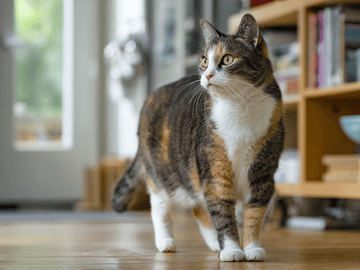
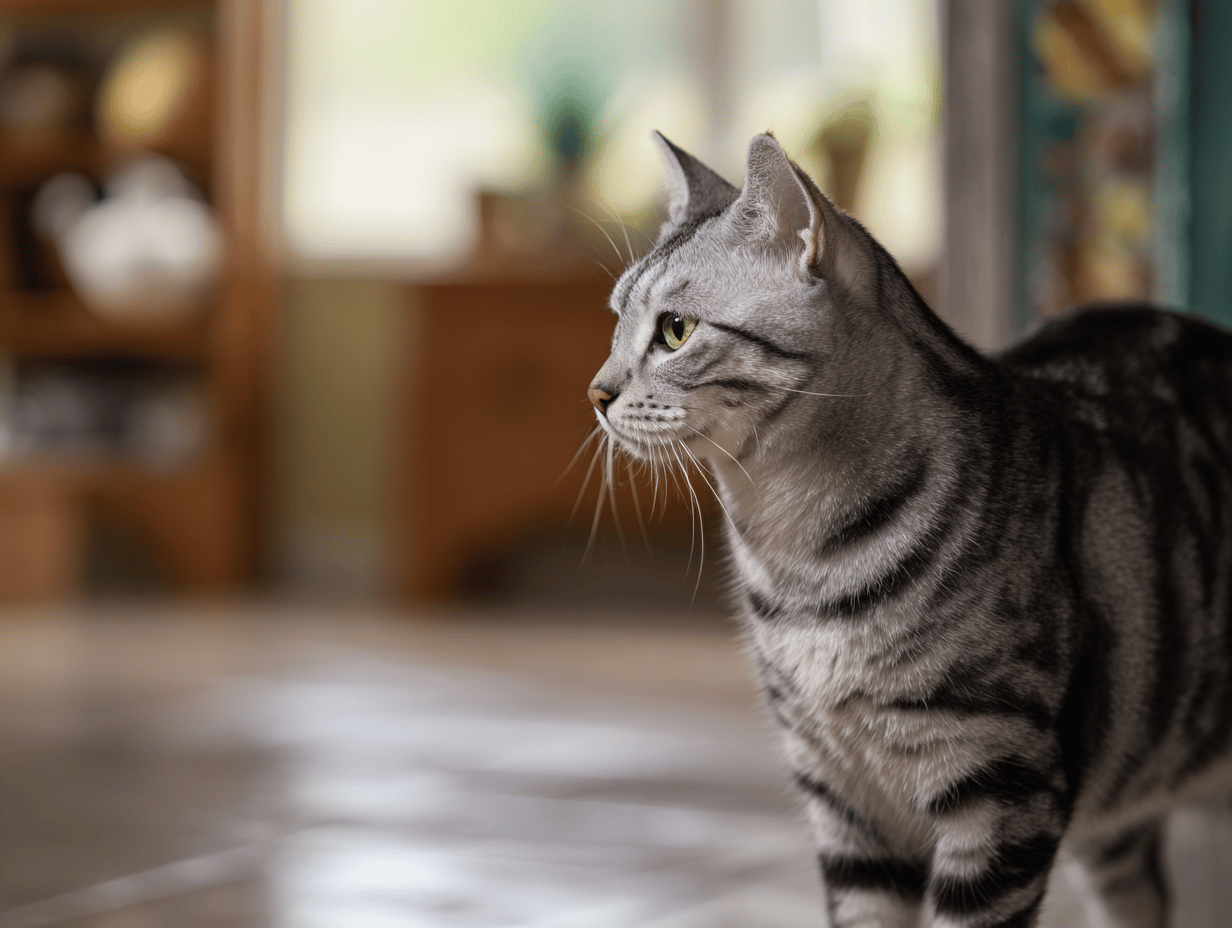
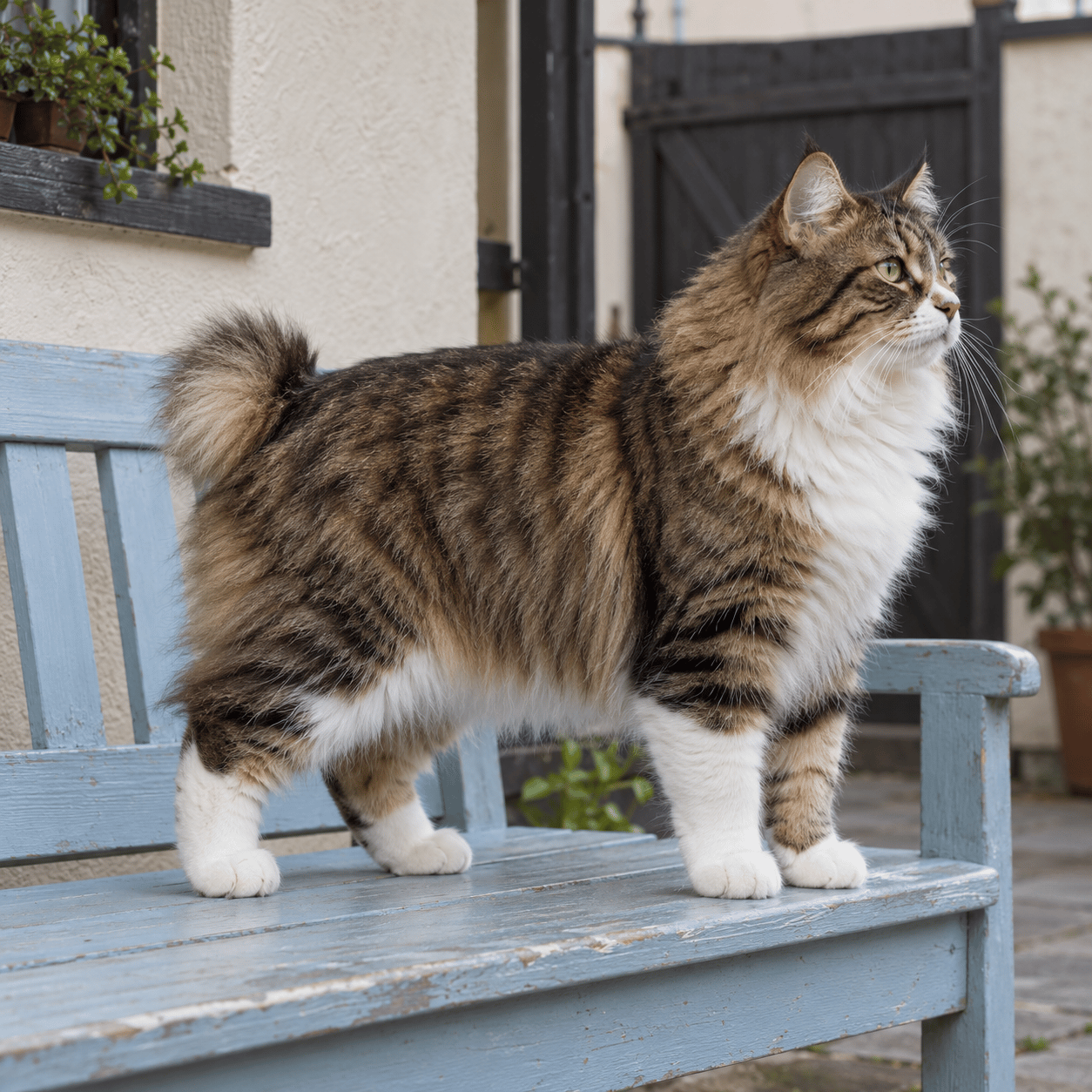
The American Wirehair is a medium sized cat with a strong, well balanced body. They are neither heavyset nor extremely slender. Instead, their build feels solid and athletic when you pick them up, with a weight that often surprises people who expect them to be lighter. Adult males usually appear a bit larger and more muscular than females, but both sexes share the same overall proportions. The head has a gently rounded shape, with full cheeks, a firm chin, and a slightly curved profile. Their eyes are large, bright, and expressive, set well apart and slightly rounded rather than almond shaped, which gives them a warm, open expression. Ear size is moderate, with rounded tips that match the softness of the head.
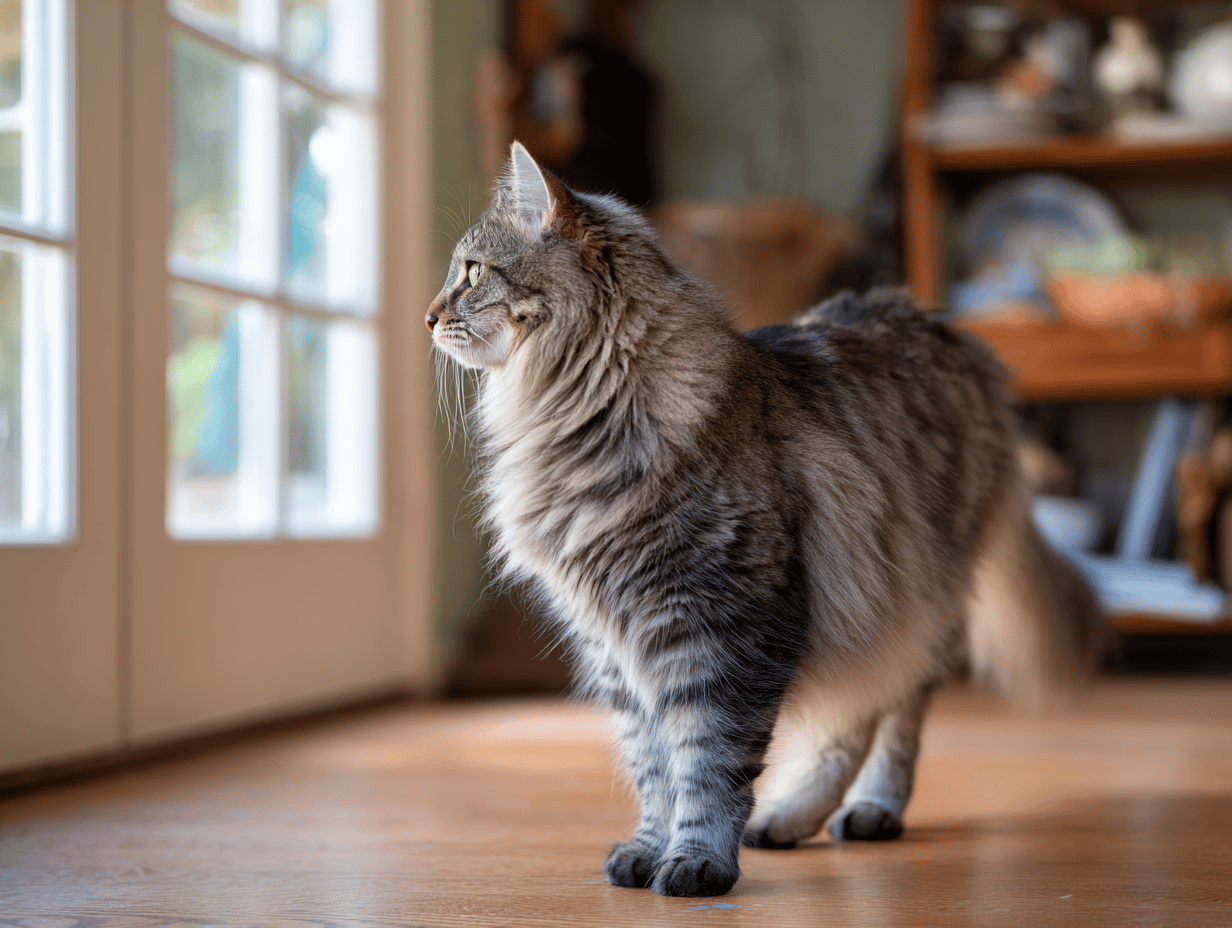
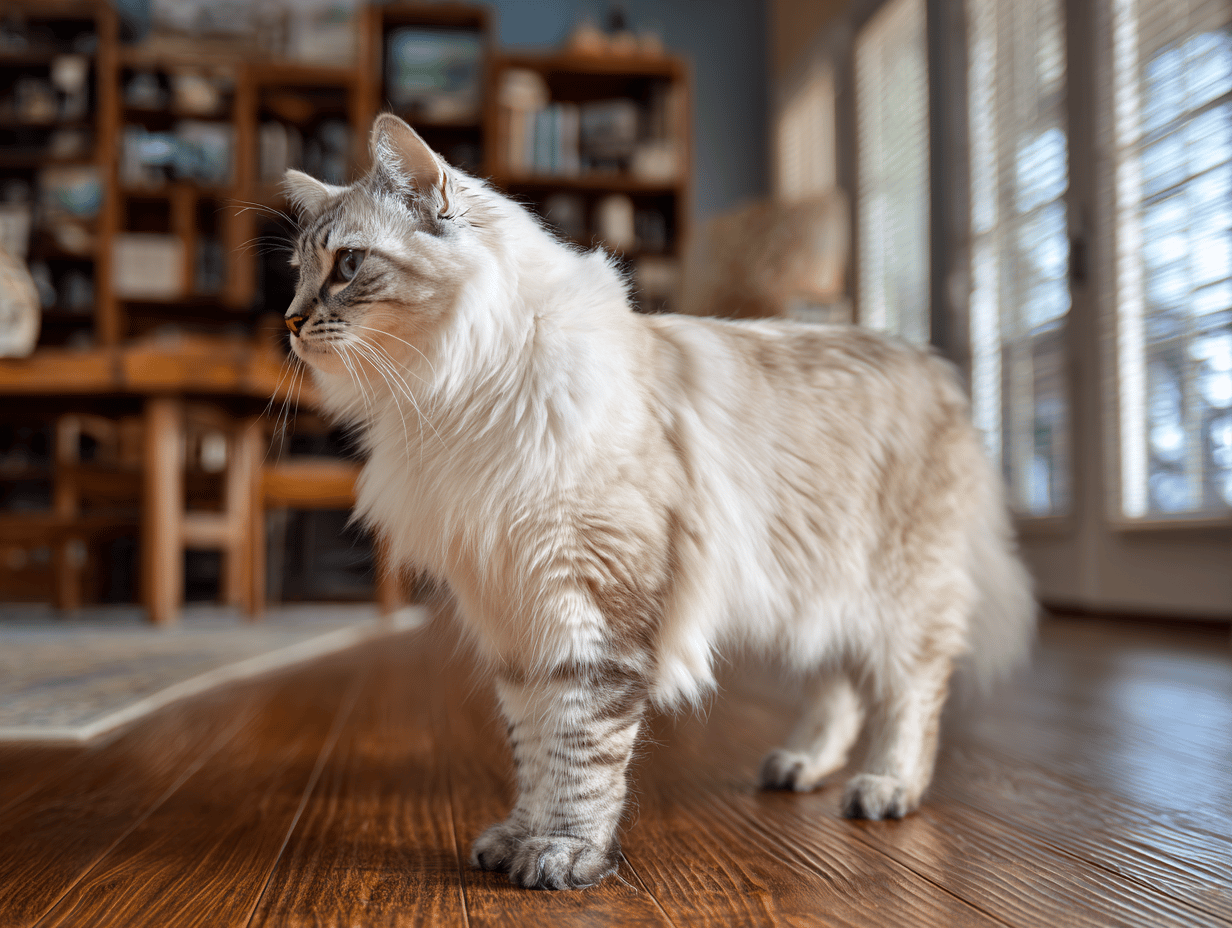
What truly sets the American Wirehair apart is the coat. Every hair on the body is affected, including the whiskers. The coat feels springy, resilient, and slightly coarse to the touch, almost like fine steel wool, although it should never be harsh or uncomfortable. The hairs are crimped, bent, or hooked, and they tend to stand slightly away from the body instead of lying completely flat. This gives the cat a plush, textured appearance. Some American Wirehairs have tighter curls and heavier coats, while others have a softer, looser texture. Kittens often change coat texture as they mature, so a breeder will usually have a good idea of what to expect in adulthood.
American Wirehairs come in almost every color and pattern. You might see classic tabbies with rich swirls along the sides, spotted or mackerel tabbies, solid colors, bi colors, and various combinations with white. The wirehair trait can make patterns look more diffuse or broken, which adds even more individuality to each cat. Eye color typically corresponds to coat color, and what matters most is that the eyes are clear and vivid.
Coat care for the American Wirehair is a little different to most breeds. The textured hairs can be damaged if brushed too hard or too often. Overgrooming can also soften the coat and reduce the desirable springiness. In many cases, a weekly gentle grooming session is enough. For some cats, even less frequent brushing is better. You can use:
- A soft bristle brush or rubber grooming glove
- Gentle hand grooming, simply running your fingers through the coat to remove loose hairs
Avoid metal combs or stiff slicker brushes, as they can stretch or break the delicate crimped hairs. Bathing is rarely necessary unless the cat gets into something particularly dirty, since overbathing can dry the skin and alter the coat texture. Regular nail trims, ear checks, and dental care should be included in their grooming routine.
Because the coat is dense, make sure the cat is free from tangles in areas where friction occurs, such as behind the ears or under the legs. While matting is less common than in longhaired breeds, some individuals with heavier coats can develop small knots if grooming is neglected. Overall, the American Wirehair is a distinctive, eye catching cat whose unique coat invites a gentle touch and thoughtful care.
¶Temperament & Personality
The American Wirehair is known for its even tempered, friendly nature that tends to fit easily into many types of households. These cats are usually affectionate without being demanding. They often enjoy being near their people, resting on the sofa, following you from room to room, or curling up at the foot of the bed. However, they are not generally considered clingy. Many owners describe them as quietly devoted, with a calm presence that can be very soothing after a long day.
In daily life, the American Wirehair balances playfulness with a relaxed attitude. As kittens and young adults, they can be quite lively, chasing toys, exploring cupboards, and observing everything going on around them. With maturity, their energy usually softens into a more measured curiosity. They like to be involved in household routines, whether you are working at a desk, cooking, or watching television. They often choose a favorite person but still interact well with all family members.
With children, American Wirehairs tend to be patient and adaptable, especially if the children are taught how to treat the cat kindly. Their sturdy build and calm temperament can make them a good companion for respectful kids who enjoy interactive play using wands, balls, or puzzle toys. It is still important to supervise young children, teach gentle handling, and provide the cat with quiet places to retreat to if the household becomes too noisy.
Many American Wirehairs also get along well with other cats and friendly dogs. Their social skills can vary from one individual to another, but as a breed they are often described as tolerant and able to integrate into multi pet homes. Slow, careful introductions help minimize stress. In a busy home with multiple animals, the American Wirehair will appreciate having some vertical territory such as cat trees or shelves to watch the activity from a safe height.
One of the appealing traits of the American Wirehair is that they are usually not overly vocal. They can communicate with soft chirps or gentle meows, but they are rarely loud or talkative compared to some other breeds. Their communication is often subtle: a steady gaze, a quiet following step, or a soft paw on your arm when they want attention.
Despite their generally easy temperament, there can be challenges. Some American Wirehairs may become bored if left alone without stimulation, which can lead to mischief such as knocking objects off tables or exploring forbidden areas. Others may be slightly reserved with strangers and need time to warm up. It is also possible for any breed to develop behavioral issues if their needs for social contact, play, and rest are not balanced. Providing structured play sessions, predictable routines, and gentle handling usually brings out the best in this breed. Overall, the American Wirehair is often a delightful companion for those who want a cat that is friendly, unpretentious, and emotionally steady.
¶Training & Exercise
The American Wirehair is typically intelligent and reasonably eager to engage with people, which provides a good foundation for training. While they might not have the intense work oriented focus of some highly active breeds, many American Wirehairs are quite capable of learning basic cues and enjoying interactive games.
In terms of exercise, the breed usually has a moderate activity level. They enjoy bursts of play, then happily settle in for a nap. A good routine often includes two or three dedicated play sessions each day, especially for indoor cats. Each session can last about 10 to 15 minutes and might involve:
- Wand toys that mimic birds or small animals
- Rolling balls or track toys to chase
- Soft toys that can be carried or pounced on
Because of their curious nature, American Wirehairs often respond well to puzzle feeders and treat dispensing toys. These not only provide physical activity but also engage their brains. Hiding small treats around the home for them to “hunt” can be a fun enrichment activity as well.
When it comes to training, positive reinforcement is the key. Use small, tasty treats, gentle praise, and consistency. Many owners successfully teach their American Wirehair to:
- Come when called
- Sit or stay on a particular mat
- Use a scratching post instead of furniture
- Walk on a harness indoors or in a safe garden
Harness training can be especially rewarding for cats that show interest in the outdoors. Start slowly, letting the cat get used to the harness indoors before attaching a lead. Keep sessions short and positive, and never force the cat outside if it appears frightened. Some American Wirehairs will enjoy short supervised garden walks, while others will prefer to remain strictly indoors with a good view from a window perch.
Litter training is usually straightforward with this breed, especially if the breeder has already introduced a litter tray. Provide a clean, quiet location and a box that is large enough for comfortable turning and digging. Most American Wirehairs develop good habits quickly, though older rescues or cats adjusting to a new home may need a little patience and encouragement.
A potential challenge with training and exercise is maintaining interest. Some American Wirehairs can be independent minded and may decide that they are finished with a session before you are. Rotating toys, introducing new games, and avoiding overlong training periods helps keep things engaging. It is better to have several short, fun sessions each day than to try for a single long, intense one.
Indoor American Wirehairs benefit greatly from vertical spaces such as cat trees, shelving, or window ledges. Climbing and jumping are natural behaviors that help keep their muscles strong and their minds alert. Scratching posts and boards are also important. Experiment with different materials such as sisal, cardboard, or wood to find what your cat prefers. Placing posts near favorite resting spots or in areas where the cat already tries to scratch will encourage good habits.
Overall, the American Wirehair’s balanced temperament and moderate energy make training and exercise quite manageable for most households. With patience, creativity, and kindness, you can build a rich daily routine that keeps your cat both physically fit and mentally content.
¶Health
The American Wirehair is generally considered a sturdy and healthy breed, especially when bred responsibly from well screened lines. Like all cats, however, they can be prone to certain health concerns that owners and breeders should keep in mind.
As a breed derived from domestic cats, the American Wirehair does not have a long list of severe breed specific diseases. However, conditions that appear in many cat populations can also affect them. These include issues such as:
- Hypertrophic cardiomyopathy, a form of heart disease seen in many breeds
- Dental disease, especially in cats that do not receive regular oral care
- Obesity, which can lead to diabetes, joint problems, and reduced quality of life
Responsible breeders often screen their breeding cats for cardiac issues using echocardiography where available. This helps to reduce the risk of inherited heart disease in kittens. Regular veterinary checkups are essential for monitoring heart function, especially if you notice signs such as rapid breathing at rest, lethargy, or reduced exercise tolerance.
The unique wirehair coat does not usually cause major health problems, but it does deserve attention. Some individuals may have slightly more sensitive skin, which can become dry or irritated if the coat is overbrushed or washed too frequently. In rare cases, the dense coat may trap debris close to the skin, making minor skin infections more likely if grooming is severely neglected. Regular but gentle grooming, plus observation of the skin, helps prevent these issues.
Obesity is one of the most common health problems seen in pet American Wirehairs, particularly those who live strictly indoors. Their calm and easygoing nature can make it tempting to overindulge them with treats or free feeding. Monitoring body condition, controlling portion sizes, and maintaining daily play sessions are vital. A healthy adult American Wirehair should have a visible waist when viewed from above and a slight tummy tuck when viewed from the side.
Routine veterinary care should include:
- Annual health checks, or more frequent visits for seniors
- Vaccinations based on your cat’s lifestyle and regional risks
- Regular parasite prevention, especially for cats with outdoor access
- Dental checks and professional cleaning when needed
Spaying or neutering is recommended for companion animals, unless you are working closely with an experienced breeder and veterinarian on a responsible breeding program. Sterilized cats generally have fewer reproductive health issues and are often calmer and easier to manage.
The typical lifespan of an American Wirehair is often around 12 to 16 years, with some individuals living even longer with good care. As they age, you may see the same age related changes that affect most cats, such as reduced mobility, early kidney disease, or arthritis. Regular blood work and senior wellness checks can catch many of these problems early, giving you and your vet the chance to manage them effectively.
If you are buying a kitten, it is wise to ask the breeder about:
- Health testing performed on the parents
- Any history of heart or kidney disease in the lines
- Vaccination and deworming records
- Written health guarantees and contracts
By combining good breeding practices with informed, attentive ownership, many American Wirehairs enjoy long, comfortable, and active lives.
¶History & Origins
The American Wirehair is a relatively young breed with a genuinely unusual origin story. Unlike many breeds that were carefully shaped over centuries with planned pairings, the American Wirehair began with a single spontaneous mutation in the mid twentieth century in the United States.
The first known American Wirehair kitten was born in a litter of otherwise normal coated domestic shorthairs on a farm in upstate New York in the 1960s. This kitten had a strikingly different coat, with tightly crimped hairs and curly whiskers that immediately caught the breeder’s attention. Instead of being a result of crossbreeding with another curly coated breed, genetic work and breeding experience suggested that this wire coat was a new, dominant mutation all on its own.
Breeders who recognized the potential of this unique coat began working with the original wirehaired cats, pairing them with carefully selected American Shorthairs and other suitable domestic lines to strengthen the breed and widen its genetic base. The goal was to build a healthy, moderate cat with the solid body, good temperament, and easygoing nature of typical American domestic cats, while preserving the special textured coat.
Over time, the American Wirehair gained recognition from cat registries and began to appear in shows. Although it achieved championship status in some associations, it has remained relatively uncommon compared to many other breeds. Part of this is due to the limited number of foundation cats and the slow, careful breeding practices needed to maintain health and type. Today, the breed is recognized in several major cat fancy organizations, but in many countries it is still considered rare and may be difficult to find.
In modern times, the American Wirehair is kept almost exclusively as a companion and show cat. Its original roots as a farm cat are still reflected in its sturdy body and practical nature, but most American Wirehairs now live as cherished indoor pets. On the show bench, judges look for the combination of a balanced, medium build, a pleasant expression, and the all important resilient, crimped coat.
Because the breed is relatively young, its history is quite well documented among enthusiasts and breeders. Many lines can be traced directly back to the early foundation cats from New York. Breeders who work with American Wirehairs today often feel a sense of stewardship toward a rare and distinctive part of the domestic cat world. Their focus is usually on maintaining sound health, a stable temperament, and the characteristic coat, rather than dramatically changing the breed’s overall look.
For pet owners, this history means that when you bring an American Wirehair into your home, you are living with a cat that represents a unique twist in feline genetics. It is a reminder of how a single, unexpected kitten on a farm could, with care and dedication, become a recognized breed that people across the world now appreciate for its individuality and charm.
¶Living with the Breed
Sharing your home with an American Wirehair is usually a comfortable and rewarding experience, provided you understand the level of commitment involved. This breed suits many lifestyles, from single owners in apartments to larger families in houses, as long as they receive regular interaction and basic enrichment.
Daily life with an American Wirehair typically feels calm but quietly playful. You can expect your cat to greet you at the door, follow you to different rooms, and choose spots where it can watch you work or relax. They often enjoy being close without necessarily needing to be held all the time. Some individuals are lap cats, while others prefer to lie just beside you. Respecting their personal boundaries and letting them come to you builds a trusting relationship.
For new owners, it is helpful to prepare your home before the cat arrives. Useful equipment includes:
- At least one large, sturdy scratching post or board
- A comfortable bed or two in quiet areas
- Food and water bowls placed away from litter trays
- A spacious litter box, ideally one per cat plus one extra if you have multiple cats
- Interactive toys, such as wands, balls, and puzzle feeders
- A medium to tall cat tree or shelves for climbing and perching
Because the American Wirehair is usually not a hyperactive breed, it adapts well to indoor living. However, indoor life should still be stimulating. Window perches that overlook gardens, streets, or bird feeders can provide hours of entertainment. Rotating toys and occasionally introducing new ones prevents boredom. Some owners also set up safe, enclosed outdoor spaces such as catios, which allow the cat to enjoy fresh air without the risks of free roaming.
Financially, living with an American Wirehair is similar to caring for any well kept pedigree or mixed breed cat. Annual costs can include:
- Quality food, often the largest recurring expense
- Routine veterinary visits and vaccinations
- Parasite prevention if appropriate for your area
- Pet insurance, which can greatly help with unexpected veterinary bills
- Replacement toys, scratching posts, and other supplies over time
In many regions, you might expect a moderate yearly cost for basic care, increasing if your cat develops a chronic health condition or needs specialized treatment. Investing in good nutrition, preventive health care, and insurance where available often saves money and worry in the long run.
The emotional commitment is just as important. American Wirehairs can form close bonds with their people and may feel lonely if left alone for very long periods every day without stimulation. If you work long hours, consider:
- Providing interactive toys that can be safely used when you are out
- Leaving a radio or television on at low volume for background sound
- Having a second compatible cat, if your lifestyle and home allow, to provide companionship
At the same time, the breed’s adaptable nature means many individuals cope quite well as long as their basic social needs are met when you are home. Evening play sessions, gentle grooming, and quiet cuddling time go a long way.
For breeders, living with American Wirehairs involves additional responsibilities such as careful selection of breeding pairs, health testing, and providing excellent socialization for kittens. Breeders often keep detailed records and work closely with veterinarians to maintain the health and type of the breed. For pet owners purchasing from a breeder, staying in touch, asking questions, and following their guidance on feeding and care helps support the cat’s long term well being.
Overall, an American Wirehair fits best with people who appreciate a cat that is unique but not demanding, affectionate but not clingy, playful but not exhausting. If you are willing to provide a stable home, thoughtful enrichment, gentle grooming, and consistent veterinary care, this rare and distinctive breed can become a deeply rewarding companion for many years.
¶Ominaisuudet
¶Usein kysytyt kysymykset
Miten amerikan karkeakarvan turkki eroaa muiden kissarotujen turkista?
Tällä rodulla on luonnostaan esiintyvä geenimutaatio, joka tekee turkista kimmoisan ja karkeakarvaisen. Karvat ovat taipuneita tai kiharaisia, myös viiksikarvat. Turkki tuntuu usein kimmoisalta tai karhealta, ja sen laatu vaihtelee yksilöittäin hieman laineikkaasta hyvin tiheään ja karkeaan. Tällainen turkki on ainutlaatuinen rotukissojen joukossa.
Kuinka paljon turkinhoitoa amerikan karkeakarva tarvitsee, ja onko sen turkin hoitoon erityisiä vinkkejä?
Ne tarvitsevat yleensä vähemmän turkinhoitoa kuin monet muut rodut, sillä tiheä harjaaminen voi vahingoittaa herkkiä, koukkumaisia karvoja. Hellävarainen turkin sukiminen käsin tai pehmeällä kumisella hoitokintaalla kerran viikossa usein riittää. Kovakouraisia harjoja ja kampoja kannattaa välttää, sillä ne voivat katkoa karvoja.
Tulevatko amerikankarkeakarvat hyvin toimeen lasten ja muiden lemmikkien kanssa?
Ne ovat yleensä rauhallisia, kärsivällisiä ja ihmisläheisiä, joten ne voivat sopia hyvin perheisiin, joissa lapset osaavat kohdella eläimiä kunnioittavasti ja muut lemmikit ovat ystävällisiä. Useimmat nauttivat yhteisistä leikeistä, mutta eivät yleensä ole ylivilkkaita. Siksi ne sopivat hyvin koteihin, joissa toivotaan seurallista mutta rentoa kumppania.
Millainen luonne amerikan karkeakarvaisella kissalla yleensä on?
Niitä kuvataan yleensä tasaluonteisiksi, kohtuullisen aktiivisiksi ja hillityn hellyydenkipeiksi. Monet seuraavat mielellään omistajaansa huoneesta toiseen, leikkivät lyhyissä jaksoissa ja asettuvat sitten lähistölle lepäämään olematta turhan äänekkäitä tai vaativia.
Onko amerikankarkeakarvaisilla kissoilla yleisiä terveysongelmia, joista minun pitäisi tietää?
Rotua pidetään yleisesti melko terveenä, mutta koska se on kehittynyt amerikanlyhytkarvasta ja on sille läheistä sukua, sillä voi olla samankaltaista alttiutta hypertrofiseen kardiomyopatiaan ja lihavuuteen. Vastuulliset kasvattajat yleensä tutkituttavat jalostuskissansa, ja uusien omistajien tulisi seurata kissan painoa, sydämen terveyttä ja hampaiden kuntoa säännöllisillä eläinlääkärikäynneillä.
Ovatko amerikan karkeakarvakissat hypoallergeenisia karkean turkkinsa ansiosta?
Ne eivät ole hypoallergeenisia, sillä kissa-allergiaa aiheuttavat pääasiassa ihon ja syljen proteiinit, eivät karvan ominaisuudet. Joidenkin mielestä niistä lähtee hieman keskimääräistä vähemmän karvaa, mutta allergiset voivat silti saada oireita. Siksi allergisen kannattaa viettää aikaa rodun kissojen kanssa ennen kissan hankintaa.
Kuinka aktiivisia amerikan karkeakarvaiset kissat ovat ja millaisista leikeistä ne pitävät?
Ne ovat kohtalaisen aktiivisia kissoja, jotka nauttivat yhteisistä leikkihetkistä, lyhyistä takaa-ajoleikeistä ja kevyestä kiipeilystä jatkuvan vauhdikkaan leikin sijaan. Aktivointiruokintalelut, höyhenlelut ja tähystyspaikat tai kiipeilypuut riittävät yleensä täyttämään sisäkissan liikunnantarpeen.
Sopiiko amerikan karkeakarvainen täysin sisäkissaksi?
Ne sopeutuvat erittäin hyvin sisäkissoiksi ja viihtyvät usein kerrostaloasunnoissa tai rauhallisissa kodeissa, kunhan ne saavat päivittäin seuraa ja virikkeitä. Kiipeilypaikat, raapimapuut ja säännölliset leikkihetket ovat tärkeämpiä kuin suuri lattiapinta-ala.
Miten amerikankarvakarva sai alkunsa ja missä se on nykyään yleisin?
Rotu sai alkunsa 1960-luvulla New Yorkin osavaltiossa maatilalla syntyneestä kissanpennusta, jonka spontaani geenimutaatio sai aikaan rodulle ominaisen karkean, rautalankamaisen turkin. Risteyttämällä näitä kissoja valikoidusti amerikkalaisten lyhytkarvojen kanssa kehitettiin tunnustettu rotu. Se on kuitenkin edelleen melko harvinainen, ja sitä tavataan useammin Pohjois-Amerikassa kuin muualla.
Mitä amerikanlankakarvalle kannattaa syöttää, ja onko sillä taipumusta lihoa?
Monien muiden vankkarakenteisten kissojen tavoin ne voivat lihoa, jos ruokaa on jatkuvasti tarjolla tai ne liikkuvat liian vähän. Siksi niille suositellaan laadukasta, ikään sopivaa ravintoa mitattuina annoksina. Kuntoluokan seuraaminen ja runsaskaloristen herkkujen rajoittaminen auttavat ehkäisemään lihavuuteen liittyviä ongelmia läpi elämän.
¶Vertailu muihin rotuihin
Vertaa rotua American Wirehair muihin rotuihin ja katso erot luonteessa, aktiivisuudessa ja hoidossa ennen kuin teet valintasi. Näytä kaikki vertailut