
¶Sisällysluettelo
¶Quick Facts
- Striking contrast of bright white paws and inverted white facial “V” on a short, sleek coat
- Affectionate, people focused cats that often follow their humans from room to room
- Highly intelligent and talkative, with softer voices than many other vocal breeds
- Athletic jumpers that enjoy climbing, puzzle toys, and interactive play sessions
- Rare and still developing as a breed, so responsible, health focused breeders are especially important
¶Appearance & Coat
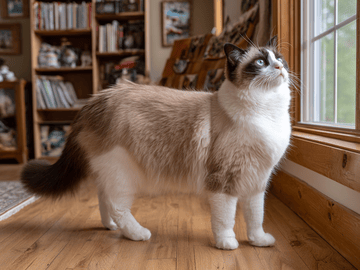
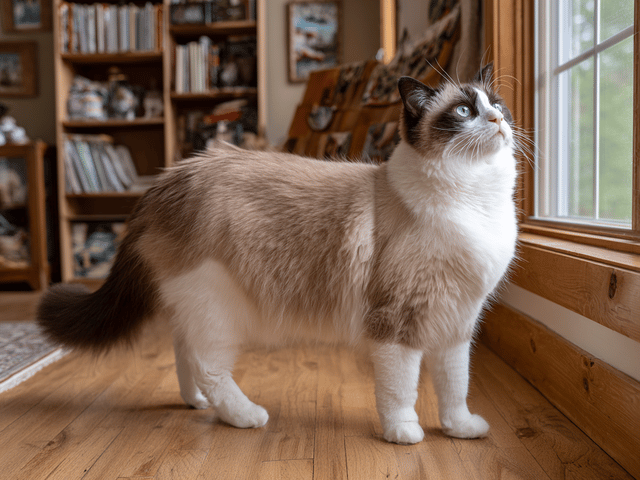
The Snowshoe is a medium sized cat with a balanced, athletic build. At first glance many people see a resemblance to the Siamese, but the Snowshoe has a more moderate look. The head is usually a broad, slightly rounded wedge with gentle contours rather than sharp angles. The ears are medium to large, set to continue the wedge shape, and often have slightly rounded tips that soften the expression. Their large, clear blue eyes are one of their most captivating features. The eye shape is typically oval to walnut shaped, giving a thoughtful, open expression that many owners describe as almost human.
The body of the Snowshoe is muscular without being bulky. Think of a small gymnast rather than a bodybuilder. Adults generally feel surprisingly solid when lifted. The chest is well developed, and the legs are medium in length, with the hind legs often just a touch longer than the front. This natural structure helps them jump and climb with ease. Their paws are oval and compact, with the famous “snowshoes” of white that give the breed its name. The tail is medium in length, tapering slightly and in good proportion to the body.
The coat of the Snowshoe is short, smooth and close lying, with a texture many people describe as satiny. It is single to semi double in some lines, but even where there is a bit more undercoat it still feels sleek rather than fluffy. The breed is pointed in pattern, similar to Siamese, which means the ears, tail, face mask and legs have darker color compared to the body. Accepted colors commonly include seal, blue, chocolate and lilac points, often in patterns such as bicolor or mitted. The ideal Snowshoe has:
- White paws on all four feet
- Some degree of white on the tummy and chest
- A white inverted “V” marking on the face
Because these markings are controlled by complex genetics, no two Snowshoes ever look exactly alike. Even within a single litter you may see kittens with very different white patterns.
In terms of coat care, Snowshoes are refreshingly low maintenance. Their short coat does not mat easily and usually only needs a quick weekly comb or brushing to remove loose hair and skin oils. A rubber grooming mitt or a fine stainless steel comb works well. Many Snowshoes enjoy the extra attention and will lean into the grooming session. During seasonal shedding periods, a bit more frequent combing helps keep fur off your furniture and supports healthy skin. Regular nail trimming, ear checks, and gentle tooth brushing round out the basic grooming routine. Because the coat is not long or heavy, Snowshoes tend to manage heat fairly well, but they should always have cool resting spots in very warm climates and cozy places to snuggle in cooler homes. Their coat is not hypoallergenic, so people with strong cat allergies may still react to a Snowshoe just as they would to other shorthair breeds.
¶Temperament & Personality
Living with a Snowshoe feels a lot like living with a bright, attentive companion who always wants to be part of whatever is happening. This is a very people oriented breed that thrives on interaction. Many Snowshoe cats choose a favorite person but still show affection to everyone in the family. They are known to follow their humans from room to room, sit on laptops, and supervise household tasks with great interest. If you like a cat that is present but not overwhelming, a well socialized Snowshoe can be a perfect match.
Their Siamese ancestry shows in their intelligence and communication skills, but Snowshoes often have slightly softer voices and a calmer overall demeanor. They will “talk” to you about their day, ask for attention, or remind you that it is dinner time, but the sounds tend to be chirps, trills, and gentle meows rather than constant loud yowling. Many owners find this combination of vocal nature and moderate volume very appealing.
Snowshoes are generally affectionate and enjoy physical closeness. They often like laps, shoulder rides, or sleeping pressed against their person at night. Some will even greet family members at the door and may show clear signs of missing their humans if left alone too long. If you are away from home all day, a second friendly cat or a cat friendly dog can provide valuable company, as long as introductions are done slowly and thoughtfully.
With children, Snowshoes tend to be playful and tolerant, provided the kids are taught to handle them gently and respectfully. Their social nature means they often enjoy games such as fetch, wand toy chases, or simply “helping” with homework. Because they are sensitive and bonded to their people, they may not react well to rough handling or shouting. Families who encourage quiet, kind interaction usually find the Snowshoe becomes a true companion for older children.
With other pets, Snowshoes normally do quite well. Their inquisitive, confident personality means they are often open to making friends with other cats and with dogs that understand feline boundaries. Early socialization and slow introductions are key. A resident Snowshoe may initially protest an intruder, but many adjust and later enjoy wrestling, chasing, or cuddling with their new companion.
Common temperament challenges include:
- Attention seeking behavior if they feel ignored, which can show up as vocalizing, knocking things off tables, or climbing where they should not
- Potential for separation stress in very people focused individuals
- Boredom related mischief if they lack mental stimulation
These challenges are rarely severe when owners meet the breed’s need for play, interaction, and variety. For people who want an independent, aloof cat, a Snowshoe may not be the right choice. For those who enjoy an affectionate, smart cat that truly becomes part of the family, this breed can be deeply rewarding.
¶Training & Exercise
Snowshoe cats are bright, curious and often surprisingly easy to train compared to many other breeds. Their intelligence and social nature make them highly responsive to positive reinforcement. They quickly learn household routines and are usually very reliable with litter box habits, as long as their environment is clean and stable.
Because they are more dog like in some of their behavior, Snowshoes frequently enjoy learning tricks and commands. Clicker training works extremely well for this breed. Using a small clicker and tiny food rewards, you can teach:
- Sit, high five, or spin
- Come when called
- Go to a mat or perch on cue
- Fetch small toys or balls
Start with very short, fun sessions of just a few minutes and keep the mood light. Snowshoes respond best to praise, treats, and play, not to scolding. Their sensitive nature means harsh corrections can make them anxious or less willing to engage. If you find your cat walking away or losing interest, that is usually a sign that the session went on too long or the reward was not exciting enough.
Exercise needs for the Snowshoe are moderate to high. They are not hyperactive, but they do have plenty of energy and athletic ability. In daily life they enjoy opportunities to run, jump, chase, and climb. A typical Snowshoe will often:
- Race up a cat tree to survey the room
- Dash after a feather wand toy
- Chase a ball down the hallway and carry it back
- Explore high shelves or window perches
Interactive play with their human is especially valuable for this breed. Two or three sessions of 10 to 15 minutes each day can make a big difference in their physical and mental wellbeing. Wand toys, fishing pole toys, and laser pointers (used carefully and followed by a real toy they can “catch”) are all popular choices. Puzzle feeders and treat dispensing toys are also excellent for Snowshoes, because they combine problem solving with the reward of food.
Many Snowshoe cats are also good candidates for harness and leash training. Introduced slowly and positively, a harness can allow safe outdoor walks in quiet areas or time on a secure balcony. Always ensure that harnesses fit well and that outdoor time is fully supervised, because this curious breed may try to investigate risky places or chase birds and insects.
Without enough exercise and stimulation, Snowshoes can become bored and may look for their own entertainment, which might include climbing curtains, chewing on inappropriate items, or waking their humans too early in the morning. Regular play, variety in toys, and the presence of climbing structures or shelves help channel their energy in healthy ways. When their minds and bodies are kept engaged, Snowshoes are content, relaxed companions who happily settle down for long cuddle sessions after playtime.
¶Health
The Snowshoe is generally considered a healthy and robust breed, but like all purebred cats, they can be predisposed to certain conditions. Because the breed developed from Siamese and American Shorthair lines, some of the health concerns overlap with those breeds. Responsible breeders work hard to reduce the risk of hereditary problems through health testing and careful selection of breeding cats.
Potential health issues to be aware of include:
- Hypertrophic cardiomyopathy, often shortened to HCM. This is a form of heart disease that can affect many cat breeds. In HCM, the heart muscle thickens, which can eventually lead to heart failure or blood clots. Many conscientious breeders have their breeding cats screened by a veterinary cardiologist using ultrasound.
- Dental disease. Like many cats, Snowshoes can develop tartar, gingivitis, and periodontal disease if their teeth are not monitored. Regular dental checks with your vet and at home tooth brushing can greatly reduce risk.
- Obesity. Snowshoes love food and can be persuasive beggars. Because they are naturally muscular and strong, extra weight can sometimes creep on without being obvious at first. Obesity increases the risk of diabetes, joint problems, and other health issues.
- Respiratory or eye issues are not typically severe in Snowshoes, because their head shape is moderate, not extreme. However, as with many blue eyed pointed breeds, some individuals may have slightly more sensitivity to bright light and should always have access to shaded resting spots.
Recommended health protocols for Snowshoes from responsible breeders usually include:
- HCM screening of breeding adults at intervals suggested by a specialist
- Regular veterinary health checks for kittens and adults
- Core vaccinations and parasite prevention based on local veterinary advice
- Early spay or neuter of pet kittens, unless there is a specific agreement with the breeder for breeding or showing
The typical lifespan of a well cared for Snowshoe is often in the 14 to 18 year range, with some individuals living longer. Long life is helped by a combination of good genetics, high quality nutrition, weight control, and prompt veterinary care when any issue appears. Signs that should trigger a vet visit include changes in appetite, drinking much more or less than usual, coughing, difficulty breathing, sudden loss of energy, or changes in behavior such as hiding more than usual.
From a daily care perspective, Snowshoes benefit from:
- A balanced, high quality diet appropriate for their age and activity level
- Portion control and regular weight checks, ideally using a digital scale at home
- Occasional home health checks, such as gently feeling along their body for lumps, checking eyes and ears, and monitoring breath odor
Pet insurance or a dedicated savings fund is worth considering for this breed just as it is for any companion animal. Because many health problems can appear suddenly, having financial support ready helps owners make the best decisions for their Snowshoe’s care. Overall, with thoughtful breeding and consistent care, Snowshoes are sturdy, long lived cats that reward their families with many healthy, affectionate years.
¶History & Origins
The Snowshoe breed has a relatively recent and quite charming history. It began in the United States during the 1960s, when a Siamese breeder named Dorothy Hinds Daugherty noticed that some of her Siamese kittens were born with white feet and unusual white facial markings. At the time, such markings were not desirable for traditional Siamese breeding, but Dorothy was intrigued by their striking appearance. Rather than dismiss these kittens, she saw potential for a new type of cat that combined the elegance of the Siamese with a unique pattern.
To stabilize the look, early breeders crossed these white footed Siamese with bicolored American Shorthairs. The goal was to create a cat with the colorpoint features and blue eyes of the Siamese, softened by a sturdier body type and the distinct patchwork of white on the paws, chest, and face. The name “Snowshoe” came quite naturally from their white paws, which looked as if the cats were wearing little snow boots.
Developing the Snowshoe was not easy. The white pattern is influenced by complex and somewhat unpredictable genetics, which means producing kittens with ideal markings can be challenging. Even today, litters may include kittens whose white markings do not fully match show standards, although they still make wonderful pets. Early breeders also faced limited numbers and a lack of recognition from major cat associations, which slowed progress.
Over time, however, dedicated enthusiasts continued the work, carefully breeding for both appearance and temperament. Various registries gradually granted recognition. Today Snowshoes are accepted by several major cat associations and can compete in championship classes in some organizations. Despite this, the breed remains relatively rare compared to more established breeds, which is one reason that finding a reputable breeder may require patience and travel.
Modern Snowshoes are primarily kept as indoor family companions and show cats. Their intelligence and social nature make them a joy in the home, and their striking looks attract attention at shows. While they are not commonly used for specific working roles, some Snowshoes have become therapy cats or social media personalities due to their expressive faces and affectionate behavior. The breed continues to evolve as breeders refine type and work to protect overall health.
In many ways, the history of the Snowshoe reflects the power of observation and appreciation for natural variation. What began as “unusual” markings in a Siamese litter became the foundation for a distinct and beloved breed. Today, choosing a Snowshoe connects you with that relatively young but fascinating history and with a community of breeders and owners who are passionate about these charming, white footed cats.
¶Living with the Breed
Sharing your home with a Snowshoe means welcoming a close companion rather than a distant, decorative pet. These cats like to be where the action is. They will watch television with you, investigate your grocery bags, and try to sit between you and your laptop. If you enjoy constant feline company and conversation, you will likely find living with a Snowshoe very rewarding.
New owners should be ready to invest in time and interaction as well as money. This is not a cat that will be content to be ignored for most of the day. Daily play sessions, gentle training, and simple companionship, such as talking to your cat while you cook or work, all help keep a Snowshoe happy. If your lifestyle involves long absences, consider:
- Adopting a second compatible cat
- Hiring a pet sitter for mid day visits
- Setting up a rich environment with climbing trees, shelves, toys, and views
On a practical level, the financial commitment for a Snowshoe includes the usual costs of any purebred cat. Purchase price from a responsible breeder is often higher than for more common breeds, reflecting the rarity of the Snowshoe and the investment in health testing and careful breeding. After adoption, annual costs typically include:
- High quality food, both wet and possibly dry
- Routine veterinary care, vaccinations, and parasite prevention
- Occasional dental work if needed
- Pet insurance or savings for emergencies
- Replacement toys, scratching posts, and bedding
Exact amounts vary by country, but planning for the equivalent of several hundred in your local currency per year, not including emergencies, is wise.
Useful equipment for living comfortably with a Snowshoe includes:
- One or more tall, stable cat trees to satisfy their love of climbing
- Solid scratching posts or boards made of sisal, cardboard, or wood
- A variety of interactive toys, such as feather wands, balls, and puzzle feeders
- A wide, comfortable bed or several cozy resting spots
- At least one litter box per cat, plus one extra, in quiet but accessible locations
- A sturdy carrier, as Snowshoes will need safe transport to and from the veterinarian or cattery
Because they are intelligent and can be quite agile, basic home safety is also important. Secure windows and balconies, keep toxic plants and chemicals out of reach, and be mindful of open washing machines or dryers. Snowshoes tend to be curious and may investigate small spaces or newly opened cupboards.
From a household harmony perspective, Snowshoes usually adapt well to most environments as long as they are given affection and engagement. In quiet homes, they provide lively company. In busier family homes, they often join in the activity and form close bonds with multiple people. They do well as indoor only cats, which also helps protect them from traffic, predators, and infectious diseases. Providing window perches or a secure outdoor enclosure can give them safe access to fresh air and interesting sights.
Over the years, many Snowshoe owners describe their relationship with these cats as deep and almost dog like in the level of connection. Their expressive faces, interest in human activities, and willingness to learn can create a very special bond. For people who are willing to meet their social and mental needs, the Snowshoe offers not just a beautiful cat with white paws, but a devoted friend who will be at your side through everyday life.
¶Ominaisuudet
¶Usein kysytyt kysymykset
Ovatko snowshoe-kissat todella niin seurallisia kuin sanotaan, ja millainen niiden luonne yleensä on?
Ne ovat yleensä hyvin ihmisläheisiä, hellyydenkipeitä ja uteliaita. Monet käyttäytyvät lähes koiramaisesti: ne seuraavat omistajaansa huoneesta toiseen ja haluavat osallistua arjen puuhiin. Ne suhtautuvat vieraisiin yleensä lempeästi ja ystävällisesti, vaikka jotkut voivat olla aluksi hieman varautuneita. Useimmat nauttivat yhteisistä leikeistä ja säännöllisestä juttelusta omien ihmistensä kanssa.
Säilyvätkö snowshoe-kissojen valkoiset tassut ja naamiokuviointi aina niiden kasvaessa aikuisiksi?
Kissanpennut syntyvät usein lähes kokonaan valkoisina, ja niiden naamioväritys ja kuviot kehittyvät ensimmäisten kuukausien aikana. Tassujen valkoinen väri, kasvojen ylösalainen V-kuvio ja naamiovärityksen sävy voivat muuttua jonkin verran iän ja lämpötilan mukaan, joten kuviot saattavat ajan myötä erottua selvemmin tai haalistua. Kaikilla yksilöillä ei ole täysin symmetrisiä valkoisia sukkia, vaikka ne olisivat puhdasrotuisia. Värien välinen kontrasti voimistuu usein kissan varttuessa.
Kuinka äänekkäitä snowshoe-kissat ovat siamilaisiin verrattuna?
Ne ovat yleensä puheliaita, mutta niiden ääni ei ole yhtä voimakas ja läpitunkeva kuin perinteisillä siamilaiskissoilla. Monilla on pehmeämpi, sirkuttava tai melodinen naukaisu, jolla ne ilmaisevat tarpeitaan tai tervehtivät perheenjäseniä. Päivittäiset ”keskustelut” ovat tavallisia, mutta jatkuva mouruaminen on harvinaisempaa, jos kissa on tyytyväinen ja saa riittävästi virikkeitä. Yksilölliset erot ovat suuria, joten jotkut voivat olla hyvinkin puheliaita.
Tulevatko snowshoe-kissat hyvin toimeen lasten ja muiden lemmikkien kanssa?
Yleensä lempeän ja leikkisän luonteensa ansiosta ne voivat olla hyviä seuralaisia lapsille, jotka osaavat kohdella niitä kunnioittavasti. Ne tulevat usein hyvin toimeen muiden kissojen ja kissoihin tottuneiden koirien kanssa, etenkin jos tutustuminen tapahtuu vähitellen ja niillä on mahdollisuus vetäytyä omaan rauhaan. Sosiaalisina eläiminä ne yleensä arvostavat sitä, että toinen eläin tai ihminen on kotona suuren osan päivästä. Kovakourainen käsittely tai äänekäs hälinä voi stressata niitä, joten pienten lasten ja kissojen yhdessäoloa on tärkeää valvoa.
Mille terveysongelmille snowshoe-kissat ovat alttiita?
Niillä on joitakin samoja terveysriskejä kuin siamilaiselle sukua olevilla roduilla, kuten tietyt hammasongelmat, sydänsairaudet ja hieman suurempi riski sairastua joihinkin syöpiin. Risteytykset ovat laajentaneet niiden geenipohjaa, eikä rodulla tunneta mitään yksittäistä yleistä perinnöllistä sairautta. Monien muiden sinisilmäisten naamiokissojen tavoin niiden silmät ja kasvojen alue voivat olla tavallista herkempiä kirkkaalle auringonvalolle. Säännölliset eläinlääkärintarkastukset ja hampaiden hoito ovat tärkeitä ongelmien varhaisen havaitsemisen kannalta.
Kuinka paljon turkinhoitoa snowshoe-kissa tarvitsee, ja lähteekö siitä paljon karvaa?
Niillä on lyhyt, sileä ja melko helppohoitoinen turkki. Viikoittainen harjaus riittää yleensä poistamaan irtokarvat ja vähentämään karvanlähtöä, joskin karvanlähtö voi olla runsaampaa karvanlähtöaikoina. Niillä ei ole paksua aluskarvaa, joten turkki takkuuntuu harvoin. Säännöllinen kynsien leikkaus ja hampaiden hoito ovat silti välttämättömiä.
Ovatko snowshoe-kissat energisiä, ja kuinka paljon leikkiä ne tarvitsevat päivittäin?
Ne ovat yleensä kohtalaisen aktiivisia ja innostuvat välillä riehakkaisiin leikkeihin ja uteliaisiin tutkimusretkiin. Useimmille tekee hyvää leikkiä yhdessä ihmisen kanssa vähintään kaksi tai kolme kertaa päivässä esimerkiksi huiskaleluilla, jahdattavilla leluilla tai aktivointiruokkijoilla. Ne nauttivat kiipeilystä ja korkeista tähystyspaikoista, joten kiipeilypuut ja hyllyt ovat niille hyödyllisiä. Jos virikkeitä ei ole riittävästi, ne saattavat alkaa äännellä paljon, vaatia huomiota tai tehdä kepposia.
Viihtyvätkö snowshoe-kissat pelkkinä sisäkissoina, vai tarvitsevatko ne mahdollisuuden ulkoilla?
Ne sopeutuvat erittäin hyvin sisäkissan elämään, kunhan niiden sosiaalisista tarpeista ja riittävästä älyllisestä virikkeellisyydestä huolehditaan. Ystävällisen ja luottavaisen luonteensa vuoksi ne voivat vapaasti ulkoillessaan altistua liikenteen, petoeläinten ja varkauksien vaaroille. Turvallinen parveke, kissatarha tai valvottu ulkoilu valjaissa voi tarjota lisää virikkeitä. Sisätiloissa on erityisen tärkeää vaihdella tarjolla olevia leluja ja tarjota kiipeily- ja oleskelupaikkoja eri korkeuksilla.
Miksi snowshoe-kissoja pidetään harvinaisina ja miksi niiden ulkonäkö voi vaihdella niin paljon?
Ne ovat melko harvinaisia, koska toivottujen valkoisten sukkien, kasvojen V-kuvion ja naamiovärityksen jalostaminen on geneettisesti haastavaa. Edes huolellisesti suunnitelluissa pentueissa kaikilla pennuilla ei ole ihanteellisiä kuvioita tai vartalon rakennetta. Rodun kehityksessä tehdyt risteytykset muiden rotujen kanssa ovat myös tuoneet vaihtelua kasvojen muotoon ja kokoon. Siksi kaksi saman rodun yksilöä voi näyttää selvästi erilaisilta, vaikka molemmat on rekisteröity saman rodun edustajiksi.
Kuinka suuriksi snowshoe-kissat kasvavat ja milloin ne saavuttavat täyden kokonsa?
Ne ovat yleensä keskikokoisia ja painavat noin 3–5,5 kiloa. Urokset sijoittuvat tavallisesti painohaarukan yläpäähän. Rakenne on pikemminkin urheilullinen kuin tanakka, ja vartalo on sopusuhtainen ja lihaksikas. Useimmat ovat lähes aikuisen kokoisia noin 12 kuukauden iässä, mutta ne voivat jatkaa vankistumistaan ja lihasmassan kasvattamista noin kaksivuotiaiksi asti. Myös ruokavalio ja aktiivisuustaso vaikuttavat lopulliseen ruumiinrakenteeseen.
¶Vertailu muihin rotuihin
Vertaa rotua Snowshoe muihin rotuihin ja katso erot luonteessa, aktiivisuudessa ja hoidossa ennen kuin teet valintasi. Näytä kaikki vertailut