
¶Sisällysluettelo
¶Quick Facts
- Tall, elegant sighthound originally bred in Scotland to hunt red deer by speed and endurance
- Gentle, affectionate companion sometimes called the “gentle giant” of the hound world
- Needs generous daily exercise yet often very calm and relaxed indoors
- Rough, wiry coat that is surprisingly low maintenance and not excessive in shedding
- Best suited to homes with space, secure fencing, and people who enjoy a quiet, sensitive dog
¶Appearance & Coat
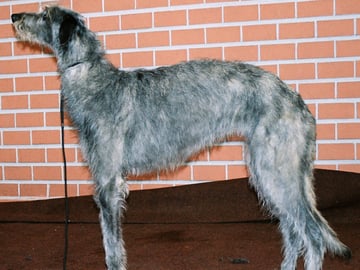
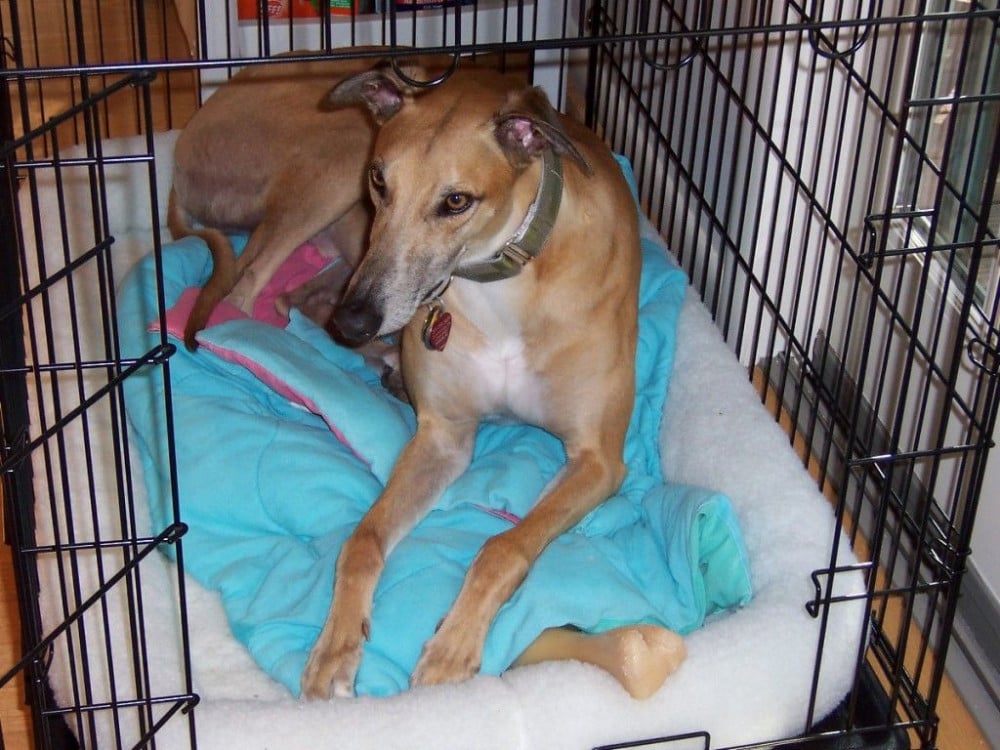
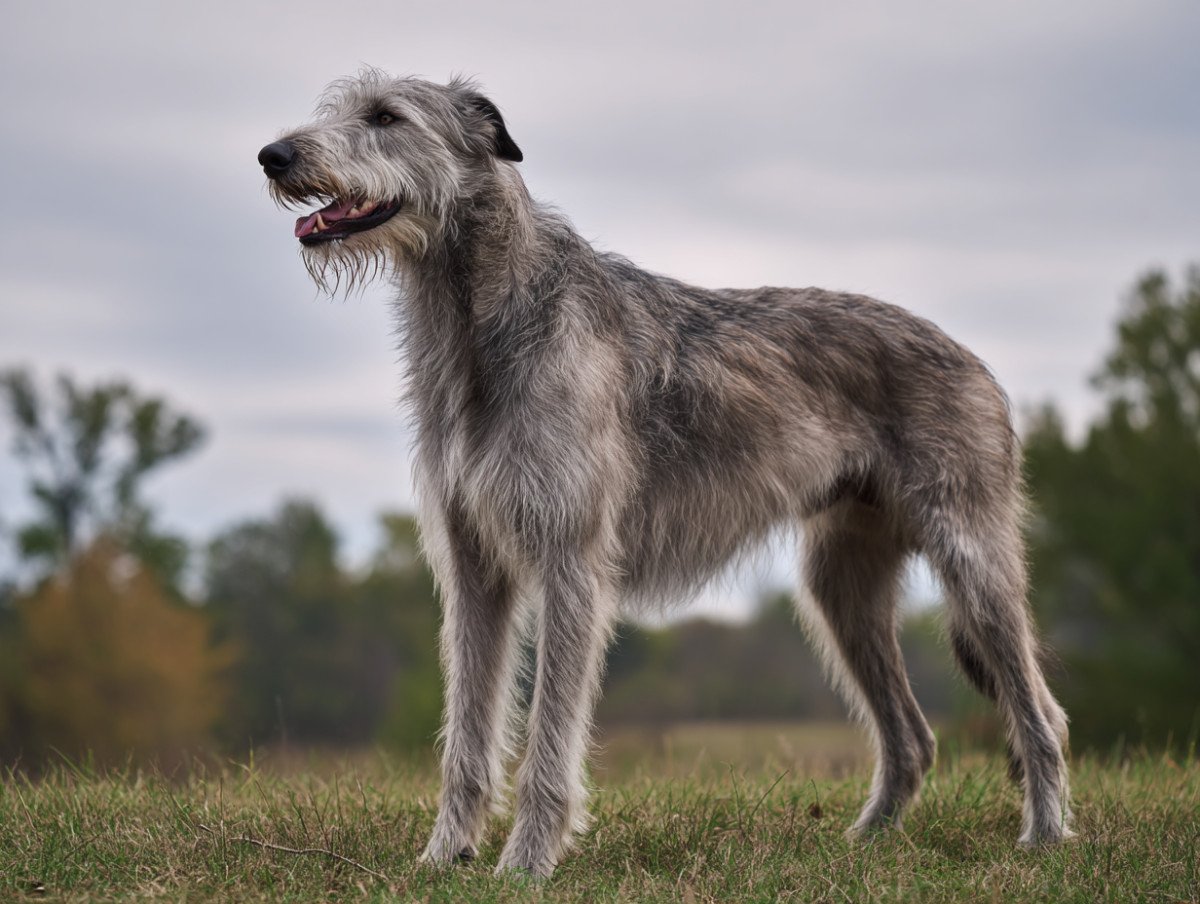
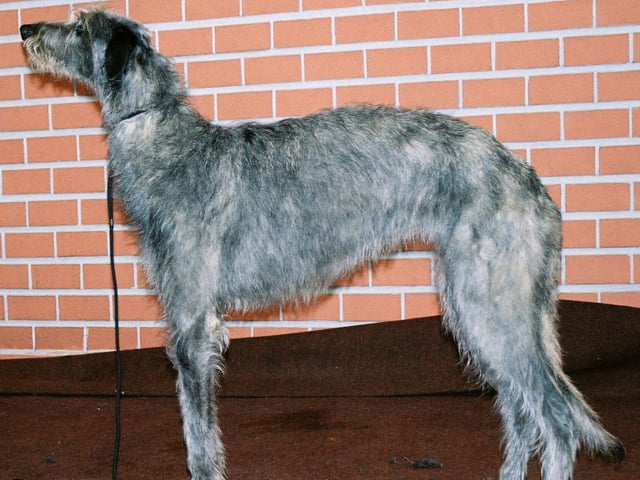
The Scottish Deerhound is a large, graceful sighthound with a distinctly noble look. At first glance many people compare them to a larger, shaggier Greyhound, although the Deerhound has its own unique charm. Adult males are impressively tall and can easily reach the height of a dining table, while females are usually a little smaller and lighter. Despite their size, they should never look heavy or coarse. The ideal Deerhound has a lean, athletic body that speaks of stamina and agility rather than bulk.
The breed has a deep chest to house powerful lungs, long legs for covering ground quickly, and a slightly arched loin that helps with flexible movement. The head is long and narrow, with a gentle expression. Ears are small, set high, and fold back close to the head when relaxed. This gives them an elegant, somewhat aristocratic appearance that many owners fall in love with. When a Deerhound moves at a trot, the stride is smooth and effortless, almost floating, which reflects the breed’s development as a coursing hound over rough ground.
The coat is one of the most distinctive features of the Scottish Deerhound. It is harsh, wiry, and somewhat shaggy, but should never be excessively long or woolly. The hair lies close to the body, with a thicker, more protective texture over the neck, body, and thighs. There is often softer, slightly longer hair on the chest, belly, and around the face, which creates the characteristic beard and eyebrows that give a Deerhound such an endearing, wise look.
Color is typically various shades of grey, ranging from light silver grey to dark blue grey. Some Deerhounds may also appear brindle or fawn, and small white markings on the chest, toes, or tail tip are accepted, although solid, darker greys are often preferred in the show ring. For family life, color matters far less than health and temperament, so potential owners should focus on choosing a well bred, well raised pup rather than a particular shade.
Coat care is relatively straightforward. Despite the rough texture, Scottish Deerhounds do not require complex grooming. A good routine might include:
- Thorough brushing once or twice a week with a pin brush or a slicker brush
- Occasional combing through of feathered areas to prevent tangles
- Hand stripping or careful tidying of dead hair a few times a year for dogs shown in conformation
Baths are required only when the dog is dirty or has rolled in something unpleasant. The coat dries more slowly than a short slick coat, so towelling and a warm, draft free place are helpful after bathing or a wet walk. Many owners are pleasantly surprised at how little the Deerhound smells compared to heavier coated breeds. Shedding is moderate and tends to appear in light drifts rather than huge seasonal blowouts.
Because the Deerhound is a large, deep chested dog, it is important to keep the body lean and well muscled. Extra weight not only spoils the elegant outline but can also put strain on joints and the heart. Regular exercise, quality food, and simple grooming will keep this beautiful dog looking its best and feeling comfortable throughout its life.
¶Temperament & Personality
The Scottish Deerhound is often described as a gentle, dignified soul, and this is very close to the truth. Despite their hunting heritage and impressive size, most Deerhounds are surprisingly soft natured and sensitive. They tend to bond deeply with their family and thrive when they can share everyday life, whether that means snoozing by the sofa, following a favorite person from room to room, or curling up in a sunny corner of the garden.
With people, Deerhounds are usually affectionate but never clingy in an intrusive way. Many prefer calm, quiet attention to loud fuss, and they can appear a little reserved around strangers at first. This is not typically shyness or aggression; rather, they like to take a moment to assess a new situation. Once comfortable, most become friendly and will graciously accept petting and admiration. They are not natural guard dogs, and although their size can be intimidating, a typical Deerhound is more likely to greet a stranger politely than to challenge them.
With children, Scottish Deerhounds can be wonderfully patient and kind, especially if they are raised around them. Their calm, tolerant nature means they often accept clumsy hugs and games with good humor. However, their size and long limbs can easily knock over very young children by accident, so supervision is essential. Teaching both dog and child how to interact gently and respectfully is vital. Many families find that an older, well mannered Deerhound becomes a loyal, almost protective presence around the home, simply by quietly staying close.
Around other dogs, Deerhounds are usually sociable, especially with other sighthounds that share a similar communication style. They are not typically quarrelsome and prefer to avoid conflict. However, males can sometimes display dominance toward other entire males, and it is wise to manage introductions carefully. Socialization from puppyhood, including exposure to different breeds and sizes, helps maintain a friendly, well balanced attitude.
The main temperament challenge with this breed lies in their strong prey drive. As a sighthound bred to chase large game, many Deerhounds have an instinctive urge to pursue fast moving animals. This can include cats, wildlife, or small dogs that run. Some individuals live peacefully with family cats and smaller pets if introduced carefully and consistently managed, but it can never be guaranteed. Outdoor off lead freedom around livestock or wildlife should always be approached with great caution and only in safe, enclosed areas.
In daily life, the Scottish Deerhound is often pleasantly quiet indoors. After a good run, many are content to lounge for long stretches, earning the reputation of a “couch athlete.” They rarely bark without reason and tend to prefer a peaceful environment. This makes them good companions for people who enjoy a calm household, although they still need enough mental and physical stimulation to prevent boredom. Left alone for long periods regularly, some Deerhounds may become anxious or destructive, as they are deeply attached to their people.
Overall, the Deerhound suits owners who appreciate a thoughtful, gentle dog rather than a boisterous clown. They bring a mellow presence to the home and respond best to kindness, stability, and a respectful partnership.
¶Training & Exercise
Training a Scottish Deerhound is a rewarding experience, but it is quite different from working with a highly driven herding breed or a toy companion dog. Deerhounds are intelligent, but they can also be independent and sometimes a little dreamy. They tend to ask “Why should I?” rather than automatically obey every request, so training works best when it is built on cooperation and trust rather than strict control.
Positive reinforcement methods are essential. This breed responds well to:
- Food rewards in moderate amounts
- Gentle praise and calm enthusiasm
- Short, varied training sessions that avoid repetition
Harsh corrections, shouting, or physical punishment will quickly damage the bond and can make a Deerhound shut down or become anxious. Because they are sensitive, they remember negative experiences for a long time. On the other hand, when treated fairly and kindly, they genuinely enjoy learning and often surprise their owners with how quickly they pick up basic manners.
Key early training goals for a Deerhound puppy include:
- Reliable recall in safe areas, starting on long lines
- Loose lead walking, as adult Deerhounds are powerful pullers if not taught properly
- Calm greetings, especially around visitors and children
- Settling on a bed or mat, which helps manage such a large dog indoors
Recall is particularly important and also quite challenging. The instinct to chase can override training if a Deerhound spots a running animal. Practicing recall games in enclosed fields, using long lines, and reinforcing every success builds good habits. Many owners accept that their Deerhound will never be fully reliable off lead where there is wildlife, and instead provide secure, fenced areas or dog fields where the dog can stretch its legs safely.
In terms of exercise, the Scottish Deerhound has high needs compared to many companion breeds, but they are not endlessly hyperactive. A typical adult Deerhound does best with at least one to two hours of activity spread over the day. This might include:
- A long, steady walk or hike
- Periods of free running in a safely enclosed area
- Occasional opportunities for sprinting and play with other friendly dogs
They are built more for endurance and graceful galloping than for intense agility drills. While some enjoy sports like lure coursing or canicross, care must be taken not to overdo high impact activities, especially while bones and joints are still developing. Puppies and adolescents should not be encouraged to jump from heights or run long distances on hard surfaces.
Mental exercise matters as well. Deerhounds appreciate:
- Gentle scent games in the garden
- Problem solving toys and food puzzles
- Short obedience or trick training sessions a few times a week
These activities keep the mind occupied and strengthen the bond between dog and owner. Many Deerhounds also enjoy riding quietly in the car to new walking spots, accompanying their person on calm outdoor trips, or simply observing the world from a comfortable spot.
Because of their large size and growth rate, careful management of exercise in the first 18 to 24 months is vital. Too much intense running too early may strain developing joints. A good rule is frequent short walks, controlled play, and gradual increases in free running as the dog matures. Your breeder or veterinarian can help tailor a plan that suits your individual dog.
With patient training, consistent routines, and appropriate outlets for their athleticism, Scottish Deerhounds become beautifully mannered companions who move gracefully through everyday life.
¶Health
Scottish Deerhounds are generally robust for such a large breed, but like all purebred dogs, they have certain health issues that owners and breeders need to watch closely. Responsible breeding and thoughtful care can go a long way toward maintaining the wellbeing of the breed.
One of the most serious concerns in large, deep chested dogs such as the Deerhound is gastric dilatation volvulus, commonly known as bloat. This life threatening condition involves rapid swelling and twisting of the stomach. Owners should familiarize themselves with the warning signs, which can include restlessness, unproductive attempts to vomit, a swollen abdomen, and signs of pain or distress. Emergency veterinary treatment is essential. Preventive steps that many owners take include feeding two or three smaller meals a day instead of one large one, avoiding vigorous exercise immediately before and after meals, and keeping stress as low as possible around feeding times.
Heart problems, particularly dilated cardiomyopathy, can also occur in large sighthounds. Regular veterinary check ups and, in some lines, screening by a veterinary cardiologist are recommended. Subtle changes in energy levels, coughing, or reduced willingness to exercise should be discussed with a vet as early detection often improves management.
Bone and joint issues such as hip dysplasia and osteosarcoma are seen in some Deerhounds. Ethical breeders usually screen breeding stock with hip scoring schemes and sometimes additional imaging when indicated. Osteosarcoma, a malignant bone cancer, is sadly present in many large and giant breeds. Owners should monitor any persistent lameness, swelling, or pain in limbs and seek veterinary advice promptly.
Other conditions that may be relevant to the breed include:
- Certain hereditary bleeding disorders, which can complicate surgery or injury
- Anesthetic sensitivities common in sighthounds, requiring careful veterinary protocols
- Occasional eye issues, though less common than in some other breeds
Average lifespan for a Scottish Deerhound typically ranges from around 8 to 11 years, with some individuals living longer when well cared for and genetically fortunate. While this can feel short compared to smaller breeds, careful attention to weight management, appropriate exercise, regular health checks, and early detection of problems helps many Deerhounds enjoy a good quality of life throughout their years.
When choosing a puppy, prospective owners should ask breeders about health testing and family history. Recommended health checks often include:
- Hip evaluation through an official scheme
- Heart assessment, sometimes including echocardiography in breeding dogs
- Screening for known breed specific conditions where available in your country
Good breeders will be open about potential risks and willing to explain how they are working to reduce them through responsible breeding decisions.
On a day to day level, maintaining a healthy Deerhound includes providing high quality, age appropriate nutrition, preventing obesity, and monitoring for any subtle signs of discomfort. Because of their stoic nature, Deerhounds may not complain loudly when something is wrong. Changes in appetite, reluctance to jump into the car, increased panting at rest, or sudden quietness can all be early hints that deserve investigation.
Dental care is often overlooked in large breeds, so regular tooth brushing, appropriate chews, and dental checks help prevent gum disease and discomfort. Regular parasite control and vaccinations according to your veterinarian’s guidelines complete the basic health routine.
With informed breeding, sensible management, and prompt veterinary attention when needed, many Scottish Deerhounds remain active, affectionate companions for many years, rewarding their owners with a deep, gentle presence that more than repays the extra care a large breed may require.
¶History & Origins
The Scottish Deerhound is an ancient breed, woven deeply into the history and culture of Scotland. Its origins stretch back to a time when large, swift hounds accompanied Celtic tribes across rugged landscapes, hunting for both survival and sport. Over many centuries, these dogs were shaped into a specialist hunter of red deer, a noble quarry that demanded speed, courage, and an ability to navigate rough terrain.
In the Highlands, Deerhounds were a prized possession of chieftains and nobility. Ownership was often restricted to the aristocracy, and the dogs became symbols of status and prestige. Historic accounts describe them coursing deer over moor and hill, working in small groups to bring down game that might feed an estate and its people. Their role was very different from that of a modern gundog. Rather than tracking by scent, they relied on keen eyesight and explosive speed to pursue and bring down fleeing deer.
The breed’s elegant yet rugged appearance reflects this working heritage. They needed enough strength to face a powerful stag, yet enough lightness and agility to cover long distances and handle steep, uneven ground. Over time, careful selection produced a dog that combined athletic ability with a calm, dignified nature, making it both a capable hunter and a valued household companion.
The decline of traditional deer coursing, combined with changing land use and social structures, nearly led to the disappearance of the Scottish Deerhound. Industrialization, the introduction of firearms for hunting, and historical events that affected the Scottish clans all played a role. By the 19th century, the breed faced serious threats, but devoted enthusiasts stepped in to preserve it. They focused not only on maintaining working ability but also on stabilizing type and temperament.
Kennel clubs began to recognize the breed, and a formal standard was developed to describe the ideal Deerhound. While its original role as a stag hunting dog faded, the Deerhound found a new place as a companion, show dog, and, in some regions, a participant in lure coursing or other sighthound activities. Throughout these changes, breeders tried to retain the core qualities that made the dog so valued in its homeland: courage, stamina, a steady character, and a quietly affectionate nature.
Today, the Scottish Deerhound is still relatively rare compared to more popular breeds, which adds to its special appeal. Many owners are drawn to its connection with Scottish history and landscapes, imagining these dogs running across misty hills or resting by a fireside in an old stone lodge. Modern Deerhounds usually live as beloved family pets, but many still display strong hunting instincts and a love of open spaces.
While the breed no longer routinely hunts red deer in most countries, the essence of the working dog remains. Those who share their lives with a Deerhound often speak of a sense of timelessness in the breed, as if a link to an older world still lives behind the calm, observant eyes. That history, combined with their gentle temperament, is a large part of what makes the Scottish Deerhound so captivating for those fortunate enough to know one.
¶Living with the Breed
Living with a Scottish Deerhound is a unique experience that blends the challenges of a giant hound with the rewards of a kind, almost aristocratic companion. Before bringing one home, it is important to think honestly about the practical realities of sharing your house, car, and daily routines with such a large and sensitive dog.
Space is one of the first considerations. Deerhounds do not require a mansion, but they do benefit from a home where they can stretch out comfortably. Narrow, cluttered hallways and fragile ornaments on low tables are not ideal. Their long tails have a habit of sweeping coffee tables, and a single enthusiastic turn can rearrange your living room. A soft, well padded bed large enough for full stretch is essential, and many owners provide multiple resting spots around the house so the dog can be near family members without blocking walkways.
A secure, fenced garden or yard is highly recommended. Deerhounds enjoy wandering, sniffing, and occasionally bursting into joyful gallops. Fencing needs to be high and strong enough for such a tall, athletic dog. Low walls are more an invitation than a barrier. Urban living is possible if owners are committed to several substantial walks a day and safe access to secure off lead areas, but a Deerhound is not a typical city apartment dog unless the owner is particularly dedicated and organized.
Financially, Scottish Deerhounds are not inexpensive companions. Costs to consider include:
- Quality puppy from a responsible breeder
- Large quantities of food appropriate for a big, athletic dog
- Larger beds, leads, collars, and crates
- Higher veterinary bills, especially for imaging, anesthesia, and emergency care
- Pet insurance, which is strongly recommended for such a large breed
Annual expenses can be significantly higher than for a small or medium dog simply due to size and specialist needs. Prospective owners should budget realistically for both routine and unexpected costs.
In terms of equipment, useful items for Deerhound owners include:
- A wide, comfortable collar or a sighthound style house collar
- A strong, well made lead, often paired with a long line for recall training
- Non slip rugs or mats on slippery floors to protect joints
- A vehicle space large enough for safe, comfortable travel
- Food and water bowls placed at an appropriate height to reduce strain on the neck
Daily life with a Deerhound tends to be peaceful once exercise needs are met. They often adapt to the household rhythm, sleeping while you work or relax, then happily joining you for a long walk or an outing. They prefer to be where the family is and do not do well left alone for many hours on a regular basis. A bored or lonely Deerhound may chew, dig, or attempt to escape the garden in search of company or adventure.
New owners should be ready for a relatively slow maturing dog. Deerhound puppies are endearingly clumsy and curious, and adolescence can last longer than in smaller breeds. Consistent routines, patient training, and careful management of activity help them grow into the calm adults they are meant to be. Socialization is very important during this time, including positive exposure to different people, environments, animals, and everyday noises.
Because of their dignified nature, Deerhounds are often happiest in households that are not constantly chaotic. They generally cope well with children who are taught to be gentle and to respect the dog’s space, but may find continuous loudness or rough play stressful. They thrive with owners who value quiet companionship, enjoy long walks in nature, and appreciate a dog who is more partner than servant.
For the right person or family, the Scottish Deerhound brings extraordinary rewards. Living with one means sharing your life with a graceful, kind hearted giant who seems to carry a touch of wild hills and wide skies wherever it goes. The commitment in time, money, and emotion is real, but so too is the deep bond many owners describe, a sense of quiet understanding that builds slowly and lasts a lifetime.
¶Ominaisuudet
¶Usein kysytyt kysymykset
Millainen skotlanninhirvikoira on tyypillisesti luonteeltaan kotioloissa?
Ne ovat sisätiloissa yleensä rauhallisia, lempeitä ja hillityn kiintyviä, ja niitä kuvaillaan usein arvokkaiksi ja hieman pidättyväisiksi. Perheelleen ne ovat tavallisesti hyvin uskollisia ja herkkiä, mutta eivät yleensä takertuvia tai osoita kiintymystään kovin näkyvästi. Monet suhtautuvat vieraisiin kohteliaasti pikemminkin kuin avoimen ystävällisesti, ja varhainen sosiaalistaminen auttaa niitä tuntemaan olonsa varmaksi erilaisissa tilanteissa.
Kuinka paljon liikuntaa skotlanninhirvikoira todella tarvitsee?
Vaikka ne ovat sisätiloissa rauhallisia, ne ovat urheilullisia vinttikoiria, jotka tarvitsevat päivittäin vapaata juoksua suurella, turvallisesti aidatulla alueella. Pelkät pitkät kävelylenkit eivät yleensä riitä hyväkuntoiselle aikuiselle koiralle. Säännölliset mahdollisuudet juosta täyttä vauhtia ovat tärkeitä sekä fyysisen kunnon että henkisen hyvinvoinnin kannalta.
Sopiiko skotlanninhirvikoira kerrostaloasuntoon?
Rauhallinen käytös sisätiloissa voi antaa vaikutelman, että ne sopivat kerrostaloasuntoon, mutta niiden koko ja liikunnantarve tekevät siitä haastavaa. Ne viihtyvät parhaiten kodissa, josta on pääsy turvallisesti aidatulle pihalle tai läheisille avoimille alueille, joilla ne voivat juosta. Kerrostaloasuminen voi onnistua vain hyvin sitoutuneen omistajan kanssa, joka huolehtii runsaasta päivittäisestä ulkoilusta ja hyväksyy erittäin suuren koiran kanssa asumiseen liittyvät käytännön järjestelyt.
Mitkä ovat skotlanninhirvikoirien yleisimmät terveysongelmat?
Niillä on suurentunut riski mahalaukun laajentumaan ja kiertymään, tiettyihin sydänsairauksiin sekä joihinkin luusyöpiin, kuten osteosarkoomaan. Muiden jättirotujen tavoin niillä voi esiintyä myös nivelongelmia. Vastuulliseen koiranomistajuuteen kuuluu valita kasvattaja, joka teettää jalostuskoirilleen terveystutkimuksia, ja opetella tunnistamaan näiden sairauksien varhaiset oireet.
Kuinka paljon hoitoa skotlanninhirvikoiran karkea turkki vaatii?
Karkea, kova turkki on harjattava viikoittain kuolleiden karvojen poistamiseksi ja takkujen ehkäisemiseksi etenkin korvien ympäriltä, parrasta ja jaloista. Turkin rakenteen ylläpitämiseksi käytetään toisinaan käsin nyppimistä tai huolellista ohentamista, mutta monille kotikoirille riittää pelkkä harjaus. Karvaa lähtee kohtalaisesti, ja pesua tarvitaan yleensä vain silloin tällöin, ellei koira likaannu erityisen paljon.
Tulevatko skotlanninhirvikoirat hyvin toimeen lasten ja muiden lemmikkien kanssa?
Ne ovat yleensä lempeitä ja kärsivällisiä lasten kanssa, kun lapset kohtelevat niitä kunnioittavasti. Suuren kokonsa vuoksi ne voivat kuitenkin helposti kaataa pieniä lapsia, joten yhdessäoloa on aina valvottava. Muiden koirien kanssa ne ovat yleensä sosiaalisia ja suvaitsevaisia. Voimakkaan saalistusviettinsä vuoksi ne eivät välttämättä ole turvallista seuraa pienille lemmikeille, kuten kaneille tai joillekin kissoille, etenkään ulkona tai takaa-ajotilanteissa.
Kuinka voimakas saalisvietti skotlanninhirvikoirilla on, ja voiko niitä koskaan pitää turvallisesti vapaana?
Koska rotu on alun perin jalostettu hirvieläinten metsästykseen, sen edustajilla on yleensä voimakas vaisto lähteä liikkuvien eläinten perään. Monia niistä ei voi koulutuksesta huolimatta pitää luotettavasti vapaana aitaamattomilla alueilla. Myös hyvin koulutettujen yksilöiden tulisi saada juosta vapaina vain turvallisesti aidatuilla alueilla, jotta vältytään onnettomuuksilta ja koirien katoamisilta.
Mitä minun tulisi tietää skotlanninhirvikoiran ruokinnasta ja mahalaukun laajentuman ja kiertymän riskistä?
Syvän rintakehänsä vuoksi niillä on tavallista suurempi riski mahalaukun laajentumaan ja kiertymään. Siksi monet omistajat jakavat päivittäisen ruoan useampaan pieneen ateriaan ja välttävät raskasta liikuntaa ruokailun yhteydessä. Korotettujen ruokakuppien käytöstä ja sopivasta ruokavaliosta keskustellaan toisinaan eläinlääkärin kanssa koiran yksilöllisen tilanteen mukaan. On erittäin tärkeää tunnistaa mahalaukun laajentuman ja kiertymän hälytysmerkit ja suunnitella etukäteen, miten koira saadaan nopeasti eläinlääkärin hoitoon.
Kuinka paljon tilaa skotlanninhirvikoira tarvitsee sisätiloissa?
Korkeutensa ja pituutensa vuoksi ne vievät paljon lattiatilaa etenkin makuulla. Ne tarvitsevat tilaa voidakseen ojentautua mukavasti ja liikkua kotona törmäilemättä jatkuvasti huonekaluihin tai ihmisiin. Kovat ja liukkaat lattiat voivat olla niille hankalia, joten pitäviä lattiapintoja ja kehoa hyvin tukevaa petiä suositellaan.
Sopiiko skotlanninhirvikoira ensimmäiseksi koiraksi?
Ne ovat yleensä leppoisia ja helposti hallittavia, kun ne sosiaalistetaan ja koulutetaan lempeästi. Niiden koko, terveysriskit ja liikunnantarve voivat kuitenkin olla aloittelevalle koiranomistajalle liikaa. Ensikertalainenkin voi pärjätä hyvin, jos hän on valmistautunut huolellisesti, hänellä on sopivat tilat ja hän tekee yhteistyötä kokeneiden kasvattajien tai kouluttajien kanssa. Monet asiantuntijat kuitenkin katsovat, että aiemmasta kokemuksesta suurista koiraroduista tai vinttikoirista on hyötyä.
¶Vertailu muihin rotuihin
Vertaa rotua Scottish Deerhound muihin rotuihin ja katso erot luonteessa, aktiivisuudessa ja hoidossa ennen kuin teet valintasi. Näytä kaikki vertailut