
¶Sisällysluettelo
¶Quick Facts
- The Munchkin is best known for its distinctively short legs, which are caused by a natural genetic mutation.
- Despite their low height, Munchkins are quick, playful, and surprisingly athletic, often called “ferret cats” for the way they zoom around.
- They come in virtually every coat color, pattern, and length, from sleek shorthaired tabbies to fluffy longhaired beauties.
- Munchkins are gentle, affectionate, and people oriented, making them excellent companions for families and multi pet homes.
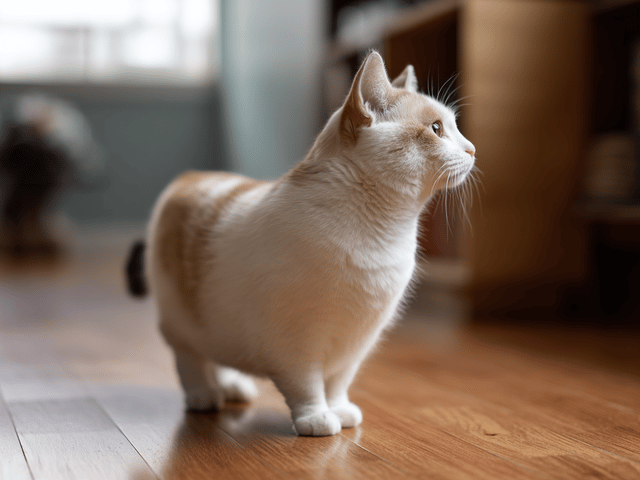
- Many Munchkins have a funny habit of sitting up on their hind legs like a meerkat to survey the room or watch birds out the window.
¶Appearance & Coat
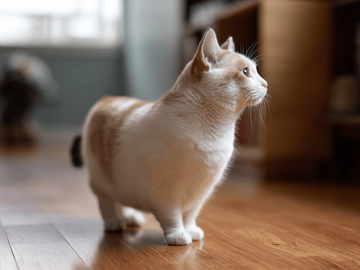
The Munchkin is a small to medium sized cat with a very distinctive outline. At first glance, people usually notice the short legs, but the breed is far more than just its stature. The body is well rounded and moderate, not too cobby and not too slender. You can think of a typical Munchkin as a compact, low slung cat with a sturdy torso on noticeably shorter limbs.
The head is generally a rounded wedge with gentle contours. The cheeks are softly defined rather than chiseled, and the muzzle is neither short nor extreme. The ears tend to be medium in size and set fairly upright, giving the cat an alert expression. Eyes are medium to large and walnut shaped, often giving an open, sweet, and curious look. As with many breeds, eye color usually harmonizes with the coat but there is a wide range, from golden and green to blue or odd eyed in certain color patterns.
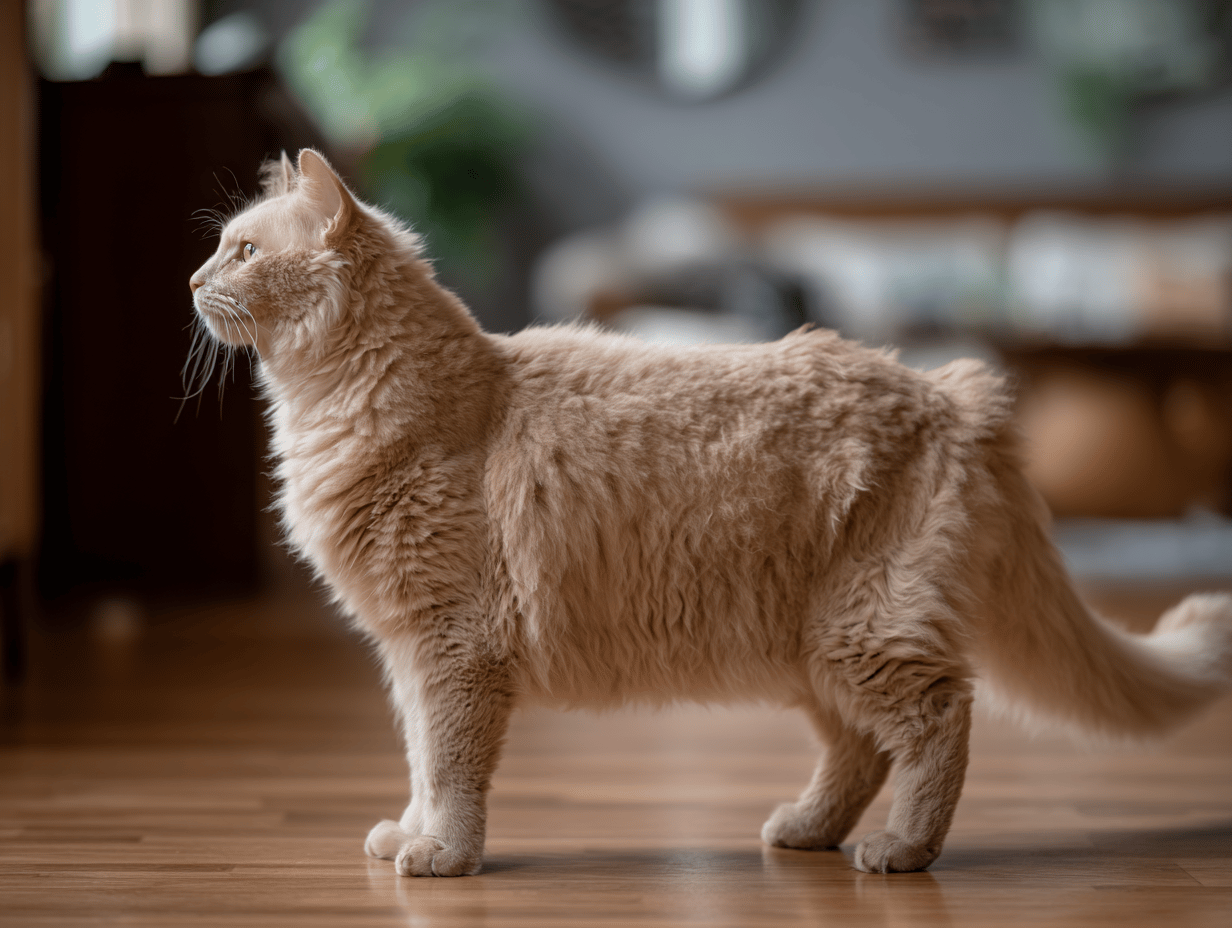
Of course, the hallmark of the Munchkin is the leg length. The forelegs and hind legs are shorter than average, but the upper body and chest are of regular size. This combination produces that characteristic “low rider” appearance. Their backs should remain straight and level rather than dipped or roached. Overall balance is important. A well bred Munchkin should look proportionate and able to move freely, not cramped or awkward.
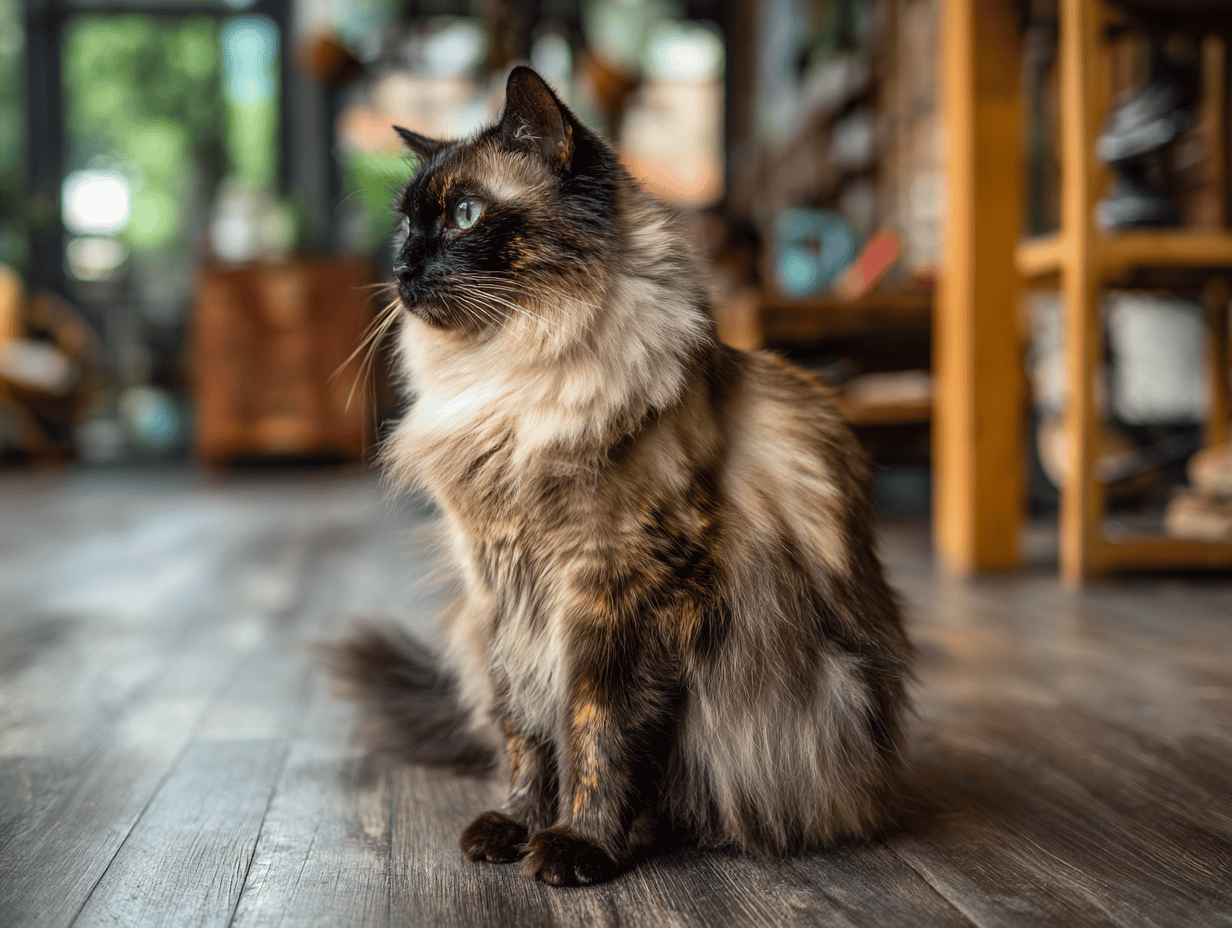
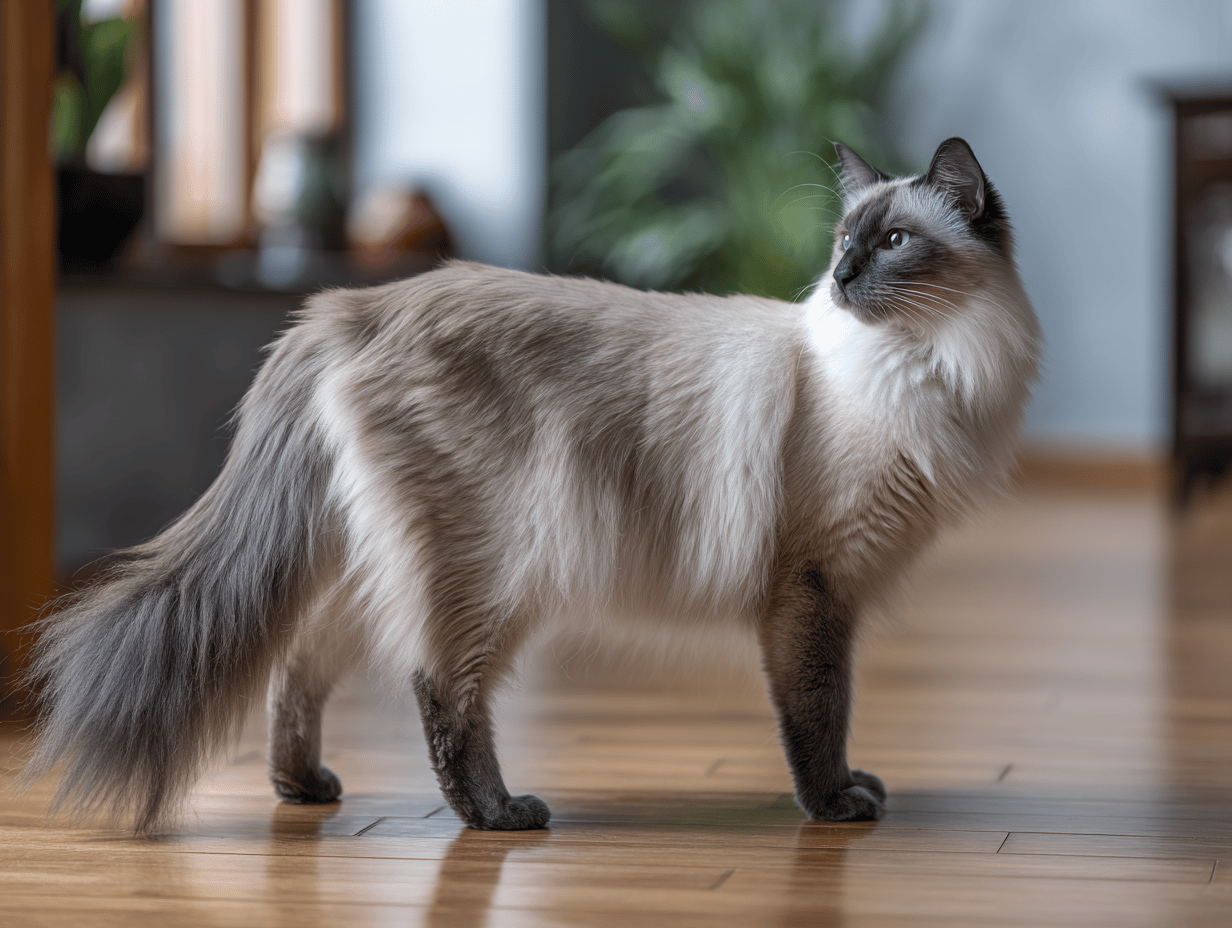
Munchkins can be shorthaired or longhaired. Shorthaired Munchkins have a plush, all weather coat that lies close to the body yet feels soft to the touch. Longhaired Munchkins have a semi long coat with a bit of a ruff around the neck and feathering on the tail and hindquarters. The texture can range from silky to slightly more resilient, but it should never be woolly or excessively heavy.
One of the joys of the breed is the enormous variety of colors and patterns. You might see:
- Classic tabby with bold swirls.
- Mackerel or spotted tabby with fine stripes or dots.
- Solid colors like black, blue, white, red, or cream.
- Tortoiseshell, calico, and bi color patterns.
- Colorpoint patterns where the face, ears, paws, and tail are darker.
From a practical care point of view, the Munchkin’s coat is not usually demanding. Shorthaired Munchkins benefit from a gentle brushing once or twice a week to remove loose hair and reduce shedding around the home. A soft bristle brush or rubber grooming mitt works well and also helps spread natural skin oils for a healthy shine.
Longhaired Munchkins need a bit more attention. Regular brushing three to four times a week keeps the coat free of tangles and mats, especially behind the ears, under the armpits, and around the trousers on the back legs. Families often find that grooming sessions become a bonding ritual, especially if you introduce the brush from kittenhood and keep sessions short and pleasant.
Baths are rarely necessary unless your cat gets into something messy. More important is routine nail trimming and checking the ears and eyes for cleanliness. Despite their short legs, Munchkins usually have no trouble with licking and grooming themselves, so they maintain good personal hygiene provided their coat is brushed as needed.
¶Temperament & Personality
Living with a Munchkin is very much like living with a bright and playful child who never really outgrows the fun stage. They are active, engaging, and curious about every corner of the home. Although their short legs make them look a bit comical, most owners quickly discover that these cats are seriously social and emotionally warm.
Munchkins are well known for their kitten like personality that often lasts throughout their lives. Many will still chase toys enthusiastically and dart after shadows into old age. They enjoy interactive play such as feather wands, small balls, and puzzle toys that challenge their minds as well as their bodies. Do not be surprised if your Munchkin learns to fetch. Quite a few of them develop a strong interest in carrying small toys around and dropping them at your feet for another throw.
Despite this playful streak, Munchkins are not usually high strung. They tend to settle happily on the sofa with their people and soak up attention. Their affectionate nature makes them suitable for families with children, provided the kids are taught to handle them gently and respect their shorter legs and smaller stature. Munchkins usually prefer being part of the family’s daily activities, whether that means following you from room to room or supervising from the back of the couch.
In homes with other pets, the Munchkin typically does well. Their friendly temperament allows them to integrate smoothly with other cats and even with cat friendly dogs. Introductions should still be done slowly and carefully, but many owners report that a confident Munchkin will soon be playing chase with a resident cat or curling up near a calm dog. Their sociable nature means they do not like long hours of complete isolation. A companion pet or plenty of interactive toys can help if you work full time.
One charming trait that many people notice is their tendency to “perch” in unusual ways. Munchkins often sit up on their hind legs like a rabbit or meerkat when they hear a sound or see something interesting. Combined with their round eyes, this posture gives them an inquisitive expression that many families find irresistible.
Potential challenges usually stem from the same traits that make them so appealing. Their intelligence and curiosity can lead to mischief if they are bored. They may open cupboard doors, climb onto lower shelves, or squeeze into small gaps. While their shorter legs reduce the height of their jumps, it does not remove their desire to explore. Owners sometimes think they are “safer” because they cannot reach high places, then discover that a determined Munchkin has found alternate routes using chairs, boxes, or step stools.
Because they are very people oriented, some Munchkins may become clingy or vocal if they feel ignored. They may follow you from room to room, pat your leg for attention, or meow insistently when they want playtime. This is endearing to many owners, but anyone considering a Munchkin should be ready to invest time in daily interaction. In return, you gain a devoted companion with a genuinely loving and entertaining personality.
¶Training & Exercise
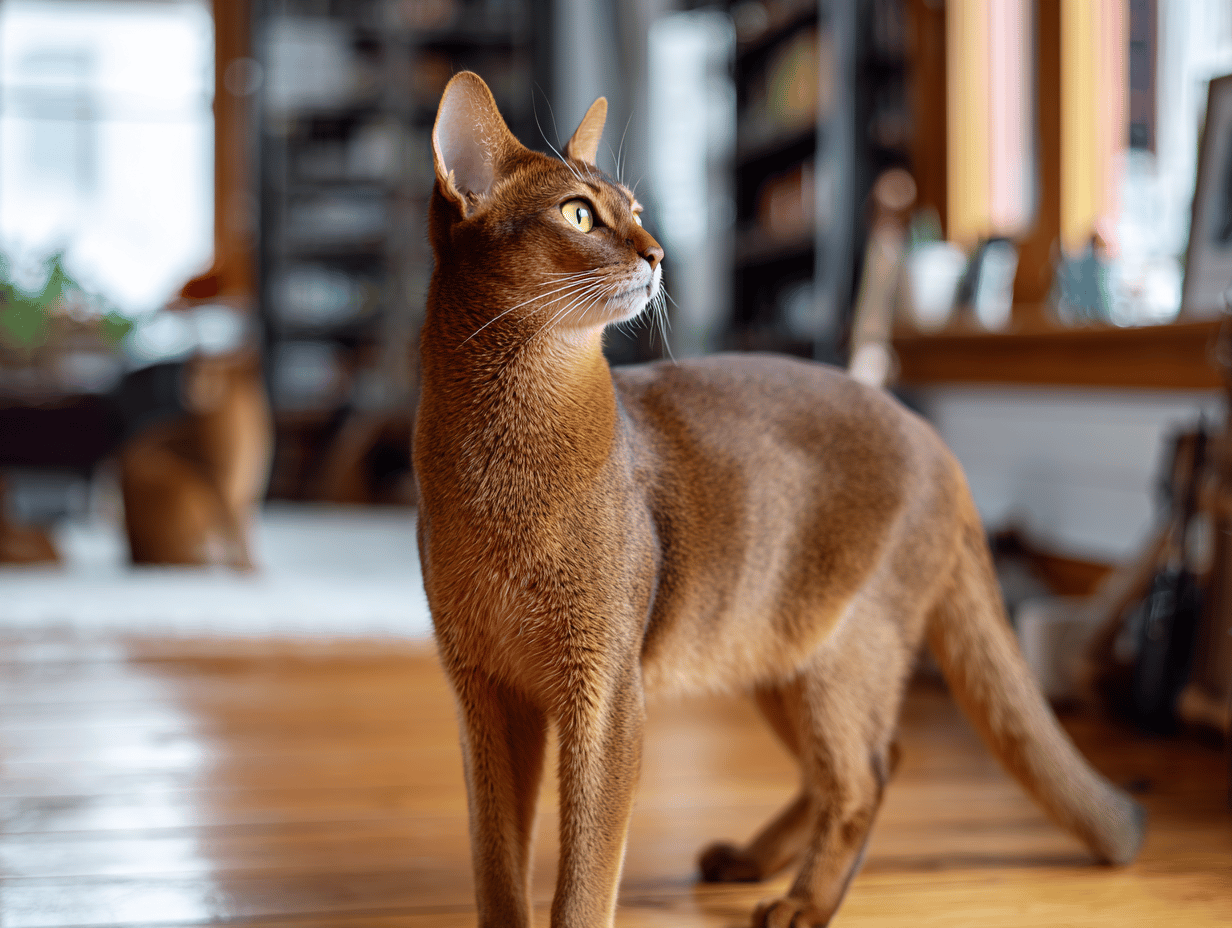
Although the Munchkin’s short legs might suggest a limited athlete, these cats are surprisingly active and agile. They might not leap as high as a long legged breed like the Abyssinian, but they can still climb cat trees, race down hallways, and sprint after toys. They deserve a well planned exercise routine that keeps both body and mind busy.
In daily life, think of the Munchkin as a playful moderate energy cat. They are not usually frantic or hyperactive, but they thrive on regular bursts of activity. Aim for at least two focused play sessions each day, fifteen to twenty minutes each. This satisfies their hunting instincts and helps prevent boredom related behaviors such as scratching furniture or pestering you at inconvenient times.
Good exercise options include:
- Wand toys that mimic birds or small animals. Drag them along the floor to encourage chasing and pouncing.
- Soft balls or crinkle toys that roll easily. Many Munchkins enjoy batting and fetching.
- Interactive puzzle feeders that require pawing, pushing, or rolling to release kibble or treats.
Training a Munchkin is usually very rewarding. They are intelligent, food motivated, and eager to engage with their people. Simple clicker training works well with this breed. Start with basic behaviors such as “come,” “sit,” or “high five.” Use tiny treats or a portion of their daily kibble as rewards. Keep sessions short and fun, perhaps five minutes at a time, several times a day.
Munchkins often excel at learning household routines. They quickly figure out when it is mealtime, where their favorite toys are stored, and which family member can be persuaded to play on demand. You can use this natural tendency to shape polite behaviors. For example, reward them when they stay on the floor while you prepare food, or when they sit quietly instead of jumping onto your desk.
Because they are lower to the ground, think carefully about the layout of their environment. Choose cat trees and shelves with shorter distances between levels so they can move up and down with ease. Ramps or gently sloping platforms can be especially helpful for older Munchkins who might find high jumps difficult. This does not mean you should stop them from climbing. Instead, you should offer safe, accessible climbing options that match their build.
Outdoor access should always be supervised and secure. A catio or enclosed garden is ideal. Munchkins may not be as quick to escape over tall fences as some cats, but they can still find openings or climb using assistive objects. Their trusting nature can also make them vulnerable outdoors, so controlled access is safest.
Mental exercise is just as crucial as physical exercise. Rotate toys regularly to keep them interesting. Hide a few treats around the room for your Munchkin to “hunt.” Introduce new challenges, such as a cardboard box maze or a paper bag with a toy inside. These small touches make daily life more enriching and help prevent anxiety or destructive habits.
With patient, positive training and well chosen activities, a Munchkin becomes a delightful, well behaved member of the household. They enjoy learning, they love to play, and they respond very well to kind, consistent guidance.
¶Health
The unique short leg trait of the Munchkin comes from a natural genetic mutation that affects the long bones of the legs. Responsible breeders carefully manage this trait to avoid health problems, but potential owners should understand both the strengths and the concerns associated with the breed.
In general, a healthy Munchkin is a sturdy, active cat with a lifespan similar to other domestic cats, often around 12 to 15 years and sometimes longer. They can run, jump, and play, although usually with slightly less vertical ability than long legged breeds. Most well bred Munchkins do not experience pain simply because of their leg length. However, there are a few important health topics to discuss with breeders and veterinarians.
Skeletal and joint health is the main focus. Some short legged animals in other species are prone to spinal or joint problems, and critics of the breed often raise this concern. Reputable breeders work to avoid cats with obvious spinal deformities, severe limb angulation, or mobility issues. When considering a kitten, it is wise to ask about the parents’ and grandparents’ health and whether there have been any signs of arthritis, back pain, or difficulty walking at a young age.
Routine veterinary check ups are essential. Your veterinarian may pay extra attention to your Munchkin’s spine, hips, and knees. Although severe problems are not common in well managed breeding programs, early detection of any discomfort allows you to adjust the environment, weight management, and exercise level. Keeping your cat at a healthy weight is especially important. Extra weight places more pressure on joints and the spine, so avoid overfeeding and provide plenty of gentle activity.
As with most cats, Munchkins can be prone to common feline conditions such as dental disease, obesity, and kidney issues later in life. Regular dental care, including tooth brushing if your cat will tolerate it, can help prevent gum disease and tooth loss. Annual or biannual veterinary check ups, routine blood tests in middle and older age, and vaccinations appropriate to your region form the backbone of long term health care.
When talking with breeders, it is reasonable to ask what health tests they perform. While there is no single test that defines a healthy Munchkin, responsible breeders often screen for hereditary conditions that may exist in their specific breeding lines. In some regions, breeders also cooperate with veterinarians to monitor long term mobility and spinal health in their cats. A breeder who talks openly about these topics and explains how they select breeding cats is usually a good sign.
To support your Munchkin’s health at home, pay attention to:
- Weight control through balanced nutrition and measured portions.
- Safe, accessible climbing and resting areas to avoid strain on joints.
- Soft bedding and warm, draft free sleeping spots, especially for older cats.
- Regular nail trims and paw checks to ensure they move comfortably.
If you notice changes such as reluctance to jump, stiffness after sleeping, hiding more than usual, or changes in grooming habits, consult your veterinarian promptly. Cats are experts at hiding pain, so even subtle changes deserve attention.
With thoughtful breeding, informed veterinary care, and a sensible lifestyle, many Munchkins live happy, comfortable lives that are full of play and affection. Understanding their health needs simply helps you support them as well as possible.
¶History & Origins
The Munchkin is a relatively modern breed in formal cat fancy terms, but the idea of short legged cats has been recorded for almost a century. Reports of cats with unusually short legs appeared sporadically in various countries, suggesting that this mutation arises naturally from time to time. However, these cats were usually seen as curiosities rather than the foundation of a new breed.
The modern history of the Munchkin began in the United States in the 1980s. A short legged cat was found and cared for by a woman who recognized that this trait could be passed to her kittens. Through careful breeding and observation, it became clear that the short legs were caused by a dominant gene. This meant that even when a short legged cat was bred to a regular long legged cat, some of the kittens would inherit the short legs.
Cat associations and breeders debated the ethics and health implications of developing a breed based on this trait. Some were concerned that it might lead to suffering, while others argued that properly bred Munchkins were healthy and active and that the trait itself did not automatically cause pain. Over time, certain registries accepted the breed under specific rules and breeding guidelines, while others chose not to recognize it.
As the breed developed, breeders worked to broaden the gene pool by outcrossing to healthy domestic cats. This strategy aimed to preserve the short leg trait while maintaining overall genetic diversity and avoiding extreme features. The result is that Munchkins come in almost every color and pattern imaginable, reflecting their mixed domestic ancestry.
Today, the Munchkin is primarily a companion cat. There is no working role such as hunting or guarding associated with the breed. Instead, their main “job” is to bring joy, companionship, and a bit of playful comedy to their households. Many people are drawn to them because of their unusual appearance, but they stay in love with the breed because of the Munchkin’s cheerful and affectionate personality.
In cat shows where the Munchkin is recognized, they are judged not only on their leg length but on overall health, balance, and temperament. Good breeders emphasize that the Munchkin should be a functional, athletic cat who just happens to be closer to the ground. The history of the breed is still being written as breeders and associations continue to discuss standards, health guidelines, and the future direction of the Munchkin in the cat fancy.
For pet owners, understanding this background is useful. It explains why there is sometimes controversy around the breed and why choosing a reputable breeder is so important. A carefully bred Munchkin reflects years of effort to combine a unique appearance with the comfort and well being of the cat.
¶Living with the Breed
Sharing your home with a Munchkin is an engaging experience that blends playfulness, affection, and a few practical considerations related to their short legs. These cats tend to integrate quickly into family life, but prospective owners should plan ahead to create a safe, enriching environment.
One of the first things to consider is the layout of your home. While Munchkins can climb and jump, they may not be able to reach the highest shelves or windowsills without help. Provide cat trees with shorter step distances between platforms, and consider placing small stools or ramps near favorite windows so they can enjoy watching the outside world. This is especially appreciated by indoor only cats who rely on environmental enrichment for entertainment.
Litter box access is another important factor. Choose a box with sides that are not excessively high, or provide a low entry point so your Munchkin can step in comfortably. This becomes even more relevant as they age, or if they ever develop joint stiffness. Covered or uncovered boxes can both work, as long as the entry is easy and the box is kept very clean.
Financially, caring for a Munchkin is similar in many ways to caring for any other purebred or well loved domestic cat. You can expect typical annual costs to include:
- Quality cat food and occasional treats.
- Routine veterinary care with vaccinations and health checks.
- Parasite prevention where recommended in your area.
- Pet insurance or a dedicated savings fund for emergencies.
- Replacement toys, scratching posts, and bedding.
In many regions, a realistic budget might include a moderate monthly amount for food and litter, plus veterinary and insurance costs that vary by country and clinic. Because of the potential for joint or spine evaluations, you might also choose to invest a little more in preventive exams, especially as your cat approaches middle age. Discuss this with your veterinarian to build a plan that suits your situation.
Time commitment is another key aspect of living with a Munchkin. These cats are very people focused. Expect to invest daily time in:
- Interactive play sessions to burn energy and keep them mentally sharp.
- Gentle grooming, especially if you have a longhaired Munchkin.
- Social interaction such as cuddling on the couch, talking to them, or involving them in family routines.
Families that spend many hours away from home every day may want to consider a companion animal so the Munchkin is not left completely alone. Another friendly cat or a small, calm dog can provide company, as long as introductions are done gradually.
When it comes to equipment, some items are particularly useful with this breed:
- A sturdy, moderately tall cat tree with closely spaced levels.
- Scratching posts in several locations, including vertical and horizontal options.
- Soft beds in warm, draft free locations, possibly with low sides for easy access.
- Interactive toys and puzzle feeders to prevent boredom.
Travel is another aspect to think about. Munchkins usually travel like any other cat, but a secure, padded carrier that allows them to lie comfortably and see out is ideal. If you move frequently or plan to travel with your cat, start carrier training early with positive reinforcement so they associate it with safety rather than stress.
Emotionally, living with a Munchkin can be very rewarding. Their playful antics, quirky sitting positions, and affectionate behavior often make them the heart of the household. New owners should be prepared for a cat that wants to be involved in almost everything, from unpacking shopping bags to “helping” with computer work by sitting on the keyboard.
At the same time, respect their individuality. Not every Munchkin is a social butterfly. Some may be more reserved or selective in their affection. Spend time learning your cat’s preferences for touch, play, and quiet space. Providing hiding spots and high or mid level resting places allows them to retreat when they want a break.
In summary, living with a Munchkin involves a blend of normal cat care and a few thoughtful adjustments to accommodate their build. In return, you gain a lively, loving companion who will likely entertain and comfort you for many years. For people who appreciate a cat with a big personality in a small, distinctive package, the Munchkin can be a wonderful choice.
¶Ominaisuudet
¶Usein kysytyt kysymykset
Ovatko munchkin-kissat terveitä vai aiheuttavatko niiden lyhyet jalat selkäongelmia?
Niiden lyhyet jalat johtuvat luonnollisesta geenimutaatiosta, joka vaikuttaa ensisijaisesti raajojen pituuteen. Useimmilla selkäranka on normaalipituinen, ja ne voivat elää terveinä, mutta joissakin sukulinjoissa nivelvaivojen, kuten nivelrikon, tai selkärankaongelmien riski on suurempi. Vastuulliset kasvattajat tutkivat kissat liikkumisongelmien varalta eivätkä käytä jalostukseen kissoja, joilla on kipuja tai vaikeuksia hypätä tai kävellä. Säännölliset eläinlääkärintarkastukset ja kissojen pitäminen hoikkina vähentävät nivelten kuormitusta.
Pystyvätkö munchkin-kissat hyppäämään ja kiipeilemään kuten muut kissat?
Ne osaavat hypätä ja kiipeillä, mutta eivät yleensä yhtä korkealle kuin pitkäjalkaiset kissat. Monet niistä käyttävät mieluummin matalia hyllyjä, raheja tai lemmikkiportaita väliaskelmina päästäkseen korkeammille tasoille. Eri korkeuksille sijoitetut tähystyspaikat ja rampit auttavat niitä pysymään aktiivisina ilman liiallista rasitusta. Saatat huomata niiden juoksevan ja leikkivän lähellä lattianrajaa useammin kuin tekevän suuria hyppyjä ylöspäin.
Millainen luonne munchkin-kissalla on?
Ne ovat yleensä ulospäinsuuntautuneita, leikkisiä ja hyvin ihmisrakkaita. Monet seuraavat mielellään omistajaansa huoneesta toiseen ja säilyttävät pentumaisen energisyytensä pitkälle aikuisikään. Ne tulevat yleensä hyvin toimeen niitä kunnioittavasti kohtelevien lasten ja muiden lemmikkien kanssa, kun tutustuminen hoidetaan asianmukaisesti. Luonteissa on yksilöllisiä eroja, joten varhainen sosiaalistaminen on tärkeää.
Tarvitsevatko munchkin-kissat erityistä hoitoa jalkojensa pituuden vuoksi?
Päivittäinen hoito on pääosin samanlaista kuin muillakin kissoilla, mutta ympäristö tulisi järjestää lyhyet jalat huomioiden. Varmista helppo pääsy hiekkalaatikoihin, makuupaikoille ja ikkunalaudoille käyttämällä matalareunaisia hiekkalaatikoita, portaita tai luiskia. Pidä kissa normaalipainoisena nivelten suojaamiseksi. On tärkeää tarkkailla säännöllisesti mahdollista jäykkyyttä, haluttomuutta liikkua tai muutoksia kävelyssä.
Sopivatko munchkin-kissat kerrostaloasumiseen?
Ne sopeutuvat yleensä erittäin hyvin sisäkissoiksi ja kerrostaloasumiseen kohtuullisen kokonsa ja ihmisläheisen luonteensa ansiosta. Niille kannattaa tarjota mahdollisuuksia kiipeillä matalien hyllyjen tai monitasoisten kalusteiden avulla, joita pitkin ne pääsevät nousemaan vaiheittain. Päivittäiset yhteiset leikkihetket ovat tärkeitä, jotta ne pääsevät toteuttamaan uteliaisuuttaan ja leikkisyyttään. Kuten kaikilla sisäkissoilla, virikkeet ja raapimispuut auttavat ehkäisemään tylsistymistä.
Kuinka paljon turkinhoitoa munchkin-kissa tarvitsee?
Turkinhoidon tarve riippuu turkin pituudesta. Lyhytkarvaiset kissat tarvitsevat yleensä harjausta kerran tai kahdesti viikossa irtokarvojen poistamiseksi, kun taas pitkäkarvaiset kissat hyötyvät harjauksesta useita kertoja viikossa, jotta turkki ei takkuunnu tai huopaannu. Myös säännöllinen kynsien leikkaaminen ja hampaiden hoito on suositeltavaa. Tarkista vatsanalunen ja takajalkojen ympäristö, sillä lyhyet raajat voivat vaikeuttaa joillakin kissoilla hieman näiden alueiden puhdistamista itse.
Mille terveysongelmille munchkin-kissat ovat alttiita?
Niillä voi olla tavallista suurempi riski nivelvaivoihin, kuten nivelrikkoon, sekä joihinkin perinnöllisiin sairauksiin, joita esiintyy kotikissoilla yleisesti. Vastuulliset kasvattajat pyrkivät ehkäisemään lyhytkasvuisuusgeeniin liittyviä vakavia raajojen epämuodostumia ja liikkumisvaikeuksia. Säännölliset eläinlääkärikäynnit, painonhallinta ja mahdollisten kävelyssä havaittujen muutosten varhainen tutkiminen ovat erityisen tärkeitä. Seulontatutkimukset ja kasvattajalta saatavat kattavat terveystiedot voivat auttaa pienentämään riskiä.
Onko munchkin-kissan pitäminen eettistä, kun otetaan huomioon rotuun liittyvä kiista?
Rotu on kiistanalainen, sillä sen tunnusomainen piirre on lyhytkasvuisuuden muoto, joka voi altistaa osan kissoista tuki- ja liikuntaelinten ongelmille. Eettisyys riippuu pitkälti jalostuskäytännöistä ja siitä, miten kissan hyvinvointi asetetaan etusijalle. Jos valitset tämän rodun, etsi kasvattajia, jotka panostavat terveyteen, liikuntakykyyn ja avoimeen terveystutkimuksista kertomiseen sekä välttävät äärimmäisen lyhyiden raajojen jalostamista. Myös jo kotia tarvitsevan kissan adoptointi voi olla eettinen vaihtoehto.
Tulevatko munchkin-kissat toimeen koirien ja lasten kanssa?
Monet tulevat hyvin toimeen rauhallisten koirien ja hellävaraisesti kohtelevien lasten kanssa sosiaalisen ja leikkisän luonteensa ansiosta. Pienen kokonsa vuoksi ne voivat kuitenkin loukkaantua herkemmin kovakouraisessa käsittelyssä, joten yhdessäoloa on tärkeää valvoa ja lapsia opettaa varovaisuuteen. Niillä tulisi aina olla turvallisia vetäytymispaikkoja, joihin ne pääsevät helposti. Varhainen tutustuminen myönteisissä merkeissä parantaa sopuisan yhteiselon mahdollisuuksia kodissa, jossa on erilaisia perheenjäseniä ja lemmikkejä.
Kuinka aktiivisia munchkin-kissat ovat ja millaista liikuntaa ne tarvitsevat?
Lyhyistä jaloistaan huolimatta ne ovat yleensä varsin energisiä ja leikkisiä. Päivittäinen yhteinen leikki huiskaleluilla, pyörivillä leluilla ja aktivointiruokintaleluilla tarjoaa niille sekä henkisiä että fyysisiä virikkeitä ilman korkeita hyppyjä. Nivelten suojelemiseksi lyhyet, toistuvat leikkihetket ovat parempi vaihtoehto kuin hyvin rasittava liikunta. Liikkumiseen kannustaminen ja ylipainon ehkäiseminen ovat avainasemassa, jotta ne voivat hyvin ja pysyvät terveinä pitkään.
¶Vertailu muihin rotuihin
Vertaa rotua Munchkin muihin rotuihin ja katso erot luonteessa, aktiivisuudessa ja hoidossa ennen kuin teet valintasi. Näytä kaikki vertailut