
¶Sisällysluettelo
¶Quick Facts
The Canaan Dog is a medium-sized, watchful and independent dog from Israel. It is best suited to an experienced owner who can read subtle signals, train calmly and plan encounters with people and animals. The breed can be deeply devoted to its owner, but should not be expected to greet everyone willingly.
- Breed type: recognised breed in FCI Group 5, Section 6, primitive types
- Country of origin: Israel
- Original purpose: guard and protection dog
- Height at the withers: 50–60 cm
- Breed-standard weight: 18–25 kg
- Build: strong, well balanced and square
- Coat: short to medium-length double coat with harsh, straight outer hair and a dense undercoat
- Typical traits: alert, quick to react and often reserved with strangers
Today, the breed is kept mainly as a companion and show dog. Individual dogs compete in obedience and agility. The decisive question is not your interest in dog sport, however, but whether you enjoy living with a dog that assesses its surroundings for itself and needs carefully planned exposure to different environments.
¶Appearance & Coat
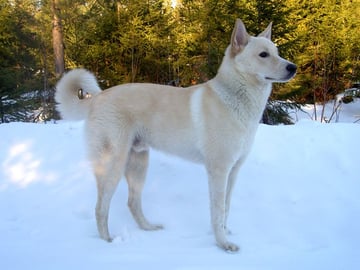
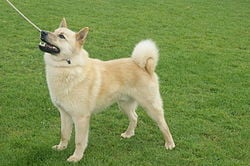
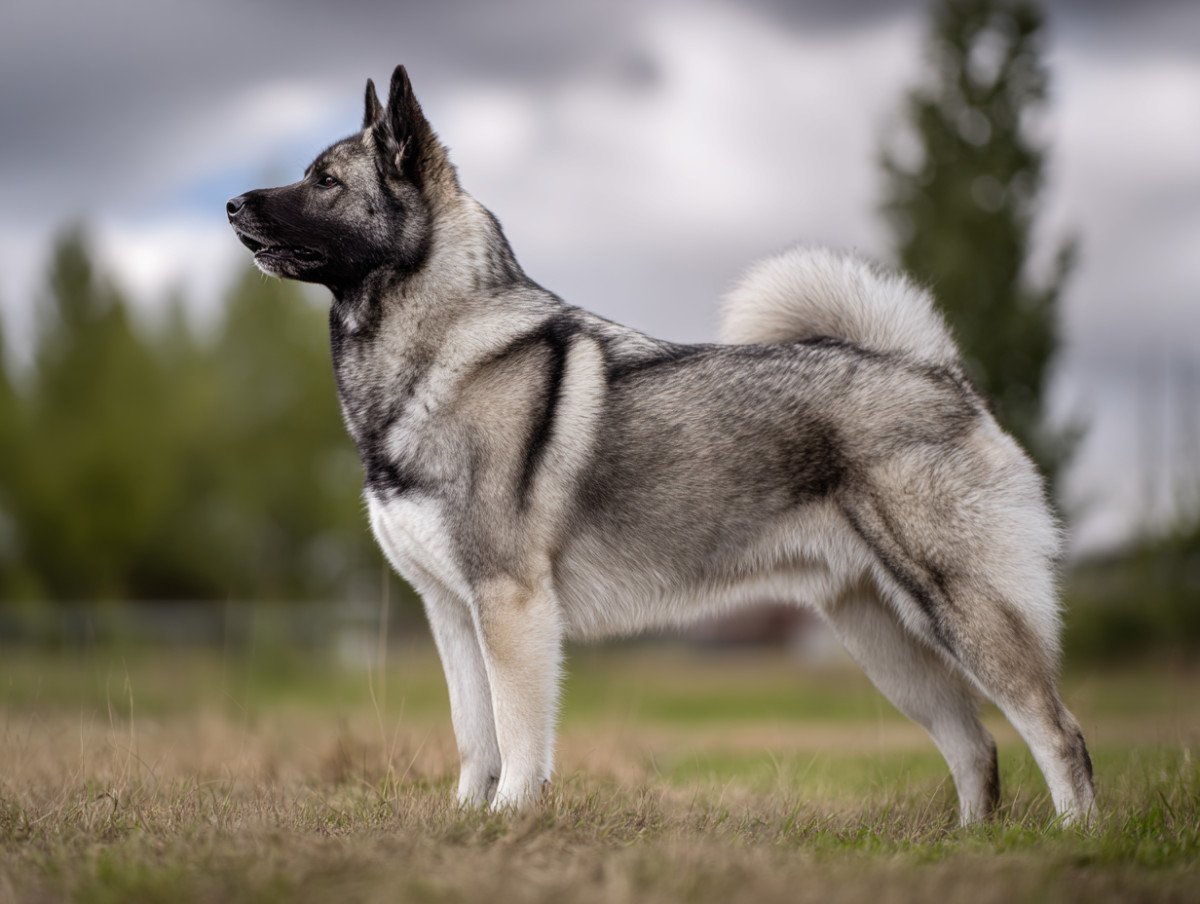
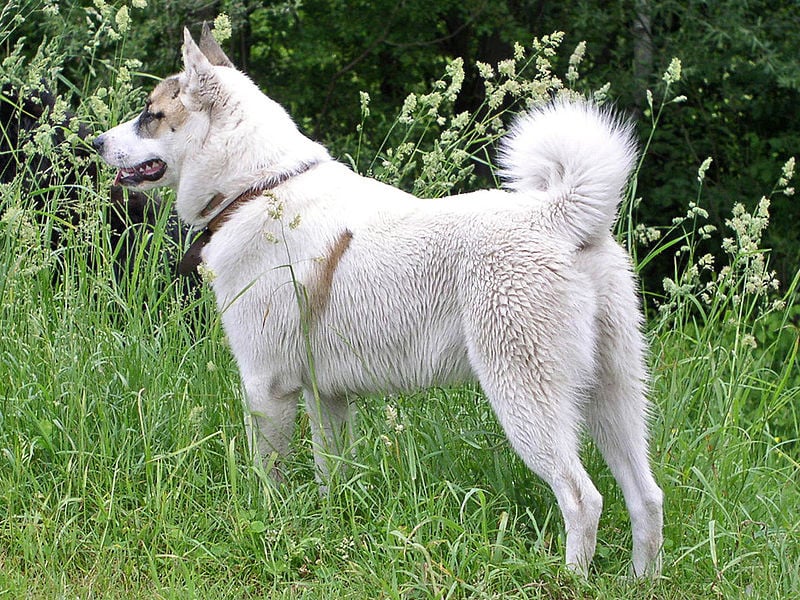
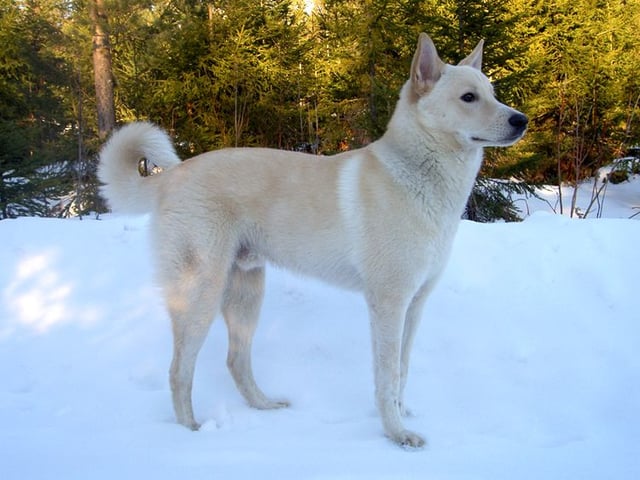
The Canaan Dog should be square rather than long in body: its body length and height at the withers should give roughly the same impression. It is medium-sized and strong without being heavy. Males may be noticeably larger and more powerful than females, but the breed standard gives the same height range of 50–60 cm and a weight of 18–25 kg.
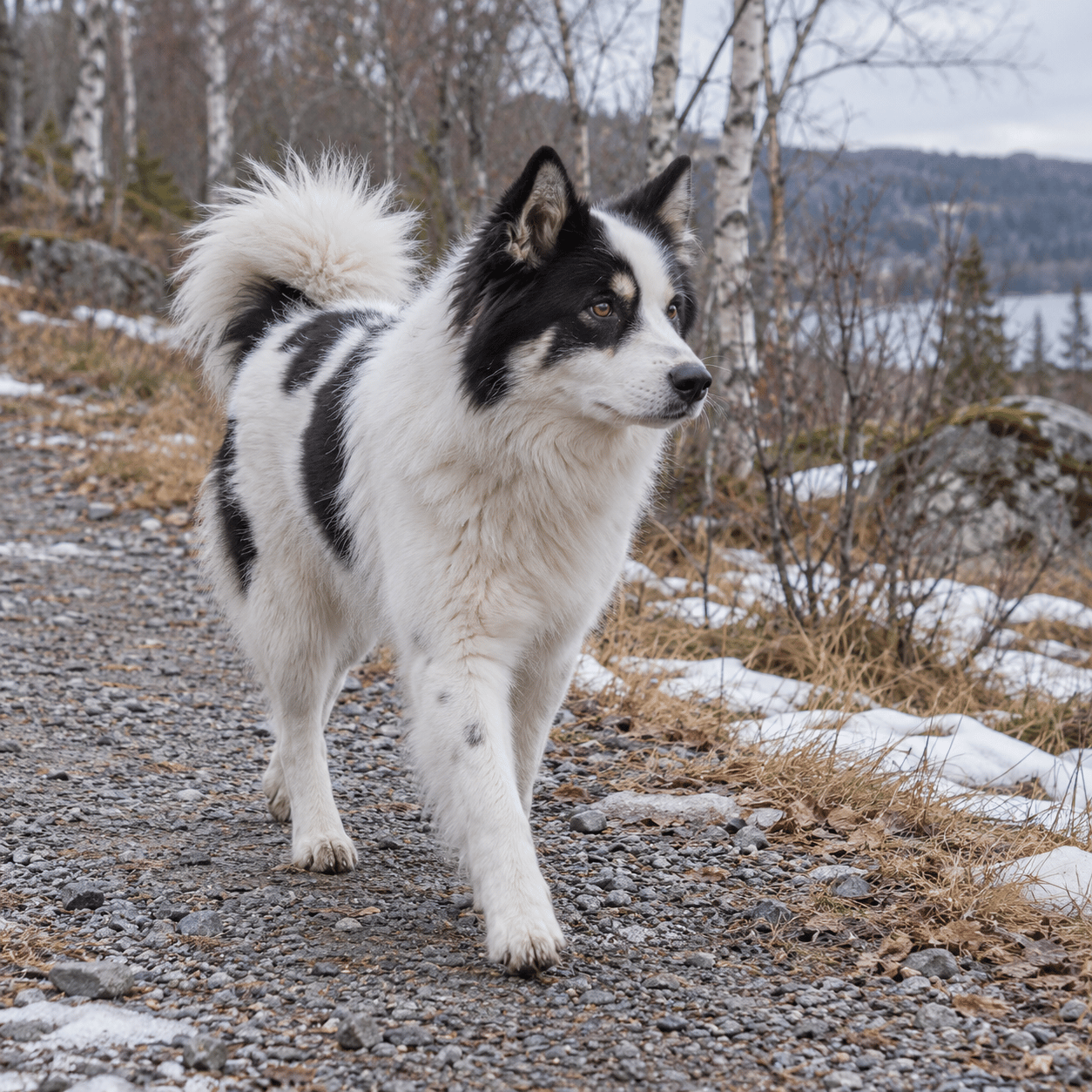
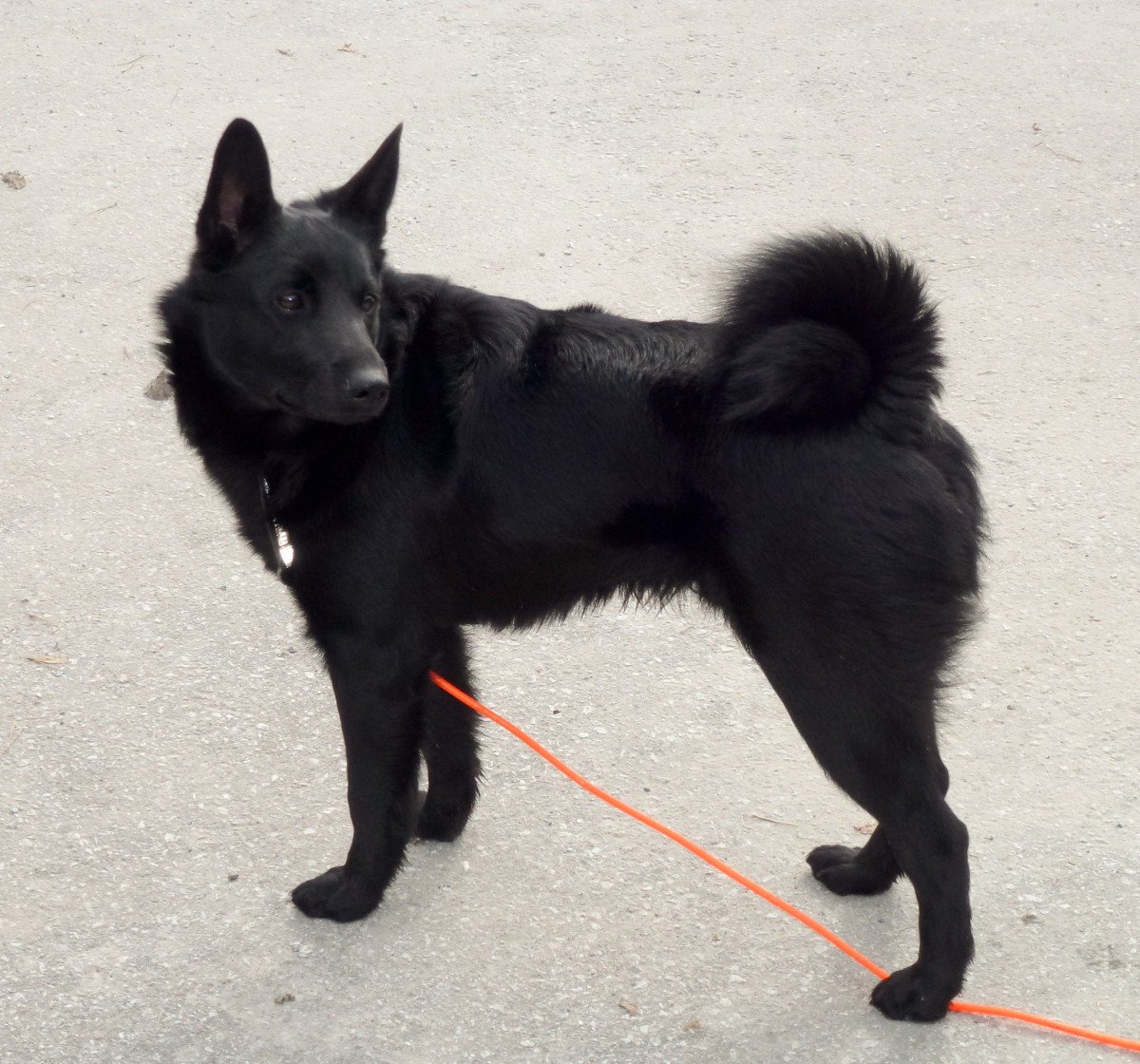
The head forms a blunt wedge. The eyes should be dark brown, slightly oblique and almond-shaped, while the fairly short ears are erect. The bushy tail is set high and carried curled over the back. The light, energetic trot should display both agility and endurance.
The coat has two distinct layers. The outer coat is dense, harsh and straight, and short to medium in length. The undercoat is dense and abundant. Coat care is generally straightforward: bathe when necessary and brush more thoroughly while the undercoat is shedding. There is no need for a rigid weekly schedule or baths at fixed monthly intervals; adapt grooming to the individual dog's coat, skin and level of shedding.
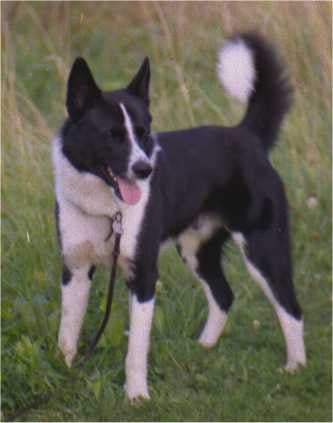
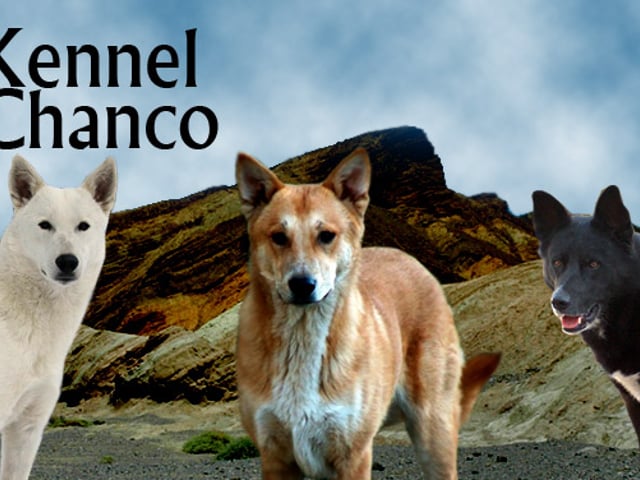
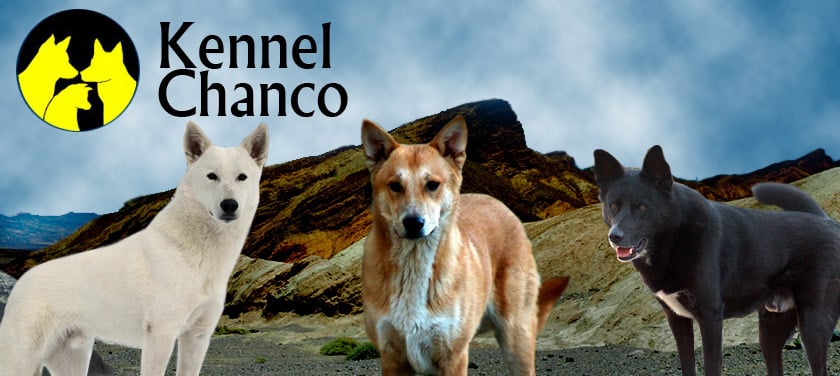
The breed standard permits sand to red-brown, white, black or spotted coats, with or without a mask. A mask must be symmetrical, and white markings are allowed. Grey, brindle, black and tan, and tricolour are not permitted by the standard. Desert colours such as sand, gold, red and cream are especially typical.
¶Temperament & Personality
The Canaan Dog is alert, quick to react and may be suspicious of strangers. It is strongly inclined to guard and defend, but aggression is not an acceptable breed trait. The standard lists both aggression and extreme shyness as disqualifying faults.
It is therefore important to distinguish a reserved dog from a fearful one. A reserved dog may choose to keep its distance, avoid contact and then settle again once the situation is under control. Repeated panic, an inability to recover or threatening lunges should not be dismissed as part of being a primitive breed. Ask to see how the parents respond to an unfamiliar person, unexpected sounds and handling, not only how they behave at home with their own family.
The breed is described as very devoted to its owner and suitable for training, but it is not known for being outgoing with everyone. A good daily routine should not depend on the dog having to greet people. The aim is for it to remain neutral, look to its handler for support and pass people without feeling responsible for monitoring them.
An experienced owner does not need to be harsh. Experience shows instead in noticing early signs of tension, keeping a suitable distance and ending a situation before the dog becomes overwhelmed. Clear routines help, but coercion, intimidation and so-called pack-leader methods can make a cautious dog feel less secure.
¶Training & Exercise
The Canaan Dog needs daily physical activity, mental engagement and practice in settling. Neither the breed standard nor the Swedish Kennel Club prescribes an exact number of exercise hours that suits every dog. Instead, consider whether the dog can concentrate, recover and remain settled at home after an activity.
Varied walks can be combined with short sessions of everyday obedience, scent work, body awareness or other tasks with a clear purpose. Obedience and agility are seen within the breed, but activities should suit the dog's age, health and interests. More exercise does not automatically solve barking or anxiety; a dog that is constantly over-aroused may need quieter settings and more recovery rather than a harder schedule.
Use rewards and increase the difficulty in small steps. Begin recall, lead walking, handling and calm behaviour at the door in places where the dog can succeed. Then practise the same skills where you can keep a generous distance from distractions. If the dog stops taking rewards, fixes its gaze or cannot turn back to you, the situation is too difficult. Increase the distance and make the next attempt easier.
Socialisation does not mean that many people must stroke the puppy. Let it observe different people, animals, surfaces, traffic and settings from a distance at which it can still explore and recover. Reward calm choices and allow it to move away. The breed should also learn that visitors can come inside without the dog having to take charge of the door.
Neither the breed standard nor the Swedish Kennel Club's breed information promises that a Canaan Dog will be safe off lead. Build recall under controlled conditions and use a lead or long line when the setting, wildlife or how responsive the dog is that day leave you unsure how it will react.
¶Health
The Swedish Kennel Club describes the Canaan Dog as sound and reports that isolated cases of hip dysplasia, progressive retinal atrophy, patellar luxation and autoimmune disease have been observed. That is not the same as current prevalence data. The Swedish breed-specific breeding strategy is dated 2006, so it records what had been observed at that time but not how common any condition is in the breed today.
The Swedish Kennel Club's 2026 registration rules impose no Canaan Dog-specific requirement for hip status, an index or any other health test. This does not mean that breeding dogs should go without health checks. As a buyer, ask exactly what has been examined, why the breeder chose those examinations, and which results are available for the parents and close relatives.
For comparison, the Canaan Dog Club of America's CHIC health programme covers hips, elbows, patellas, eyes and autoimmune thyroiditis. This is a US club recommendation, not a Swedish registration requirement. The list can still prompt useful follow-up questions, especially if any of those problems occurs in the family line concerned.
Ask to see verifiable results rather than accepting a general statement that the breed is healthy. Also ask about longevity, movement, vision, knees, thyroid health and recurring immune-related problems in close relatives. A responsible breeder should be able to distinguish an official result, a veterinary assessment and a personal observation.
¶History & Origins
The documented history of the modern Canaan Dog begins in 1930s Palestine. Rudolphina and Rudolph Menzel began a breeding programme using local, semi-wild pariah dogs. Dogs of this type had been used by Bedouin communities for guarding and herding and were adapted to the region's climate and environment.
It is reasonable to speak of an old regional dog type, but the documented development of the modern breed begins with the programme of the 1930s. That is more precise than describing every modern Canaan Dog as unchanged since biblical times. The FCI recognised the breed on a definitive basis in 1966. According to the historical section of the Swedish breeding strategy, the first Canaan Dog arrived in Sweden in 1999.
This background helps explain why the standard emphasises vigilance, quick reactions and caution towards the unfamiliar. It does not excuse aggression or extreme fear; both are contrary to the breed standard.
¶Living with the Breed
The Canaan Dog is best suited to a home that wants to live with an observant guard dog, rather than trying to turn it into a socially outgoing retriever type. Its owner needs to plan visits, train neutral behaviour and provide a resting place where the dog will not be disturbed. If you want a dog that spontaneously welcomes every person and dog, this breed may be a poor match.
Children and a Canaan Dog can live together successfully, but the breed name is no guarantee. An adult should always supervise young children with the dog, the children must respect its signals, and the dog must be able to retreat to a protected resting place. Judge the individual dog's ability to recover and tolerate activity rather than relying on the label “family dog”.
The same applies to other dogs, cats and small animals. Neither the breed standard nor the Swedish Kennel Club's information gives a universal yes or no. Ask how the parents behave with animals outside their own home, how the puppy has been raised and how introductions have been handled. Keep food and resting places separate at first and arrange controlled meetings. Stop if the dog becomes fixated or the other animal cannot move away.
Flat living can work if the dog's needs are met, but sounds in a communal hallway and visitors should be addressed early in training. Pay attention to how the dog responds, not merely whether it barks: can it stop watching and settle again? If the answer is often no, the environment, distance and training need to change. A garden does not replace walks or training, and it does not solve guarding behaviour on its own.
Time alone must be introduced gradually, and results vary between individuals. A young puppy cannot be left alone, and adult dogs also differ greatly in what they can manage. Increase the duration only when the dog can rest without guarding the door, pacing, howling or becoming stressed. Independence does not automatically mean that the breed enjoys being alone.
Before buying a puppy, you should be able to answer yes to three questions: Can I give the dog space without isolating it? Can I train patiently when it reacts quickly? Can the breeder show stable temperament and explain which health examinations were carried out and why? If any part remains unclear, meeting more adult Canaan Dogs matters more than reading another general breed description.
¶Ominaisuudet
¶Usein kysytyt kysymykset
Millainen kanaaninkoira on yleensä luonteeltaan perheenjäsenten ja vieraiden seurassa?
Tämän rodun koirat ovat yleensä hyvin omistautuneita perheelleen ja valppaita sen suojelijoita. Ne kiintyvät usein erityisen läheisesti yhteen tai kahteen ihmiseen. Vieraita kohtaan ne ovat tavallisesti pikemminkin pidättyväisiä, varautuneita tai etäisiä kuin avoimen ystävällisiä. Tämä kuvastaa rodun perinteistä tehtävää valppaana vahtikoirana, joka ilmoittaa havaitsemastaan.
Sopivatko kanaaninkoirat ensikertalaisille koiranomistajille?
Ne voivat olla haastavia ensimmäistä koiraansa hankkivalle, sillä ne ovat erittäin älykkäitä, itsenäisiä ja herkkiä sille, miten niitä käsitellään. Aloittelevakin koiranomistaja voi kuitenkin pärjätä, jos hän sitoutuu rauhalliseen ja johdonmukaiseen koulutukseen, varhaiseen sosiaalistamiseen sekä riittävän aivotyön ja liikunnan tarjoamiseen.
Kuinka paljon liikuntaa kanaaninkoira tarvitsee päivittäin?
Useimmat aikuiset koirat tarvitsevat päivittäin vähintään 60–90 minuuttia liikuntaa, kuten reippaita kävelylenkkejä, vapaana juoksemista turvallisella alueella tai ohjattuja harrastuksia, kuten jäljestystä tai tottelevaisuuskoulutusta. Aivotyö on aivan yhtä tärkeää, sillä ne on jalostettu ajattelemaan itsenäisesti, ja liian vähäiset virikkeet voivat saada ne tylsistymään ja äänekkäiksi.
Sopiiko kanaaninkoira kerrostaloasuntoon?
Kerrostaloasuminen on mahdollista, jos talon järjestyssäännöt eivät ole melun suhteen tiukat ja koira saa päivittäin runsaasti liikuntaa ja koulutusta. Rodun luontainen taipumus haukkua ääniä ja liikettä voi aiheuttaa ongelmia, kun naapurit asuvat lähellä. Siksi sille sopii yleensä paremmin koti, jossa se voi ilmoittaa havainnoistaan haukkumalla häiritsemättä naapureita.
Kuinka voimakas kanaankoiran vartiointi- ja reviirivietti on?
Rodulla on vahva vartiointivietti ja tarkka tietoisuus omasta reviiristään, mikä juontaa juurensa sen alkuperäiseen tehtävään kylien ja karjalaumojen vartijana. Nämä koirat partioivat tyypillisesti kotinsa ympäristössä ja ilmoittavat haukkumalla vieraista ihmisistä tai muutoksista. Ne tarvitsevat jo varhain koulutusta oppiakseen erottamaan todelliset uhat arkipäiväisistä tilanteista.
Ovatko kanaaninkoirat vaikeita kouluttaa itsenäisen luonteensa vuoksi?
Ne oppivat nopeasti, mutta pohtivat usein, kannattaako käskyä noudattaa, joten kovat tai toistoon perustuvat koulutusmenetelmät kääntyvät helposti itseään vastaan. Parhaiten toimivat lyhyet ja vaihtelevat harjoitukset, joissa käytetään palkkioita ja pidetään rajat selkeinä. Omistajan kannattaa varautua siihen, että koira on itsenäinen eikä erityisen miellyttämishaluinen.
Mitkä ovat kanaaninkoirien yleisimmät terveysongelmat?
Rotu on yleisesti ottaen melko terve, mutta sillä voi olla alttiutta esimerkiksi lonkka- ja kyynärniveldysplasialle sekä joillekin silmäsairauksille, kuten etenevälle verkkokalvon surkastumalle. Vastuulliset kasvattajat yleensä seulovat näitä sairauksia, ja säännölliset eläinlääkärintarkastukset auttavat havaitsemaan mahdolliset ongelmat varhain.
Kuinka paljon hoitoa kanaankoiran kaksinkertainen turkki vaatii?
Lyhyt tai keskipitkä kaksinkertainen turkki on helppohoitoinen suurimman osan vuodesta. Yleensä viikoittainen harjaus riittää irtokarvojen ja lian poistamiseen. Kausittaisen karvanlähdön aikana karvaa voi irrota runsaasti, jolloin turkkia on harjattava useammin, jotta karvaa ei kertyisi niin paljon kotiin.
Tulevatko canaaninkoirat hyvin toimeen muiden koirien ja lemmikkien kanssa?
Ne voivat elää sopuisasti muiden koirien ja lemmikkien kanssa, jos ne sosiaalistetaan pienestä pitäen, mutta monet valikoivat seuransa eivätkä välttämättä siedä epäkohteliaasti käyttäytyviä tai päällekäyviä koiria. Niiden reviiri- ja vartiointivietti voi ilmetä vieraita koiria kohtaan, joten huolellinen tutustuttaminen ja valvonta ovat tärkeitä.
Millaiselle omistajalle tai millaiseen elämäntyyliin kanaaninkoira sopii parhaiten?
Tämä rotu sopii kokeneelle ja varmalle omistajalle, joka arvostaa luontaista vahtikoiraa ja nauttii älykkään, itsenäisen koiran kouluttamisesta. Vakaa koti, jossa on selkeät säännöt ja rutiinit, säännöllisesti sekä aivojumppaa että liikuntaa ja koiraa kunnioittava kohtelu, auttaa koiran luontaista valppautta ja uskollisuutta kehittymään tasapainoisesti.
¶Vertailu muihin rotuihin
Vertaa rotua Canaan Dog muihin rotuihin ja katso erot luonteessa, aktiivisuudessa ja hoidossa ennen kuin teet valintasi. Näytä kaikki vertailut