Tosa til salg
Leder du efter en Tosa til salg i Danmark? Her finder du aktuelle hvalpe og voksne hunde fra både opdrættere og private sælgere. Sammenlign pris, alder og placering, og kontakt sælgere direkte.
0 kæledyr fundet

Ingen resultater fundet
Vi kunne ikke finde nogen resultater. Prøv at opdatere din søgning.
Gå ikke glip af noget!
Gem denne søgning, så giver vi dig besked, når der dukker nye kæledyr op.
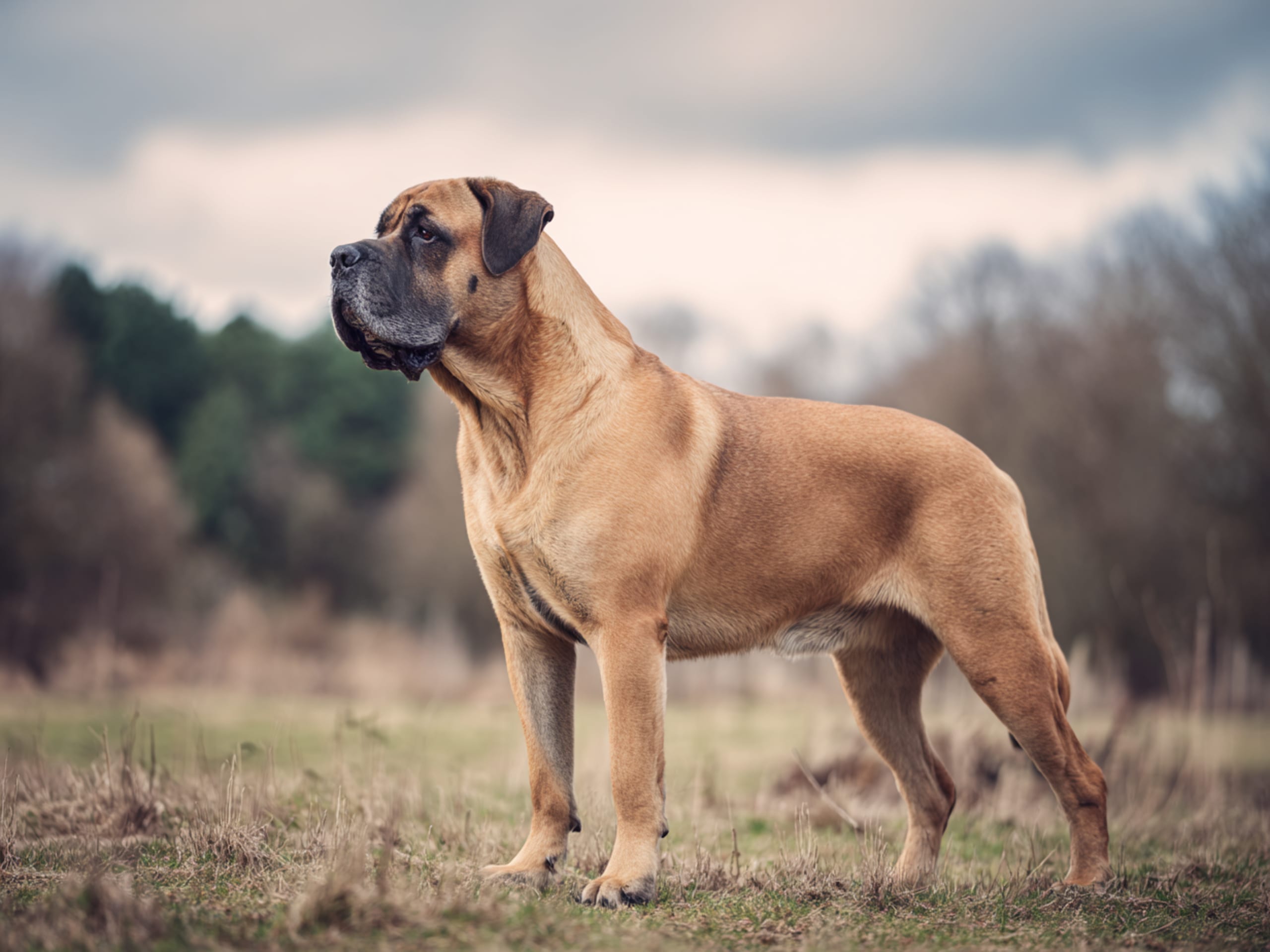
At købe en Tosa
At købe en Tosa er en stor beslutning, og det er vigtigt at føle sig tryg gennem hele processen. På Get a Pet kan du sammenligne aktuelle annoncer fra både opdrættere og private sælgere, se pris, alder og placering samt kontakte sælgere direkte.
Alle annoncer viser grundlæggende information om hunden, så du nemt kan vurdere, om den passer til din livsstil og dine rammer.
Hvilken form for temperament har tosaen over for henholdsvis familiemedlemmer og fremmede?
Denne race er som regel rolig, værdig og dybt loyal over for sin familie og knytter ofte et særligt stærkt bånd til én hovedperson. Over for fremmede kan den være reserveret eller afventende og kan udvise tydelige beskyttelsesinstinkter. Tidlig og grundig socialisering er afgørende for, at mistænksomhed ikke udvikler sig til forsvarsadfærd. I et stabilt og velfungerende hjem er den som oftest tryg og jævn af sind snarere end åbenlyst og udpræget kærlig.
Er tosa en sikker hund for førstegangs-ejere?
Dette anbefales generelt ikke til uerfarne ejere. Det er en kraftfuld, selvsikker vagthundstype, som har brug for klare grænser, konsekvent håndtering og en god forståelse for hundes kropssprog. Fejl i træning eller socialisering kan være svære at rette op på på grund af dens størrelse og styrke. Den egner sig bedre til ejere, der tidligere har haft store, stærkviljede brugs- eller vagtracer.
Hvorfor er tosaen forbudt eller reguleret i nogle lande?
Racen blev historisk avlet til hundekampe i Japan og klassificeres som en “farlig” eller “restrikteret” race i flere lande. Lovgivningen fokuserer ofte på dens baggrund inden for hundekampe, størrelse og risikoen for alvorlige skader, hvis den håndteres forkert. Der kan derfor være importforbud, krav om mundkurv, særlige tilladelser eller forsikringskrav. Den, der overvejer denne race, skal undersøge lokale love og regler, før der lægges nogen planer.
Hvor meget motion og mental stimulering har en Tosa brug for hver dag?
Voksne hunde har som regel brug for mindst 60–90 minutters fysisk motion om dagen, fordelt på planlagte gåture og kontrolleret fri aktivitet. Selvom de ofte er rolige indendørs, har de godt af mentale udfordringer som lydighedstræning, næsearbejde og problemløsningslege. Højintensiv træning bør begrænses, mens hunden stadig vokser, for at skåne leddene. Regelmæssige træningssessioner er mindst lige så vigtige som den fysiske aktivitet for at holde hunden i balance.
Kan en Tosa bo i en lejlighed eller et lille hus?
Det er muligt i visse tilfælde, men kun med meget engagerede og erfarne ejere. Racen er som regel rolig indendørs og kan være relativt stille derhjemme, hvis den får tilstrækkelig motion og mental stimulering. Til gengæld kan dens størrelse, styrke og eventuelle mistro over for fremmede gøre fællesarealer som elevatorer og opgange mere udfordrende. Sikker adgang til udendørsarealer og omhyggelig håndtering af møder med offentligheden er vigtige faktorer at tage højde for.
Hvordan kommer en Tosa typisk ud af det med andre hunde og kæledyr?
Denne race kan være selektiv med, hvilke hunde den accepterer, og er ofte intolerant over for hunde af samme køn eller med samme styrke, især hunde af samme køn. På grund af sin baggrund inden for kamp kan nogle individer reagere dårligt på udfordringer eller hård leg. Tidlig, kontrolleret socialisering og meget omhyggelig håndtering omkring ukendte hunde er afgørende. Mange ejere oplever, at det er sikrest kun at have dem sammen med hunde af modsat køn eller som eneste hund i hjemmet.
Hvilke sundhedsproblemer er mest almindelige hos tosa?
Ligesom mange andre store og meget store racer er de tilbøjelige til at få hofte‑ og albuedysplasi, korsbåndsskader samt mavedrejning (bloat/gastrisk torsion). Hjertesygdomme og visse former for kræft kan også forekomme. Ansvarlige opdrættere sundhedstester avlsdyrene for ortopædiske og hjerterelaterede problemer og følger deres linjer nøje med hensyn til arvelige sygdomme. Kommende ejere bør forvente udgifter til foder af høj kvalitet, ledstøtte samt eventuel specialistbehandling hos dyrlægen.
Hvor svært er det at træne en tosa, og hvilken metode virker bedst?
De er intelligente og lærenemme, men kan være selvstændige og langsomme til at adlyde, hvis de ikke ser nogen klar grund til det. Rolig, konsekvent træning med tydelige, men retfærdige grænser og virkelig værdifulde belønninger fungerer bedst. Hårde irettesættelser eller konfronterende metoder kan skade tilliden og øge modstanden. Tidlig lydighedstræning og regelmæssig opfølgende træning gennem hele voksenlivet er vigtig for sikkerhed og kontrol.
Hvor meget pelspleje og savlen kan jeg forvente af en tosa?
Den korte pels er let at holde og behøver som regel kun at blive børstet en gang om ugen samt et bad indimellem for at holde fældning og lugt under kontrol. Det store hoved og de løse læber gør dog, at mange hunde savler, især i forbindelse med mad, efter de har drukket, og i varmt vejr. Ejere har ofte håndklæder inden for rækkevidde og kan være nødt til at tørre omkring munden regelmæssigt. Regelmæssig pleje af ører, kløer og hud er stadig nødvendig, selv om pelsen er let at passe.
Er en Tosa egnet i en familie med børn?
Med den rette socialisering og et nænsomt håndteret kan nogle individer være meget blide og beskyttende over for børnene i deres egen familie. De største bekymringer er hundens størrelse, styrke og tilbøjelighed til at vise vagtsomhed, især i forhold til besøgende børn. Nøje opsyn og klare regler for både hund og børn er helt nødvendigt. Familier med meget små eller meget aktive børn kan opleve, at en mindre kraftfuld race er lettere at håndtere på en sikker måde.