Shikoku til salg
Leder du efter en Shikoku til salg i Danmark? Her finder du aktuelle hvalpe og voksne hunde fra både opdrættere og private sælgere. Sammenlign pris, alder og placering, og kontakt sælgere direkte.

0 kæledyr fundet

Ingen resultater fundet
Vi kunne ikke finde nogen resultater. Prøv at opdatere din søgning.
Gå ikke glip af noget!
Gem denne søgning, så giver vi dig besked, når der dukker nye kæledyr op.
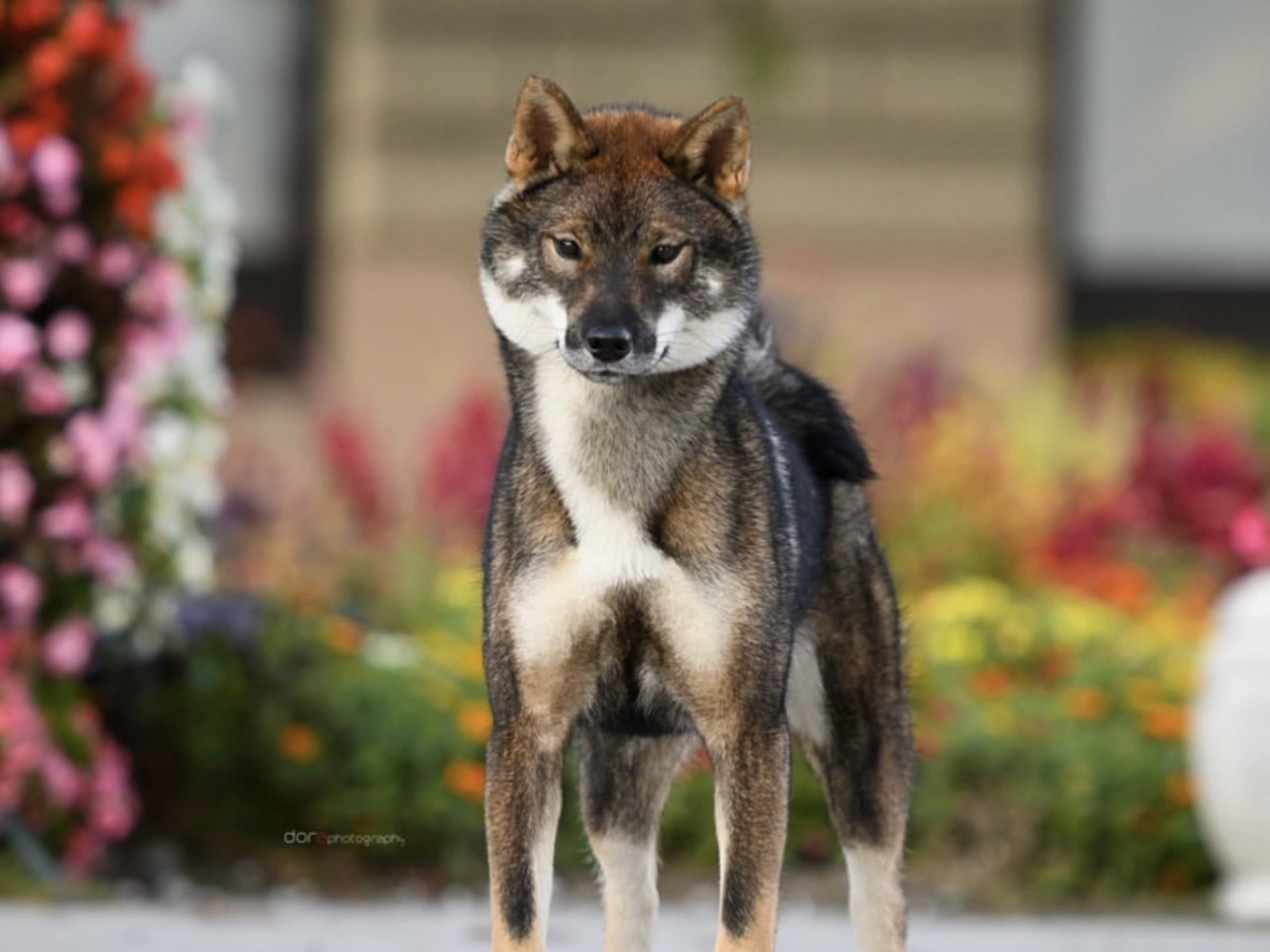
At købe en Shikoku
At købe en Shikoku er en stor beslutning, og det er vigtigt at føle sig tryg gennem hele processen. På Get a Pet kan du sammenligne aktuelle annoncer fra både opdrættere og private sælgere, se pris, alder og placering samt kontakte sælgere direkte.
Alle annoncer viser grundlæggende information om hunden, så du nemt kan vurdere, om den passer til din livsstil og dine rammer.
Hvordan er Shikokuens temperament derhjemme og sammen med familien?
Denne race er som regel loyal, opmærksom og reserveret over for fremmede, samtidig med at den knytter et meget stærkt bånd til sine primære omsorgspersoner. Den er ofte kærlig på en rolig og værdig måde frem for at være åbent kælen. Tidlig og konsekvent socialisering er vigtig for at forebygge overdreven mistænksomhed eller tilbageholdenhed.
Er shikoku en god hund til førstegangsejere?
Dette er som regel ikke en ideel race for førstegangsejere på grund af sit selvstændige, oprindelige temperament og stærke jagtinstinkt. Den kræver en rolig og tydelig fører, struktureret træning og omhyggelig socialisering. En person med erfaring med nordlige racer eller spidshunde vil opleve indlæringskurven som mere overkommelig.
Hvor meget motion har en Shikoku brug for hver dag?
Dette er en energisk jagthund, som som regel har brug for mindst 1,5 til 2 timers fysisk aktivitet om dagen. Ud over gåture eller løbeture trives den med mentalt stimulerende aktiviteter som sporarbejde, vandreture i varieret terræn eller strukturerede træningspas. Uden tilstrækkelig motion kan den blive rastløs eller udvikle uønsket adfærd.
Kan en Shikoku bo i en lejlighed eller et lille hus?
Lejlighedsbo er kun muligt for denne race, hvis dens behov for motion og mental stimulering bliver opfyldt meget konsekvent. Den er naturligt aktiv og adræt, så den trives bedst med adgang til sikre udendørsarealer og regelmæssige udflugter. God lineføring og omhyggelig håndtering af jagtinstinkt er afgørende i bymiljø.
Hvordan fungerer en Shikoku sammen med andre hunde og smådyr?
De lever ofte fint sammen med hunde, de kender, når de er ordentligt socialiserede, men der kan opstå spændinger mellem hunde af samme køn, især mellem voksne hanner. Deres baggrund som jagthunde giver dem en stærk jagtlyst, så de kan udgøre en risiko sammen med katte, smådyr eller vildt, hvis de ikke håndteres meget omhyggeligt. Tidlig, kontrolleret socialisering og nøje opsyn er afgørende.
Hvilke almindelige helbredsproblemer forekommer hos Shikoku-hunde?
Overordnet regnes dette for en forholdsvis robust race, men den kan være tilbøjelig til at udvikle hofteledsdysplasi, patellaluksation samt visse autoimmune eller allergirelaterede hudproblemer. Ansvarlige opdrættere tester for ledbesvær og holder øje med nye arvelige problemer, der kan dukke op. Regelmæssige dyrlægekontroller og at holde hunden i en slank kropskondition er vigtige for et godt, langsigtet helbred.
Hvor meget pelspleje kræver en Shikoku, og hvor meget fælder den?
De har en tæt, dobbelt pels, som er forholdsvis let at holde det meste af året, og skal børstes cirka en til to gange om ugen. Fældningen øges dog markant, når de skifter pels mellem sæsonerne, og i den periode kan daglig børstning være nødvendig for at fjerne løs underuld. Professionel pelspleje er som regel ikke nødvendig, men regelmæssig klipning af kløerne og kontrol af ørerne er stadig vigtigt.
Hvad adskiller Shikoku fra Shiba Inu og andre japanske spidshunde?
Denne race er som regel større og mere atletisk end shibaen, med en mere robust, jagtpræget kropsbygning og bevægelse. Temperamentet beskrives ofte som mere intenst og målrettet, med særlig høj udholdenhed og en stærk næse for spor. Racen har også en tydelig historie som vildsvinehund fra bjergområderne på Shikoku-øen.
Hvor træningsvillig er shikoku, og hvilken type træning fungerer bedst?
De er intelligente og opmærksomme, men også ret selvstændige, hvilket kan gøre træningen mere udfordrende end med nogle selskabshunde. Korte, varierede træningspas med positiv forstærkning og en tydelig struktur fungerer bedst. Konsekvens og tålmodighed er afgørende, da de kan teste grænser og miste interessen for gentagne øvelser.
Er shikoku en god familiehund til børn?
De kan fungere fint sammen med respektfulde, hundevante børn, især hvis de vokser op sammen fra en tidlig alder. På grund af deres reserverede temperament og baggrund som jagthunde kan de have svært ved at acceptere hårdhændet behandling eller meget støjende og kaotiske omgivelser. Tilsyn, klare regler i hjemmet og at lære børnene, hvordan de omgås hunden på en korrekt måde, er afgørende for, at begge parter føler sig trygge og godt tilpas.