Schipperke til salg
Leder du efter en Schipperke til salg i Danmark? Her finder du aktuelle hvalpe og voksne hunde fra både opdrættere og private sælgere. Sammenlign pris, alder og placering, og kontakt sælgere direkte.
0 kæledyr fundet

Ingen resultater fundet
Vi kunne ikke finde nogen resultater. Prøv at opdatere din søgning.
Gå ikke glip af noget!
Gem denne søgning, så giver vi dig besked, når der dukker nye kæledyr op.
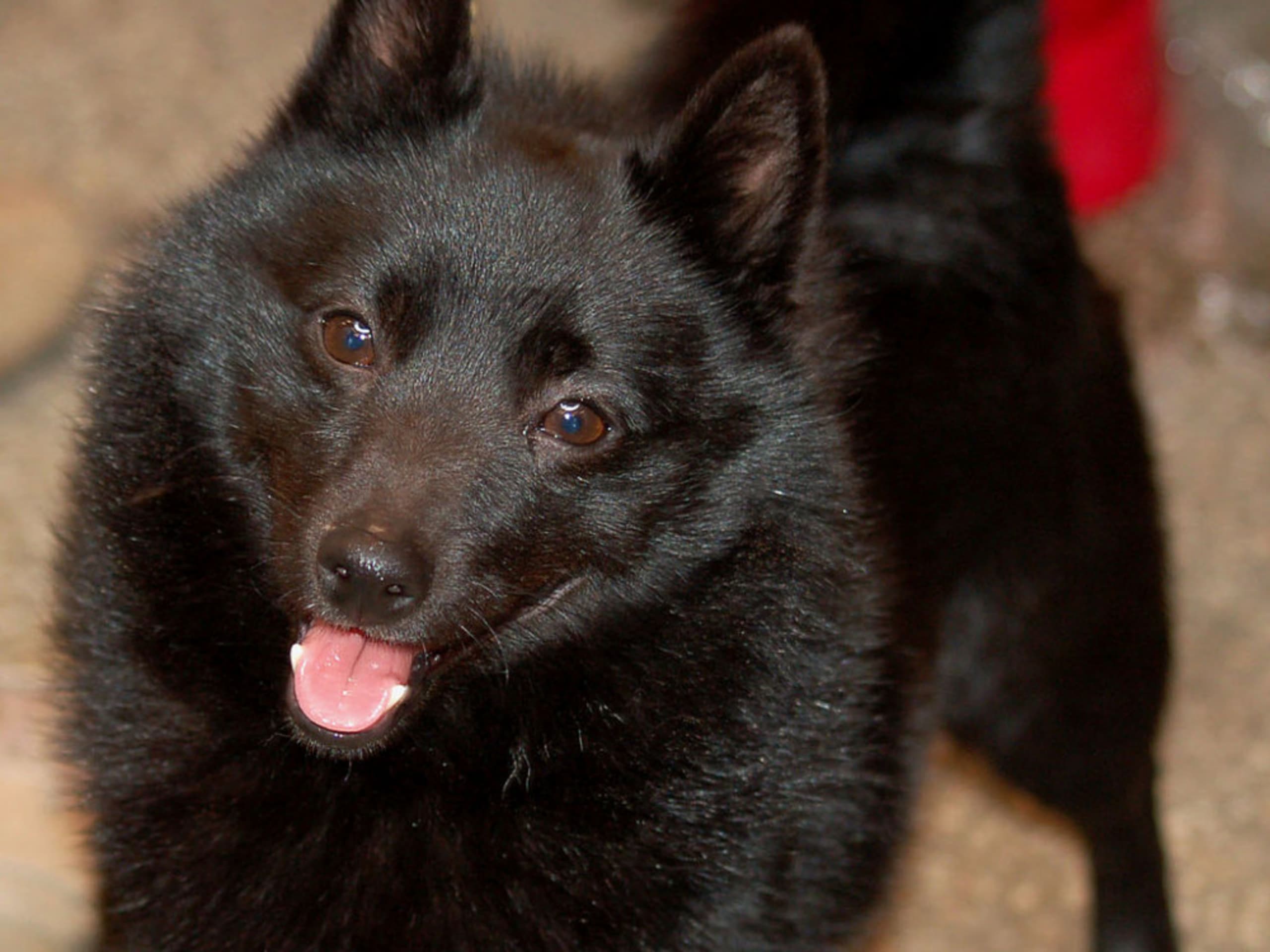
At købe en Schipperke
At købe en Schipperke er en stor beslutning, og det er vigtigt at føle sig tryg gennem hele processen. På Get a Pet kan du sammenligne aktuelle annoncer fra både opdrættere og private sælgere, se pris, alder og placering samt kontakte sælgere direkte.
Alle annoncer viser grundlæggende information om hunden, så du nemt kan vurdere, om den passer til din livsstil og dine rammer.
Hvordan er en Schipperkes temperament over for familien og over for fremmede?
Denne race er som regel livlig, opmærksom og stærkt knyttet til sin familie og danner ofte et særligt tæt bånd til én person. Over for fremmede er den som oftest reserveret og vagtsom snarere end åbent venlig. Tidlig socialisering hjælper med at modvirke overdreven mistænksomhed eller gøen, samtidig med at den naturlige vagthundsinstinkt bevares.
Hvor meget motion har en schipperke egentlig brug for, på trods af sin lille størrelse?
Trods sin lille størrelse er dette en energisk brugshund, som har brug for mindst en times målrettet aktivitet hver dag. Friske gåture kombineret med leg, agility eller træningspas hjælper med at holde den mentalt og fysisk tilfreds. Uden tilstrækkelig stimulering kan den blive larmende, rastløs eller udvikle destruktiv adfærd.
Er schipperkeen en god lejlighedshund, eller har den brug for en have?
De kan fungere fint i lejlighed, hvis de får tilstrækkelig daglig motion og mental stimulering. Deres kompakte størrelse passer godt i mindre hjem, men deres høje energiniveau og tendens til at gø kan være en udfordring på lidt plads. Konsekvent træning og god håndtering af støjniveauet er vigtigt i ejendomme med flere beboere.
Hvor svær er en Schipperke at træne, og er de stædige?
De er intelligente og lærer hurtigt, men de er også selvstændige og kan være stædige. Korte, varierede træningspas med belønning og klare regler fungerer bedst. Hvis træningen er ujævn eller uklar, kan de finde på at gøre tingene på deres egen måde, hvilket kan vise sig som selektiv hørelse eller ved, at de afprøver grænser.
Hvilken pelspleje kræver en Schipperkes dobbeltpels, og hvor meget fælder den?
Pelsen er strid og tæt med en tyk underuld, som fælder moderat det meste af året og kraftigt i de sæsonbestemte “fælleperioder”. Som regel er det nok at børste en gang om ugen, men under kraftig fældning bør man børste dagligt for at holde mængden af hår nede og forebygge filter. De har generelt kun lidt lugt og behøver ikke at blive badet ofte, kun når de er beskidte.
Hvilke sundhedsproblemer er schipperke særligt tilbøjelige til at få, og hvor længe lever de normalt?
De er generelt robuste og bliver som regel 13–15 år gamle. Vigtige helseproblemer omfatter patellaluksation, øjensygdomme og en genetisk sygdom kaldet mucopolysaccharidose type IIIB, som ansvarlige opdrættere tester for. Regelmæssige dyrlægetjek, vægtkontrol og genetisk testning i avlslinjerne er med til at mindske risiciene.
Hvad er mukopolysakkaridose (MPS IIIB) hos schipperke, og bør jeg være bekymret for det?
MPS IIIB er en arvelig stofskiftesygdom, som påvirker nervesystemet og kan føre til alvorlige neurologiske symptomer senere i livet. Der findes en DNA-test, så ansvarlige opdrættere kan identificere bærere og undgå at få hvalpe, der bliver syge. Kommende hundeejere bør bede opdrætteren om dokumentation for MPS IIIB-test af begge forældredyr.
Gør schipperke meget væsen af sig, og kan man styre det?
De er oprindeligt avlet som årvågne gård- og vagthunde, og mange har en udtalt tendens til at gø ved lyde, bevægelser eller når de ser fremmede mennesker. Tidlig træning, hvor hunden lærer et “tyst”-signal, og en gennemtænkt håndtering af det, der udløser gøen, kan reducere uønsket gøen betydeligt. Tilstækkelig motion og mental aktivering hjælper også med at forebygge gøen af kedsomhed.
Er schipperke god med børn og andre kæledyr?
Med den rette socialisering kan de være kærlige og legesyge med børn, der behandler dem respektfuldt, men deres intensitet kan blive for meget for helt små børn eller for børn, der er hårdhændede. Mange lever harmonisk sammen med andre hunde og endda katte, men nogle har en stærk jagtinstinkt over for mindre dyr. Langsomme introduktioner og omhyggelig opsyn er vigtigt, især i starten.
Hvad adskiller Schipperkens kropsbygning og bevægelser fra andre små hunderacer?
De har en kvadratisk, kompakt krop, en tydelig krave af længere pels rundt om halsen og et rævelignende hoved, der giver et skarpt, opmærksomt udtryk. Traditionelt blev halen kuperet i visse regioner, men naturlige haler bliver stadig mere almindelige. Deres bevægelser er lette og hurtige, hvilket afspejler deres oprindelige rolle som smidige pram- og skadedyrsbekæmpende hunde.