Russkiy toy til salg
Leder du efter en Russkiy toy til salg i Danmark? Her finder du aktuelle hvalpe og voksne hunde fra både opdrættere og private sælgere. Sammenlign pris, alder og placering, og kontakt sælgere direkte.
4 kæledyr fundet

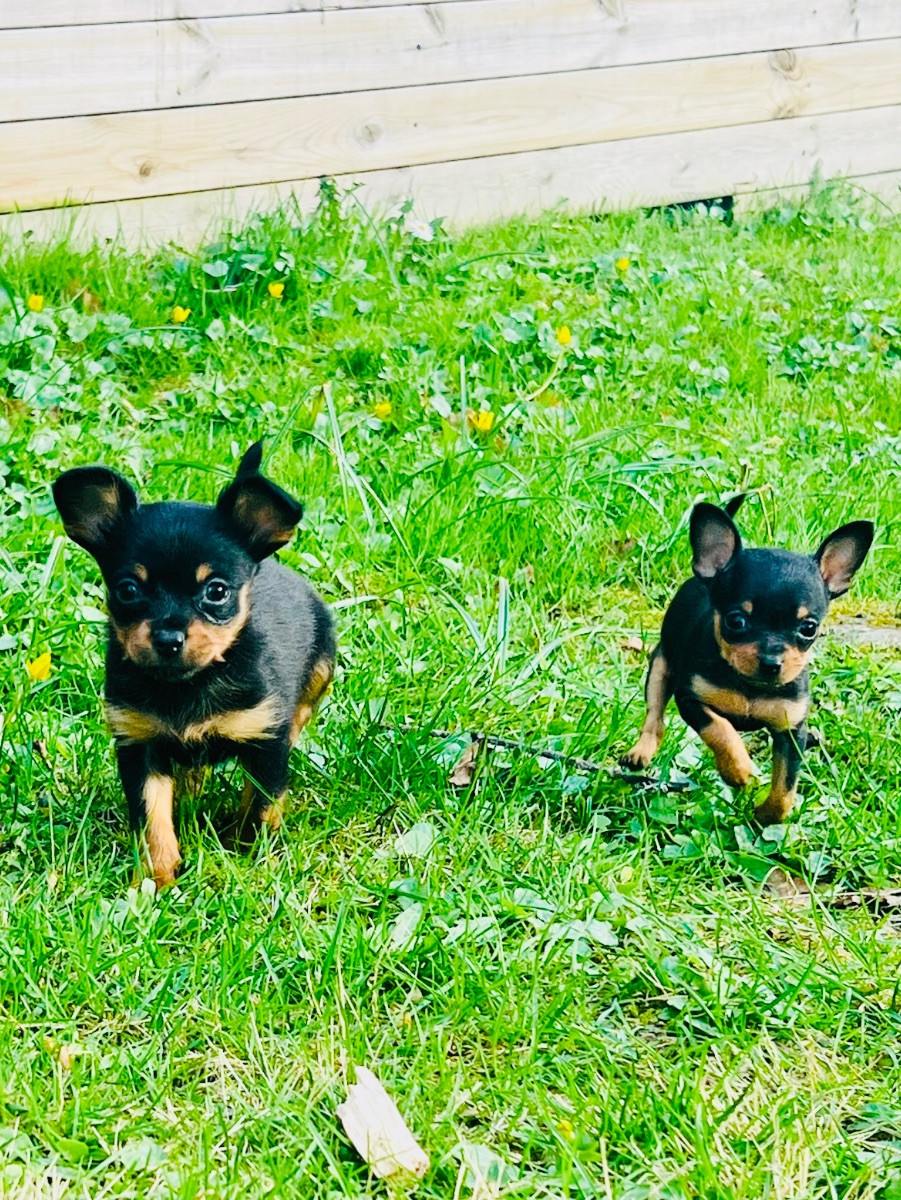


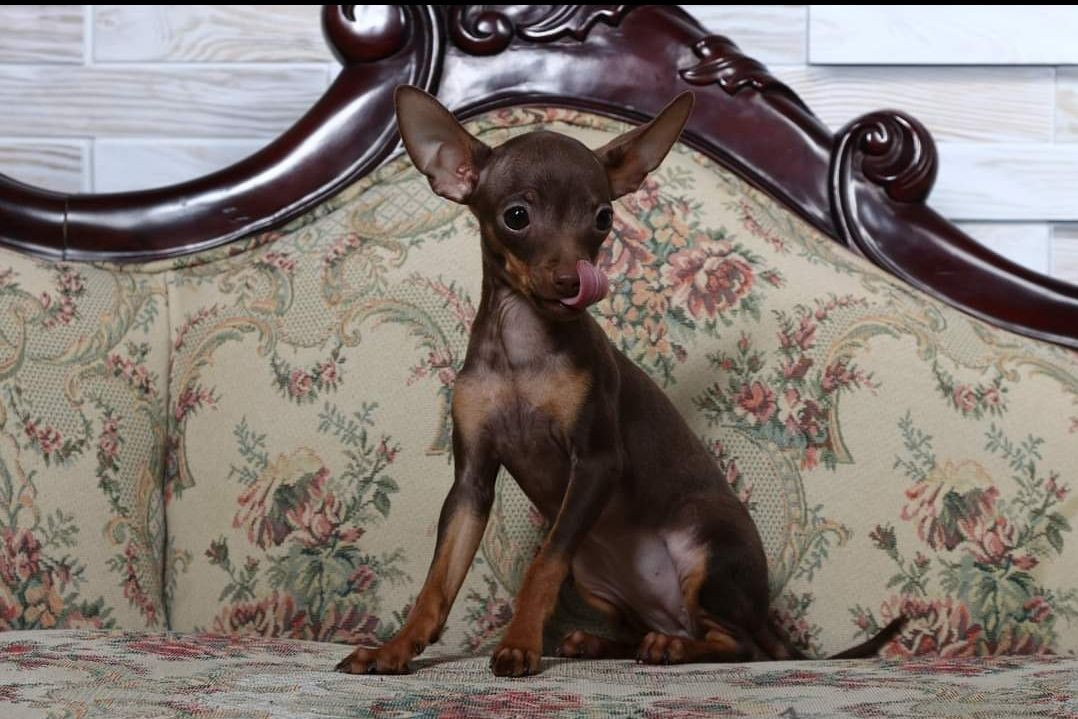

Viser 1 til 3 af 3 resultater
Gå ikke glip af noget!
Gem denne søgning, så giver vi dig besked, når der dukker nye kæledyr op.

At købe en Russkiy toy
At købe en Russkiy toy er en stor beslutning, og det er vigtigt at føle sig tryg gennem hele processen. På Get a Pet kan du sammenligne aktuelle annoncer fra både opdrættere og private sælgere, se pris, alder og placering samt kontakte sælgere direkte.
Alle annoncer viser grundlæggende information om hunden, så du nemt kan vurdere, om den passer til din livsstil og dine rammer.
Hvad er en Russkiy Toy, og hvordan adskiller den sig fra andre dværghunderacer som chihuahua eller toy manchesterterrier?
Russkiy toy er en meget lille selskabshund fra Rusland, oprindeligt udviklet ud fra English Toy Terrier. Den vejer som regel under 3 kg og findes både i korthåret og langhåret variant, med en spinkel og elegant krop. Sammenlignet med lignende dværghunderacer er den som oftest lettere, har længere ben og giver et mere terrieragtigt indtryk i både udtryk og bevægelser.
Er russkiy toy en god familiehund, og hvordan fungerer den sammen med børn?
De er kærlige og trives generelt med at være sammen med deres familie, men deres små og skrøbelige kroppe gør dem bedre egnede til hjem med ældre, varsomme børn. Hård behandling eller uheld, som f.eks. fald, kan nemt skade dem. Tilsyn og tydelige regler for, hvordan man må omgås med dem, er afgørende, hvis der er børn i hjemmet.
Hvad er de typiske temperamenttræk hos en Russkiy Toy?
Denne race er som regel livlig, opmærksom og meget menneskeorienteret og knytter ofte et stærkt bånd til en eller to yndlingspersoner. Mange er legesyge og lidt klovneagtige indendørs, men kan være tilbageholdende eller en smule afventende over for fremmede. Tidlig socialisering er vigtig, så deres naturlige vagtsomhed ikke udvikler sig til overdreven gøen eller nervøsitet.
Hvor meget motion har en russkiy toy egentlig brug for i forhold til sin størrelse?
På trods af sin lille størrelse er racen aktiv og har godt af flere korte gåture og legestunder hver dag. De har ikke behov for langdistanceløb, men mental stimulering og varierede aktiviteter hjælper med at forebygge kedsomhed og uønsket adfærd. Man bør være opmærksom på, at de ikke anstrenger sig for meget i ekstrem varme eller kulde, da de er små og har lav kropsvægt.
Hvilken pelspleje kræver en Russkiy Toy, og er der forskel på den korthårede og den langhårede variant?
Korthårede hunde kræver minimal pelspleje – som regel er det nok at børste dem en gang om ugen og give et bad en gang imellem. Langhårede hunde skal børstes oftere, især omkring ørerne, behænget og halen for at undgå filtdannelser. Begge pelsvarianter fælder moderat og har som regel lave pelsplejeomkostninger sammenlignet med mange langhårede dværghunderacer.
Hvilke sundhedsproblemer er Russkiy Toy tilbøjelige til at få?
Almindelige problemer er tandtrængsel og tidligt tandtab, skrøbelige knogler med risiko for brud samt patellaluksation i knæene. Nogle linjer kan også være disponerede for hjerteproblemer og øjensygdomme. Ansvarlige opdrættere sundhedstester deres hunde, og regelmæssige dyrlægetjek kombineret med skånsom håndtering hjælper med at reducere risikoen.
Er russkiy toy en god race til lejlighed og bymiljø?
De tilpasser sig godt til små hjem takket være deres lille størrelse og begrænsede pladsbehov. Til gengæld kan de være ret lydelige og gø ad lyde i opgangen eller mod fremmede, hvilket kan være et problem i lejligheder. Konsekvent træning og mental stimulering er vigtig for at holde dem rolige og velfungerende i hektiske bymiljøer.
Hvor sarte er russkiy toy, og hvilken særlig pleje kræver de på grund af deres lille størrelse?
Deres fine knoglebygning og meget lave vægt gør dem mere sårbare over for skader, når de hopper ned fra møbler, bliver trådt på eller leger vildt med større hunde. Mange ejere bruger ramper eller små trapper op til møblerne og lærer hunden at vente på at blive løftet op. Man skal også være ekstra forsigtig i koldt vejr, da de hurtigt mister kropsvarme og ofte har brug for at have dækken på udendørs.
Er det sværere at gøre en russkiy toy renlig end andre små hunderacer?
Precis som många andre små hunde kan de være lidt svære at gøre renlige, blandt andet på grund af deres lille blære og deres følsomhed over for kulde og vådt vejr udendørs. En meget konsekvent rutine, hyppige lufteture og nøje opsyn er vigtige. Nogle ejere har succes med at bruge toiletunderlag indendørs, men de bør ikke erstatte den grundlæggende renlighedstræning.
Hvor godt går en Russkiy Toy sammen med andre hunde og kæledyr?
Mange trives i selskab med andre små, venlige hunde og kan leve fredeligt med katte, der respekterer deres plads. Deres terrieroprindelse kan give dem en kæk attitude, som kan være risikabel sammen med meget større hunde, især hvis legen bliver voldsom. Tidlig, kontrolleret socialisering med velopdragne dyr hjælper dem med at udvikle en tryg og harmonisk adfærd.