Puli til salg
Leder du efter en Puli til salg i Danmark? Her finder du aktuelle hvalpe og voksne hunde fra både opdrættere og private sælgere. Sammenlign pris, alder og placering, og kontakt sælgere direkte.
0 kæledyr fundet

Ingen resultater fundet
Vi kunne ikke finde nogen resultater. Prøv at opdatere din søgning.
Gå ikke glip af noget!
Gem denne søgning, så giver vi dig besked, når der dukker nye kæledyr op.
At købe en Puli
At købe en Puli er en stor beslutning, og det er vigtigt at føle sig tryg gennem hele processen. På Get a Pet kan du sammenligne aktuelle annoncer fra både opdrættere og private sælgere, se pris, alder og placering samt kontakte sælgere direkte.
Alle annoncer viser grundlæggende information om hunden, så du nemt kan vurdere, om den passer til din livsstil og dine rammer.
Hvordan er en Pulis typiske temperament sammen med familie og børn?
Dette er en opmærksom, loyal og ofte legesyg hyrdehund, som typisk knytter meget stærke bånd til sin familie. Mange fungerer godt sammen med respektfulde børn, men de kan være tilbageholdende over for fremmede og kan prøve at hyrde børn, der løber. Tidlig socialisering og tydelige grænser hjælper med at håndtere deres stærke vogter- og hyrdeinstinkter.
Hvor meget pelspleje kræver en Pulis snorede pels egentlig?
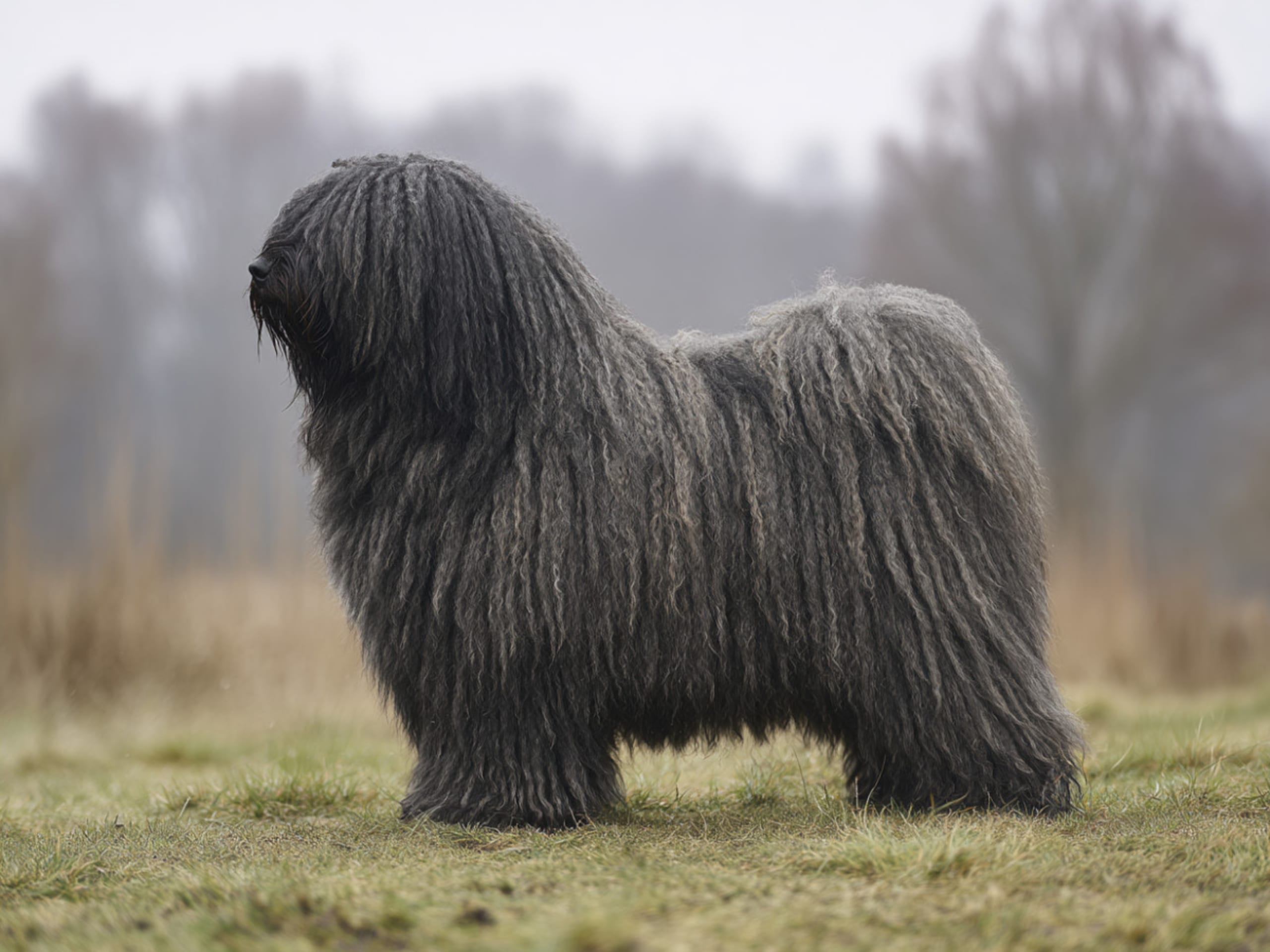
Pelsen behøver ikke børstes i almindelig forstand, men den kræver regelmæssig, manuel pleje. Når pelsen begynder at danne snore, skal ejeren dele og forme snorene i hånden, sørge for at huden holdes ren og tør og være forberedt på meget lang tørretid efter bad. Uden dette kan pelsen filtre sammen til ubehagelige klumper og holde på fugt.
Blir alla pälsar toviga, och kan man i stedet holde pelsen helt filt‑ og knudefri ved at rede/kamme den ud?
De flesta hunde af denne race er genetisk tilbøjelige til at danne snore, men pelsen kan holdes i forskellige stilarter. Nogle ejere klipper den kort for at gøre plejen lettere, mens andre lader hunden beholde en børstet, fluffy pels, som dog stadig kræver regelmæssig pelspleje. Hvis man lader pelsen begynde at danne snore uden at dele dem ordentligt op, fører det som regel til kraftige filtre.
Er puli en god hund til at bo i lejlighed?
De kan godt tilpasse sig livet i lejlighed, hvis deres behov for mental og fysisk aktivitet bliver opfyldt hver dag. Det er aktive, larmende hyrdehunde, som har brug for regelmæssige, strukturerede gåture, leg og træning for at undgå understimulering og gøen af kedsomhed. Tynde vægge og lydfølsomme naboer kan blive et problem, hvis gøen ikke holdes under kontrol.
Hvor meget motion og mental stimulering har en puli brug for?
Dette er en energisk brugshund, som som regel har brug for mindst en times målrettet aktivitet om dagen, plus muligheder for at tænke og løse opgaver. Hyrdelege, agility, lydighedstræning, nose work og varierede gåture hjælper med at holde den tilfreds. Uden tilstrækkelige udfoldelsesmuligheder kan den blive gøende, rastløs eller overdrevent kontrollerende derhjemme.
Hvilke sundhedsproblemer er Puli-hunde tilbøjelige til at få?
Almindelige sundhedsproblemer er hoftedysplasi, patellaluksation og visse øjensygdomme som progressiv retinal atrofi og grå stær. Nogle kan også udvikle autoimmune sygdomme eller hudproblemer under den tætte pels. Ansvarlige opdrættere tester for led- og øjensygdomme og fører omhyggelige sundhedsregistre over deres linjer.
Hvor godt tåler en puli varme og kulde med den tykke pels?
Den tætte pels giver god isolering i koldt og fugtigt vejr, hvilket passer til racens oprindelse som hyrdehund. I varme eller fugtige klimaer kan de let blive overophedede, hvis man ikke er opmærksom, især når pelsen er fuldt kordet. Skjul, frisk vand, begrænset aktivitet midt på dagen og nogle gange en kortere klipning er vigtige i varmt vejr.
Er puli en god hund til førstegangs-ejere?
De er meget intelligente og lærenemme, men også selvstændige, snakkesalige og krævende, når det gælder pelspleje og mental stimulering. Førstegangsejere, som er villige til at lægge tid i træning, socialisering og pelspleje, kan få det til at fungere, men mange oplever racen som krævende. En erfaren mentor eller træner er en stor hjælp.
Kommer puli godt ud af det med andre hunde og kæledyr?
Med den rette socialisering lever mange fint sammen med andre hunde og kan acceptere både katte og husdyr. Deres baggrund som hyrdehunde gør dog, at de kan finde på at jage eller ”kropsstyre” andre dyr, hvilket nogle kæledyr oplever som stressende. Kontrollerede introduktioner og træning i at afbryde hyrdeadfærd indendørs er derfor vigtige.
Hvorfor blev puli oprindeligt avlet, og hvordan påvirker det racens adfærd i dag?
De blev udviklet i Ungarn som hurtige og smidige hyrde- og kvægvogterhunde, der arbejdede tæt sammen med hyrderne. Den baggrund forklarer deres hurtige reaktioner, stærke tilknytning til deres mennesker, tendens til at gø ad alt usædvanligt og behovet for at have en opgave. Selv som selskabshunde trives de bedst, når de får tydeligt strukturerede aktiviteter og klare roller i husstanden.