Lancashire heeler til salg
Leder du efter en Lancashire heeler til salg i Danmark? Her finder du aktuelle hvalpe og voksne hunde fra både opdrættere og private sælgere. Sammenlign pris, alder og placering, og kontakt sælgere direkte.
0 kæledyr fundet

Ingen resultater fundet
Vi kunne ikke finde nogen resultater. Prøv at opdatere din søgning.
Gå ikke glip af noget!
Gem denne søgning, så giver vi dig besked, når der dukker nye kæledyr op.
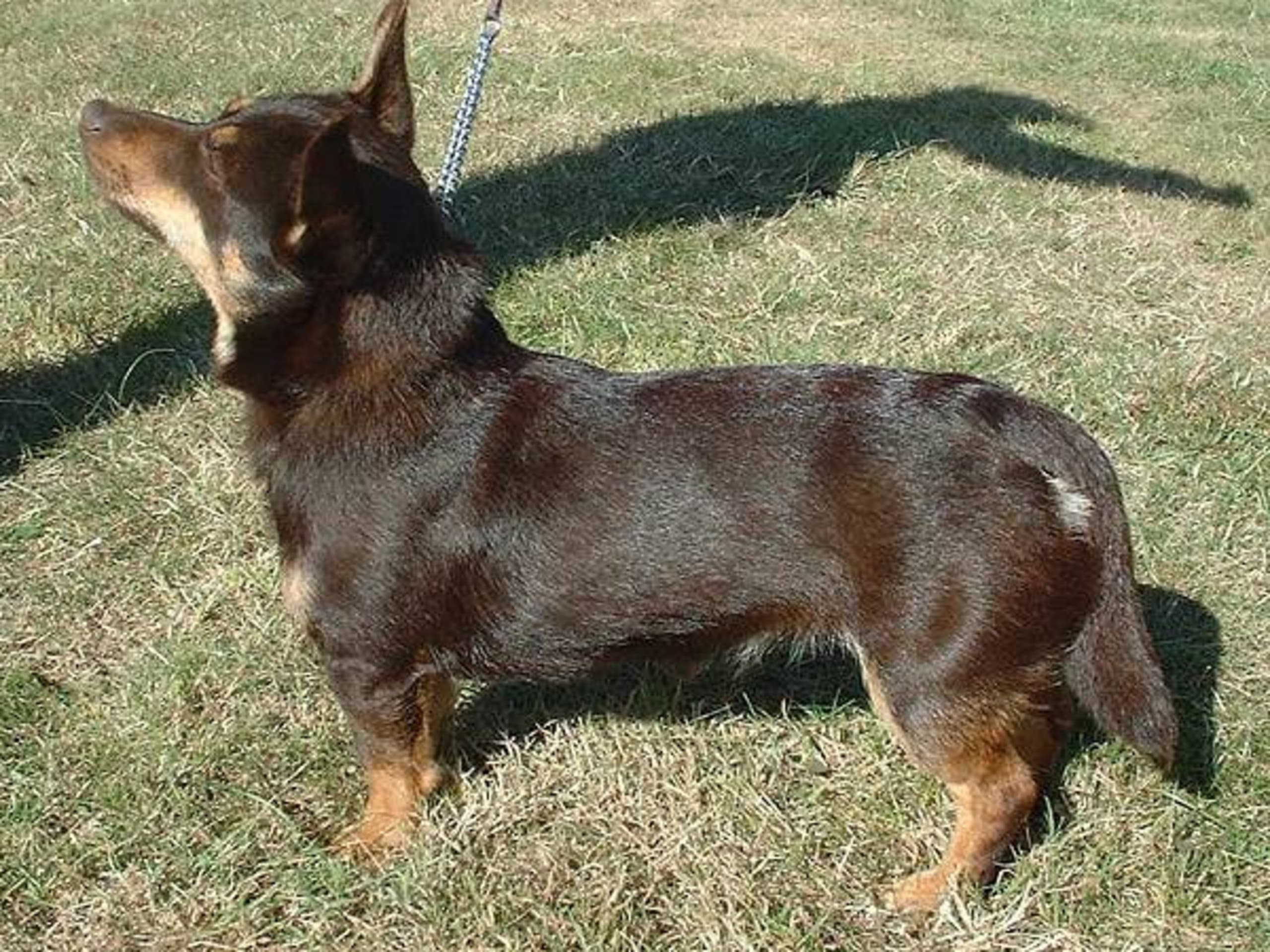
At købe en Lancashire heeler
At købe en Lancashire heeler er en stor beslutning, og det er vigtigt at føle sig tryg gennem hele processen. På Get a Pet kan du sammenligne aktuelle annoncer fra både opdrættere og private sælgere, se pris, alder og placering samt kontakte sælgere direkte.
Alle annoncer viser grundlæggende information om hunden, så du nemt kan vurdere, om den passer til din livsstil og dine rammer.
Hvad blev Lancashire heeler oprindeligt avlet til, og hvordan påvirker det dens adfærd i dag?
Racen blev udviklet som en alsidig gårdhund, brugt til at drive kvæg ved at nappe i haserne og til at holde skadedyr nede. Den baggrund forklarer dens hurtige reaktioner, stærke jagtinstinkt og tendens til at hyrde mennesker eller andre husdyr. Mange har stadig et vågent, aktivt temperament og trives bedst med tydelig vejledning og regelmæssige mentale udfordringer.
Er Lancashire heeler en god familiehund, og hvordan er den sammen med børn?
De er som regel hengivne og loyale over for deres familie, men kan være tilbageholdende over for fremmede. Med børn kan de være legesyge, men deres hyrdeinstinkt kan gøre, at de napper i hælene eller jager, især når børnene løber. Tidlig træning, nøje opsyn og at lære børn at omgås roligt med hunden er vigtigt for, at det bliver en god kombination.
Hvor meget motion har en Lancashire Heeler egentlig brug for hver dag?
Trods deres lille størrelse er det en energisk arbejdende race, som som regel har brug for mindst 60–90 minutters aktivitet om dagen. Dette bør omfatte raske gåture og leg uden snor i et sikkert område, kombineret med mental stimulering som træning eller næse-/sporlege. Uden tilstrækkelig beskæftigelse kan de blive gøende, frustrerede eller destruktive.
Har Lancashire heeler nogle særlige helbredsproblemer, som ejere bør være opmærksomme på?
Racen er generelt robust, men har kendte risici som primær linseluksation, Collie eye anomaly og patellaluksation. Visse linjer kan også være tilbøjelige til hofteledsdysplasi og nogle neurologiske problemer. Det er vigtigt at købe fra opdrættere, der sundhedstester deres hunde, og at bestille regelmæssige øjen- og ortopædiske kontroller for at opdage problemer i tide.
Hvor meget gør Lancashire Heeler, og kan man håndtere deres gøen i hjemmet?
De har en tendens til at være årvågne og gø hurtigt, hvilket afspejler deres traditionelle rolle som gårdshunde/vagthunde. Gøen kan blive overdrevet, hvis de keder sig eller får for lidt motion. Konsekvent træning, at lære dem et “stille”-signal og at give dem tilstrækkelig daglig aktivitet plejer at holde lydniveauet på et rimeligt niveau.
Er en Lancashire Heeler egnet til at bo i lejlighed eller leve et byliv?
De kan godt tilpasse sig livet i lejlighed, hvis deres behov for motion og mental stimulering bliver opfyldt på en pålidelig måde hver dag. Deres årvågne natur og tendens til at gø ad lyde i opgangen kan dog være en udfordring, når man bor tæt. Adgang til sikre udendørsområder og veltilrettelagt, regelmæssig træning er afgørende for et harmonisk liv i byen.
Kommer Lancashire Heeler godt ud af det med andre hunde og smådyr?
Med omhyggelig socialisering lever mange fint sammen med andre hunde, selvom de kan være bestemte og forsøge at hyrde deres hundevenner. Deres stærke jagtinstinkt betyder, at man ofte ikke kan stole på dem sammen med smådyr som gnavere eller kaniner. Introduktioner bør foregå under kontrollerede forhold, og smådyr holdes som regel sikrest adskilt.
Hvilken type pelspleje har en Lancashire Heeler brug for, og hvor meget fælder den?
De har en kort, vejrbestandig dobbeltpels, som som regel kun behøver at blive børstet én gang om ugen for at fjerne løse hår og fordele pelsens naturlige olier. De fælder moderat, men fældningen kan øges i visse perioder, hvor lidt hyppigere børstning er en fordel. Regelmæssig klipning af kløer, tjek af ører og tandpleje fuldender deres plejebehov.
Hvorfor har nogle Lancashire heeler en usædvanligt lang krop og korte ben, og påvirker det deres helbred?
Deres kropsform skyldes, at man har avlet en lav, smidig hund, som kunne undvige kreaturernes hove, når den drev dem. Ligesom andre racer med lang ryg kan de have øget risiko for rygproblemer, især hvis de er overvægtige eller ofte hopper ned fra stor højde. At holde dem slanke og i god form og undgå gentagen, hård belastning mindsker risikoen for rygproblemer.
Hvilke træningsudfordringer er almindelige hos Lancashire Heeler, og hvordan kan ejere håndtere dem?
De er intelligente og lærer hurtigt, men kan være selvstændige og har en tendens til at teste grænser. Hyrdeinstinkter, napperi mod bevægende fødder og gøen ved den mindste lyd er de mest almindelige problemer. Konsekvent, belønningsbaseret træning, som kanaliserer deres energi over i klare, strukturerede opgaver, fungerer som regel godt og hjælper med at forhindre, at problemadfærd udvikler sig til vaner.