Keeshond til salg
Leder du efter en Keeshond til salg i Danmark? Her finder du aktuelle hvalpe og voksne hunde fra både opdrættere og private sælgere. Sammenlign pris, alder og placering, og kontakt sælgere direkte.
3 kæledyr fundet
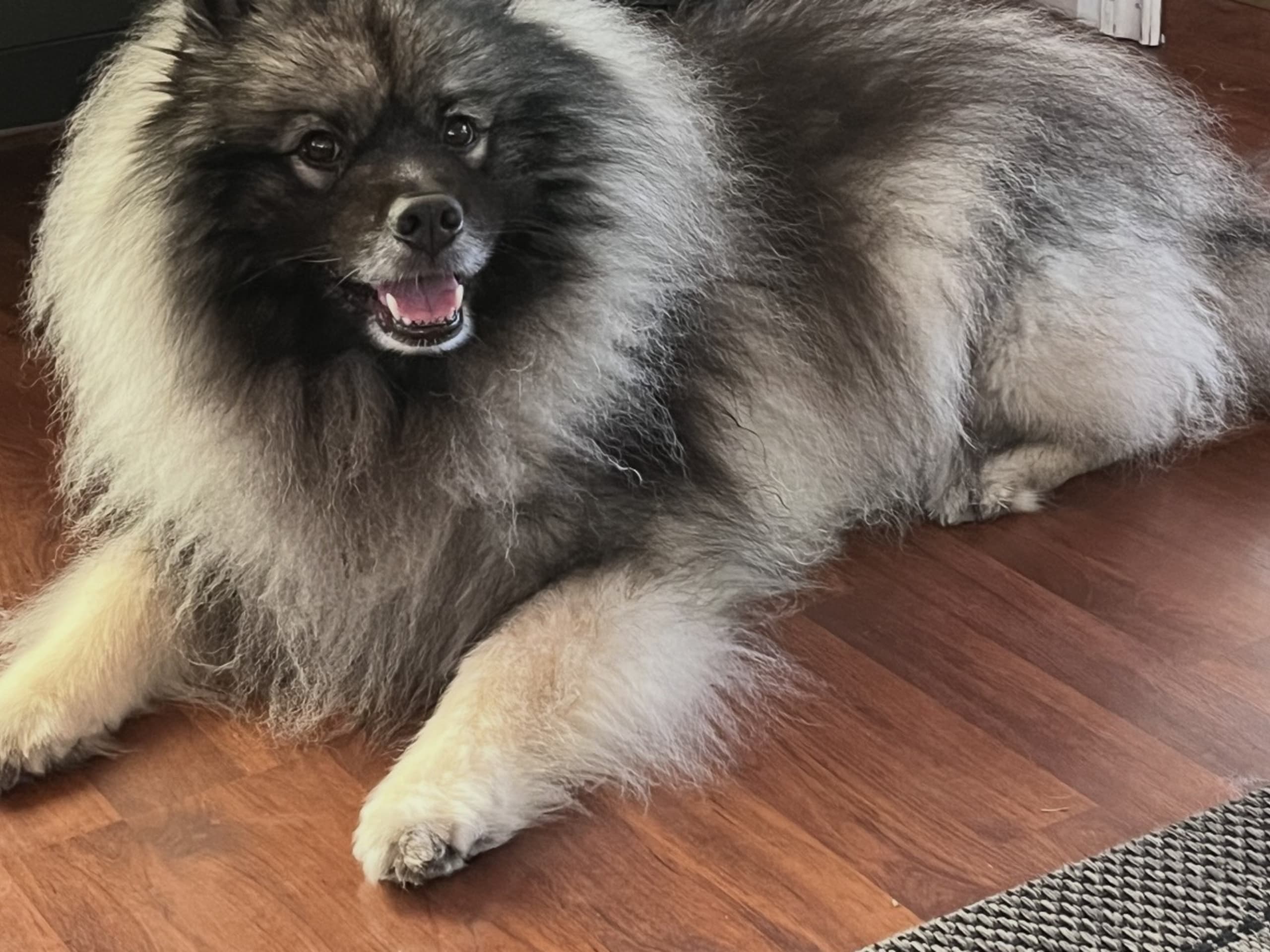
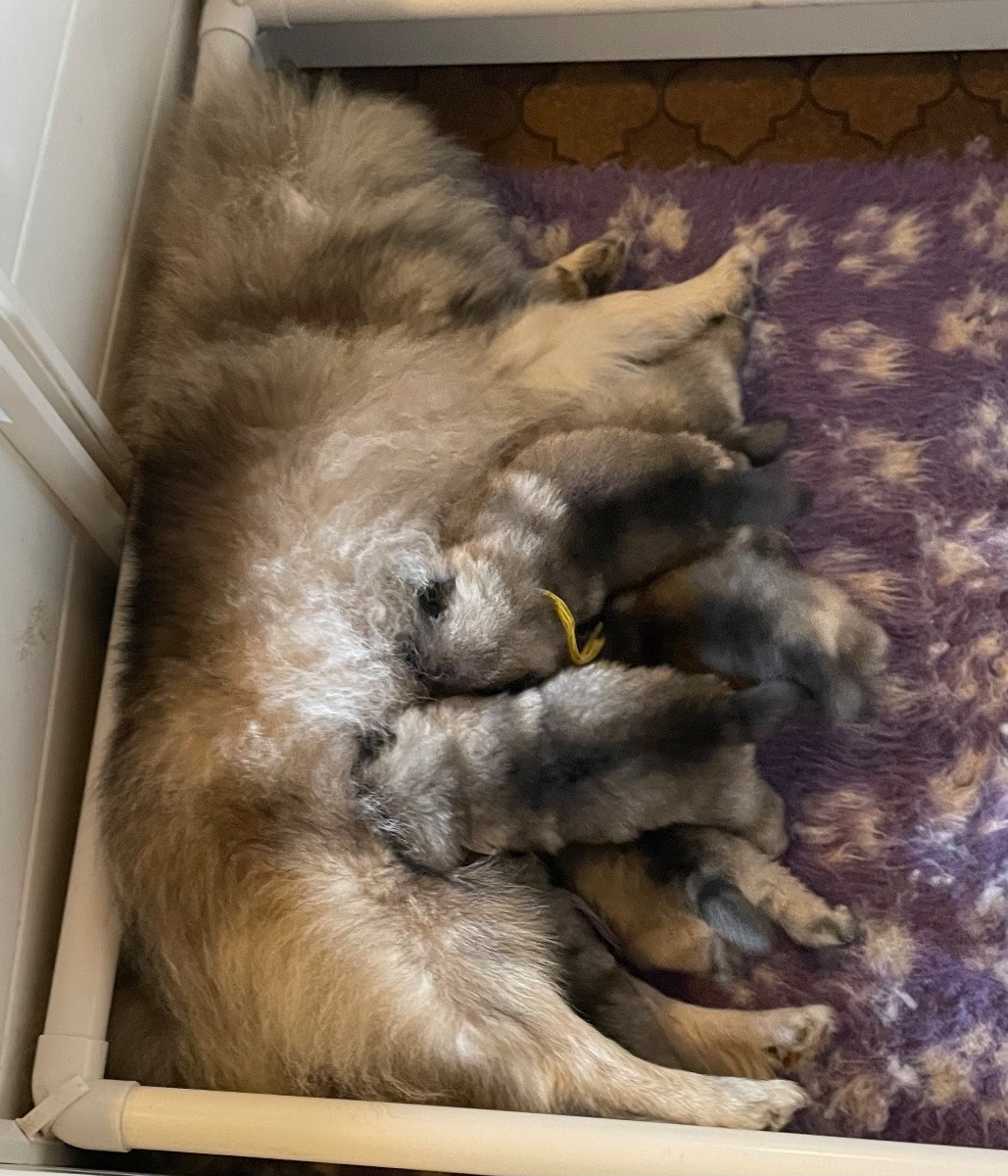

Viser 1 til 1 af 1 resultater
Gå ikke glip af noget!
Gem denne søgning, så giver vi dig besked, når der dukker nye kæledyr op.

At købe en Keeshond
At købe en Keeshond er en stor beslutning, og det er vigtigt at føle sig tryg gennem hele processen. På Get a Pet kan du sammenligne aktuelle annoncer fra både opdrættere og private sælgere, se pris, alder og placering samt kontakte sælgere direkte.
Alle annoncer viser grundlæggende information om hunden, så du nemt kan vurdere, om den passer til din livsstil og dine rammer.
Hvilken type temperament har en keeshond normalt?
De er generelt venlige, opmærksomme og meget menneskeorienterede og knytter ofte stærke bånd til hele familien. De plejer at være sociale over for gæster frem for reserverede, og mange bevarer en legesyg, hvalpelignende adfærd langt op i voksenalderen. Fordi de er følsomme, responderer de bedst på blid, konsekvent træning frem for hårde irettesættelser.
Hvor meget pelspleje har en keeshonds tykke pels egentlig brug for?
Den dobbelte pels skal børstes grundigt mindst en til to gange om ugen og oftere i fældningsperioderne. Regelmæssig pelspleje forhindrer, at der dannes filtre bag ørerne, i “bukserne” og rundt om kraven. De behøver som regel ikke at blive vasket helt så ofte, men kløer, ører og tænder skal plejes ligesom hos enhver anden selskabshund.
Fælder keeshond meget, og hvordan plejer jeg pelsen?
De fælder meget sæsonbetonet og ”blæser” deres underuld en eller to gange om året, hvilket kan betyde store mængder løs pels i nogle uger. Daglig børstning med en underulds‑kam i disse perioder hjælper med at fjerne død pels og reducere mængden af hår i hjemmet. Uden for fældningsperioderne er regelmæssig, ugentlig pelspleje tilstrækkelig til at holde pelsen mere let at passe.
Er keeshond en god familiehund i hjem med børn?
De er som regel rigtig gode med respektfulde børn og nyder at være en del af familieaktiviteterne. Deres mellemstore størrelse og robuste krop gør, at de som oftest tåler forsigtig leg, men det er stadig vigtigt at holde øje med dem, når de er sammen med små børn. Tidlig socialisering og at lære børn, hvordan de skal omgås hunden på den rigtige måde, hjælper med at forebygge utilsigtet hårdhændethed fra begge sider.
Hvor meget motion har en keeshond brug for hver dag?
De er aktive og intelligente, men ikke ekstreme atleter. De fleste klarer sig fint med cirka 45 til 60 minutters fysisk aktivitet fordelt over dagen, plus lidt mental stimulering, for eksempel træningslege eller aktiveringslegetøj. De sætter mere pris på gåture, leg og rolige hundesportsgrene end på intens, ensformig løbetræning.
Kan en keeshond trives i en lejlighed eller et lille hus?
Ja, mange tilpasser sig fint til livet i lejlighed, hvis de får nok daglig motion og mental stimulering. De kan godt lide at være tæt på deres mennesker og er generelt mere fokuserede på samvær end på at have en stor have. Lydhåndtering og træning i at kontrollere gøen er vigtige i etageejendomme, da de kan være ret gøende.
Hvorfor er keeshond kendt som “hollandske pram‑hunde”, og påvirker den historie deres adfærd i dag?
De arbejdede oprindeligt som selskabs- og vagthunde på hollandske flodbåde, hvor de holdt sig tæt på menneskerne, samtidig med at de havde overblik over omgivelserne. Denne baggrund bidrager til deres stærke tilknytning til familien og deres naturlige tendens til at gø, når de ser eller hører noget nyt. Den forklarer også, hvorfor mange trives godt på lidt plads, så længe de får lov til at være en del af hverdagslivet.
Hvilke helbredsproblemer er keeshond særligt tilbøjelig til at få?
Racen kan være disponeret for problemer som hofteledsdysplasi, patellaluksation og visse arvelige øjensygdomme. Nogle linjer kan også have øget risiko for sygdomme i skjoldbruskkirtlen eller hudproblemer. At vælge en opdrætter, der sundhedstester sine avlsdyr, og at holde hunden i passende huld med regelmæssig motion kan hjælpe med at reducere den samlede risiko.
Er keeshondens tykke pels egnet til varme klimaer?
Den dobbelte pels giver en vis isolering mod både varme og kulde, men de kan stadig blive overophedede ved høje temperaturer. De trives bedst med aircondition, skygge, frisk vand og motion begrænset til de køligere tidspunkter på dagen. Pelsen bør ikke klippes ned, da det kan forringe pelsens kvalitet og mindske den naturlige beskyttelse.
Er keeshonde meget gøende, og kan man kontrollere deres gøen?
De har ofte let ved at reagere hurtigt på lyde og bevægelser, en egenskab der hænger sammen med deres oprindelige rolle som vagthunde på pramme. Med konsekvent træning og tydelige signaler for, hvornår der skal være stille, kan de fleste lære at gø mindre på kommando og falde til ro lettere. Tilstrækkelig motion og mental stimulering hjælper også med at reducere gøen, der skyldes rastløshed eller kedsomhed.