Basset fauve de Bretagne til salg
Leder du efter en Basset fauve de Bretagne til salg i Danmark? Her finder du aktuelle hvalpe og voksne hunde fra både opdrættere og private sælgere. Sammenlign pris, alder og placering, og kontakt sælgere direkte.

0 kæledyr fundet

Ingen resultater fundet
Vi kunne ikke finde nogen resultater. Prøv at opdatere din søgning.
Gå ikke glip af noget!
Gem denne søgning, så giver vi dig besked, når der dukker nye kæledyr op.
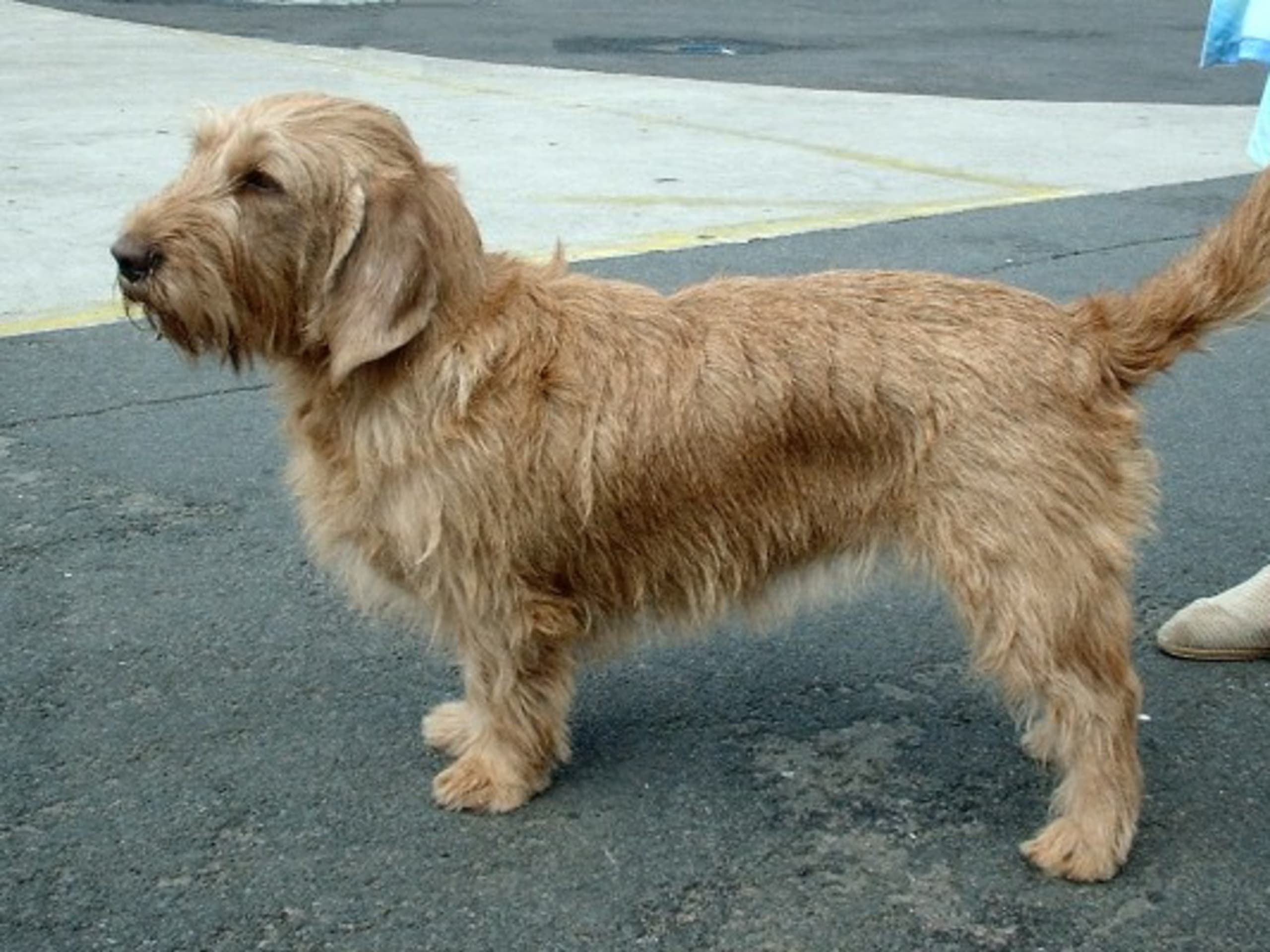
At købe en Basset fauve de Bretagne
At købe en Basset fauve de Bretagne er en stor beslutning, og det er vigtigt at føle sig tryg gennem hele processen. På Get a Pet kan du sammenligne aktuelle annoncer fra både opdrættere og private sælgere, se pris, alder og placering samt kontakte sælgere direkte.
Alle annoncer viser grundlæggende information om hunden, så du nemt kan vurdere, om den passer til din livsstil og dine rammer.
Hvilken slags temperament har en Basset Fauve de Bretagne typisk?
Denne race er som regel venlig, livlig og kærlig over for sin familie og knytter ofte et stærkt bånd til én bestemt person. Den har en glad, målrettet jagtinstinkt, hvilket kan gøre den selvstændig udendørs, men som oftest ivrig efter at være med i familiens aktiviteter derhjemme.
Er basset fauve de bretagne en god familiehund til hjem med børn og andre kæledyr?
De er ofte gode med respektfulde børn og nyder som regel at være en del af familielivet. Mange lever fredeligt sammen med andre hunde, men deres stærke jagtinstinkt betyder, at smådyr som kaniner eller gnavere er mere udsatte, så opsyn og gennemtænkt håndtering er vigtig.
Hvor meget motion har en Basset Fauve de Bretagne egentlig brug for?
På trods af sine korte ben er dette en energisk jagthund, som har brug for mindst én til to timers motion om dagen, inklusive gode gåture og lejligheder til at snuse og udforske. Mental stimulering, som f.eks. næselege eller sporarbejde, er også vigtig for at forebygge rastløshed og uønsket adfærd.
Fælder Basset Fauve de Bretagne, og hvor meget pelspleje kræver den?
Den stride, hårde pels fælder moderat og skal som regel børstes en gang om ugen for at fjerne løse hår og snavs. Nogle hunde har gavn af at blive trimmet i hånden indimellem for at holde pelsen pæn, og regelmæssige øretjek er vigtige på grund af de hængende ører og et aktivt udeliv.
Hvilke helbredsproblemer er mest almindelige hos Basset Fauve de Bretagne?
Denne race er generelt robust, men kan være tilbøjelig til at få ørebetændelse, øjenproblemer som grå stær og grøn stær samt visse problemer med bevægeapparatet. Ansvarlige opdrættere tester for arvelige sygdomme og holder hundene slanke for at mindske belastningen på led og ryg.
Er basset fauve de bretagne tilbøjelig til at få rygproblemer som nogle andre korthårede støvere?
Den lange krop og de korte ben kan øge risikoen for belastning af rygsøjlen, især hvis hunden er overvægtig eller ofte hopper ned fra højder. At holde hunden i passende huld, bruge rampe eller trin efter behov og undgå hårdhændet håndtering hjælper med at beskytte ryggen.
Hvor nem er en basset fauve de bretagne at træne, når man tager dens baggrund som jagthund i betragtning?
De er intelligente og lærer hurtigt, men har ofte et selvstændigt, duftstyret sind, som kan få dem til at virke stædige. Korte, varierede træningspas med virkelig værdifulde belønninger og konsekvente regler fungerer bedst, og indkald kræver ekstra tålmodighed og en masse træning.
Kan en basset fauve de bretagne trives i en lejlighed eller et lille hus?
De kan godt tilpasse sig mindre boliger, hvis de får tilstrækkelig daglig motion og mental stimulering. Da de kan finde på at gø eller hyle, når de er opkørte eller efterlades alene for længe, er lydisolering, træning og regelmæssigt selskab vigtige at overveje i tætbefolkede boligområder.
Er Basset Fauve de Bretagne meget støjende, og hyler/giver de hals ligesom andre drivende hunde (scenthounds)?
Mange hunde har en typisk støverstemme og kan begynde at gø, når de følger et spor, hilser på besøgende eller reagerer på forskellige lyde. Tidlig træning i at kontrollere gøen, kombineret med tilstrækkelig motion og aktivering, hjælper med at holde hundens lydniveau inden for rimelige grænser.
Hvilken type ejer eller livsstil passer bedst til en Basset Fauve de Bretagne?
De passer til aktive ejere, der elsker friluftsliv og er vant til at håndtere en stærk jagtinstinkt på gåture, ofte med sikker indhegning og i snor. En person, der kan tilbyde regelmæssig motion, selskab og muligheder for at bruge næsen, oplever dem som meget givende ledsagere.