Russian Tsvetnaya Bolonka til salg
Leder du efter en Russian Tsvetnaya Bolonka til salg i Danmark? Her finder du aktuelle hvalpe og voksne hunde fra både opdrættere og private sælgere. Sammenlign pris, alder og placering, og kontakt sælgere direkte.
0 kæledyr fundet

Ingen resultater fundet
Vi kunne ikke finde nogen resultater. Prøv at opdatere din søgning.
Gå ikke glip af noget!
Gem denne søgning, så giver vi dig besked, når der dukker nye kæledyr op.
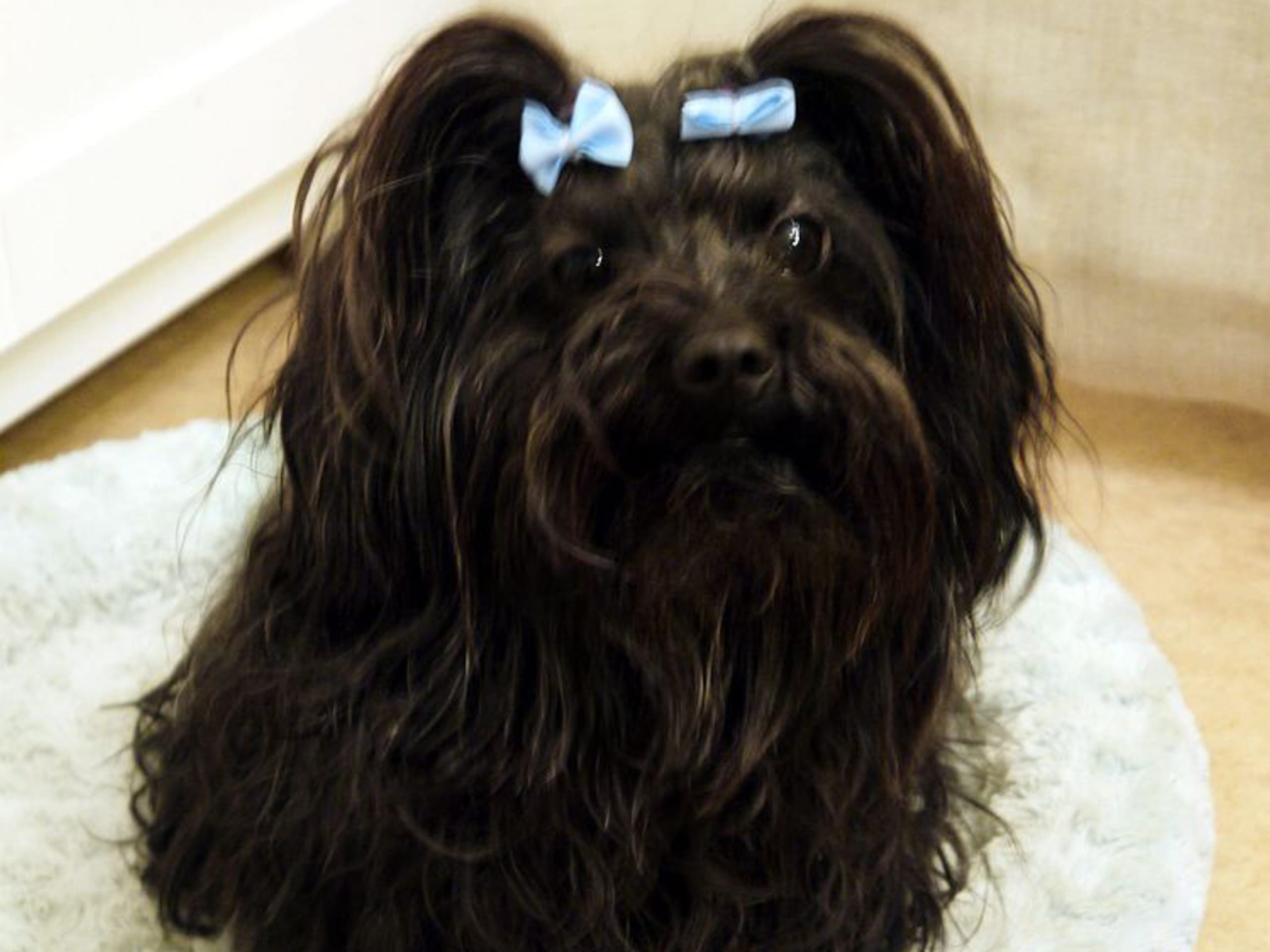
At købe en Russian Tsvetnaya Bolonka
At købe en Russian Tsvetnaya Bolonka er en stor beslutning, og det er vigtigt at føle sig tryg gennem hele processen. På Get a Pet kan du sammenligne aktuelle annoncer fra både opdrættere og private sælgere, se pris, alder og placering samt kontakte sælgere direkte.
Alle annoncer viser grundlæggende information om hunden, så du nemt kan vurdere, om den passer til din livsstil og dine rammer.
What kind of temperament does the Russian Tsvetnaya Bolonka have around family and visitors?
This is a typically affectionate, people-oriented toy breed that bonds very closely with its family. They are usually friendly and polite with guests once introduced, but can be a bit reserved or cautious at first. With good socialization, they tend to be gentle, playful, and adaptable in most household settings.
How much exercise does a Russian Tsvetnaya Bolonka actually need each day?
Despite their lively nature, they are a low to moderate exercise breed. Two or three short walks combined with indoor play and mental stimulation are usually sufficient for a healthy adult. They are better suited to regular, gentle activity rather than intense or prolonged physical exercise.
Is the Russian Tsvetnaya Bolonka a good choice for apartment living or small homes?
This breed was developed as a companion dog for city living and typically does very well in apartments. They are small, generally not overly noisy, and do not require large spaces, provided they get daily interaction and short walks. They may struggle if left alone for long hours, so they suit owners who are home often.
How hypoallergenic is the Russian Tsvetnaya Bolonka and do they shed much?
They have a long, wavy or curly coat that sheds very little, which makes them a potential option for some people with mild dog allergies. However, no breed is completely hypoallergenic, and individual reactions vary. Regular grooming helps reduce dander and keep the coat in good condition.
What special grooming does the Russian Tsvetnaya Bolonka’s coat require?
Their soft, fluffy coat tangles easily and needs thorough brushing several times a week to prevent mats, especially behind the ears, under the legs, and around the neck. Many owners choose a shorter, practical trim to make maintenance easier. Routine ear care, nail trimming, and eye cleaning are also important due to the hair around the face.
Are Russian Tsvetnaya Bolonkas prone to any particular health problems?
Overall they are considered a relatively healthy small breed, but can be predisposed to issues common in toy dogs such as patellar luxation, dental disease, and eye problems. Some lines may also have a tendency toward allergies or skin sensitivities. Choosing a breeder who screens breeding dogs and maintains health records is important.
How does the Russian Tsvetnaya Bolonka typically get along with children and other pets?
They are usually friendly and playful with children when handled gently, but their small size makes them vulnerable to rough play. With proper introductions, they often coexist well with other dogs and even cats. Supervision is recommended with young children to prevent accidental injury to the dog.
Is the Russian Tsvetnaya Bolonka easy to train and housebreak?
They are intelligent and enjoy pleasing their owners, which can make basic training straightforward with positive methods. Like many toy breeds, housebreaking can take patience and consistency, especially in bad weather when small dogs are reluctant to go outside. Short, frequent potty breaks and a clear routine help them succeed.
Does the Russian Tsvetnaya Bolonka cope well with being left alone during the day?
This is a companion-focused breed that thrives on close contact with its people and does not do well with long periods of isolation. Many individuals can develop separation-related stress if left alone for many hours regularly. They are best suited to households where someone is home most of the day or where arrangements can be made for daytime company.
What is the history of the Russian Tsvetnaya Bolonka and how does it influence their behavior today?
The breed was developed in Russia as a small, devoted house companion during a time when larger dogs were impractical in city apartments. That background means they have been selected for affectionate, indoor-oriented traits rather than working or guarding roles. As a result, modern dogs tend to be social, adaptable, and strongly focused on human companionship.