Dutch Shepherd (Hollandse Herder) til salg
Leder du efter en Dutch Shepherd (Hollandse Herder) til salg i Danmark? Her finder du aktuelle hvalpe og voksne hunde fra både opdrættere og private sælgere. Sammenlign pris, alder og placering, og kontakt sælgere direkte.
0 kæledyr fundet

Ingen resultater fundet
Vi kunne ikke finde nogen resultater. Prøv at opdatere din søgning.
Gå ikke glip af noget!
Gem denne søgning, så giver vi dig besked, når der dukker nye kæledyr op.
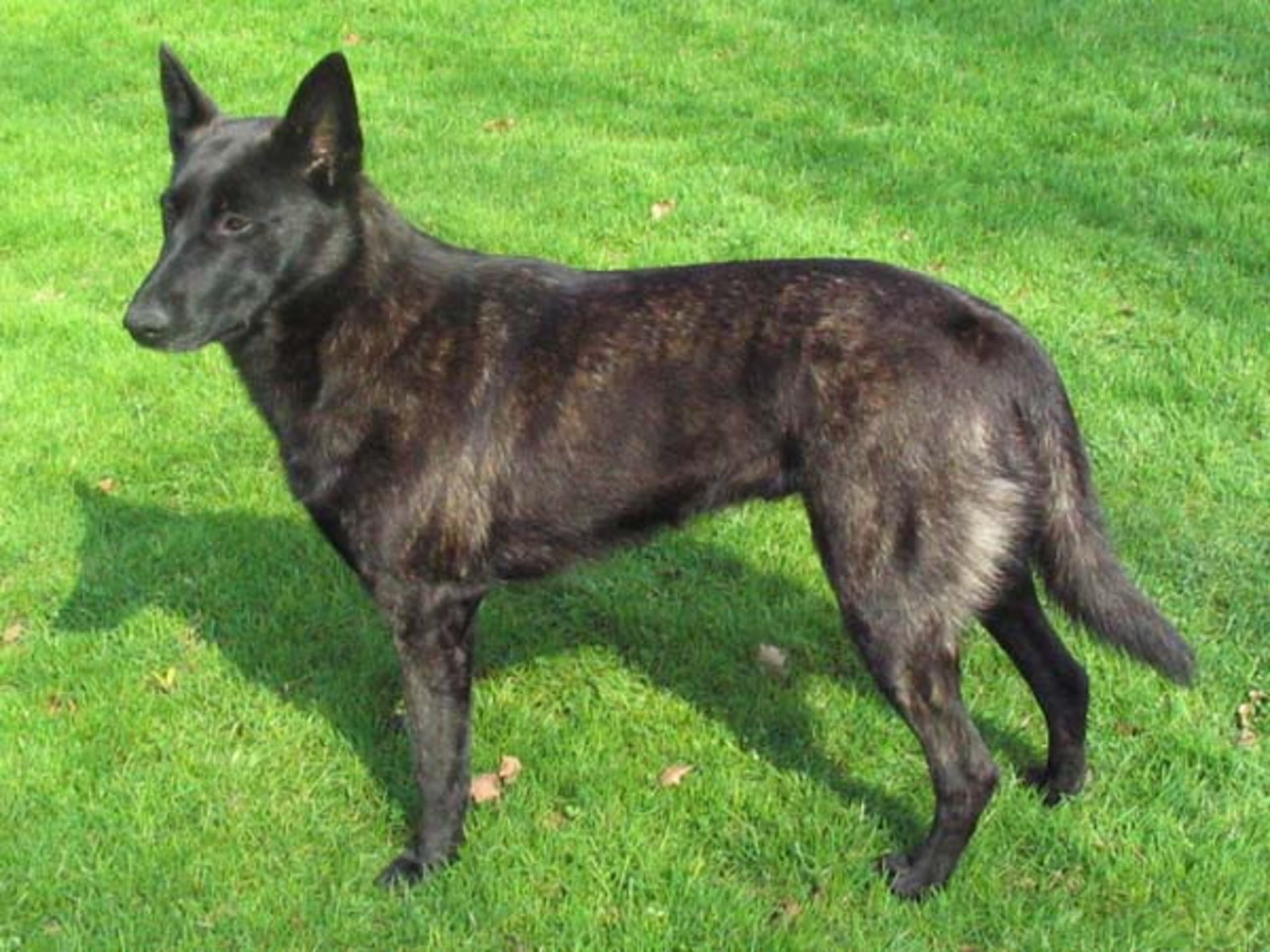
At købe en Dutch Shepherd (Hollandse Herder)
At købe en Dutch Shepherd (Hollandse Herder) er en stor beslutning, og det er vigtigt at føle sig tryg gennem hele processen. På Get a Pet kan du sammenligne aktuelle annoncer fra både opdrættere og private sælgere, se pris, alder og placering samt kontakte sælgere direkte.
Alle annoncer viser grundlæggende information om hunden, så du nemt kan vurdere, om den passer til din livsstil og dine rammer.
What is the typical temperament of a Dutch Shepherd and how does it behave in everyday family life?
This is a highly intelligent, alert and work‑oriented herding dog that bonds very closely with its family. It is usually affectionate and stable in the home, but can be reserved with strangers and very watchful of its surroundings. Consistent training and clear boundaries are important, as its quick mind and high energy can otherwise turn into pushy or restless behavior.
How much exercise and mental stimulation does a Dutch Shepherd really need?
This breed generally needs at least 1.5 to 2 hours of varied physical activity every day, plus regular mental work. It thrives on structured outlets such as obedience, herding, tracking, agility or protection sports. Without real jobs or challenging training, it can become noisy, destructive or overly intense at home.
Are Dutch Shepherds good family dogs for homes with children?
They can be excellent family dogs for active households that understand working breeds. Many are gentle and tolerant with respectful children, but their herding instinct and energy mean they may try to chase or nudge running kids. Early socialization, supervision and teaching children how to interact calmly are essential.
What are the differences between short‑haired, long‑haired and rough‑haired Dutch Shepherds, including grooming needs?
The short‑haired variety has a tight, low‑maintenance coat that usually needs weekly brushing and more frequent grooming during shedding seasons. Long‑haired dogs have a fuller, feathered coat that tangles more easily and typically need brushing several times a week. Rough‑haired dogs have a harsh, wiry coat that benefits from regular brushing and occasional hand‑stripping to prevent matting and keep the texture correct.
Is a Dutch Shepherd suitable for first‑time dog owners?
This breed is generally better suited to experienced owners or beginners who are very committed to training and activity. Its working drive, sensitivity and high energy can overwhelm people who expect a more easygoing companion. With guidance from a good trainer and a structured lifestyle, motivated first‑time owners can succeed, but it is not a casual choice.
What health problems are Dutch Shepherds prone to and how long do they typically live?
They are often considered relatively robust, but can be prone to hip dysplasia, elbow dysplasia, certain eye diseases and some autoimmune or allergy issues. Responsible breeders screen for joint and eye problems and monitor for epilepsy in some lines. The typical life expectancy is around 11 to 14 years with good care and appropriate exercise.
How trainable is a Dutch Shepherd and what training approach works best?
It is highly trainable, very quick to learn and usually eager to work with its handler. Positive, reward‑based methods combined with clear structure and consistency work better than harsh corrections, as many are sensitive and can shut down or become stressed. Short, frequent, varied sessions that channel its problem‑solving instincts are ideal.
Can a Dutch Shepherd live in an apartment or small home if it gets enough exercise?
Apartment living is possible for a well‑trained adult if it receives substantial daily exercise and mental work outside the home. However, its natural alertness and tendency to vocalize can be challenging in shared buildings. Access to safe outdoor spaces and a predictable routine helps prevent restlessness and nuisance barking.
How strong is the herding and protective instinct in Dutch Shepherds, and does it affect everyday behavior?
The breed was developed as an all‑purpose farm and herding dog, so many individuals still show strong herding and territorial instincts. This can appear as circling, nudging, or trying to control movement of people and other animals, as well as a serious attitude toward guarding property. Early training, controlled socialization and clear rules are important to keep these instincts appropriate and manageable.
Do Dutch Shepherds get along with other dogs and household pets?
Many live well with other dogs when raised and socialized properly, but some can be pushy or intense, especially with dogs of the same sex. Their herding drive and prey interest may lead them to chase cats or small animals if not carefully managed. Slow introductions, supervision and good impulse‑control training are key to peaceful multi‑pet homes.