Australian Terrier til salg
Leder du efter en Australian Terrier til salg i Danmark? Her finder du aktuelle hvalpe og voksne hunde fra både opdrættere og private sælgere. Sammenlign pris, alder og placering, og kontakt sælgere direkte.
0 kæledyr fundet

Ingen resultater fundet
Vi kunne ikke finde nogen resultater. Prøv at opdatere din søgning.
Gå ikke glip af noget!
Gem denne søgning, så giver vi dig besked, når der dukker nye kæledyr op.
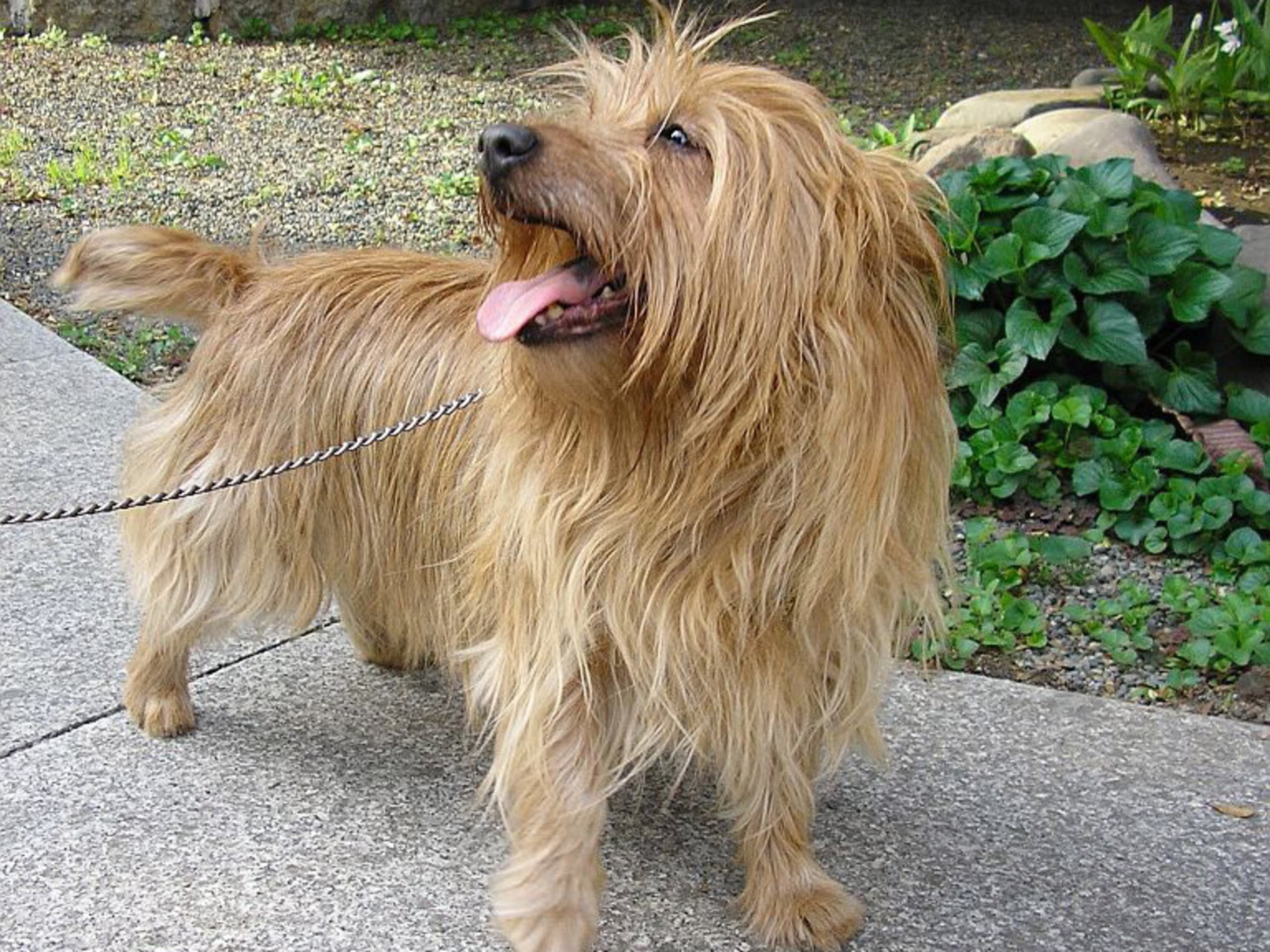
At købe en Australian Terrier
At købe en Australian Terrier er en stor beslutning, og det er vigtigt at føle sig tryg gennem hele processen. På Get a Pet kan du sammenligne aktuelle annoncer fra både opdrættere og private sælgere, se pris, alder og placering samt kontakte sælgere direkte.
Alle annoncer viser grundlæggende information om hunden, så du nemt kan vurdere, om den passer til din livsstil og dine rammer.
What is the typical temperament of an Australian Terrier around family and strangers?
This is a confident, spirited terrier that is usually very devoted to its family and often forms a particularly close bond with one person. With strangers it may be reserved or a bit bold and vocal, but early socialisation helps it stay polite and manageable in new situations.
How much exercise does an Australian Terrier really need despite its small size?
Although small, it is an active working terrier that needs at least 45 to 60 minutes of physical activity each day, plus mental stimulation. Several brisk walks, supervised off lead play in a secure area, and short training sessions usually meet its needs.
Are Australian Terriers good apartment dogs or do they need a yard?
They can adapt well to apartment living if they receive enough structured exercise and mental enrichment. A secure yard is helpful but not essential; what matters more is daily activity, training, and managing their tendency to bark at noises or passersby.
How are Australian Terriers with other pets, especially cats and small animals?
They were bred to hunt rodents, so many retain a strong prey drive toward small furry animals. With careful introduction and consistent management, some live peacefully with resident cats, but they are generally not reliable around small pets like rabbits or hamsters.
What grooming is required for an Australian Terrier’s harsh coat?
The weather resistant, wiry coat needs weekly brushing and occasional hand stripping to prevent it from becoming soft and fluffy. Professional help or learning correct stripping technique at home is recommended, as regular clipping can change texture and reduce its natural protection.
What health problems are most common in Australian Terriers?
They are generally robust but can be prone to patellar luxation, cruciate ligament issues, diabetes, and certain allergies. Responsible breeders screen for orthopedic problems and monitor bloodwork as the dog ages, and owners should watch for changes in mobility, weight, and thirst.
Do Australian Terriers bark a lot and can this be controlled?
They are naturally alert and vocal, a trait rooted in their history as watchdogs and vermin hunters. With early training, clear routines, and teaching a reliable “quiet” cue, their barking can be reduced, but they are unlikely to be completely silent dogs.
How trainable is an Australian Terrier for first time dog owners?
They are intelligent and quick to learn, but they also have a strong independent streak typical of terriers. Consistent, reward based training and clear boundaries work well, yet novice owners should be prepared for some stubbornness and persistence during adolescence.
Is an Australian Terrier a good choice for families with young children?
They can do well with respectful, supervised children and are often playful and affectionate with kids they know. Because they are small but sturdy and can react to rough handling, adults should closely supervise interactions and teach children how to handle the dog appropriately.
What climate is most suitable for an Australian Terrier?
The harsh, weather resistant coat helps them cope with a range of climates, especially cooler or moderate temperatures. They tolerate heat less well than their Australian origins might suggest, so in warm weather they need shade, fresh water, limited midday exercise, and indoor rest.